

Difficulty
Desert Civilizations & Dry Forests
Birds of the Northern Kingdoms of Peru Pre-trip
An engaging blend of archaeology, cuisine, and endemic-rich birding, this Northern Peru journey explores the storied lands of the Moche and Chimú while seeking specialties of the Tumbesian region. Dry forests, desert valleys, and ancient adobe cities combine for a richly layered cultural and natural history experience.
20 Days left to Register
Tour Overview
Northern Peru offers a rare opportunity to step deeply into the past while enjoying outstanding birding in one of South America’s most distinctive ecological regions. From Chiclayo to Trujillo, the Pacific coastal plain holds the monumental remains of pre-Inca civilizations whose ingenuity transformed desert landscapes into thriving cultural centers. Vast adobe complexes such as Chan Chan, the beautifully decorated Temple of the Moon, the Royal Tombs of Sipán Museum, and the pyramids of Túcume stand as powerful reminders of Peru’s earliest complex societies.
Threaded through this historical landscape is the famed Tumbesian bioregion, one of the most important endemic bird areas in South America. Here, arid valleys and mesquite forests shelter a suite of range-restricted species including Peruvian Plantcutter, Tumbes Tyrant, Rufous Flycatcher, Tumbes Swallow, and the rare White-winged Guan. Protected areas such as the Pomac Forest Historical Sanctuary, Chaparrí Ecological Reserve, the Casupe Valley, and the Tinajones Dam provide productive and accessible birding amid unique dry-forest habitats.
Throughout the journey, cultural immersion extends beyond archaeological wonders to Peru’s celebrated culinary traditions. Fresh coastal seafood, regional specialties, and innovative Peruvian cuisine enrich our experience at every turn. With comfortable accommodations, moderate pacing, and a seamless blend of birds, history, and gastronomy, this tour offers a compelling introduction to a lesser-visited and deeply rewarding corner of Peru.
Ecosystems Experienced
The tour traverses the Pacific coastal desert and the Tumbesian dry-forest zone—one of South America’s most threatened and endemic-rich habitats. Mesquite (algarrobo) forests, arid scrub, irrigated valleys, and seasonal river corridors create a mosaic that supports numerous range-restricted species. Low elevations and open terrain allow excellent visibility, while protected reserves preserve key pockets of native woodland amid otherwise dry landscapes.
Expected Climate
Temperature
Expect warm to hot conditions along the coast and in the dry forests. Daytime highs typically reach the mid-80s °F (around 29–31 °C), with mild evenings.
Rainfall
Rainfall is generally low along the northern Peruvian coast. Occasional localized showers are possible in some years, particularly during El Niño events, but extended rain is uncommon.
Seasons
This journey takes place during the austral summer along Peru’s Pacific coast. Conditions are warm and generally dry, vegetation in dry forests may show seasonal greenery, and bird activity remains strong—an excellent time to combine cultural exploration with productive field time.
Key Species
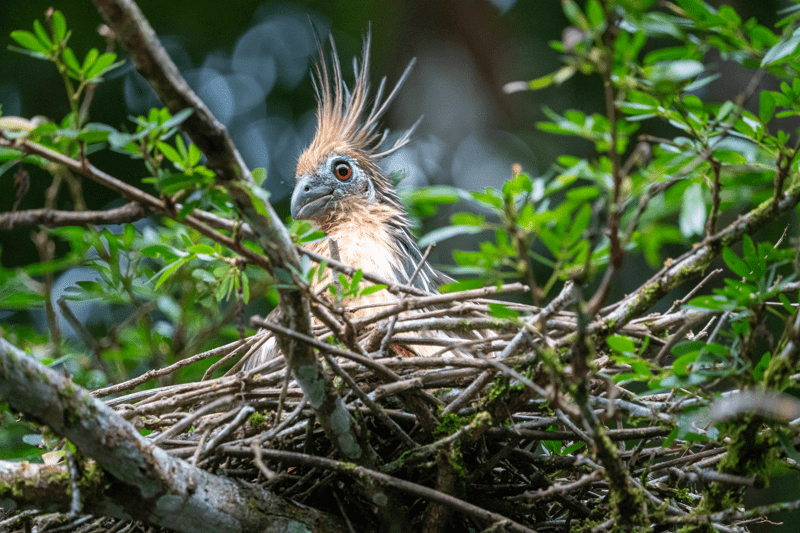
Hoatzin
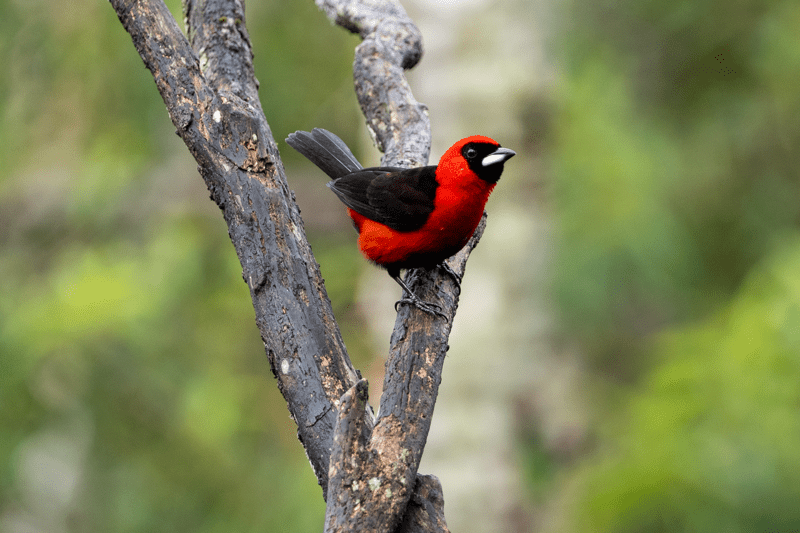
Masked Crimson Tanager
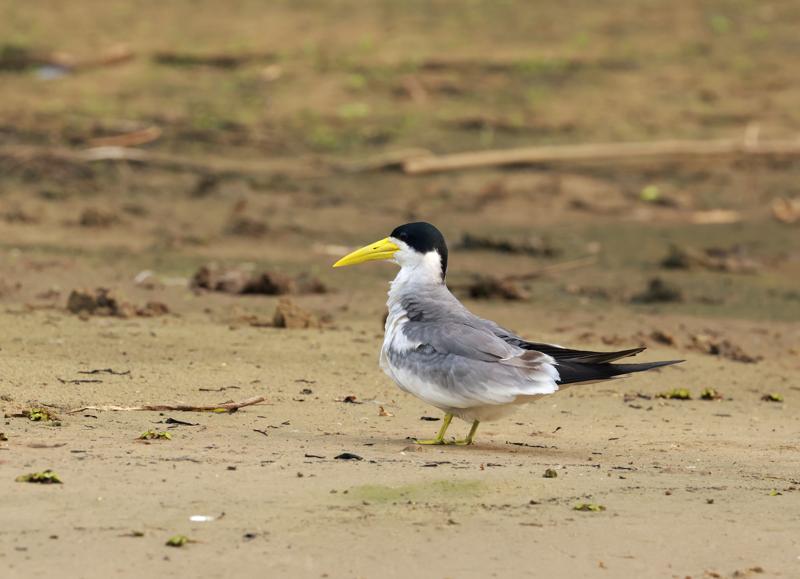
Large-billed Tern
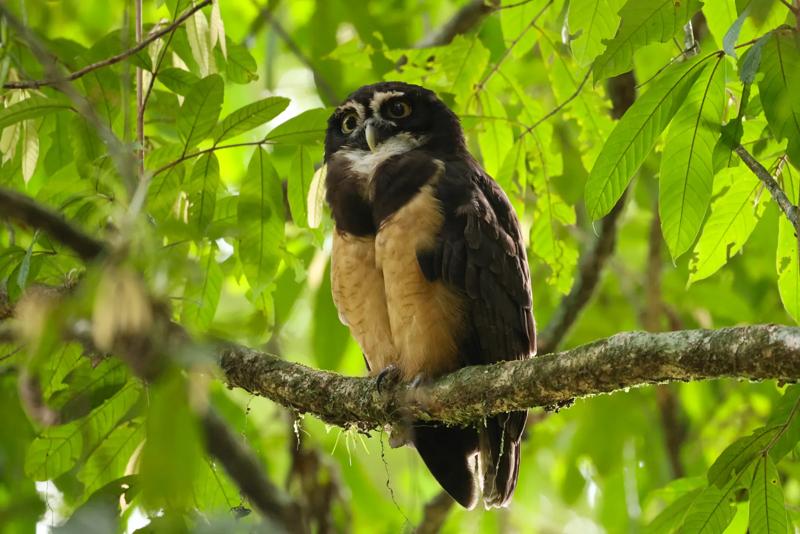
Spectacled Owl
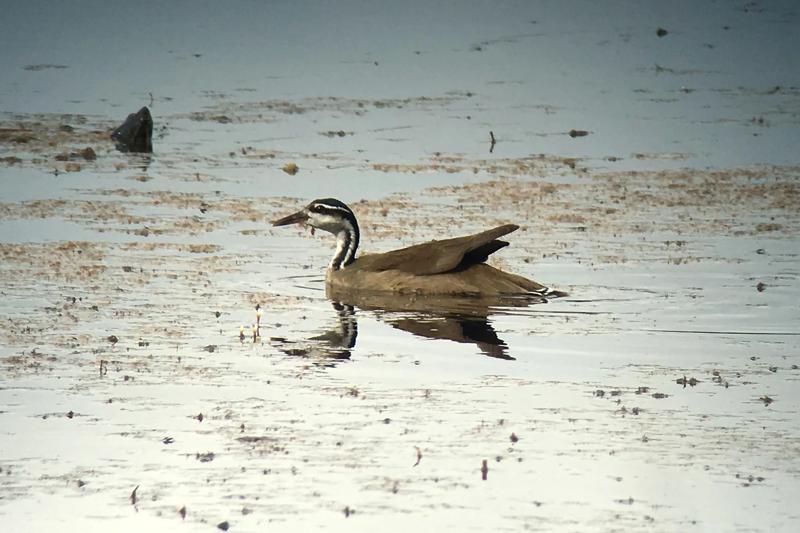
Sungrebe
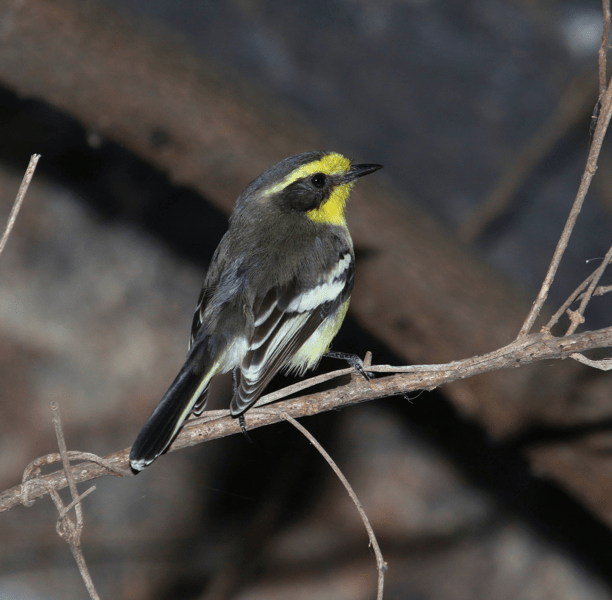
Tumbes Tyrant
Leader
+ Local Leader
Doris Valencia
Primary Leader
Peruvian birder and conservationist dedicated to guiding, reforestation, and empowering women in ecotourism while sharing her deep knowledge of Peru’s natural and cultural heritage.
Read MoreItinerary
Day 1
Arrive in Lima at any time today and transfer just across the airport access road to your hotel for an easy overnight stay before the journey north.
Settle in and rest after travel, with an early departure planned for Chiclayo the following morning.
Day 2
Fly north to Chiclayo and head straight to Eten Port, where coastal marshes and Humboldt Current waters bring an introduction to Peru’s rich seabird life.
Visit the Royal Tombs of the Lord of Sipán museum in the afternoon before returning to Chiclayo for the evening.
Day 3
Explore the Pomac Forest Historical Sanctuary, walking quiet trails through Peru’s Equatorial Dry Forest in search of specialties like Peruvian Plantcutter, Tumbes Tyrant, and Peruvian Thick-knee.
Continue into the Chaparri Ecological Reserve in the afternoon, arriving at a community-run conservation area rich in endemic wildlife and birding opportunities.
Day 4
Start the morning at Chaparri’s hummingbird feeders before exploring forest trails in search of dry forest specialties like White-winged Guan and Tumbes Sparrow.
Spend the day immersed in the reserve’s wildlife-rich habitat, with chances to see both endemic birds and resident mammals along the way.
Day 5
Travel from Chaparri to Trujillo, with birding stops at Tinajones Reservoir and along the Casupe Road to search for dry forest and wetland specialties.
Arrive in the colonial city of Trujillo by mid-afternoon, with time to settle in and enjoy the atmosphere before dinner.
Day 6
Explore Trujillo’s historic center and nearby archaeological sites, including Chan Chan and the Temples of the Sun and Moon, tracing the legacy of Peru’s coastal civilizations.
Enjoy a cultural afternoon featuring Peruvian Paso horses and Marinera dance before returning to the hotel for dinner.
Day 7
Visit the Lomas Cerro de Campana reserve, exploring mist-fed coastal hills in search of unique lomas specialists and regional endemics.
Return to Trujillo and fly back to Lima in the afternoon, settling into your hotel for the final night.
Day 8
Transfer to Lima’s airport for international departures late this evening, with onward flights returning to the USA overnight.
What’s Included
Accommodations & Dining
Settle into comfortable accommodations with modern amenities. Enjoy freshly prepared meals that highlight local flavors and international favorites, with consideration for any dietary needs.
Guided Services & Gratuities
Experience each destination with the help of Leaders who share history, culture, and wildlife insights. Gratuities for crew and local guides are included, ensuring seamless service without extra concerns; tipping for your Leaders is discretionary and not included.
Active Essentials
Every tour includes the core elements that make our field experiences possible so you can stay engaged with a range of activities. All outings include the necessary equipment and full safety support, making it easy to join at your own pace.
Transportation & Logistics
We coordinate every transfer, from airport pickup to port boarding. Whether traveling by bus, boat, or charter, our team ensures smooth connections and stress-free travel.
FAQs
These trip extensions are thoughtfully crafted to enhance the primary tour and are usually arranged as part of the full itinerary. If you would like to explore booking this extension on its own, we invite you to call our office so we can review availability and discuss the best approach for your plans.
Jan 22–Jan 29, 2027
Open