


Difficulty
AMERICA’S MIGRATION CROSSROADS
Cape May: The Magic of Fall Migration
Cape May is one of the most celebrated migration hotspots in North America, where autumn funnels thousands of songbirds, raptors, shorebirds, and seabirds into a compact, bird-rich peninsula. This relaxed and immersive tour explores coastal wetlands, dune habitats, forests, back-bay marshes, and open ocean waters at the peak of fall movement. Expect warblers sweeping over morning skies, hawks kettling on rising thermals, Monarchs drifting through golden light, and jaegers chasing gulls offshore. With easy walking, excellent learning opportunities, and a perfect blend of birding and coastal scenery, Cape May offers a front-row seat to one of nature’s great annual spectacles.
12 Days left to Register
Tour Overview
Sep 20–Sep 26, 2026
Sep 19–Sep 25, 2027
Autumn on the Atlantic Coast is a season of movement—cooler air, shifting winds, and the steady southbound push of birds preparing for winter. At the tip of New Jersey, the peninsula of Cape May becomes a natural gathering point. Birds following the coastline suddenly face open water on three sides, creating one of the most remarkable “bottlenecks” in the Western Hemisphere. The result is a dazzling concentration of migrants and one of the most exciting birding destinations in the United States.
Each morning begins with songbird flights as warblers, vireos, sparrows, flickers, and tanagers descend from nocturnal migration and funnel toward the point. As the day warms, the sky changes character—Sharp-shinned Hawks slice through the air, Broad-wings drift in kettles, and Ospreys and Northern Harriers hunt low over the dunes. Later in the season, Peregrines may pass in spectacular numbers, powering down the shoreline on strong winds.
Marshes and back bays host herons, ibis, teal, and shorebirds shifting through their fall plumages. A leisurely back-bay boat cruise brings close views of terns, gulls, skimmers, and foraging herons, while offshore waters hold scoters, Northern Gannets, and migrating jaegers. Monarch butterflies gather in pulses on cape-end vegetation, and dragonflies, moving in their own migration, sweep past in bright, wind-carried swarms.
Cape May is also a perfect place to learn—gentle terrain, varied habitats, and high bird volume make identification approachable and endlessly rewarding. From beachscapes and boardwalks to maritime forests and hidden marsh edges, this tour immerses travelers in the full drama of fall migration at one of its most iconic stages.
Ecosystems Experienced
A compact mosaic of maritime forest, coastal scrub, tidal marsh, freshwater ponds, sandy beaches, and dynamic offshore waters. Hedgerows catch songbirds at dawn, dunes channel raptors, mudflats hold shorebirds, and back-bay marshes glint with herons and egrets. The entire peninsula lives and breathes migration.
Expected Climate
Temperature
Expect mild to cool mornings, warming to gentle coastal afternoons. Breezes off the Atlantic keep the days fresh, with warm spells during early fall and crisp, invigorating air following cold fronts—often producing excellent raptor flights.
Rainfall
Light showers and shifting fronts are part of the fall rhythm. Passing weather systems frequently produce spectacular bird movement; rain often clears to luminous, sharp-edged skies perfect for hawkwatching and photography.
Seasons
Early to mid-fall brings peak migration, with warblers, vireos, kinglets, sparrows, and thrushes moving through in waves, raptors surging on northwest winds, shorebirds staging in marshes, and Monarch butterflies gathering in golden clumps on dune vegetation.
Key Species
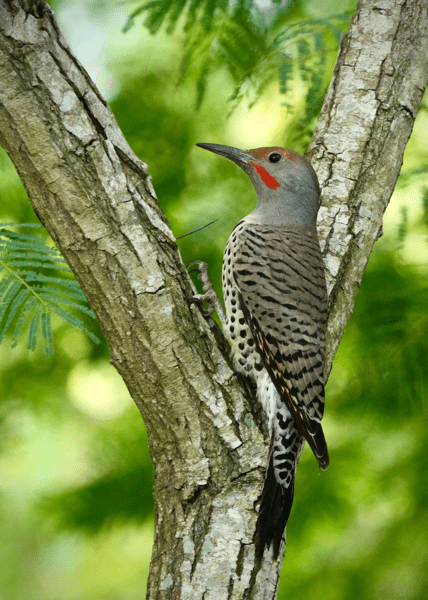
Northern Flicker
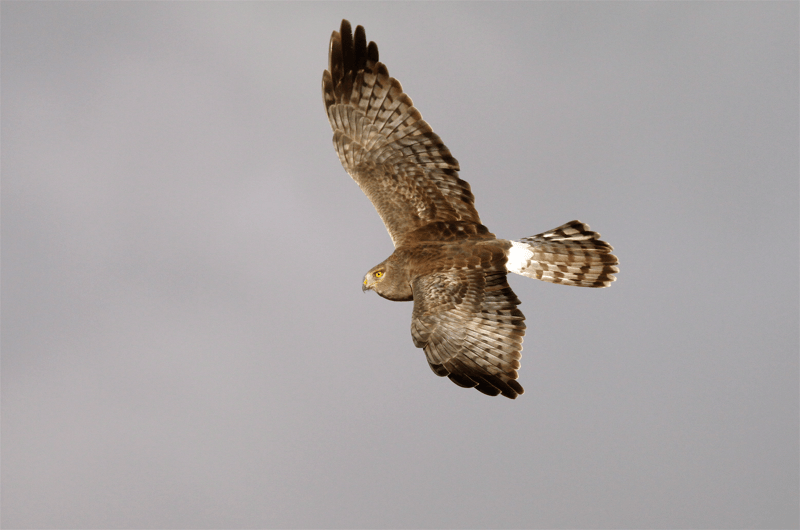
Northern Harrier
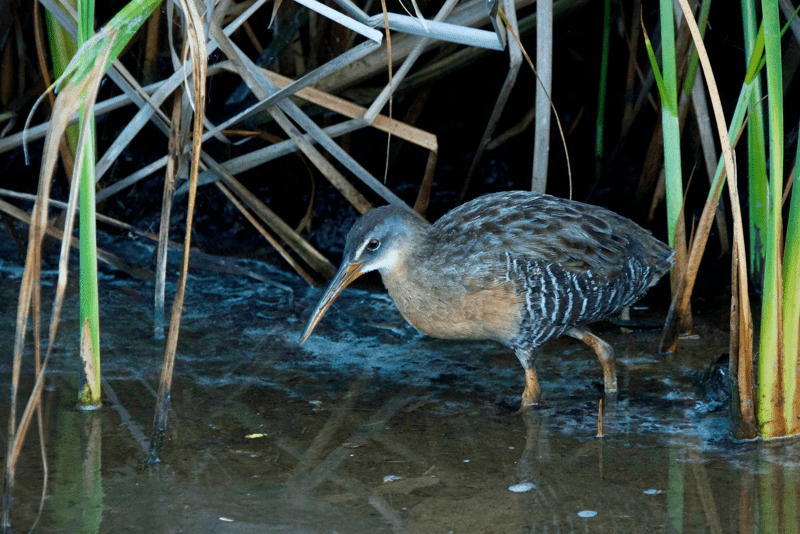
Clapper Rail
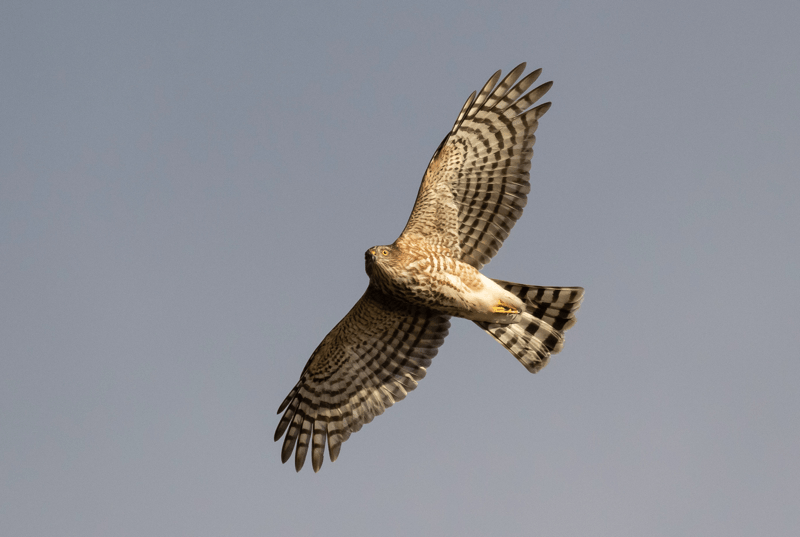
Sharp-shinned Hawk
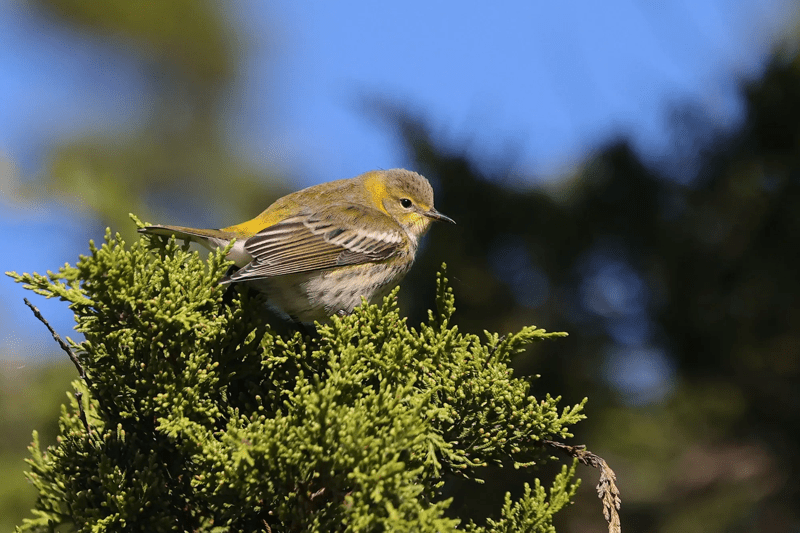
Cape May Warbler
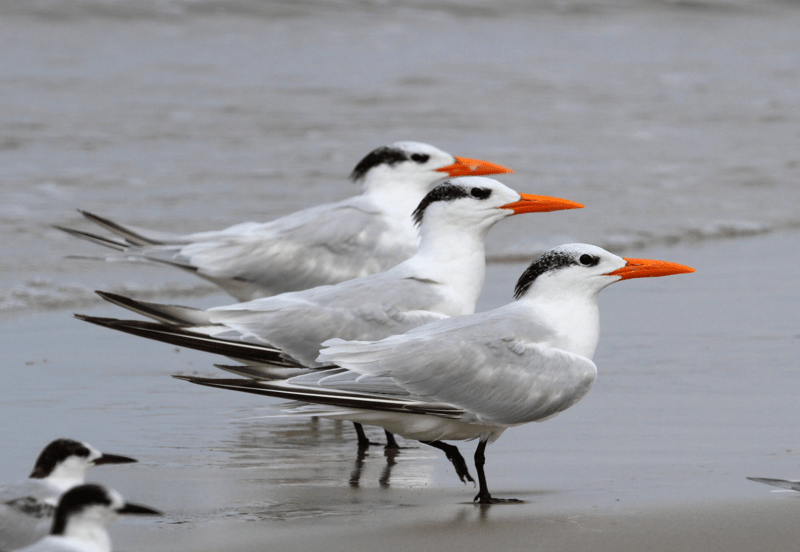
Royal Tern
Leaders
Louise Zemaitis
Primary Leader
Artist and naturalist from Cape May who blends art, teaching, and conservation while inspiring birders of all ages through her creativity and deep love of nature.
Read MoreMichael O’Brien
Artist, author, and naturalist with expertise in bird vocalizations, migration, and field identification, sharing his passion through illustration, research, and education across the Americas.
Read MoreItinerary
Click here to download the itinerary PDF
Day 1
Travel to and arrive in Philadelphia to meet your leaders as the group prepares for a week immersed in migration.
Evening meal and orientation covering expected weather patterns, target species, and migration dynamics.
Stay overnight in Philadelphia before heading toward the coast.
Day 2
Travel from Philadelphia to Cape May, stopping to bird marshes, forest edges, or coastal ponds depending on conditions.
Begin exploring the peninsula’s rich habitats, watching for early migrants and raptors moving along the coast.
Settle into the rhythm of fall birding with a late-afternoon sweep of beaches or wetlands.
Day 3
Experience the dawn spectacle at Higbee’s Beach, where warblers, vireos, tanagers, and flickers stream overhead and pour into hedgerows.
Walk open trails and field edges alive with migrants feeding low after their nocturnal flight.
Shift to Cape May Point, scanning for early raptors rising along the dunes and gull flocks forming offshore.
Day 4
Bird The Meadows and South Cape Migratory Bird Refuge, rich with teal, ibis, herons, sparrows, and shifting shorebird flocks.
Wander coastal scrub where kinglets, wrens, and late-season warblers forage among bayberry and goldenrod.
Take a relaxed back-bay pontoon cruise, offering close views of herons, terns, skimmers, and raptor activity over tidal creeks.
Day 5
Explore Stone Harbor Point, where dunes, mudflats, and salt marsh hold plovers, yellowlegs, and foraging shorebirds.
Walk the wooded corridors and meadow edges of Cox Hall Creek for woodpeckers, thrushes, sparrows, and mixed-flock activity.
Enjoy a Monarch tagging demonstration, learning about the region’s famous insect migration and the falcons that track it.
Day 6
Choose the morning’s hotspot based on migration conditions—often Higbee’s, The Meadows, or the Hawkwatch.
Enjoy one last sweep for falcons, sparrows, kinglets, and lingering warblers.
Return to Philadelphia in the afternoon with birding stops as time allows.
Day 7
Enjoy a relaxed final morning before airport transfers and flights home.
What’s Included
Accommodations & Dining
Settle into comfortable accommodations with modern amenities. Enjoy freshly prepared meals that highlight local flavors and international favorites, with consideration for any dietary needs.
Guided Services & Gratuities
Experience each destination with the help of Leaders who share history, culture, and wildlife insights. Gratuities for crew and local guides are included, ensuring seamless service without extra concerns; tipping for your Leaders is discretionary and not included.
Active Essentials
Every tour includes the core elements that make our field experiences possible so you can stay engaged with a range of activities. All outings include the necessary equipment and full safety support, making it easy to join at your own pace.
Transportation & Logistics
We coordinate every transfer, from airport pickup to port boarding. Whether traveling by bus, boat, or charter, our team ensures smooth connections and stress-free travel.
FAQs
Similar Trips
Loading calendar...