Difficulty
A BIRDS & NATURE EXPEDITION
Colombia: Hummingbirds & Tanagers of the Western Andes
A gentle-paced introduction to Colombia’s dazzling birdlife, this relaxed adventure celebrates the country’s most colorful jewels—its hummingbirds and tanagers. From lush cloud forests to the Cauca Valley wetlands, we’ll enjoy world-class birding without early starts or long hikes. With days centered around well-known feeding stations, we’ll see a kaleidoscope of species up close, including Multicolored Tanager, Booted Racket-tail, and Red-headed Barbet. Comfortable lodges, delicious food, and breathtaking scenery complete this easy, joyful experience in the heart of the Andes—perfect for travelers seeking the magic of tropical birding at a relaxed and unhurried pace.
18 Days left to Register
Starting At
$6,195 per person
8 Days

8 Days
10 Guests

Pace
Tour Overview
Dec 6–Dec 13, 2026
Dec 4–Dec 11, 2027
Dec 2–Dec 9, 2028
Colombia is a dream destination for birders, home to more species than any other country on Earth. On this relaxed and easy journey through the Western Andes, we’ll explore a region celebrated for its cloud forests, brilliant birds, and exceptional hospitality—all without the intensity of dawn-to-dusk field days. This itinerary combines comfort and discovery, with leisurely mornings, midday breaks, and birding from roadsides and feeders rather than long forest trails.
Our route features two main bases—Finca La Huerta and Araucana Lodge—each offering excellent birding right from the doorstep. We begin at Finca La Huerta, nestled amid farmland and montane forest. From here we’ll explore the protected Río Bravo Reserve, home to colorful Andean Motmot, Red-headed Barbet, and Golden Tanager, as well as restricted-range species like Crested Ant-Tanager and Uniform Antshrike. Nearby, the Yotoco Reserve and Cauca Valley wetlands introduce us to the contrasting birdlife of open water and lowland scrub, where Jet Antbird, Snail Kite, and Bar-crested Antshrike can be found alongside whistling-ducks and Spectacled Parrotlet.
Continuing to the western slope, our stay at Araucana Lodge provides easy access to some of Colombia’s finest birding sites. At La Minga and Bosque de Niebla, feeders hum with activity—hummingbirds such as Empress Brilliant, Velvet-purple Coronet, and Violet-tailed Sylph dazzle among a rainbow of tanagers. In these tranquil settings, we’ll also seek elusive forest gems like Chestnut Wood-Quail and Toucan Barbet.
With good accommodations, easy travel, and a pace that allows time for both birding and relaxation, this tour captures the vibrant beauty of the Andes—offering unforgettable encounters with Colombia’s most spectacular avian treasures.
Ecosystems Experienced
A diverse mosaic of subtropical to temperate cloud forest, riverine habitats and farmland—each alive with Choco and West Andes endemics and vibrant hummingbirds and tanagers.
Expected Climate
Temperature
Temperatures in the high 80s to low 90s
Rainfall
Andes generally receive high rainfall
Seasons
December marks the transition into the dry season—lush landscapes, active birds, and comfortable weather.
Previous Field Reports
Key Species
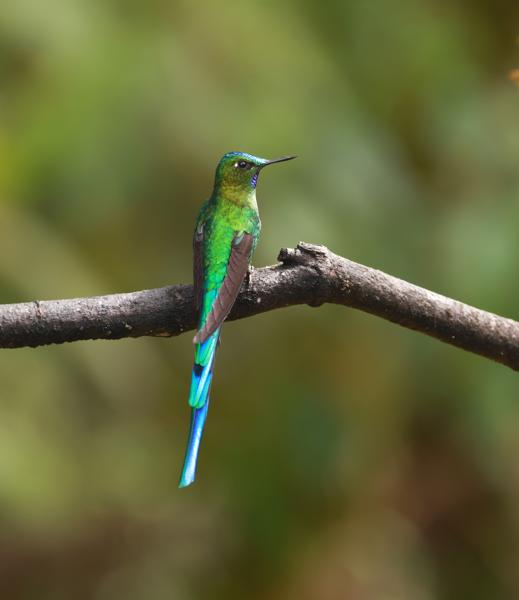
Long-tailed Sylph
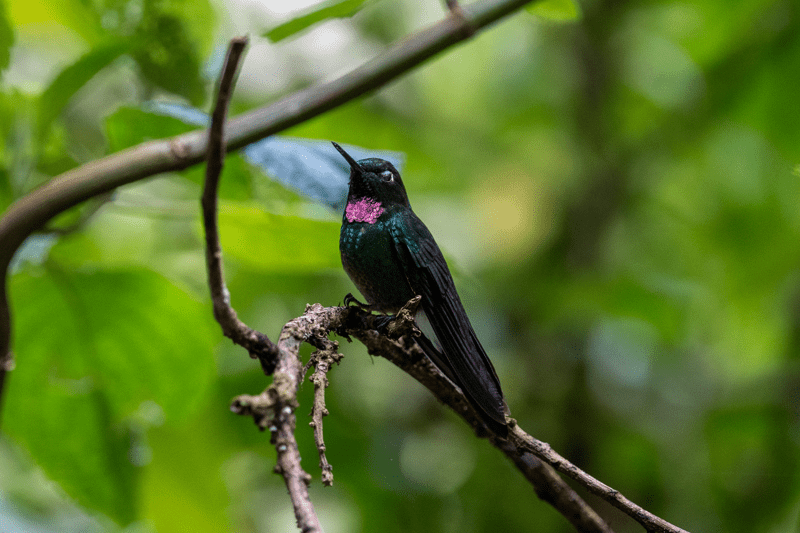
Tourmaline Sunangel
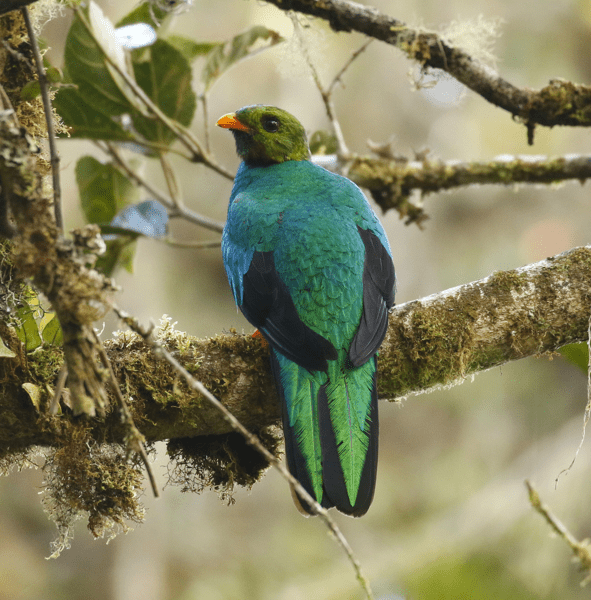
Golden-headed Quetzal
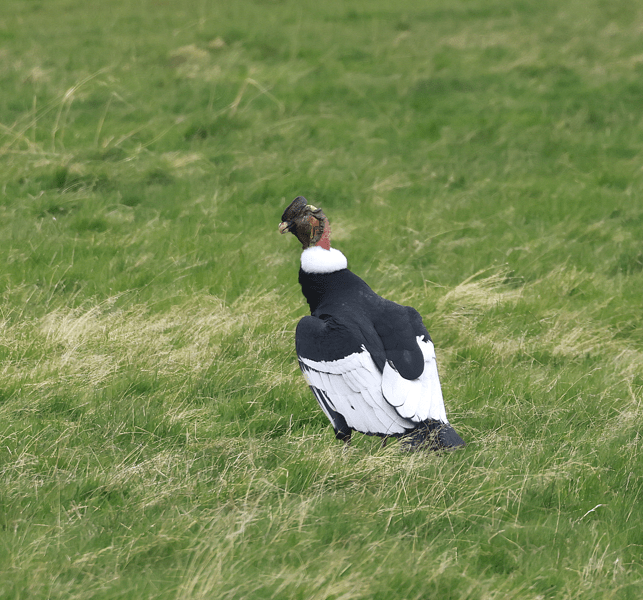
Andean Condor
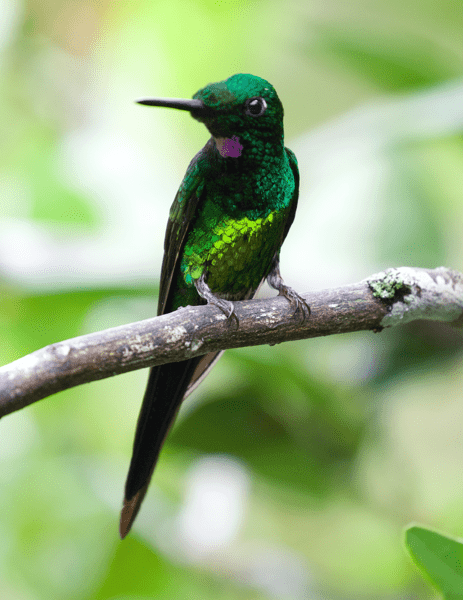
Empress Brilliant
Red-headed Barbet
Leader
+ Local Leader
David Ascanio
Primary Leader
Veteran Venezuelan birder and field guide author celebrated for his bird vocalization expertise and decades of leadership throughout the Neotropics.
Read MoreItinerary
Click here to download the 2026 itinerary PDF
Day 1
Arrival to Cali, located in the valley of the Cauca River. Transfer to Eco Hotel Hacienda El Diamante.
An active native bamboo farm surrounded by farmland and patches of tropical humid forest perfect for an easy stroll.
Bird feeders in the vicinity allow optional birding for Crimson-backed Tanager, Flame-rumped Tanager and Spot-breasted Woodpecker.
Day 2
Optional early birding in the hotel gardens before ascending driving to the Laguna Sonso.
Enjoy flocks of Spectacled Parrotlet and waterbirds in Sonso. Start hummingbird experience in La Huerta with 7+ species.
Afternoon arrival to our cozy La Huerta sustainable farm.
Day 3
Morning birding Cañón del Río Bravo surrounded by premontane humid forest packed with tree ferns, epiphytes, orchids and mossed-covered trunks.
Enjoy amazing tanagers such as Golden and Rufous-throated plus hummingbirds such as White-booted Racket-tail and restricted distribution birds as Yellow-breasted Antwren.
Afternoon leisure birding at the La Huerta Hotel bird feeders.
Day 4
Morning birding in a rain shadow location packed with thorny scrub and cacti to look for Ruby-topaz Hummingbird. Also, endemic Apical Flycatcher and restricted distribution Orange-crowned Euphonia.
Lunch in restaurant famous for its hummingbird feeders.
Evening in Araucana Lodge paradisaic bird feeders.
Day 5
Optional pre breakfast birding around Araucana Lodge gardens.
Full morning and lunch in la Minga Ecolodge. Key site for impressive Multicolored Tanager along with Saffron-crowned, Golden-naped, Blue-winged Mountain-Tanager. Also, great opportunity to boost your hummingbird list.
Afternoon optional birding in the gardens of Araucana Lodge.
Day 6
Search for elusive cloud forest specialties at La Florida, including Chestnut Wood-Quail and White-throated Quail-Dove.
Watch colorful flocks of tanagers and parakeets along forest-edge roads in the Western Andes.
Spend the afternoon at Bosque de Niebla, a hummingbird-filled paradise offering superb photography opportunities.
Day 7
Visit the renowned Doña Dora feeders for dazzling hummingbirds, tanagers, and the spectacular Toucan Barbet.
Enjoy close views of specialties such as Empress Brilliant, Rufous-gaped Hillstar, and White-necked Jacobin.
Explore the lush Anchicayá slope, combining exceptional birding with some of the Western Andes’ most beautiful scenery.
Day 8
Take morning transfers to the airport for homeward flights.
An optional extra night is available for those wishing to enjoy the hotel gardens and trails.
What’s Included
Accommodations & Dining
Settle into comfortable accommodations with modern amenities. Enjoy freshly prepared meals that highlight local flavors and international favorites, with consideration for any dietary needs.
Guided Services & Gratuities
Experience each destination with the help of Leaders who share history, culture, and wildlife insights. Gratuities for crew and local guides are included, ensuring seamless service without extra concerns; tipping for your Leaders is discretionary and not included.
Active Essentials
Every tour includes the core elements that make our field experiences possible so you can stay engaged with a range of activities. All outings include the necessary equipment and full safety support, making it easy to join at your own pace.
Transportation & Logistics
We coordinate every transfer, from airport pickup to port boarding. Whether traveling by bus, boat, or charter, our team ensures smooth connections and stress-free travel.
FAQs
Similar Trips
Loading calendar...