

Difficulty
HUMMINGBIRDS, ANTPITTAS & TANAGERS OF THE CHOCÓ-ANDEAN SLOPES
Ecuador: Avian Jewels of the Northwest Andes
Ecuador’s Chocó-Andean region is a living masterpiece of biodiversity—where hummingbirds flash through mist-draped forests and antpittas emerge from the shadows. Based at two comfortable lodges, this weeklong journey explores one of Earth’s richest birding corridors, from elfin forest above 11,000 feet to lush lowland jungle below. Along the slopes of Volcán Pichincha, we’ll encounter radiant species such as Plate-billed Mountain-Toucan, Toucan Barbet, and the near-mythical Long-wattled Umbrellabird. Feeders alive with color, dawn leks of Andean Cock-of-the-rock, and close encounters with wild antpittas make this an unforgettable immersion into the heart of Ecuador’s famed western Andes.
Tour Overview
Nov 8–Nov 17, 2026
Nov 7–Nov 16, 2027
Nov 5–Nov 14, 2028
Few places on Earth match the avian richness and accessibility of Ecuador’s Chocó-Andean bioregion. Stretching just 50 miles west of Quito, these verdant slopes harbor more than 500 bird species, many found nowhere else. Here, the world’s greatest hummingbird and antpitta spectacles unfold amid a landscape of moss-draped trees, waterfalls, and orchids.
We begin high on the flanks of Volcán Pichincha at the Yanacocha Reserve, where elfin forest and flower-filled ravines host glittering jewels like Sword-billed Hummingbird, Great Sapphirewing, and Black-breasted Puffleg. Continuing downslope along the famed “Paseo del Quinde” Ecoroute, we descend through cloud forest alive with mixed flocks of mountain-tanagers, flycatchers, and flowerpiercers.
Our home base, Séptimo Paraíso Cloud Forest Reserve, offers extraordinary birding and easy access to renowned hotspots—Refugio Paz de las Aves (home of the legendary “antpitta show”), Milpe Bird Sanctuary, Amagusa-Mashpi Reserve, and the foothill forests of Mindo. Hummingbird feeders buzz with more than 30 species, while fruit trays attract a parade of colorful tanagers and barbets. Nearby, Andean Cock-of-the-rock display at dawn, and the haunting calls of Giant and Moustached Antpittas echo through the mist.
From our second lodge, Kapari Nature Lodge in the lower Valle Hermosa, we’ll explore Río Silanche Bird Sanctuary and adjacent forests for Pacific lowland specialties—Long-wattled Umbrellabird, Rufous-fronted Wood-Quail, Orange-fronted Barbet, Purple-chested Hummingbird, and Scarlet-browed Tanager among them.
With two luxurious lodges, short travel days, and remarkable photographic access, this tour delivers the best of Ecuadorian birding—from high Andean ridges to emerald rainforest below—where every dawn promises another kaleidoscope of wings and color.
Ecosystems Experienced
A continuous gradient of montane and subtropical habitats—from high elfin woodland through temperate and subtropical cloud forest to lowland rainforest—creates one of the planet’s most species-dense bird corridors.
Expected Climate
Temperature
Cool mornings in the mountains (45–65°F / 7–18°C); warm and humid afternoons at lower elevations (70–85°F / 21–29°C).
Rainfall
Light mist or rain possible at any time in the cloud forest; occasional heavier showers at lower elevations, often followed by bright, clear conditions.
Seasons
November offers mild weather and active birdlife, with peak hummingbird and antpitta activity in the Chocó-Andean forests.
Previous Field Reports
Key Species
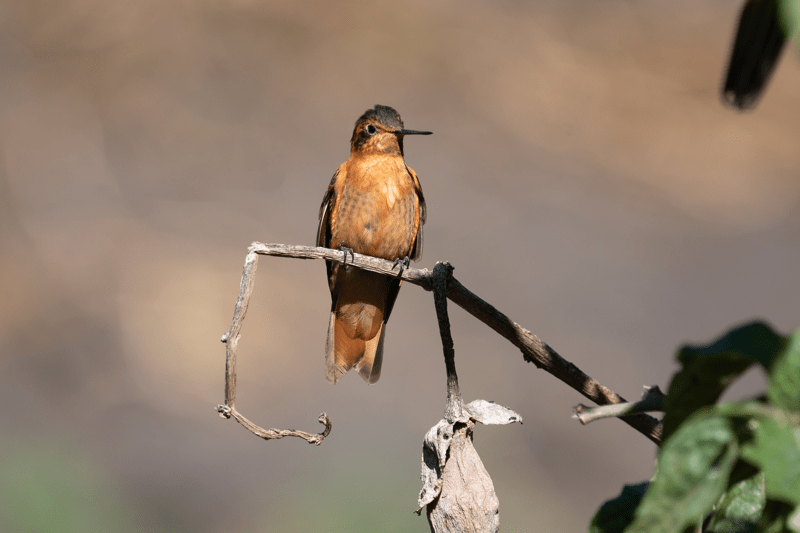
Shining Sunbeam
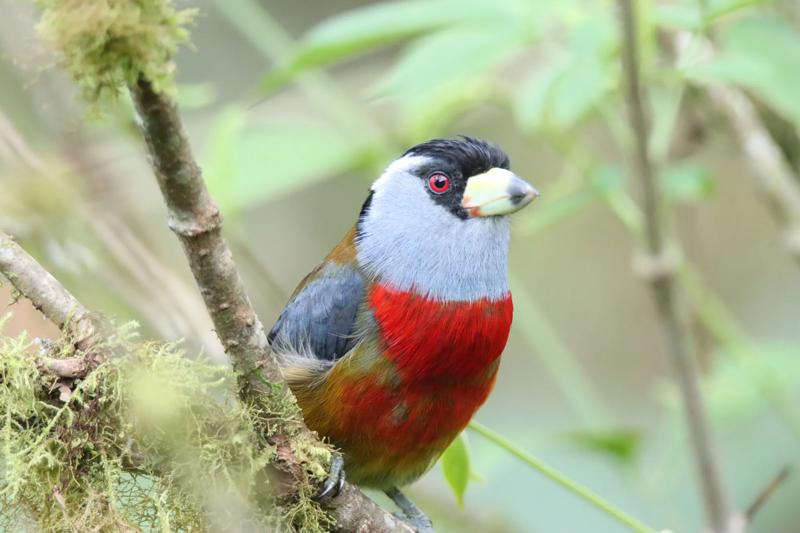
Toucan Barbet
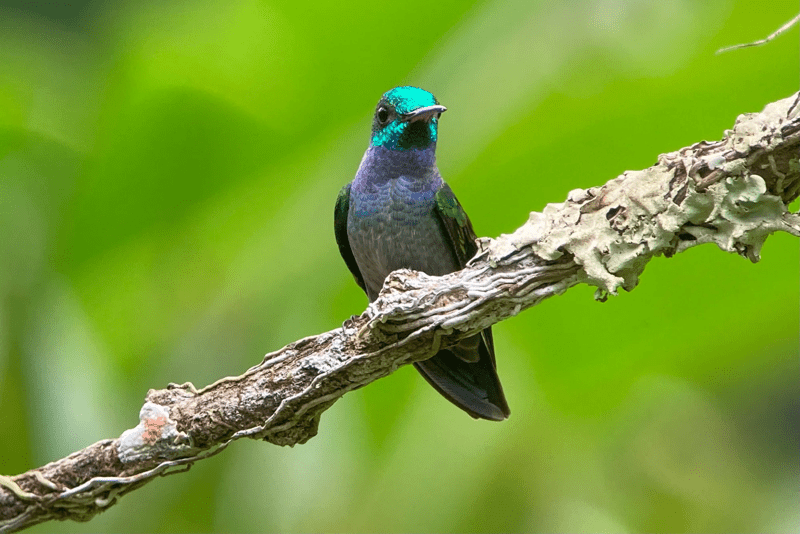
Blue-chested Hummingbird
Plate-billed Mountain-toucan
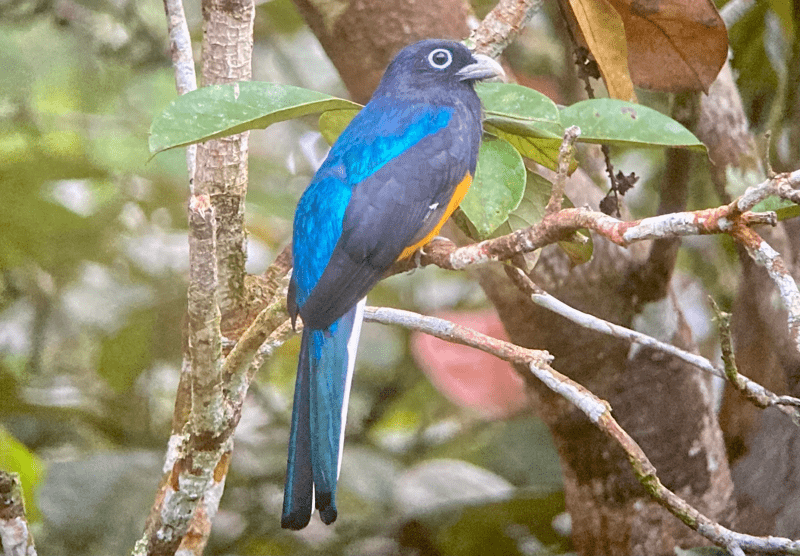
White-tailed Trogon
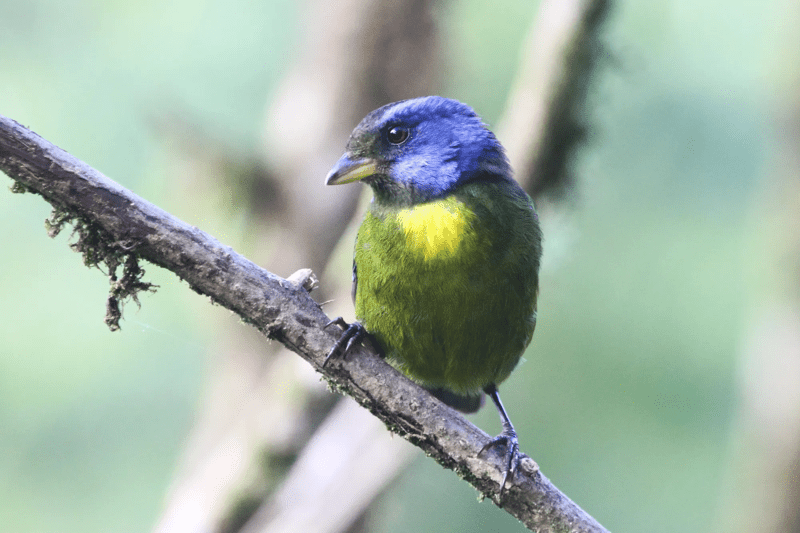
Moss-backed Tanager
Leader
Paul Greenfield
Primary Leader
Renowned artist, author, and conservationist whose five decades in Ecuador have shaped global understanding of the country’s birds through art, research, and ecotourism.
Read MoreRemigio Grefa
Remigio “Remi” Grefa grew up in the Kichwa community of Añangu along Ecuador’s Napo River, where his love of birds and the rainforest began. Rising through every role at the Napo Wildlife Center, he gained hands-on experience that shaped him into a skilled birding and naturalist guide. Remi now leads tours with expertise, enthusiasm, and deep connection to the Amazon.
Itinerary
Click here to download the 2026 itinerary PDF
Day 1
Evening arrival in Ecuador’s capital, Quito, and transfer to our comfortable hotel. (Note: We recommend an early arrival for acclimatization and sightseeing in Quito.)
Day 2
Early departure for the high Andes above Quito in the Yanacocha Reserve & “Paseo del Quinde” Ecoroute.
Seek Black-breasted Puffleg, Sword-billed Hummingbird, and Great Sapphirewing among mossy elfin forest.
Bird gradually downslope through cloud forest alive with tanagers, woodcreepers, and trogons.
Stay overnight at Séptimo Paraíso, our base for the next several nights.
Day 3
Explore the Mindo region (Séptimo Paraíso, Mindo Valley & Surroundings), visiting Milpe Bird Sanctuary, Mashpi-Amagusa Reserve, and the famed Refugio Paz de las Aves.
Witness the “antpitta show,” where Giant, Moustached, and Yellow-breasted Antpittas approach for unparalleled close-ups.
Dawn visit to an Andean Cock-of-the-rock lek.
Photograph dazzling hummingbirds—Violet-tailed Sylph, Velvet-purple Coronet, and Empress Brilliant—right at the feeders.
Day 4
Continue exploring the Mindo region where a new day brings fresh encounters and unexpected highlights.
Day 5
Enjoy another enriching day in the Mindo region under expertly guided exploration, with new experiences designed to deepen your connection to this area while offering distinctive rewards.
Day 6
Revel in morning birding for Chocó endemics including Orange-breasted Fruiteater, Moss-backed Tanager, and Indigo Flowerpiercer at the Mashpi-Amagusa Reserve.
Take an afternoon transfer to Kapari Lodge, a serene retreat at lower elevation.
Day 7
Explore the lowland forests of Río Silanche Bird Sanctuary for Lanceolated Monklet, Barred Puffbird, Blue-whiskered Tanager, and Scarlet-breasted Dacnis.
Watch Scarlet-browed Tanager, Purple-chested Hummingbird, and Orange-fronted Barbet in the canopy.
Return to the Kapari Lodge for relaxed birding around the lodge gardens and feeders.
Day 8
Explore the lowland forests of Río Silanche Bird Sanctuary for Lanceolated Monklet, Barred Puffbird, Blue-whiskered Tanager, and Scarlet-breasted Dacnis..
Watch Scarlet-browed Tanager, Purple-chested Hummingbird, and Orange-fronted Barbet in the canopy.
Return to the Kapari Lodge for relaxed birding around the lodge gardens and feeders.
Day 9
Visit Alambi Lodge’s famous feeders for a final hummingbird spectacle—up to 15 species possible.
Visit Marak Sacha for White-bellied Woodstar, Red-crested Cotinga, Golden Grosbeak, Blue-capped Tanager, and Hooded Mountain-Tanager.
Late afternoon return to Quito for farewell dinner.
Day 10
Take morning transfers to the airport for international departures.
What’s Included
Accommodations & Dining
Settle into comfortable accommodations with modern amenities. Enjoy freshly prepared meals that highlight local flavors and international favorites, with consideration for any dietary needs.
Guided Services & Gratuities
Experience each destination with the help of Leaders who share history, culture, and wildlife insights. Gratuities for crew and local guides are included, ensuring seamless service without extra concerns; tipping for your Leaders is discretionary and not included.
Active Essentials
Every tour includes the core elements that make our field experiences possible so you can stay engaged with a range of activities. All outings include the necessary equipment and full safety support, making it easy to join at your own pace.
Transportation & Logistics
We coordinate every transfer, from airport pickup to port boarding. Whether traveling by bus, boat, or charter, our team ensures smooth connections and stress-free travel.
FAQs
Similar Trips
Limited Space Available
Online booking is now closed for this departure, but space may still be available. Please call our office at 512-328-5221 so we may assist you directly.
Departure Dates No Longer Available Online
- Nov 8–Nov 17, 2026
Loading calendar...