

Difficulty
SHORES, TUNDRA & SIBERIAN WANDERERS
Grand Alaska Part II: Nome Pre-Trip
Western Alaska’s Nome region offers a rare blend of Bering Sea specialties, sweeping tundra scenery, and near-mythical birds at the edge of two continents. For four full days, we explore the wild Seward Peninsula in search of Bristle-thighed Curlew, Bluethroat, Aleutian Tern, Arctic Warbler, and a vibrant cast of breeding shorebirds in full display. Long-tailed Jaegers wheel over coastal flats, Bar-tailed Godwits call from tundra hummocks, and Gyrfalcons survey the hills. Mammal encounters—Musk Ox, Moose, and Grizzly Bear—add to the frontier atmosphere. This short but exhilarating program is the perfect complement to Grand Alaska Part II.
Tour Overview
At the far western edge of the continent, where North America leans toward Siberia, Nome offers one of Alaska’s richest and most exhilarating birding experiences. The Seward Peninsula’s open tundra, willowed drainages, coastal lagoons, and rolling foothills create a vast mosaic of breeding habitats alive with birds displaying, nesting, and defending territories at the height of the Arctic spring.
Our four full days in Nome focus on three legendary roads—Council, Kougarok, and Teller—each providing a window into this remarkable frontier. Along these routes, Bar-tailed Godwits cry sharply from the tundra, Eastern Yellow Wagtails flutter above sedge meadows, and Arctic Warblers sing insistently from willow tangles. Aleutian Terns thread the edges of Safety Lagoon, Long-tailed Jaegers patrol wide-open country, and Willow and Rock ptarmigan often forage calmly at roadside. Bluethroats, among the most extraordinary of Nome’s breeders, may erupt into sky-dancing display flights against lingering patches of snow.
A special effort is made to search for the elusive Bristle-thighed Curlew—a species birders dream about—while always keeping an eye out for Old World surprises. Nome’s position along the Bering Sea Strait brings with it the possibility of Siberian vagrants, from Red-necked Stint and Slaty-backed Gull to occasional showstoppers like Whooper Swan or Ivory Gull. The shorebird spectacle alone is unforgettable, with Red-necked Phalaropes spinning on tundra pools and golden-plovers shimmering in the low light.
Mammal viewing is equally rewarding. Musk Ox herds roam the hillsides, Moose graze along riparian stretches, and Grizzly Bears may appear on distant slopes. Through it all, the immense, windswept beauty of the Seward Peninsula forms a backdrop as dramatic as the wildlife itself.
Ecosystems Experienced
The Nome region spans a sweeping Arctic landscape where coastal lagoons meet vast tundra plateaus and braided rivers lace through willow-filled valleys. Safety Sound and nearby shorelines nurture loons, phalaropes, terns, and migrating waterfowl. Inland, the open tundra supports nesting shorebirds, ptarmigan, jaegers, and iconic Eurasian-influenced breeders like Bluethroat and Eastern Yellow Wagtail. Willow thickets host Arctic Warblers, Redpolls, and Northern Shrikes, while rocky hills harbor Gyrfalcons and raptors surveying the immense terrain. Musk Ox, Moose, and occasional Grizzly Bears roam freely across this wild frontier. Nome’s ecosystems blend Arctic, sub-Arctic, and Old World elements into one of North America’s most distinctive birding environments.
Expected Climate
Temperature
Late spring and early summer are cool and variable, with daytime highs typically in the mid-40s to mid-50s °F and colder nights often dipping into the 30s. Higher tundra elevations can feel substantially colder, especially when breezy or overcast.
Rainfall
Fog, drizzle, and light rain are common atmospheric companions on the Seward Peninsula, though sunny spells can occur between passing systems. Moisture tends to arrive in short, shifting bursts rather than prolonged storms.
Seasons
This is Arctic spring in full motion: continuous daylight, newly thawed tundra, displaying shorebirds, and long foraging hours for both birds and mammals. Vegetation is just beginning to green, snow patches linger at elevation, and wildlife activity is at its annual peak.
Key Species
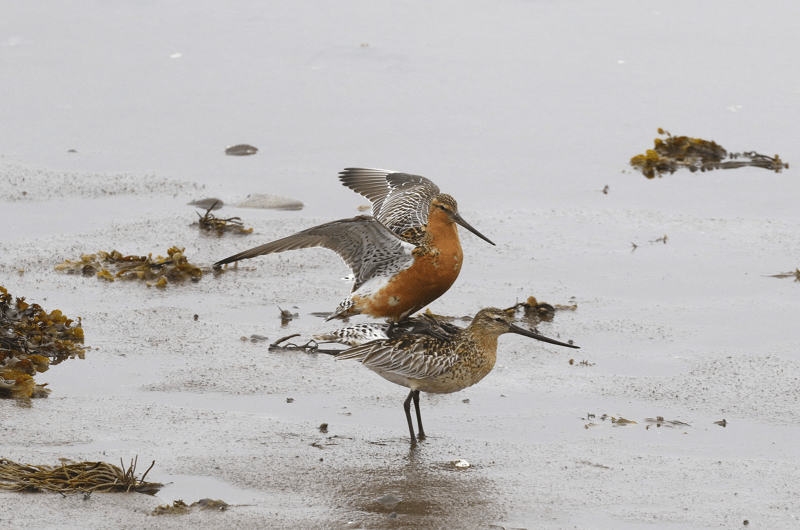
Bar-tailed Godwit
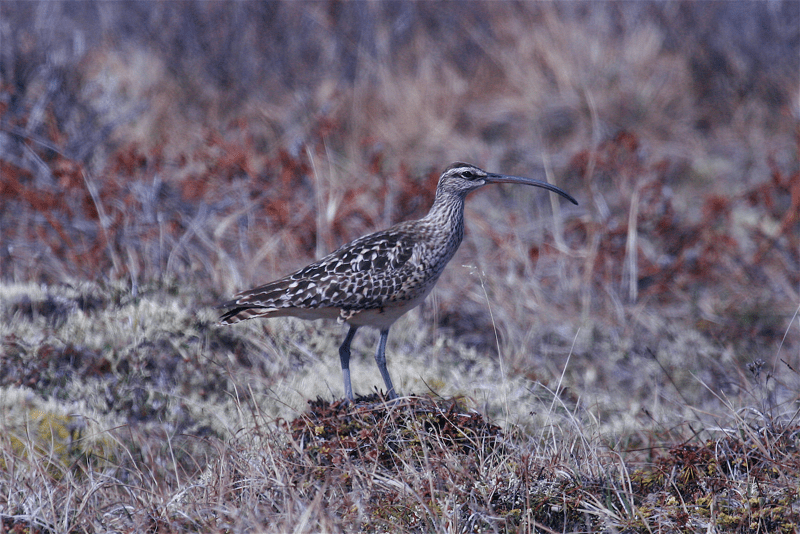
Bristle-thighed Curlew
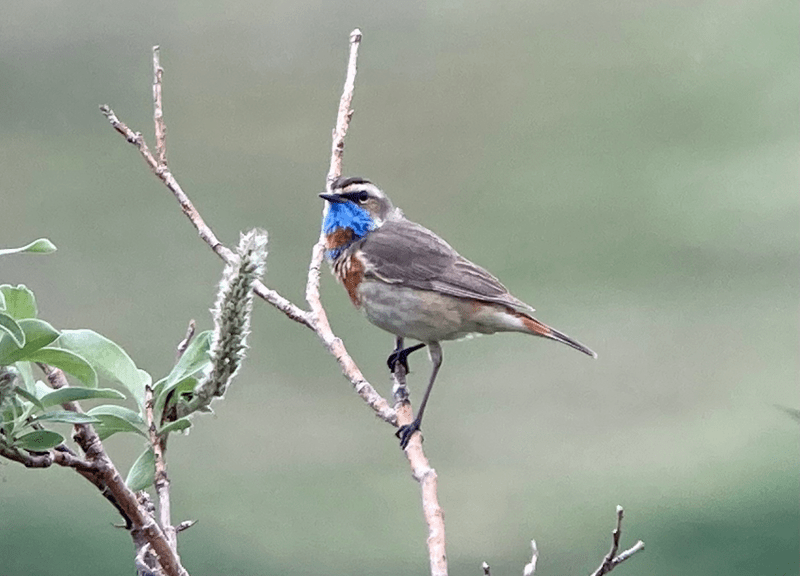
Bluethroat
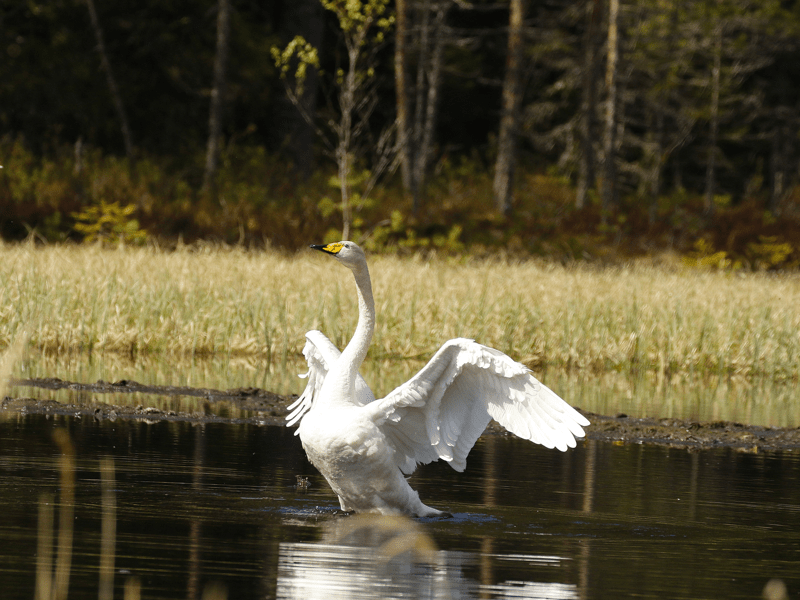
Whooper Swan
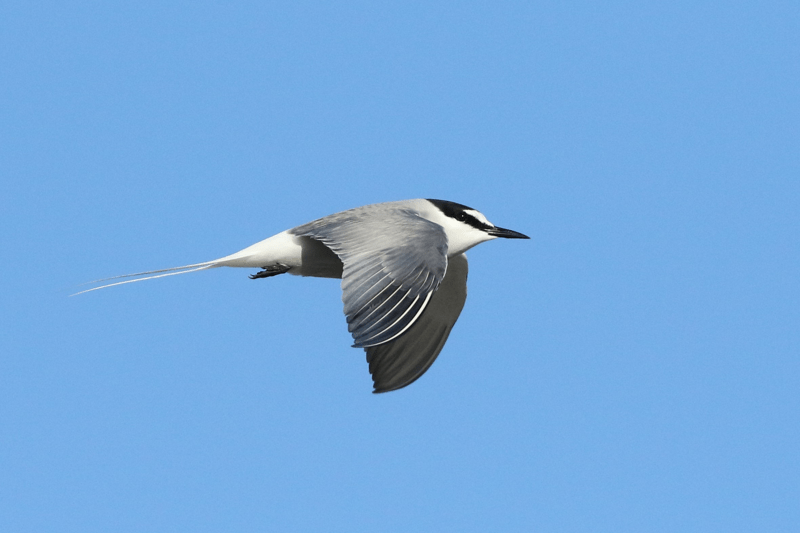
Aleutian Tern
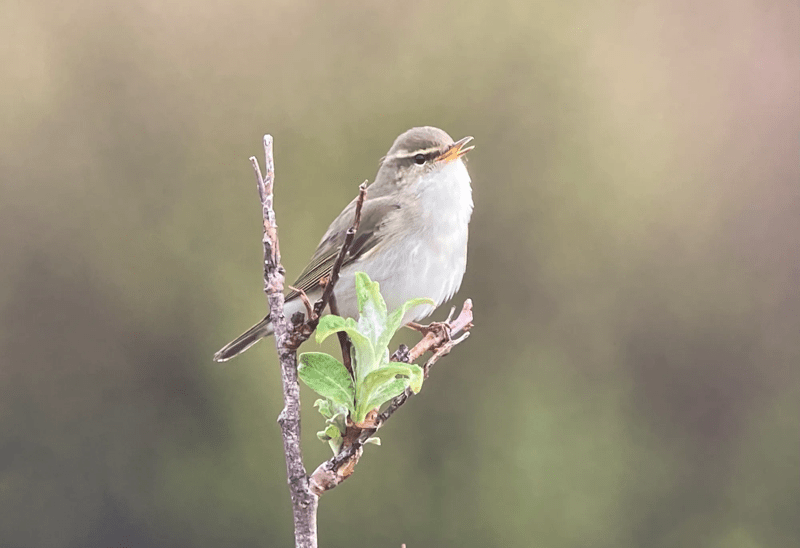
Arctic Warbler
Leaders
Barry Zimmer
Primary Leader
Veteran birder, author, and photographer with global experience, deep expertise in North and Central American birds, and a lifelong passion for documenting the natural world.
Read MoreErik Bruhnke
Naturalist, guide, and raptor specialist known for his field research, migration counts, award-winning photography, and infectious enthusiasm for sharing the joy of birding.
Read MoreItinerary
Day 1
Settle into the hotel, meet your leaders, and enjoy a welcome dinner while previewing the days ahead.
Optional evening birding offers an introduction to Alaska’s boreal specialties in nearby green spaces.
Day 2
Search for Nome’s signature species, including Bluethroat, Bristle-thighed Curlew, Arctic Warbler, Aleutian Tern, Bar-tailed Godwit, Long-tailed Jaeger, ptarmigan, and a rich mix of breeding shorebirds.
Scan hillsides, wetlands, and tundra flats for Musk Ox, Moose, and other northern mammals, all against the sweeping vistas of the Seward Peninsula’s wild frontier.
Day 3
Search for Nome’s signature species, including Bluethroat, Bristle-thighed Curlew, Arctic Warbler, Aleutian Tern, Bar-tailed Godwit, Long-tailed Jaeger, ptarmigan, and a rich mix of breeding shorebirds.
Scan hillsides, wetlands, and tundra flats for Musk Ox, Moose, and other northern mammals, all against the sweeping vistas of the Seward Peninsula’s wild frontier.
Day 4
Search for Nome’s signature species, including Bluethroat, Bristle-thighed Curlew, Arctic Warbler, Aleutian Tern, Bar-tailed Godwit, Long-tailed Jaeger, ptarmigan, and a rich mix of breeding shorebirds.
Scan hillsides, wetlands, and tundra flats for Musk Ox, Moose, and other northern mammals, all against the sweeping vistas of the Seward Peninsula’s wild frontier.
Day 5
Search for Nome’s signature species, including Bluethroat, Bristle-thighed Curlew, Arctic Warbler, Aleutian Tern, Bar-tailed Godwit, Long-tailed Jaeger, ptarmigan, and a rich mix of breeding shorebirds.
Scan hillsides, wetlands, and tundra flats for Musk Ox, Moose, and other northern mammals, all against the sweeping vistas of the Seward Peninsula’s wild frontier.
Day 6
Final morning birding near Nome for any missed species or last photographic opportunities.
Afternoon flight to Anchorage, where the tour ends—or continue onward with Grand Alaska Part II.
What’s Included
Accommodations & Dining
Settle into comfortable accommodations with modern amenities. Enjoy freshly prepared meals that highlight local flavors and international favorites, with consideration for any dietary needs.
Guided Services & Gratuities
Experience each destination with the help of Leaders who share history, culture, and wildlife insights. Gratuities for crew and local guides are included, ensuring seamless service without extra concerns; tipping for your Leaders is discretionary and not included.
Active Essentials
Every tour includes the core elements that make our field experiences possible so you can stay engaged with a range of activities. All outings include the necessary equipment and full safety support, making it easy to join at your own pace.
Transportation & Logistics
We coordinate every transfer, from airport pickup to port boarding. Whether traveling by bus, boat, or charter, our team ensures smooth connections and stress-free travel.
FAQs
These trip extensions are thoughtfully crafted to enhance the primary tour and are usually arranged as part of the full itinerary. If you would like to explore booking this extension on its own, we invite you to call our office so we can review availability and discuss the best approach for your plans.
Jun 11–Jun 16, 2027
Open
Jun 11–Jun 16, 2028
Open