

Difficulty
A BIRDS, NATURE & CULTURE TOUR
Grand Australia: Tasmania Extension
Explore the wild heart of Australia’s island state on a journey through Tasmania’s ancient forests, alpine highlands, and coastal wilderness. Over seven unforgettable days, we’ll search for all 12 of Tasmania’s endemic birds—including the striking Green Rosella and elusive Forty-spotted Pardalote—while also encountering wombats, echidnas, and the legendary Tasmanian Devil. From the peaks of Cradle Mountain to the shores of Bruny Island, this trip combines breathtaking scenery with exceptional birding and wildlife encounters. With comfortable accommodations, fine local cuisine, and the clear, cool air of the Southern Ocean, Tasmania offers a pure and pristine taste of the wild.
20 Days left to Register
Tour Overview
Separated from mainland Australia by the Bass Strait, Tasmania feels like a world apart—an island of mountains, rainforests, and rivers where ancient Gondwanan landscapes remain largely untouched. Nearly half of the island is protected in national parks and reserves, providing a refuge for rare birds and mammals found nowhere else on Earth.
This relaxed seven-day adventure explores Tasmania’s extraordinary natural beauty at the height of spring, when wildflowers bloom and birds are at their most active. We’ll begin in Launceston, birding the Tamar River wetlands for Cape Barren Goose, Pink-eared Duck, and the flightless Tasmanian Nativehen. Traveling westward, we’ll look for endemic species such as Green Rosella and Yellow-throated Honeyeater before arriving at Mountain Valley Wilderness Lodge, where Tasmanian Devils and Pademelons emerge at dusk.
At Cradle Mountain–Lake St. Clair National Park, we’ll immerse ourselves in ancient forests and alpine meadows alive with robins, honeyeaters, and currawongs, while nearby clear streams may reveal Platypus or the spiny Short-beaked Echidna. Continuing south through the Central Highlands, we’ll watch for Wedge-tailed Eagle and Musk Duck before reaching Hobart’s historic harbor, our base for exploring southeastern Tasmania.
A highlight of the journey is a full day on Bruny Island, where we’ll seek the endangered Swift Parrot and rare Forty-spotted Pardalote, alongside oystercatchers, Hooded Plovers, and soaring sea eagles. The trip concludes with leisurely birding around Hobart and a farewell dinner showcasing Tasmania’s celebrated seafood and produce.
Blending remarkable wildlife, breathtaking scenery, and easy travel, this journey captures the essence of one of Earth’s last great wilderness islands.
Ecosystems Experienced
Tasmania’s landscapes range from rugged alpine peaks to lush rainforests, windswept coasts, and tranquil wetlands. These varied habitats shelter endemic birds such as the Green Rosella, Scrubtit, and Tasmanian Thornbill, as well as iconic mammals like the Tasmanian Devil, Wombat, and Platypus. The island’s ancient forests and clean, cool air reflect its Gondwanan heritage—a pristine refuge for wildlife and nature lovers alike.
Expected Climate
Temperature
Spring brings cool to mild conditions, with daytime highs around 55–70 °F (13–21 °C) and cooler mornings and evenings. Conditions can shift quickly in the mountains, where mist and sun alternate throughout the day.
Rainfall
Regular light rain and mountain showers are part of Tasmania’s character, keeping its forests lush and rivers flowing clear. Sunny breaks are frequent, and the ever-changing light enhances the island’s vivid greens and blues.
Seasons
October marks the height of Tasmanian spring—an ideal time for birding, flowering plants, and active wildlife, when days are long and the air crisp and fresh.
Key Species
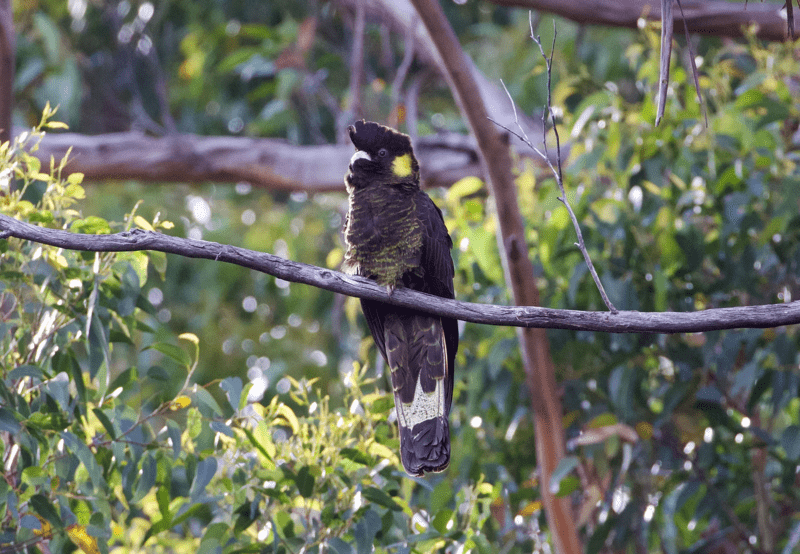
Yellow-tailed Black Cockatoo
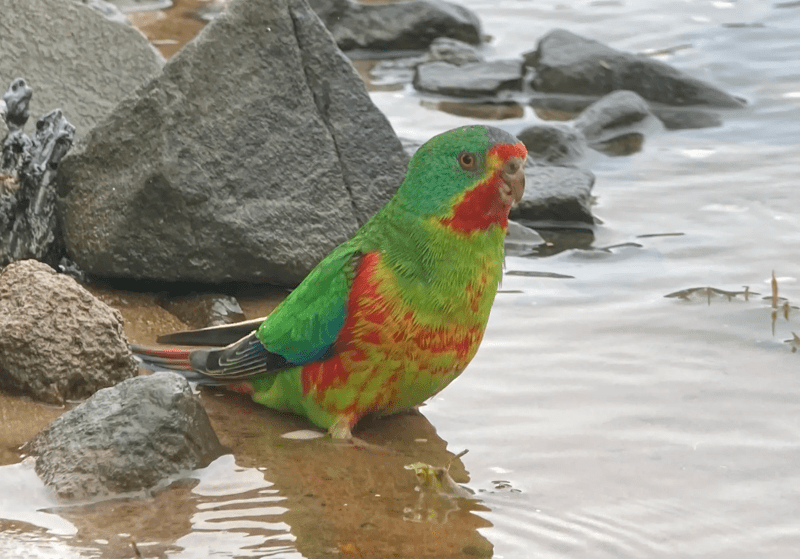
Swift Parrot
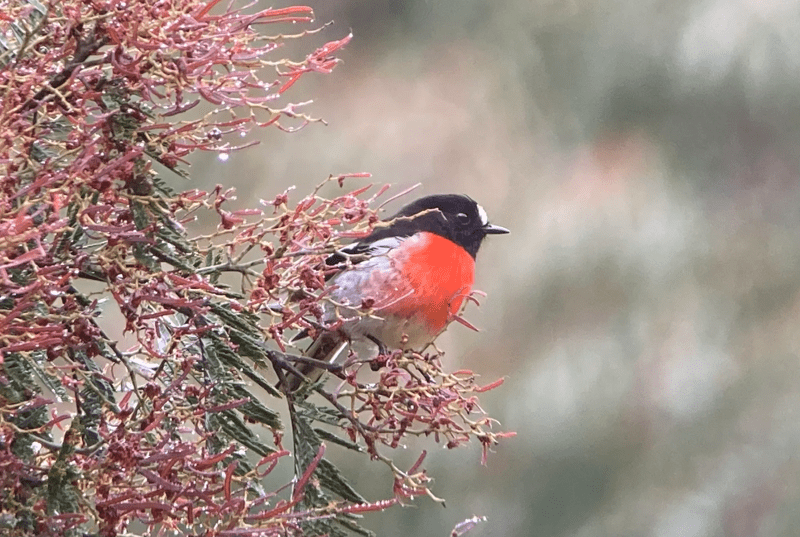
Scarlet Robin
Leader
David James
Primary Leader
Australian birder and ecologist with four decades of experience studying seabirds and wildlife worldwide, and recognized expertise in frigatebird identification and ecology.
Read MoreItinerary
Day 1
Arrive in Launceston and bird the Tamar River wetlands for Cape Barren Goose, Pink-eared Duck, and Tasmanian Nativehen.
Continue westward through rolling farmland and forest, searching for endemic Green Rosella, Dusky Robin, and Yellow-throated Honeyeater.
Settle into rustic log cabins at Mountain Valley Wilderness Lodge and enjoy dinner as Tasmanian Devils, Pademelons, and Possums emerge at dusk.
Day 2
Journey into the alpine heights of Cradle Mountain, surrounded by pristine glacial lakes and rainforest.
Search for endemic Scrubtit, Crescent Honeyeater, Olive Whistler, and the brilliantly colored Flame, Scarlet, and Pink robins.
Watch for Wombats grazing in open meadows and Echidnas along forest paths.
Day 3
Explore forest and heathland trails for Yellow Wattlebird, Dusky Robin, and the elusive Scrubtit.
Visit the Tasmanian Arboretum to see Platypus and Green Rosella.
Travel to the coast for terns, shorebirds, and a twilight viewing of Little Penguins returning from the sea.
Day 4
Drive south through the lake country and past dramatic dolerite peaks.
Stop at wetlands for Banded Lapwing, Musk Duck, and Freckled Duck, and enjoy local hospitality along the way.
Arrive in Hobart and settle into our waterfront hotel overlooking the harbor.
Day 5
Cross by ferry to Bruny Island, home to the endangered Forty-spotted Pardalote and Swift Parrot.
Bird eucalypt forests and windswept beaches for Blue-winged Parrot, Hooded Plover, and Pied and Sooty Oystercatchers.
Scan offshore for albatrosses and sea eagles soaring above the surf.
Day 6
Explore the Hobart region for any species still missing from our list.
Visit Mount Wellington for panoramic views and highland forest birding.
Celebrate the journey with a farewell dinner featuring Tasmania’s renowned seafood and produce.
Day 7
Morning transfer to Hobart Airport for flights to Melbourne or onward connections.
Depart with memories of Tasmania’s wild landscapes and rare endemic birds.
What’s Included
Accommodations & Dining
Settle into comfortable accommodations with modern amenities. Enjoy freshly prepared meals that highlight local flavors and international favorites, with consideration for any dietary needs.
Guided Services & Gratuities
Experience each destination with the help of Leaders who share history, culture, and wildlife insights. Gratuities for crew and local guides are included, ensuring seamless service without extra concerns; tipping for your Leaders is discretionary and not included.
Active Essentials
Every tour includes the core elements that make our field experiences possible so you can stay engaged with a range of activities. All outings include the necessary equipment and full safety support, making it easy to join at your own pace.
Transportation & Logistics
We coordinate every transfer, from airport pickup to port boarding. Whether traveling by bus, boat, or charter, our team ensures smooth connections and stress-free travel.
FAQs
These trip extensions are thoughtfully crafted to enhance the primary tour and are usually arranged as part of the full itinerary. If you would like to explore booking this extension on its own, we invite you to call our office so we can review availability and discuss the best approach for your plans.