


Difficulty
MARA, RIFT & SAMBURU
Magical Kenya: Exotic Birds & Big Game Galore!
Experience the African safari of a lifetime in Kenya, East Africa’s wildlife jewel. This immersive journey combines world class birding with unforgettable big game viewing, focusing on a week in the legendary Masai Mara during the wildebeest migration. Daily safaris reveal prides of Lions, Cheetahs, Leopards, elephants, rhinos, and giraffes, along with 400 plus bird species from turacos, bee eaters, and rollers to weavers, widows, and sandgrouse. We also explore Nairobi National Park, Rift Valley lakes fringed with flamingos, the forested Aberdare Range, and the dry country reserves of Samburu, Buffalo Springs, and Shaba for a spectacular mix of habitats and species.
Tour Overview
Aug 6–Aug 24, 2026
Aug 7–Aug 25, 2027
Kenya is one of the world’s great wildlife destinations, combining spectacular big game with an extraordinarily rich avifauna. This carefully paced itinerary showcases the country’s classic landscapes: the grasslands of the Masai Mara, Rift Valley lakes glowing pink with flamingos, lush forests of the Aberdares, and the rugged, sunlit terrain of Samburu and its neighboring reserves. Throughout, we balance unforgettable mammal encounters with easy yet exciting birding.
We begin around Nairobi National Park, where wild savanna reaches almost to the city skyline. Here, White Rhino, giraffes, zebras, and antelopes share the plains with ostriches, bustards, Secretarybirds, and an impressive variety of raptors and wetland birds. The Mara then takes center stage as we spend nearly a week in the heart of the migration. Vast herds of wildebeest and zebra move across the grasslands, trailed by Lions, Cheetahs, hyenas, and often Leopards. Birdlife is equally dazzling, with crowned cranes, storks, bee eaters, rollers, sunbirds, oxpeckers, and a kaleidoscope of weavers and widowbirds.
The journey continues into the Rift Valley, where lakes Nakuru, Bogoria, and Baringo offer views of pelicans, cormorants, fish eagles, storks, and, when conditions are right, immense concentrations of Lesser Flamingos. A relaxed boat trip on Baringo reveals waterbirds at eye level and introduces shoreline owls and cliff specialists.
Higher, the forests and clearings of the Aberdare Range provide a cooler interlude with mammal viewing at salt licks and the chance for montane forest birds. We finish in Samburu, Buffalo Springs, and Shaba, home to Reticulated Giraffe, Grevy’s Zebra, Gerenuk, Beisa Oryx, and Greater Kudu, plus specialties such as Vulturine Guineafowl, Somali Ostrich, Somali Bee eater, and Kori Bustard. It is an ideal introduction or a thrilling return to East African birding and game viewing.
Ecosystems Experienced
This tour weaves through a remarkable cross section of East African ecosystems. Around Nairobi and the Masai Mara, rolling grasslands, scattered acacias, and riverine thickets create classic savanna, where large herbivores and predators share open plains with bustards, coursers, hornbills, and brightly colored bee eaters.
The Rift Valley sinks away beneath our wheels, revealing alkaline and freshwater lakes edged by reedbeds, fig trees, and scrubby slopes. Here flamingos sift rich shallows, pelicans cruise along shorelines, and fish eagles patrol from tall perches.
Higher in the Aberdare Range, moist montane forest, bamboo belts, and mossy glades shelter forest antelope, monkeys, and a suite of cool climate birds. Farther north, Samburu, Buffalo Springs, and Shaba hold arid woodland and rocky hills dotted with hardy acacias, doum palms, and dry riverbeds that spring to life when seasonal waters flow. This shift from savanna to lake to forest to semi desert delivers constant visual and ecological variety.
Expected Climate
Temperature
Much of the tour unfolds at moderate elevations, giving Kenya’s famous “cool highland” climate. Days are usually pleasantly warm, often in the 70s or low 80s Fahrenheit, ideal for long game drives and birding sessions. Mornings can be crisp, especially in the Aberdare Range or on early starts in the Mara, so light layers are useful.
Afternoons around the Rift Valley lakes feel warm but rarely oppressive, helped by breezes off the water. Samburu and Baringo are typically hotter and drier, producing classic sunlit African scenes. Evenings cool quickly, inviting a sweater or jacket as night sounds build around camp.
Rainfall
This itinerary is planned for a generally dry period, though localized showers can occur. In the Mara and Rift Valley, brief afternoon showers may sweep across the plains, freshening the air and intensifying colors without interrupting the day. Overcast mornings or scattered cloud often make for excellent photographic light.
In the Aberdares, mist or light drizzle is possible in the forest belt, adding atmosphere and encouraging bird activity. Samburu and Baringo tend to be drier, with clear skies dominating and little chance of sustained rain during our stay.
Seasons
We visit during a season of abundance, when grazing is good and the great wildebeest and zebra herds are concentrated in the Mara, drawing predators and scavengers. Grass levels are generally manageable, making both mammals and birds easier to see. Many resident birds are in full plumage, and raptors make the most of the seasonal bounty.
At the lakes, water levels and food availability can create striking gatherings of flamingos and other waterbirds. In the highlands, cooler temperatures and stable weather make forest birding comfortable, while Samburu’s dry landscapes highlight the contrast between riverine oases and surrounding semi desert. It is a time when Kenya’s full ecological richness feels immediately accessible.
Previous Field Reports
Key Species
Secretarybird
Gray Crowned-Crane
Martial Eagle
Saddle-billed Stork
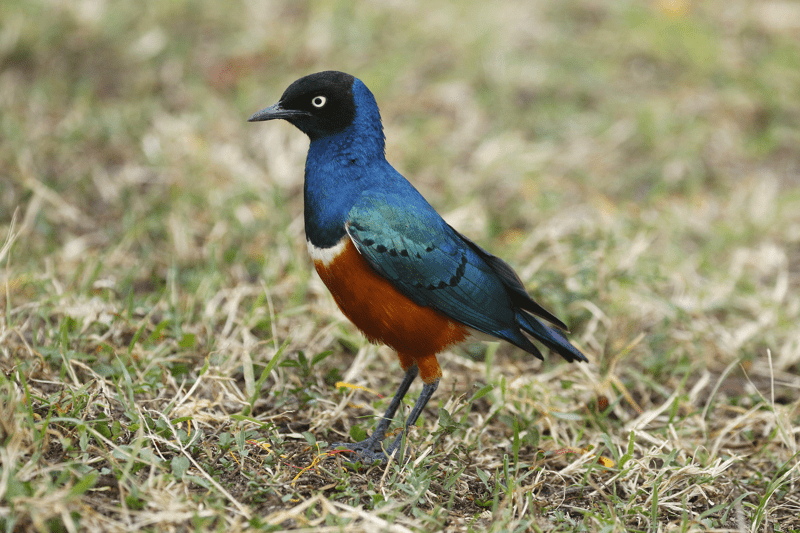
Superb Starling
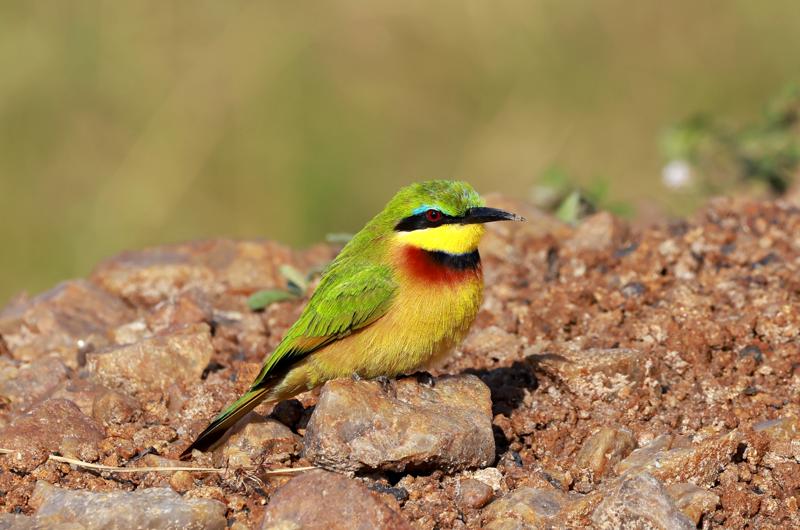
Little Bee-eater
Leader
+ Local Leader
Andrew Whittaker
Primary Leader
Senior VENT leader and Amazonian bird expert with over 30 years of fieldwork, species discoveries, and a contagious passion for wildlife and conservation worldwide.
Read MoreItinerary
Click here to download the itinerary PDF
Day 1
Depart home on overnight flights bound for Kenya, crossing time zones and watching the route arc across continents on the in flight map.
Day 2
Arrive in Nairobi and transfer to a comfortable city base, getting first glimpses of East African light, climate, and skyline.
Depending on arrival time, enjoy relaxed birding on the grounds, where weavers, sunbirds, doves, and wagtails may provide the opening entries on the trip list.
Gather for a welcome briefing and dinner, meeting your leaders and fellow travelers and previewing the route from Nairobi National Park to the Mara, lakes, Aberdares, and Samburu.
Day 3
Spend a full day exploring Nairobi National Park, where giraffes, zebras, antelopes, and White Rhinos share savanna with the distant outline of the city visible beyond.
Scan open plains, wetlands, and acacia stands for ostriches, bustards, Secretarybirds, hornbills, storks, and numerous raptors.
Work reedbeds and pools for herons, ibises, plovers, and kingfishers, gaining a rich introduction to East African birds before returning to the city for the evening.
Day 4
Drive across the highlands and descend into the Great Rift Valley, watching the landscape shift from urban outskirts to farmland, escarpment views, and finally Mara grasslands.
Make birding stops along the way for swallows, larks, pigeons, and raptors circling over fields and scattered trees.
Enter the Masai Mara with time to enjoy an afternoon game drive, often with immediate encounters with wildebeest, zebra, gazelles, and perhaps your first Lions of the trip.
Day 5
Spend unhurried days on safari across the Mara’s rolling plains, river corridors, and acacia dotted ridges, surrounded by herds of wildebeest, zebras, and antelopes in seasonal movement.
Search for big cats as they patrol territories or rest in the shade, and scan riverbanks for crocodiles, hippos, and storks while vultures, eagles, and other raptors cruise overhead.
Between mammal encounters, savor superb birding: bee eaters on exposed perches, rollers flashing color in flight, hornbills commuting between trees, elegant Secretarybirds striding across the plains, and weavers, widowbirds, and starlings brightening the lodge vicinity.
Day 6
Spend unhurried days on safari across the Mara’s rolling plains, river corridors, and acacia dotted ridges, surrounded by herds of wildebeest, zebras, and antelopes in seasonal movement.
Search for big cats as they patrol territories or rest in the shade, and scan riverbanks for crocodiles, hippos, and storks while vultures, eagles, and other raptors cruise overhead.
Between mammal encounters, savor superb birding: bee eaters on exposed perches, rollers flashing color in flight, hornbills commuting between trees, elegant Secretarybirds striding across the plains, and weavers, widowbirds, and starlings brightening the lodge vicinity.
Day 7
Spend unhurried days on safari across the Mara’s rolling plains, river corridors, and acacia dotted ridges, surrounded by herds of wildebeest, zebras, and antelopes in seasonal movement.
Search for big cats as they patrol territories or rest in the shade, and scan riverbanks for crocodiles, hippos, and storks while vultures, eagles, and other raptors cruise overhead.
Between mammal encounters, savor superb birding: bee eaters on exposed perches, rollers flashing color in flight, hornbills commuting between trees, elegant Secretarybirds striding across the plains, and weavers, widowbirds, and starlings brightening the lodge vicinity.
Day 8
Spend unhurried days on safari across the Mara’s rolling plains, river corridors, and acacia dotted ridges, surrounded by herds of wildebeest, zebras, and antelopes in seasonal movement.
Search for big cats as they patrol territories or rest in the shade, and scan riverbanks for crocodiles, hippos, and storks while vultures, eagles, and other raptors cruise overhead.
Between mammal encounters, savor superb birding: bee eaters on exposed perches, rollers flashing color in flight, hornbills commuting between trees, elegant Secretarybirds striding across the plains, and weavers, widowbirds, and starlings brightening the lodge vicinity.
Day 9
Spend unhurried days on safari across the Mara’s rolling plains, river corridors, and acacia dotted ridges, surrounded by herds of wildebeest, zebras, and antelopes in seasonal movement.
Search for big cats as they patrol territories or rest in the shade, and scan riverbanks for crocodiles, hippos, and storks while vultures, eagles, and other raptors cruise overhead.
Between mammal encounters, savor superb birding: bee eaters on exposed perches, rollers flashing color in flight, hornbills commuting between trees, elegant Secretarybirds striding across the plains, and weavers, widowbirds, and starlings brightening the lodge vicinity.
Day 10
Leave the Mara and travel back into the Rift Valley, watching open grassland gradually give way to patchwork farmland and wooded slopes.
Arrive around Lake Nakuru, where alkaline shallows and fringing woodland hold pelicans, cormorants, storks, and often impressive gatherings of flamingos.
Explore the park’s roads and viewpoints for White Rhino, giraffes, and an array of waterbirds and forest edge species that respond to the lake’s rich feeding opportunities.
Day 11
Drive north to Lake Bogoria, where hot springs, steam vents, and mineral rich shallows can attract dense flocks of Lesser Flamingos and other waterbirds along the shoreline.
Continue to Lake Baringo, a freshwater contrast framed by rocky hills, acacia woodland, and reed fringed bays that hold herons, kingfishers, weavers, and fish eagles.
Watch the afternoon light on cliffs and water, noting cliff dwelling species and shoreline birds as the day cools and evening settles over the lake.
Day 12
Take a relaxed boat trip on Lake Baringo, drifting close to pelicans, cormorants, herons, and fish eagles while learning how birds and people share the lake.
Explore shorelines, rocky outcrops, and small inlets for owls, nightjars, coursers, and cliff specialties that favor Baringo’s unique mix of rock, water, and woodland.
Enjoy time to watch the lake’s daily rhythm from land, with opportunities for photography and quieter bird study around camp and nearby trails.
Day 13
Climb away from the Rift Valley toward the forested slopes of the Aberdare Range, feeling the air cool and vegetation shift to montane woodland and bamboo.
Make birding stops along the ascent for highland sunbirds, chats, and seedeaters, as well as changing raptor and swallow communities.
Arrive in the Aberdare region and settle into an environment where salt licks, forest edges, and clearings attract elephants, bushbuck, forest hogs, and a different suite of birds.
Day 14
Spend the day exploring Aberdare habitats, scanning forest roads, clearings, and streams for montane birds, monkeys, and forest antelope.
Watch activity around the lodge’s salt lick or viewing area, where elephants, buffalo, bushbuck, and other mammals come and go through the day and into the night.
Listen for the sounds of the forest after dark, from tree hyrax calls to owl notes, and watch as nocturnal visitors step cautiously into the light.
Day 15
Descend from the cool Aberdares into progressively drier country, watching farms, plantations, and woodland give way to rocky hills, river corridors, and acacia scrub.
Make roadside birding stops as the avifauna shifts toward arid country species, including new larks, doves, hornbills, and starlings.
Enter the Samburu region in time for an afternoon drive, often revealing your first Grevy’s Zebras, Reticulated Giraffes, Gerenuks, and Beisa Oryx in a starkly beautiful semi desert setting.
Day 16
Explore the trio of reserves along the Ewaso Ng’iro River, where palm lined channels contrast with open, thorny plains and rocky hillsides.
Search for Kori Bustard, Vulturine Guineafowl, Somali Ostrich, sandgrouse, hornbills, bee eaters, starlings, and other specialties that define Kenya’s arid north.
Day 17
Explore the trio of reserves along the Ewaso Ng’iro River, where palm lined channels contrast with open, thorny plains and rocky hillsides.
Search for Kori Bustard, Vulturine Guineafowl, Somali Ostrich, sandgrouse, hornbills, bee eaters, starlings, and other specialties that define Kenya’s arid north.
Day 18
Enjoy a final Kenyan morning at leisure, with time for a relaxed breakfast and perhaps a last bit of incidental birding around the grounds.
Transfer to Nairobi’s international airport and check in for flights home, saying farewell to your leaders and travel companions.
What’s Included
Accommodations & Dining
Settle into comfortable accommodations with modern amenities. Enjoy freshly prepared meals that highlight local flavors and international favorites, with consideration for any dietary needs.
Guided Services & Gratuities
Experience each destination with the help of Leaders who share history, culture, and wildlife insights. Gratuities for crew and local guides are included, ensuring seamless service without extra concerns; tipping for your Leaders is discretionary and not included.
Active Essentials
Every tour includes the core elements that make our field experiences possible so you can stay engaged with a range of activities. All outings include the necessary equipment and full safety support, making it easy to join at your own pace.
Transportation & Logistics
We coordinate every transfer, from airport pickup to port boarding. Whether traveling by bus, boat, or charter, our team ensures smooth connections and stress-free travel.
FAQs
Similar Trips
Limited Space Available
Online booking is now closed for this departure, but space may still be available. Please call our office at 512-328-5221 so we may assist you directly.
Departure Dates No Longer Available Online
- Aug 6–Aug 24, 2026
Loading calendar...