

Difficulty
WARBLERS, LAKES & JACK PINES
Midwest Warblers
This focused Midwest birding tour follows the spring migration north through Ohio and Michigan at the exact moment warblers are pouring through the Great Lakes. You begin in the lush hardwoods of Cuyahoga Valley National Park, then move west to the famous boardwalk of Magee Marsh and the wetlands of Ottawa National Wildlife Refuge, where up to 30 warbler species are possible along with thrushes, vireos, flycatchers, and shorebirds. The journey culminates in Michigan’s Lower Peninsula, where young jack pine forests support the endangered Kirtland’s Warbler and an outstanding cast of breeding birds in nearby forests, grasslands, and Great Lakes shorelines.
Advance Booking Notice
This tour is currently open for reservations, though final pricing has not yet been published. Guests may secure a place on the departure by submitting the initial deposit. Full details are available in the FAQs.
Tour Overview
May 16–May 24, 2027
May 21–May 29, 2028
Warblers are among the most beloved birds in North America, and few itineraries showcase them as beautifully as this spring journey through Ohio and Michigan. Timed for the height of migration along the Great Lakes, this tour offers extraordinary chances to see warblers at eye level, often just feet away, while also exploring rich breeding habitats for some of the continent’s most localized species.
Your adventure begins near Cleveland with a full day in Cuyahoga Valley National Park. Here, cool ravines and mixed hardwood forests echo with the songs of Acadian Flycatcher, Wood Thrush, Louisiana Waterthrush, and a vivid mix of Hooded, Prothonotary, Cerulean, and Yellow-throated warblers. From there you follow the pull of Lake Erie west to Maumee Bay State Park and legendary Magee Marsh, widely considered the warbler capital of North America. The narrow lakeside woods and boardwalk concentrate migrants before they cross to Ontario, producing unforgettable views of Cape May, Bay-breasted, Blackburnian, and Mourning warblers, along with thrushes, cuckoos, vireos, orioles, and flocks of shorebirds and waterbirds at nearby Ottawa National Wildlife Refuge.
The second half of the tour shifts to Michigan’s Lower Peninsula. At Waterloo State Recreation Area and Au Sable State Forest you explore mature hardwoods, wetlands, and grasslands rich with Cerulean Warbler, Sedge Wren, Bobolink, and Henslow’s Sparrow. Farther north, vast stretches of young jack pine in Huron-Manistee National Forest provide the essential breeding habitat for Kirtland’s Warbler, your prime target. Nearby boardwalks through boreal forest and the shores of Tawas Point on Lake Huron add Ruffed Grouse, Barred Owl, Canada Warbler, Northern Waterthrush, and migrant shorebirds to an already exceptional Midwest birding experience.
Ecosystems Experienced
This tour moves through a classic Great Lakes mosaic of mature hardwood forest, riparian corridors, marshes, and Great Lakes shorelines, then into the distinctive jack pine barrens of Michigan’s Lower Peninsula. Cuyahoga Valley preserves northern extensions of Appalachian mixed mesophytic forest along the Cuyahoga River. Magee Marsh and Ottawa National Wildlife Refuge sit on the Lake Erie shoreline, where narrow belts of woods, marshes, and managed impoundments act as a funnel for northbound migrants. In Michigan, Waterloo State Recreation Area combines forest, lakes, and grasslands, while the Drift Plains and Northern Lakes and Forest Region features young jack pine, bogs, and boreal forest patches that support Kirtland’s Warbler and a rich assortment of breeding birds.
Expected Climate
Temperature
Spring in the Upper Midwest is generally cool to mild, with comfortable birding conditions most days. Daytime highs typically reach the 60s and low 70s °F, while nights cool into the upper 30s to low 50s °F. Along the Great Lakes, wind direction can strongly influence how it feels. A north wind off Lake Erie or Lake Huron may make mornings feel crisp, especially on boardwalks and open shorelines, while calm, sunny afternoons often feel pleasantly warm. Layering is essential so you can adjust quickly as temperatures change through the day.
Rainfall
May often brings a mix of clear, bright days and passing showers. Light rain or drizzle is certainly possible, especially near the lakes where weather systems can shift quickly. Most precipitation is brief or intermittent rather than prolonged, and many of the best migration days follow a change in weather. A light waterproof jacket, packable umbrella, and footwear suited for damp trails will keep you comfortable while you continue birding through changing conditions.
Seasons
This tour is timed for peak spring migration in the Great Lakes region, when warbler diversity and numbers are at their highest. Fresh spring foliage frames the boardwalk at Magee, forest wildflowers bloom along the Cuyahoga, and song carries through jack pine stands and hardwood ridges. Many migrants are arriving on breeding territories in Michigan while others are still moving north along the lakes. The combination of active migration and newly settled breeders creates a dynamic, bird-filled atmosphere from the first morning to the last.
Previous Field Reports
Key Species
Kirtland's Warbler
Golden-winged Warabler
Sedge Wren
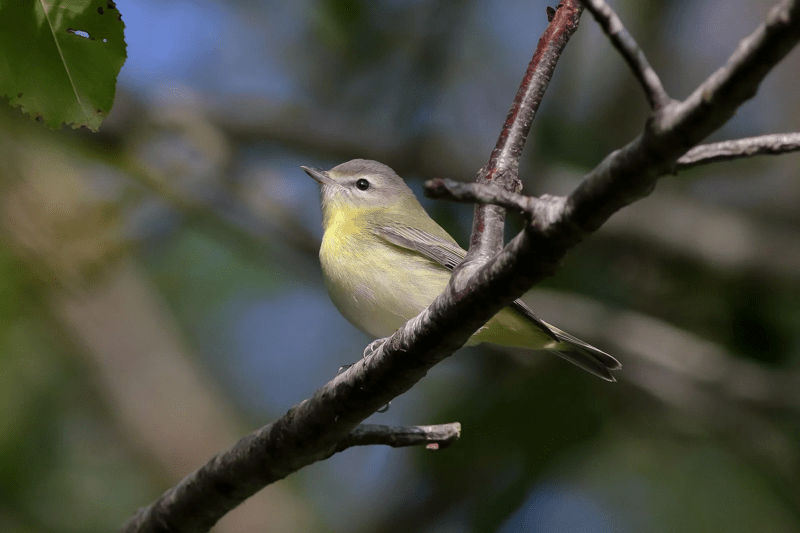
Philadelphia Vireo
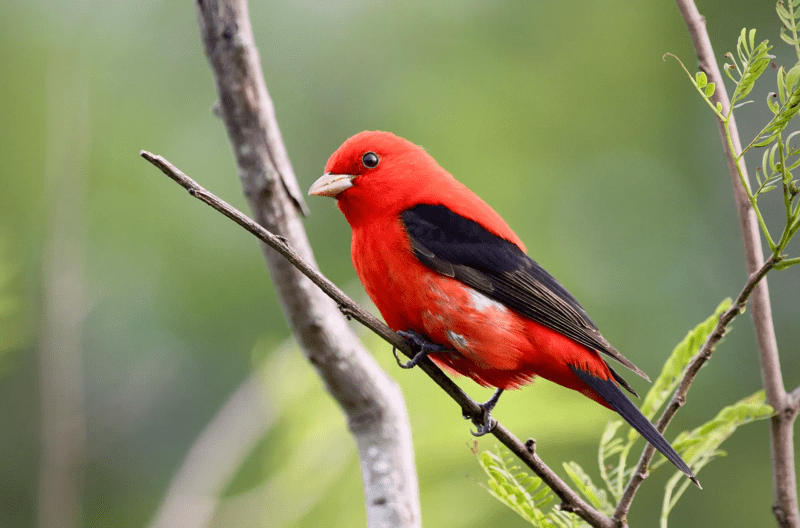
Scarlet Tanager
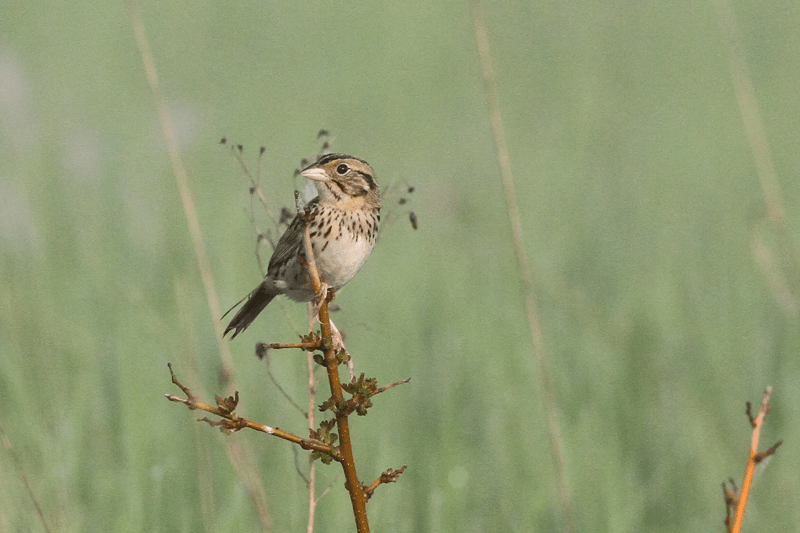
Henslow's Sparrow
Leaders
Michael O’Brien
Primary Leader
Artist, author, and naturalist with expertise in bird vocalizations, migration, and field identification, sharing his passion through illustration, research, and education across the Americas.
Read MoreLouise Zemaitis
Artist and naturalist from Cape May who blends art, teaching, and conservation while inspiring birders of all ages through her creativity and deep love of nature.
Read MoreItinerary
Click here to download the 2027 itinerary PDF
Day 1
Travel and Arrive in Cleveland and settle into the Home2Suites, Cleveland Airport hotel, where your Midwest warbler adventure quietly begins.
Take a short stroll near the hotel, listening for the first songs of Red-winged Blackbird, Song Sparrow, or early migrants in nearby trees.
Meet your guides and fellow travelers in the lobby, reviewing the route from Cuyahoga Valley to Magee Marsh and Michigan’s Kirtland’s Warbler country.
Share a relaxed welcome dinner, previewing target species and learning what makes this region so extraordinary for spring birding.
Day 2
Drive south into Cuyahoga Valley National Park, following the scenic river and canal corridor into rich mixed hardwood forest.
Wander the historic Ohio and Erie Canal Towpath Trail, listening for Wood Thrush, Acadian Flycatcher, and Louisiana Waterthrush along shaded streams.
Scan tall sycamores and hemlock slopes for Hooded, Prothonotary, Cerulean, and Yellow-throated warblers, whose songs carry through the ravines.
Travel west in the afternoon to Maumee Bay State Park on Lake Erie, where evening light and an after-dinner outing may reveal displaying American Woodcock.
Tuck-in for the night at the Maumee Bay State Park Lodge and Conference Center, Oregon, OH.
Day 3
Arrive early at Magee Marsh and step onto the famous boardwalk, immediately surrounded by warbler song in the lakeside woods.
Watch Cape May, Bay-breasted, Blackburnian, Wilson’s, Canada, and Mourning warblers feeding at eye level, often just feet away in the fresh spring foliage.
Explore Ottawa National Wildlife Refuge, driving through rich wetlands for Trumpeter Swan, Sora, Common Gallinule, Sandhill Crane, and flocks of migrant shorebirds.
Walk field edges and forest margins near Ottawa, listening for the sharp, dry song of Henslow’s Sparrow and adding more thrushes, cuckoos, and vireos to the day’s list.
Day 4
Return to Magee Marsh and nearby hotspots for a second look at peak migration, revisiting favorite stretches of boardwalk as new birds pour in overnight.
Check alternative trails and woodlots in the area, comparing the changing mix of warblers and other songbirds from one day to the next.
Spend a final hour at Ottawa National Wildlife Refuge for lingering shorebirds and waterbirds, soaking in wide views of marsh and open water.
Travel west to Ann Arbor, with a targeted stop en route for vivid Red-headed Woodpeckers and other woodland specialties of southern Michigan.
Retreat for the night at the Holiday Inn Express & Suites, Ann Arbor.
Day 5
Begin the day at Waterloo State Recreation Area, walking mature hardwood forest rich with Cerulean, Blue-winged, and Hooded warblers and the steady “teacher” song of Ovenbird.
Stand quietly on forested ridges, watching dappled sunlight and listening for Scarlet Tanager, Wood Thrush, and a chorus of vireos and flycatchers.
Move to nearby grasslands and wet meadows, scanning fence lines and tall stems for Sedge Wren, Bobolink, Eastern Meadowlark, and local Henslow’s Sparrows.
Continue north toward Tawas City in the afternoon, enjoying changing scenery of lakes, farms, and forests that hint at the northern landscapes ahead before checking in to the Tawas Bay Beach Resort, Tawas City.
Day 6
Visit Au Sable State Forest, exploring mixed forest patches where Golden-winged and Mourning warblers nest among openings and regenerating stands.
Follow quiet backroads and trails, listening for the buzzy songs of specialty warblers and learning how forest structure shapes their breeding territories.
Travel into Huron-Manistee National Forest, entering the distinctive landscape of young jack pine that provides essential habitat for Kirtland’s Warbler.
Spend the late afternoon getting oriented to jack pine country, watching for Palm and Nashville warblers, Eastern Towhee, Clay-colored Sparrow, and Vesper Sparrow along sandy tracks.
Day 7
Devote a full morning to Kirtland’s Warbler, visiting managed jack pine stands at the heart of this conservation success story with expert local guidance.
Learn how habitat management and cowbird control brought the species back from the brink, while listening for the rich, ringing song of male Kirtland’s from young pines.
Explore nearby pine barrens and mixed forest, where Palm Warbler, Eastern Towhee, Upland Sandpiper, and other northern breeders enliven sandy clearings and edges.
Walk a boardwalk through boreal forest habitat in the afternoon, searching for Ruffed Grouse, Barred Owl, Blue-headed Vireo, Winter Wren, Canada Warbler, and Northern Waterthrush, with an evening outing for Eastern Whip-poor-will if conditions allow.
Day 8
Visit Tawas Point State Park on Lake Huron, where a narrow peninsula and lakeshore trees often concentrate migrant warblers, thrushes, and late-season surprises.
Scan sandy beaches and shallows for shorebirds, gulls, and terns, watching flocks move along the shoreline against the backdrop of the open lake.
Enjoy a final sampling of lakes, marshes, bogs, and meadows in Michigan’s Lower Peninsula, pausing at rewarding spots discovered during the week.
Travel south toward Detroit in the afternoon, arriving in time for a relaxed evening and reflections on the tour’s best warbler moments.
Spend the night at the Courtyard by Marriott Detroit Metro Airport.
Day 9
Wake for a final Midwest morning and enjoy breakfast at the hotel, with time to organize gear and review checklists.
Step outside for a short stroll around the grounds, listening once more for familiar songs that now carry new associations and memories.
Transfer to Detroit Metro Airport at your convenience in order to travel home.
What’s Included
Accommodations & Dining
Settle into comfortable accommodations with modern amenities. Enjoy freshly prepared meals that highlight local flavors and international favorites, with consideration for any dietary needs.
Guided Services & Gratuities
Experience each destination with the help of Leaders who share history, culture, and wildlife insights. Gratuities for crew and local guides are included, ensuring seamless service without extra concerns; tipping for your Leaders is discretionary and not included.
Active Essentials
Every tour includes the core elements that make our field experiences possible so you can stay engaged with a range of activities. All outings include the necessary equipment and full safety support, making it easy to join at your own pace.
Transportation & Logistics
We coordinate every transfer, from airport pickup to port boarding. Whether traveling by bus, boat, or charter, our team ensures smooth connections and stress-free travel.
FAQs
Similar Trips
Loading calendar...