Difficulty
BOREAL FORESTS AND BOGS
Minnesota's Northwoods
This spring birding tour explores the vast boreal forests, bogs, and rugged Lake Superior shoreline of northeastern Minnesota. Based entirely at a comfortable hotel on the Duluth waterfront, you’ll experience some of the richest breeding habitats in the northern United States. Great Gray Owl, Black-backed Woodpecker, Canada Jay, Boreal Chickadee, and Ruffed Grouse highlight the deep forest, while more than twenty species of breeding warblers—including Connecticut, Mourning, Cape May, Golden-winged, and Canada—fill the woods with song. With easy to moderate walking, excellent food, and access to exceptional boreal landscapes, this relaxed itinerary offers a rewarding Northwoods experience for birders and nature lovers alike.
Starting At
$3,675 per person
6 Days

6 Days
12 Guests

Pace
Tour Overview
May 31–Jun 5, 2027
The boreal forests and wetlands of northeastern Minnesota form one of the most atmospheric birding regions in the country. Known collectively as the Northwoods, this mosaic of spruce bogs, aspen groves, tamarack swamps, alder thickets, and rugged Lake Superior shoreline provides prime breeding habitat for a remarkable suite of northern species. This tour explores these landscapes in late spring, when birdsong carries through the cool morning air and wildflowers brighten forest edges.
Your base for the week is the Hampton Inn Duluth Canal Park, pleasantly situated along the Lake Superior waterfront. With comfortable rooms, excellent dining nearby, and easy access to the region’s best birding, it’s an ideal launching point for your Northwoods adventure. Daily outings include time at the famed Sax–Zim Bog, where Great Gray Owl, Black-backed Woodpecker, Canada Jay, Boreal Chickadee, and Golden-crowned Kinglet enliven stands of spruce and tamarack. Here, Sedge Wren, LeConte’s Sparrow, and Sandhill Crane animate wet meadows, while the elusive Connecticut Warbler sings from deep in black spruce bogs.
Additional days carry you through Lake County, a scenic stretch of Superior National Forest known for Ruffed Grouse, Yellow-bellied Flycatcher, Blue-headed Vireo, Hermit Thrush, and a dazzling array of northern warblers. Mixed flocks move through cool forest interiors, while nearby lakes and streams offer views of Common Loon, Red-breasted Merganser, and other waterbirds.
Along Duluth’s shoreline and at Hawk Ridge, you enjoy stunning vistas of Lake Superior’s vast expanse. Depending on conditions, waterfowl, terns, and late-moving migrants may appear along beaches and river mouths. Throughout the tour, you sample the region’s distinctive cuisine—wild rice, walleye, maple-accented dishes—and experience the relaxed spirit of Minnesota’s Northwoods in early summer.
Ecosystems Experienced
Northern Minnesota holds an impressive blend of boreal forest, spruce–tamarack bog, alder thicket, wet meadow, aspen–birch woodland, and the freshwater coastline of Lake Superior. These habitats support iconic species such as Great Gray Owl, Black-backed Woodpecker, Canada Jay, Boreal Chickadee, and a rich assortment of warblers, flycatchers, and kinglets.
Expected Climate
Temperature
Late spring temperatures vary widely, with mornings in the 40s or 50s F and afternoon highs commonly in the 60s or low 70s. Cool fronts can bring crisp days, while warm spells offer mild, pleasant conditions. Lake Superior often keeps shoreline areas cooler than inland forests.
Rainfall
Scattered rain showers are common, especially in the afternoon. Conditions may shift quickly between sun, clouds, and mist, particularly near the lake. Trails and bog edges can be damp, and waterproof footwear is recommended.
Seasons
Early June marks peak breeding season in the Northwoods. Warblers sing vigorously on territory, grouse display in forest openings, flycatchers call from wet thickets, and boreal residents are active throughout the day. Long daylight hours extend birding opportunities from first light to early evening.
Previous Field Reports
Key Species
Great Gray Owl
Three-toed Woodpecker
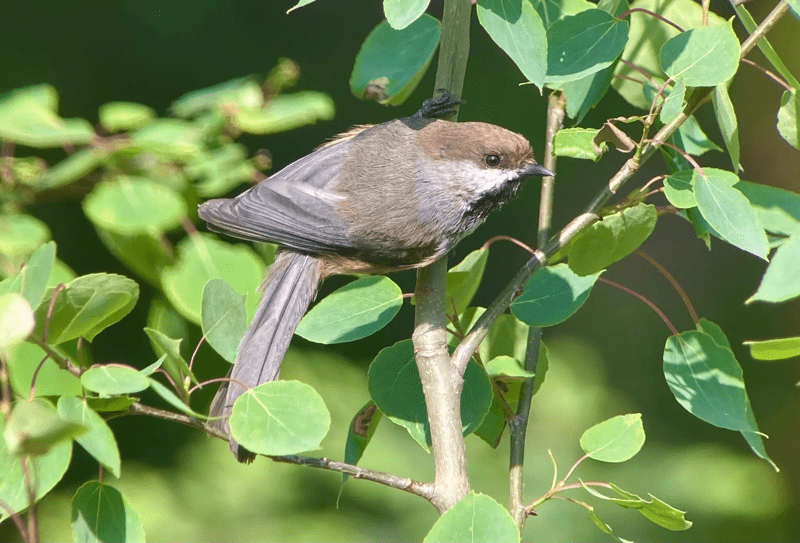
Boreal Chickadee
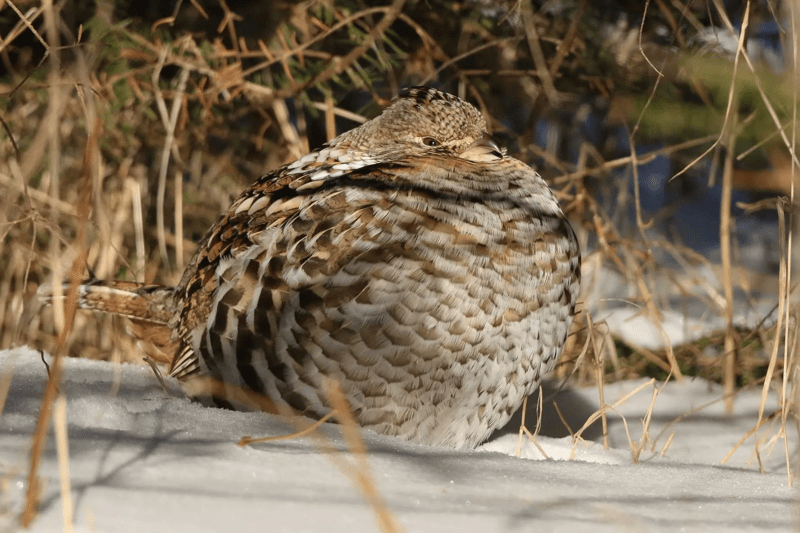
Ruffed Grouse
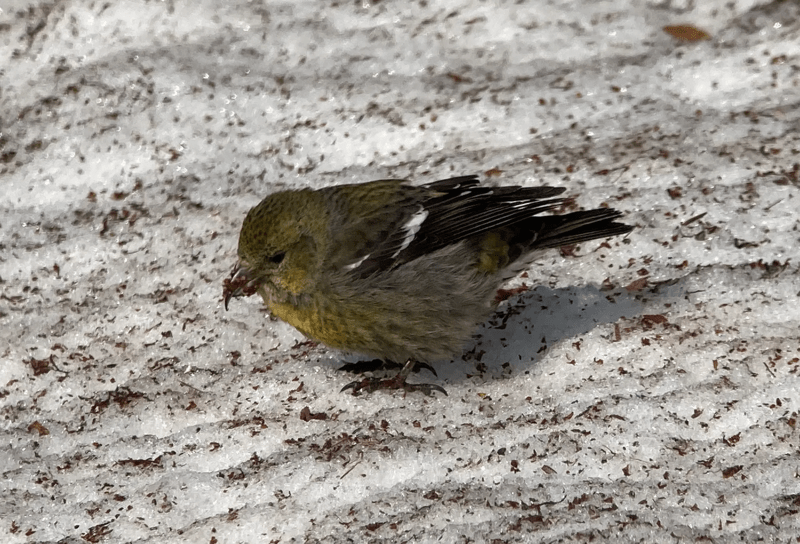
White-winged Crossbill
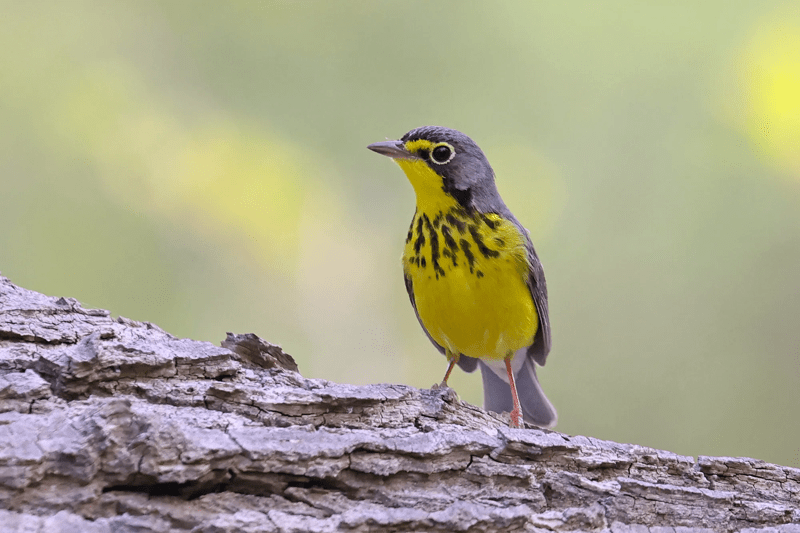
Canada Warbler
Leader
+ Additional VENT Leader
Erik Bruhnke
Primary Leader
Naturalist, guide, and raptor specialist known for his field research, migration counts, award-winning photography, and infectious enthusiasm for sharing the joy of birding.
Read MoreItinerary
Click here to download the 2027 itinerary PDF
Day 1
Travel to and arrive in Duluth and settle into the Hampton Inn Duluth Canal Park, a comfortable base on the scenic Lake Superior shoreline.
Meet your leaders and fellow participants for an orientation and a relaxed introduction to local birding.
Enjoy dinner at a nearby restaurant featuring regional flavors and the first taste of Northwoods hospitality.
Day 2
Wander spruce and tamarack bogs listening for Connecticut Warbler, Golden-crowned Kinglet, Sedge Wren, and the haunting calls of Sandhill Cranes.
Explore alder thickets and aspen stands that support Black-billed Cuckoo, Alder Flycatcher, Mourning Warbler, and breeding sparrows.
Search for boreal specialties including Great Gray Owl, Black-backed Woodpecker, Boreal Chickadee, and Canada Jay.
Day 3
Bird extensive boreal habitat for Ruffed Grouse, Yellow-bellied Flycatcher, Blue-headed Vireo, Hermit Thrush, and calling Winter Wrens.
Follow forested roads and quiet lakeshores for chances at Black-backed Woodpecker, Boreal Chickadee, and a wide variety of breeding warblers.
Watch for Moose, Porcupine, and other northern mammals as you travel through beautiful Superior National Forest.
Day 4
Explore the Lake Superior coastline for Common Loon, Red-breasted Merganser, scoters, migrating terns, and shoreline songbirds.
Visit bluffs, river mouths, and lakeside trails that offer sweeping views and productive habitat for late-moving migrants.
Enjoy lunch and local treats in nearby towns while keeping watch for soaring Bald Eagles and Osprey.
Day 5
Walk trails at Hawk Ridge for forest breeders, scenic overlooks, and opportunities to learn about Duluth’s renowned migration corridor.
Explore nearby woodlands and wetlands for warblers, vireos, flycatchers, and the possibility of an unexpected northern specialty.
Celebrate your final evening with uniquely local cuisine and reflections on the week’s birding.
Day 6
Enjoy a final walk along Lake Superior or a relaxed breakfast at the hotel before trasnfering to the Duluth International Airport for flights home.
What’s Included
Accommodations & Dining
Settle into comfortable accommodations with modern amenities. Enjoy freshly prepared meals that highlight local flavors and international favorites, with consideration for any dietary needs.
Guided Services & Gratuities
Experience each destination with the help of Leaders who share history, culture, and wildlife insights. Gratuities for crew and local guides are included, ensuring seamless service without extra concerns; tipping for your Leaders is discretionary and not included.
Active Essentials
Every tour includes the core elements that make our field experiences possible so you can stay engaged with a range of activities. All outings include the necessary equipment and full safety support, making it easy to join at your own pace.
Transportation & Logistics
We coordinate every transfer, from airport pickup to port boarding. Whether traveling by bus, boat, or charter, our team ensures smooth connections and stress-free travel.
FAQs
Similar Trips
Loading calendar...