

Difficulty
BARRIER ISLANDS & SONGBIRD ARRIVALS
Southern Alabama in Spring: Dauphin Island and Mobile Bay
Mid-April along Alabama’s Gulf Coast delivers one of the most exciting migration spectacles in North America. Each spring, millions of northbound songbirds cross the Gulf of Mexico and make landfall among the beaches, dunes, and maritime forests of Dauphin Island—a Globally Important Bird Area and one of the continent’s finest places to witness migration in dramatic action. Our stay on Dauphin Island puts us in perfect position to observe daily arrivals of flycatchers, warblers, vireos, thrushes, orioles, tanagers, and buntings, as well as shorebirds, marsh birds, and regional specialties. With flexible scheduling based on weather, every day promises fresh movement and discovery.
Tour Overview
Apr 23–Apr 29, 2027
Apr 23–Apr 29, 2028
Spring migration along Alabama’s Gulf Coast is a spectacle defined by movement, timing, and the elemental challenge of crossing the Gulf of Mexico. Each night, countless birds launch northward from the Yucatán and Caribbean basin, riding favorable winds toward the United States. By mid-April, the beaches, forests, and marshes around Dauphin Island receive steady streams of these migrants—sometimes in astonishing numbers when nighttime conditions force birds to land en masse. These “fallouts” can transform the island overnight, filling every thicket, canopy, and open space with dazzling diversity.
Our tour places participants at the heart of this phenomenon. Based entirely on Dauphin Island, we enjoy direct access to its sandy barrier beaches, maritime forests, hardwood hammocks, tidal marshes, and the celebrated Audubon Bird Sanctuary. Each morning begins at a relaxed pace, exploring sites where resident species and early-arriving migrants feed before the midday influx of birds from across the Gulf. When conditions shift—especially with late-night fronts—our flexible schedule ensures we are positioned to witness congregations of warblers, vireos, orioles, tanagers, thrushes, buntings, and flycatchers arriving in numbers that can be both exhilarating and overwhelming.
Beyond migration, the region supports an impressive array of nesting species. Least and Wilson’s Plovers and Least Terns frequent the beaches, while Clapper Rails, egrets, herons, and Seaside Sparrows inhabit nearby marshes. A special inland excursion to the mainland longleaf pine forests introduces Red cockaded Woodpecker, Bachman’s Sparrow, Brown headed Nuthatch, and other southeastern specialties.
With no hotel changes, mild spring weather, and a relaxed daily rhythm, this tour offers a comfortable and immersive way to experience one of the most compelling migration events in North America.
Ecosystems Experienced
Southern Alabama’s Gulf Coast blends barrier-island beaches, tidal flats, saltmarshes, freshwater lagoons, hardwood hammocks, maritime forests, and pine-oak woodlands. Dauphin Island’s coastal groves serve as vital stopover habitat for trans-Gulf migrants, while surrounding marshes and bay edges host rails, herons, and shorebirds. Inland longleaf pine forests add specialized southeastern species, creating a rich convergence of marine, marsh, and forest ecosystems during peak spring migration.
Expected Climate
Temperature
Late April typically brings mild, comfortable days with highs in the mid-70s °F and cool nights in the upper 50s to low 60s °F. Conditions are generally pleasant for full days outdoors.
Rainfall
This is the tail end of the region’s drier spring period. Rainfall is moderate, with occasional showers or brief passing systems, but prolonged rain is uncommon. These weather shifts often play an important role in migration events.
Seasons
The tour takes place during peak spring migration, when increasing daylight and warming coastal habitats coincide with daily movement of trans-Gulf migrants. Conditions are typically mild, with a mix of sun, breezes, and occasional fronts that can generate exceptional bird concentrations.
Key Species
Summer Tanager
Golden-winged Warbler
Reddish Egret
Piping Plover
Red-cockaded Woodpecker
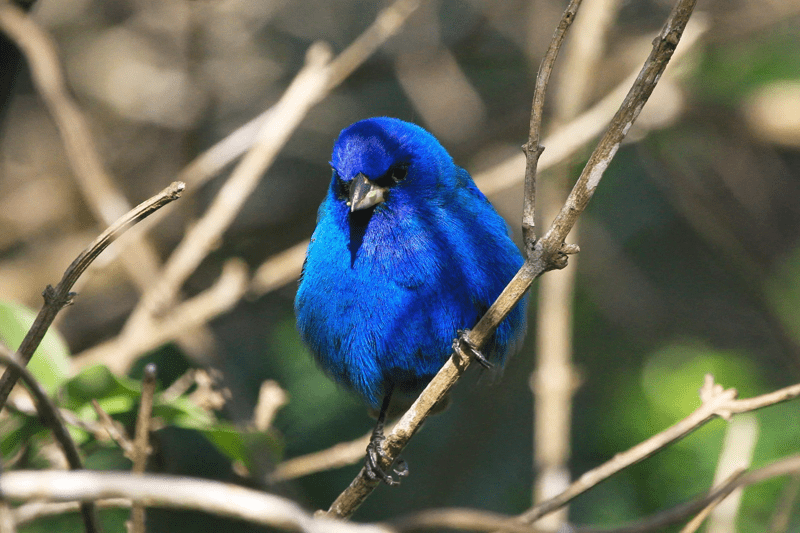
Indigo Bunting
Leader
Kevin Burke
Primary Leader
Virginia-born birder and ecotourism guide with 20 years of experience leading tours across the Americas, inspiring connection with nature through exploration and discovery.
Read MoreItinerary
Click here to download the 2027 itinerary PDF
Day 1
Arrive in Mobile and settle into our downtown hotel, your home base as the journey begins along the Gulf Coast.
Meet the group in the early evening for dinner at one of Mobile's standout local restaurants—a relaxed introduction to the city, your fellow travelers, and the experiences ahead.
Spend the night getting acquainted with Mobile's welcoming atmosphere before setting out to explore in the days to come.
Day 2
Begin the day in the wetlands of Mobile Bay, where Meaher State Park offers a first look at the rich habitats and wildlife that make the Mobile-Tensaw Delta so remarkable.
Explore the bird-filled trails and gardens of Bellingrath Gardens before enjoying lunch in a beautiful Gulf Coast setting.
Spend the afternoon birding across Dauphin Island, one of North America's premier migration hotspots, before settling in for a fresh seafood dinner and an overnight stay on the island.
Day 3
Ease into the morning with a walk from the hotel to see what new migrants arrived overnight, followed by a beach stroll in search of shorebirds and seabirds along the Gulf.
Spend the day exploring Dauphin Island's renowned birding hotspots, including Shell Mounds Park and the Audubon Sanctuary, where every stop offers the chance for exciting new discoveries.
Wrap up another rewarding day with dinner on the island, surrounded by the relaxed pace and natural beauty of the Gulf Coast.
Day 4
Cross into Mississippi to explore the longleaf pine forests of De Soto National Forest, home to several U.S. endemic birds found only in this unique Southern habitat.
Stop at Mississippi Sandhill Crane National Wildlife Refuge before enjoying a Gulf Coast lunch near Biloxi, with a chance to sample local crawfish.
Return to Dauphin Island for an afternoon of birding in new corners of the island, followed by another relaxed evening on the Gulf.
Day 5
Take a scenic ferry to historic Fort Morgan, where productive migration habitat and Alabama Audubon's bird banding station offer a fascinating look at spring migration up close.
Enjoy lunch overlooking the bay before returning to Dauphin Island, keeping an eye out for seabirds and shorebirds along the ferry route.
Spend the afternoon exploring the island's top birding hotspots, with the chance to witness newly arrived migrants as they make landfall along the Gulf Coast.
Day 6
Enjoy a flexible final day of birding, revisiting favorite spots on Dauphin Island and exploring new locations as migration conditions unfold.
Return to Mobile for a celebratory farewell dinner, reflecting on a week of exceptional birding and Gulf Coast exploration.
Day 7
Depart for home after a memorable week exploring the Gulf Coast and its incredible birdlife.
What’s Included
Accommodations & Dining
Settle into comfortable accommodations with modern amenities. Enjoy freshly prepared meals that highlight local flavors and international favorites, with consideration for any dietary needs.
Guided Services & Gratuities
Experience each destination with the help of Leaders who share history, culture, and wildlife insights. Gratuities for crew and local guides are included, ensuring seamless service without extra concerns; tipping for your Leaders is discretionary and not included.
Active Essentials
Every tour includes the core elements that make our field experiences possible so you can stay engaged with a range of activities. All outings include the necessary equipment and full safety support, making it easy to join at your own pace.
Transportation & Logistics
We coordinate every transfer, from airport pickup to port boarding. Whether traveling by bus, boat, or charter, our team ensures smooth connections and stress-free travel.
FAQs
Similar Trips
Loading calendar...