

Difficulty
PAMPAS, PENGUINS & THE MAJESTY OF THE ANDES
Southern Argentina: Spring Magic in Patagonia
Argentina’s southern tier offers some of the most spectacular scenery and wildlife in South America. From the vast grasslands of the Pampas to the penguin colonies of Patagonia and the icy grandeur of Los Glaciares National Park, this springtime journey reveals the full sweep of Argentina’s landscapes and birds. We’ll explore coastal wetlands teeming with life, witness seabirds and whales along the Valdés Peninsula, and search for condors, rheas, and the unique Magellanic Woodpecker amid the snow-capped Andes. With excellent accommodations, fine cuisine, and breathtaking photography opportunities, this tour delivers an unforgettable immersion in southern Argentina’s wild beauty.
Advance Booking Notice
This tour is currently open for reservations, though final pricing has not yet been published. Guests may secure a place on the departure by submitting the initial deposit. Full details are available in the FAQs.
Tour Overview
Jan 5–Jan 20, 2027
Timed to coincide with the brief but extraordinary austral spring, this journey through southern Argentina reveals Patagonia at its most vibrant—alive with birds, wildlife, and the quiet energy of a landscape in renewal. From the windswept steppe to glacial lakes and coastal shores, we experience a region defined by contrast, scale, and remarkable biodiversity, with expectations of approximately 275 bird species over the course of the tour.
Argentina’s southern tier offers some of South America’s most compelling wildlife encounters. Across Patagonia, the Pampas, and the Valdés Peninsula, we move through a mosaic of habitats—scrub desert, open grassland, Andean forest, and rugged coastline—each with its own distinct rhythm and birdlife. Here, iconic and highly sought-after species include Hooded Grebe, Magellanic Plover, Snowy Sheathbill, Magellanic Woodpecker, Austral Rail, White-headed Steamer Duck, Burrowing Parakeet, Sandy Gallito, Yellow Cardinal, Pampas Meadowlark, and Lesser Rhea.
Along the Valdés Peninsula, the rhythm of the sea shapes our days. A boat excursion offers close views of Southern Right Whales, while seabird diversity comes into focus with Dolphin Gull, Chilean Skua, Giant Petrels, and both Rock and Imperial Shags, alongside the endemic White-headed Steamer Duck. On land, we walk among expansive colonies of Magellanic Penguins, while nearby scrub desert habitats reveal a suite of regional specialties including Sandy Gallito, White-throated Cacholote, Carbonated Sierra Finch, Rusty-backed Monjita, Elegant Crested Tinamou, Darwin’s Nothura, Band-tailed Earthcreeper, and Straneck’s Tyrannulet. Saline lagoons attract Chilean Flamingos, the unusual Black-headed Duck, and a variety of southern waterfowl and shorebirds.
In the Pampas, wide skies and distant horizons frame a quieter beauty. We explore marshes, grasslands, and woodland edges in search of species such as Olrog’s Gull, Dot-winged Crake, Stripe-backed Bittern, Pampas Pipit, Pampas Meadowlark, and the striking Yellow Cardinal. Coastal wetlands add further diversity, with opportunities for South American Painted-Snipe, Buff-breasted Sandpiper, and Hudsonian Godwit.
Further west, the Andean foothills around Bariloche offer a dramatic shift in landscape—cool air, forested slopes, and condors riding thermals overhead. This region supports a remarkable assemblage of montane species, including White-throated Hawk, Black-faced Ibis, Rufous-legged Owl, Austral Pygmy-Owl, Magellanic Woodpecker, Chilean Flicker, Black-throated Huet-huet, Chucao Tapaculo, White-throated Treerunner, Thorn-tailed Rayadito, Patagonian Forest Earthcreeper, Cinnamon-bellied Ground-Tyrant, and Rufous-tailed Plantcutter.
The journey culminates in southern Patagonia, where vast steppe meets snow-capped Andean peaks and luminous glacial lakes. At Los Glaciares National Park, we stand before the immense Perito Moreno Glacier—an experience that anchors this extraordinary landscape. In these remote reaches, we search for species that define the region, including Andean Condor, Ashy-headed Goose, Silvery Grebe, Spectacled Duck, Rufous-chested Dotterel, Lesser Horned Owl, and the distinctive Magellanic Plover.
Our time at a remote Patagonian estancia offers perhaps the most meaningful encounters of the journey, with focused efforts to find the critically endangered Hooded Grebe and the once-lost Austral Rail, alongside regional specialties such as Patagonian Tinamou, White-throated Caracara, Cinereous Harrier, Tawny-throated Dotterel, Least Seedsnipe, Gray-breasted Seedsnipe, Chocolate-vented Tyrant, and Patagonian Yellow Finch.
Throughout, the experience is shaped not only by the places we visit, but by how we move through them—guided by expert leaders, supported by thoughtful logistics, and grounded in a shared appreciation for the natural world. Comfortable accommodations, regional cuisine, and Argentina’s celebrated wines complement days spent in the field.
This is a journey designed for discovery—one that invites you to slow down, observe closely, and connect more deeply with the landscapes and wildlife of Patagonia. In the spirit of VENT, it is not only about what we see, but how the experience stays with us long after we return home.
Ecosystems Experienced
Expansive pampas grasslands, Patagonian steppe, Valdivian forest, and Andean alpine zones—each supporting its own rich community of birds and mammals.
Expected Climate
Temperature
Spring temperatures range from cool to mild (40–70°F / 5–21°C); cooler in the Andes and Patagonia with possible strong winds.
Rainfall
Generally dry and sunny; occasional rain or mountain snow possible at higher elevations.
Seasons
Austral spring brings long days, blooming wildflowers, and peak bird activity across all habitats.
Key Species
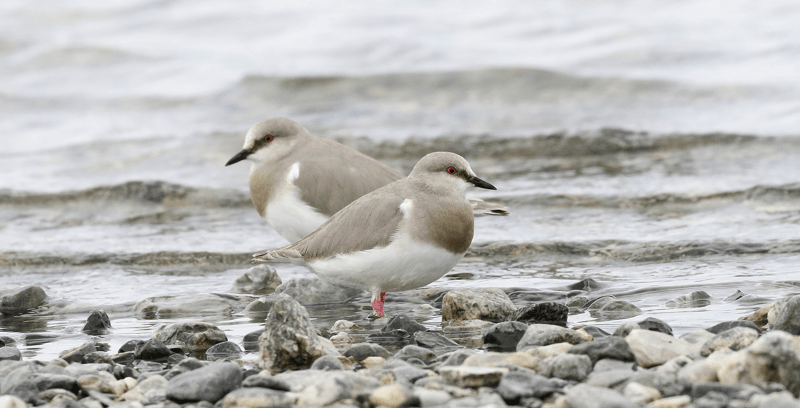
Magellanic Plover
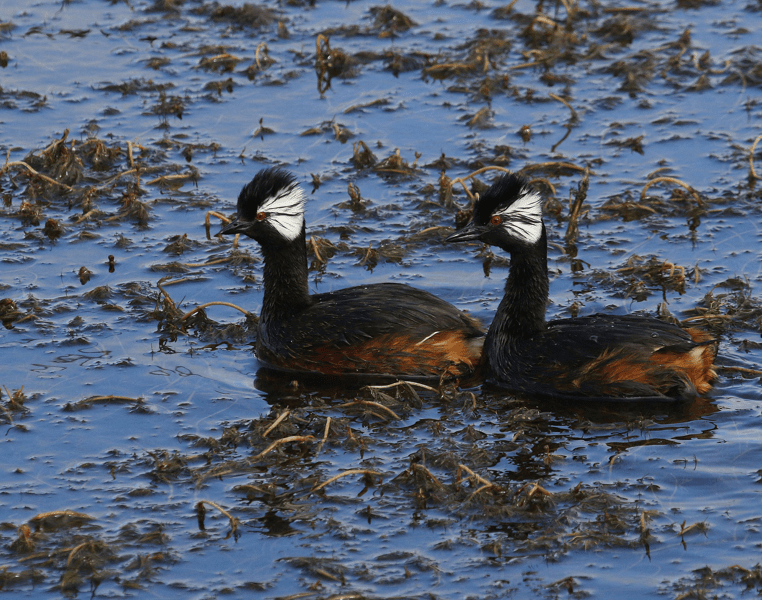
White-tufted Grebe
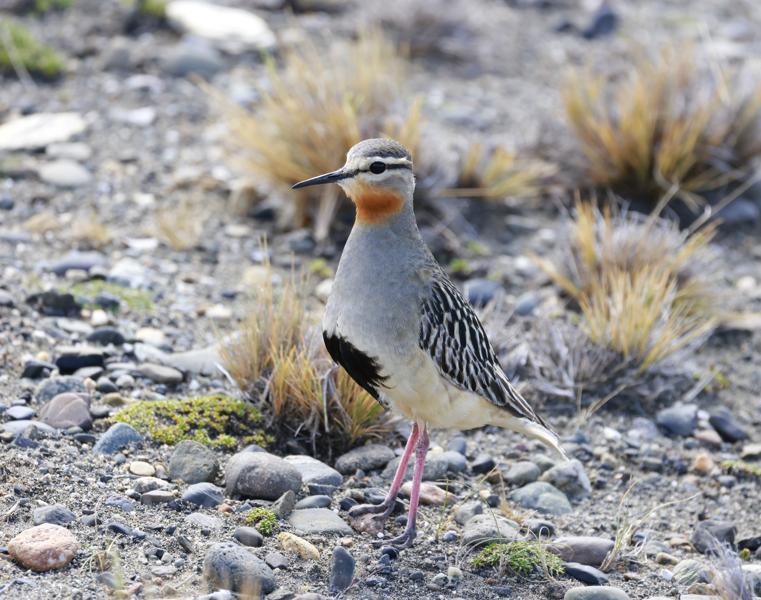
Tawny-throated Dotterel
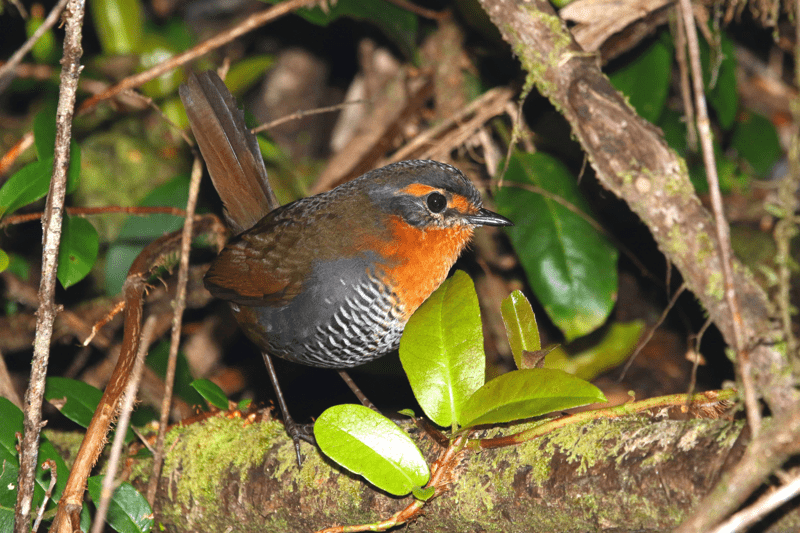
Chucao Tapaculo
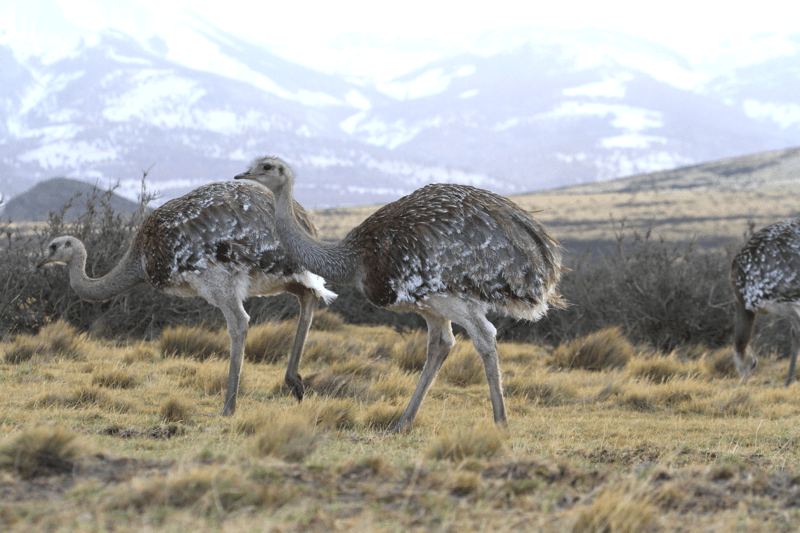
Lesser Rhea
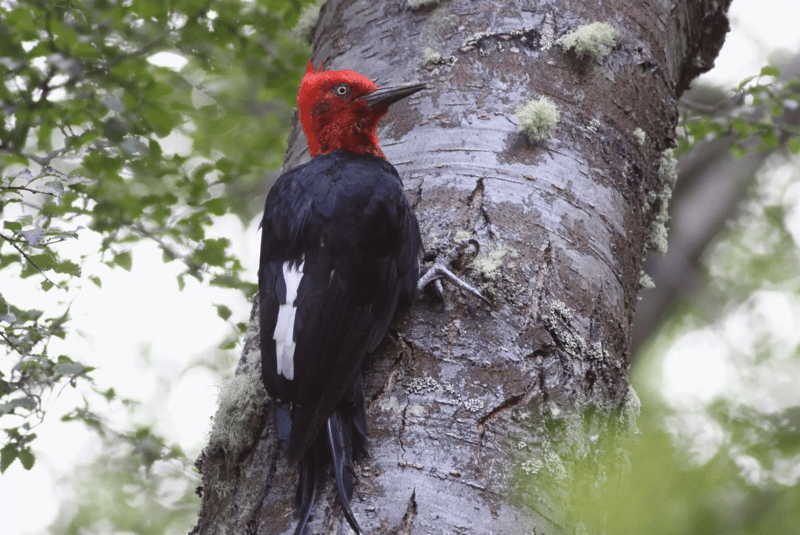
Magellanic Woodpecker
Leader
+ Local Leader
Andrew Whittaker
Primary Leader
Senior VENT leader and Amazonian bird expert with over 30 years of fieldwork, species discoveries, and a contagious passion for wildlife and conservation worldwide.
Read MoreItinerary
Day 1
Arrive in Buenos Aires and transfer to our comfortable city hotel.
Day 2
Explore Costanera Sur Nature Reserve for a colorful introduction to Argentina’s avifauna, from whistling-ducks and ibises to warbling finches and parakeets.
Travel south into the Pampas, where vast open grasslands and marshes set the stage for Greater Rhea, Southern Screamer, and Scarlet-headed Blackbird.
Day 3
Bird the tidal estuaries and reed-fringed lagoons of Punta Rasa and nearby marshes.
Watch the evening lights over the Pampas, which offers views of ibis flocks, marshbirds, and the haunting calls of whistling-ducks.
Day 4
Bird the tidal estuaries and reed-fringed lagoons of Punta Rasa and nearby marshes.
Watch the evening lights over the Pampas, which offers views of ibis flocks, marshbirds, and the haunting calls of whistling-ducks.
Day 5
Venture offshore aboard a private vessel to the subtropical convergence zone.
Watch for Yellow-nosed and Black-browed albatrosses, giant-petrels, jaegers, and shearwaters as dolphins and seabirds accompany us.
Return to shore for an afternoon rest and sunset over the Atlantic.
Day 6
Fly to Trelew and travel to Puerto Madryn, a gateway to Patagonia.
Explore desert scrub alive with endemic species such as Rusty-backed Monjita, White-throated Cacholote, and Sandy Gallito.
Visit Punta Tombo Reserve for close encounters with thousands of Magellanic Penguins, and take a short boat trip to view Southern Right Whales and playful sea lions.
Day 7
Fly to Trelew and travel to Puerto Madryn, a gateway to Patagonia.
Explore desert scrub alive with endemic species such as Rusty-backed Monjita, White-throated Cacholote, and Sandy Gallito.
Visit Punta Tombo Reserve for close encounters with thousands of Magellanic Penguins, and take a short boat trip to view Southern Right Whales and playful sea lions.
Day 8
Fly to Trelew and travel to Puerto Madryn, a gateway to Patagonia.
Explore desert scrub alive with endemic species such as Rusty-backed Monjita, White-throated Cacholote, and Sandy Gallito.
Visit Punta Tombo Reserve for close encounters with thousands of Magellanic Penguins, and take a short boat trip to view Southern Right Whales and playful sea lions.
Day 9
Fly to Bariloche, nestled among glacial lakes and snow-capped peaks.
Bird lenga and southern beech forests for Magellanic Woodpecker, Chucao Tapaculo, and Rufous-legged Owl.
Scan the high Andes for Andean Condor, White-throated Caracara, and Yellow-bridled Finch amid breathtaking alpine scenery.
Day 10
Fly to Bariloche, nestled among glacial lakes and snow-capped peaks.
Bird lenga and southern beech forests for Magellanic Woodpecker, Chucao Tapaculo, and Rufous-legged Owl.
Scan the high Andes for Andean Condor, White-throated Caracara, and Yellow-bridled Finch amid breathtaking alpine scenery.
Day 11
Fly to Bariloche, nestled among glacial lakes and snow-capped peaks.
Bird lenga and southern beech forests for Magellanic Woodpecker, Chucao Tapaculo, and Rufous-legged Owl.
Scan the high Andes for Andean Condor, White-throated Caracara, and Yellow-bridled Finch amid breathtaking alpine scenery.
Day 12
Continue south to El Calafate, gateway to the great ice fields.
Explore the shores of Lago Argentino for Magellanic Plover, Spectacled Duck, and Chocolate-vented Tyrant.
Experience the thunder and beauty of the Perito Moreno Glacier and enjoy condors soaring overhead.
Day 13
Continue south to El Calafate, gateway to the great ice fields.
Explore the shores of Lago Argentino for Magellanic Plover, Spectacled Duck, and Chocolate-vented Tyrant.
Experience the thunder and beauty of the Perito Moreno Glacier and enjoy condors soaring overhead.
Day 14
Enjoy morning birding around El Calafate before returning to Buenos Aires for homeward flights or onward travel.
What’s Included
Accommodations & Dining
Settle into comfortable accommodations with modern amenities. Enjoy freshly prepared meals that highlight local flavors and international favorites, with consideration for any dietary needs.
Guided Services & Gratuities
Experience each destination with the help of Leaders who share history, culture, and wildlife insights. Gratuities for crew and local guides are included, ensuring seamless service without extra concerns; tipping for your Leaders is discretionary and not included.
Active Essentials
Every tour includes the core elements that make our field experiences possible so you can stay engaged with a range of activities. All outings include the necessary equipment and full safety support, making it easy to join at your own pace.
Transportation & Logistics
We coordinate every transfer, from airport pickup to port boarding. Whether traveling by bus, boat, or charter, our team ensures smooth connections and stress-free travel.
FAQs
Similar Trips
Loading calendar...