

Difficulty
HISPANIOLA’S UNIQUE BIRD REALMS
The Dominican Republic
The Dominican Republic offers one of the most rewarding birding experiences in the Caribbean, blending high endemism with extraordinary geographic diversity. This journey explores cloud forests, pine clad highlands, dry forests, wetlands, and coastal habitats across the eastern half of Hispaniola, home to more than 30 endemic bird species. Highlights include the Hispaniolan Trogon, Antillean Piculet, todies, Palmchat, White winged and Green tailed warblers, and specialties such as La Selle Thrush, Bay breasted Cuckoo, and Ridgway’s Hawk. With expert guidance and visits to several of the island’s major vegetation zones, this tour reveals the full richness of Hispaniola’s wildlife and landscapes.
Tour Overview
Apr 2–Apr 10, 2027
Hispaniola is one of the most biologically extraordinary islands in the Caribbean, and the Dominican Republic showcases its diversity to remarkable effect. This tour explores a wide range of habitats—from lush cloud forests and cool pine highlands to sun baked thorn scrub, semi arid valleys, and coastal wetlands—each supporting its own suite of endemic species. With more than 30 endemics possible, the island offers exceptional birding opportunities in a compact area filled with dramatic scenery.
Our journey takes us into several of the country’s major vegetation zones. In the highlands of the Sierra de Bahoruco, mossy forests and pine slopes host Hispaniolan Trogon, Hispaniolan Parrot, Antillean Piculet, Hispaniolan Crossbill, and the beautifully patterned White winged and Green tailed warblers. Cloud forest trails and quiet forest edges offer chances for La Selle Thrush and the elusive Bay breasted Cuckoo, while nighttime outings may reveal Ashy faced Owl.
Lower elevations bring a different character. Dry forest, scrub, and farmland support Hispaniolan Lizard Cuckoo, Palmchat, Hispaniolan Woodpecker, Hispaniolan Pewee, and flocks of Hispaniolan Parakeets. Wetlands and coastal lagoons hold herons, shorebirds, and migrants moving through the Caribbean Basin. Lago Enriquillo—one of the lowest points in the Americas—adds a dramatic ecological contrast with its vast saline lake, cactus filled desert surrounds, and unique assemblage of birds.
A special highlight of the tour is the chance to observe both of the island’s todies. Endemic to the Greater Antilles, this charismatic bird family reaches its highest diversity on Hispaniola, where two species occur. With comfortable accommodations, varied landscapes, and a focus on endemics, this tour offers a rich and memorable introduction to the natural world of the Dominican Republic.
Ecosystems Experienced
The Dominican Republic spans cloud forests, broadleaf highlands, pine covered mountains, semi arid scrub, thorn forest, wetlands, and coastal lagoons. This ecological variety supports more than 30 island endemics, including todies, Palmchat, Hispaniolan Trogon, and Ridgway’s Hawk. Sharp elevation gradients—from peaks over 10,000 feet to the depths of Lago Enriquillo—create one of the Caribbean’s richest biodiversity hotspots.
Expected Climate
Temperature
Coastal areas typically reach the 80s–90s °F (27–33 °C), while mountain elevations are significantly cooler, often dipping into the mid 50s °F (12–14 °C), especially at dawn and dusk.
Rainfall
April is toward the end of the dry season, with generally pleasant conditions. Short afternoon showers or thunderstorms can occur, particularly in higher elevations, but extended rain is uncommon.
Seasons
The tour takes place during the dry season (mid November–April), when humidity is moderate, skies are often clear, and temperatures vary with elevation. This is an excellent time for bird activity across the island’s varied habitats.
Previous Field Reports
Key Species
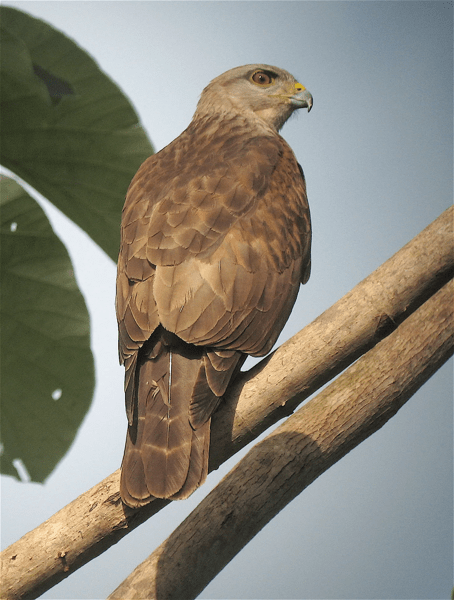
Ridgway's Hawk
Hispaniolan Woodpecker
Broad-billed Tody
Bananaquit
Golden Swallow
Gull-billed Tern
Leader
David Ascanio
Primary Leader
Veteran Venezuelan birder and field guide author celebrated for his bird vocalization expertise and decades of leadership throughout the Neotropics.
Read MoreMariah Hryniewich
Mariah Hryniewich grew up in Southwest Florida with an early love for nature that deepened through birding and migration counting at the Florida Keys Hawkwatch. She has conducted bird surveys and assisted with raptor projects for the Avian Research and Conservation Institute, guides field trips at birding shows, and represents Phone Skope and Kowa. She leads bird tours from Alaska to the Neotropics.
Itinerary
Click here to download the 2027 itinerary PDF
Day 1
Arrive in Santo Domingo and settle into Hotel El Embajador, where the grounds offer excellent opportunities for Hispaniolan Woodpecker, Palmchat, Bananaquit, Yellow-faced Grassquit, and the tiny Vervain Hummingbird.
As evening approaches, watch hundreds of Hispaniolan Parakeets gather in the hotel’s trees and royal palms for their communal roost.
Day 2
Begin the morning at the Dr. Rafael M. Moscoso National Botanic Gardens, exploring its gardens, forests, palms, and shaded waterways for Antillean Palm-Swifts, Hispaniolan Woodpeckers, Black-crowned Palm-Tanagers, Antillean Mangoes, and the tiny Vervain Hummingbird.
Look for the endemic Palmchat at its communal nesting colonies, along with Hispaniolan Lizard-Cuckoo, Bananaquit, and waterbirds such as Least Grebe, West Indian Whistling-Duck, and Limpkin.
Continue west toward Barahona and the Sierra de Bahoruco, watching the landscape transition from the subtropical forests around Santo Domingo to the arid acacia and thorn scrub of the Caribbean south coast.
Day 3
Depart early for the higher reaches of the Sierra de Bahoruco, exploring the dramatic change in habitats and birdlife as we climb toward the cloud forest at nearly 7,000 feet.
Search the wet, fern-filled forests for La Selle Thrush, Western Chat-Tanager, Hispaniolan Emerald, Hispaniolan Spindalis, Golden Swallow, and the elusive Hispaniolan Crossbill, while keeping watch for White-fronted Quail-Dove and the haunting song of Rufous-throated Solitaire.
After birding the Zapotén area, descend through drier forest where Bay-breasted Cuckoo, Flat-billed Vireo, Hispaniolan Lizard-Cuckoo, and Olive-throated Parakeet may be encountered.
Day 4
Bird the farmlands and transitional habitats along the Sierra de Bahoruco for Hispaniolan Amazon, Hispaniolan Pewee, Antillean Piculet, Bay-breasted Cuckoo, and other island endemics.
Continue to Lago Enriquillo, searching the lakeshore for the elusive Hispaniolan Palm Crow, with Plain Pigeon, Antillean Nighthawk, and Hispaniolan Oriole also possible. Relax at our coastal hotel and enjoy the late-afternoon scenery.
Day 5
Depart early for Cachote, birding the mountain forest for the recently confirmed Eastern Chat-Tanager, along with Narrow-billed Tody, Hispaniolan Trogon, and White-fronted Quail-Dove.
After lunch, explore Laguna de Oviedo, a vast brackish wetland where herons, egrets, shorebirds, gulls, and terns gather along the shallow shores.
Day 6
Enjoy an optional early-morning forest birding excursion along the Cachote road before breakfast.
Return to Santo Domingo and spend the afternoon exploring the historic Colonial Zone, the oldest city in the Western Hemisphere.
Discover well-preserved colonial architecture, including the Cathedral Basilica, National Pantheon, and museums featuring amber and the Dominican Republic’s distinctive larimar stone.
Day 7
Travel east from Santo Domingo toward Caño Hondo, with roadside birding stops for Palmchat, Hispaniolan Lizard-Cuckoo, Antillean Palm-Swift, and Black-crowned Palm-Tanager.
Arrive in the buffer zone of Los Haitises National Park, a spectacular landscape of karst hills, mangroves, caves, and rich wildlife.
Day 8
Spend the day exploring the Los Haitises area in search of Ridgway’s Hawk, following the guidance of our local experts and adapting our route to the best opportunities.
Continue exploring the park’s rugged forests and surrounding habitats, with additional chances for Hispaniolan specialties and other wildlife.
After dark, enjoy an optional night outing in search of Ashy-faced Owl.
Day 9
Continue birding for Hispaniolan specialties including White-necked Crow, Hispaniolan Woodpecker, Antillean Mango, and Hispaniolan Oriole.
After breakfast, travel to Punta Cana, where the tour concludes and flights may depart from Punta Cana International Airport after noon.
What’s Included
Accommodations & Dining
Settle into comfortable accommodations with modern amenities. Enjoy freshly prepared meals that highlight local flavors and international favorites, with consideration for any dietary needs.
Guided Services & Gratuities
Experience each destination with the help of Leaders who share history, culture, and wildlife insights. Gratuities for crew and local guides are included, ensuring seamless service without extra concerns; tipping for your Leaders is discretionary and not included.
Active Essentials
Every tour includes the core elements that make our field experiences possible so you can stay engaged with a range of activities. All outings include the necessary equipment and full safety support, making it easy to join at your own pace.
Transportation & Logistics
We coordinate every transfer, from airport pickup to port boarding. Whether traveling by bus, boat, or charter, our team ensures smooth connections and stress-free travel.
FAQs
Similar Trips
Loading calendar...