


Departure Date: January 25 - February 4, 2026
Compiled By: Paul Greenfield
Trip Leaders: Paul Greenfield, Remigio Grefa
Toll Free: 800.328.8368
Phone: 512.328.5221



Ecuador: Eastern Slope of the Andes 1/25/2026-2/4/2026

Ecuador: Eastern Slope of the Andes
https://ebird.org/tripreport/459510
The Andes—our planet’s longest continental mountain chain—is not just a magnificent geological phenomenon or a mere narrow geographical shape drawn on a world map, skirting down the entire western portion of South America. It is (in all its glory) a great living wall of mega-biodiversity, an unparalleled treasure-trove of flora and fauna, to which our nine-day Ecuador: Eastern Slope of the Andes adventure rendered exciting testimony.
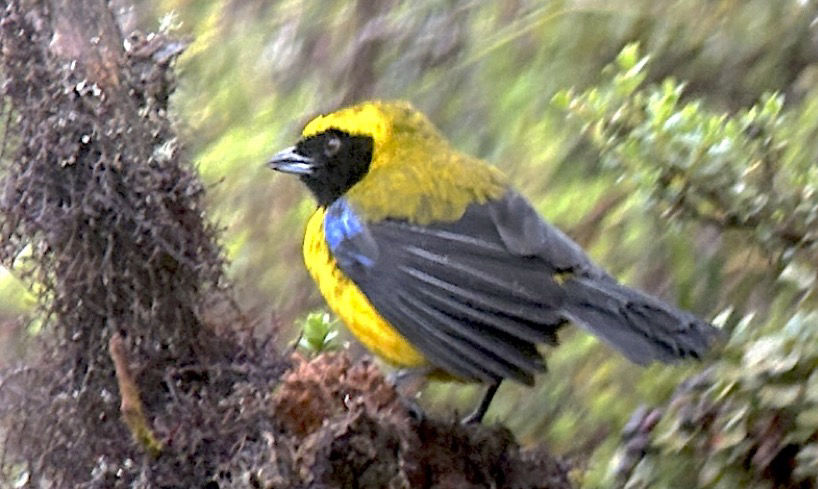
Masked Mountain-Tanager © Magill Weber
It was the renowned Prussian polymath, geographer, naturalist, and explorer—Alexander Von Humboldt—who in 1802 first documented the connection between altitude, climate, and species diversity during his eight months in Ecuador (as part of his broader exploration of various South American countries), and during our brief experience we felt the constant drop in air temperature as we climbed in altitude and witnessed an impressive selection of the wonders that these incredible mountain slopes have to share. We ascended this colossal range from the Amazonian foothills up through the forested subtropical and temperate zones to the ‘tundra-like’ paramo ecosystem just below the glacial snowline of Antisana Volcano, from as low as about 1,000 meters above sea level to over 4,300 . . . and we were obliged to layer-up our attire accordingly!
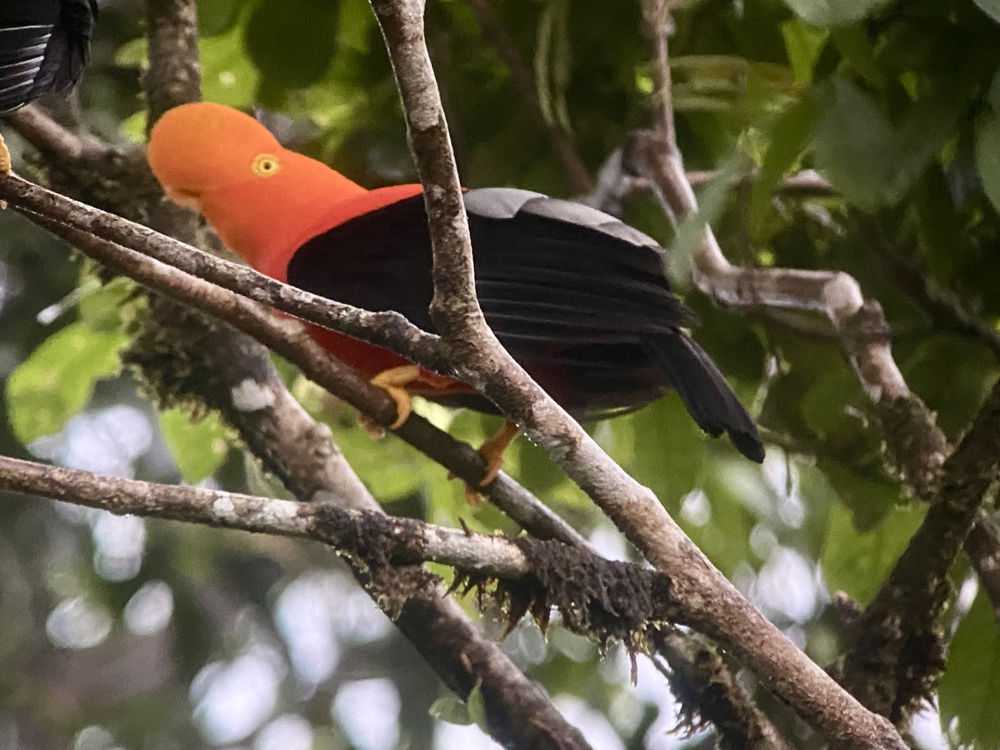
Andean Cock-of-the-rock © Paul Greenfield
We initiated our trip with a last-minute flight cancellation Plan B—instead of the short, scheduled flight from the highland capital city of Quito to the Amazonian frontier town of Coca, where we were to be met by our ‘official’ ground-agent/driver and our co-leader, we had to be driven some 4.5 hours to our day’s destination, Wildsumaco Lodge, located in the Amazonian foothills. So, our morning plan to do some lowland birding was effectively dashed, and we pretty much beelined it from our hotel San José de Puembo—(with Southern Beardless-Tyrannulet and Blue-and-yellow and Scrub tanagers among other highland specialties) including a brief stop at the Narupa gas station (where we came up with a Northern Waterthrush and a few common lowland Amazonian bird species) and again along a gravel-surfaced entrance road—to the lodge. Our afternoon birding around Wildsumaco was quite productive, and even with the slow (to say the least) morning, we still managed to ‘bag’ 93 species for our first day’s species list! A fairly small sample of the day’s highlights included: Black-throated Mangos; Wire-crested Thorntails; Peruvian Racket-tail; Green-backed Hillstar; Black-throated and Violet-fronted brilliants; Gould’s Jewelfronts; Gorgeted Woodstars; Napo Sabrewings; White Hawk; Gilded and Red-headed barbets; Red-billed, Speckle-faced (White-capped), and Blue-headed parrots; Lined Antshrike; Blackish Antbird; Western Fire-eye; Cliff Flycatchers; Long-tailed Tyrants; Violaceous Jays; Chestnut-capped brushfinches; Magpie, Silver-beaked, Blue-necked, Bay-headed, and Golden tanagers; Purple and Golden-collared honeycreepers; and Bluish-gray Saltator.
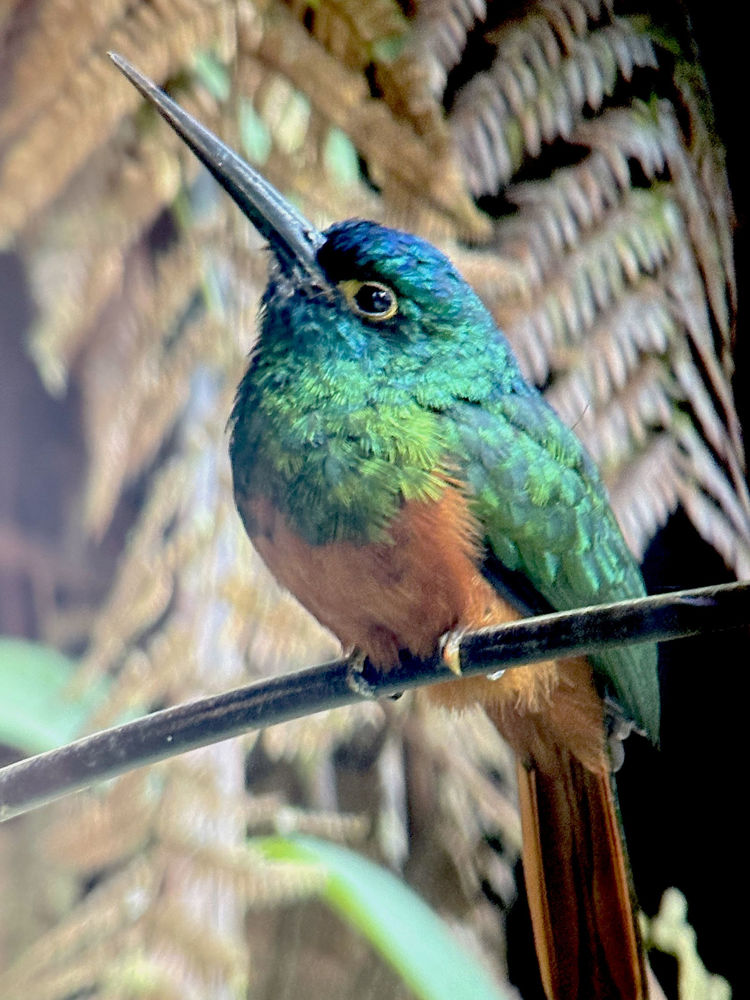
Coppery-chested Jacamar © Magill Weber
Our next two-and-a-half days were well spent around Wildsumaco (its moth lights, dining room deck, one evening at the scientific station, roadside birding, the Coopmans and Antpitta trails, below and above the Pacto Sumaco village, at Amarun Pakcha Reserve, and along a nearby sideroad) where we tallied 128 and 124 species, respectively, on the first two of those days! A sample of the cooler species we came upon included: Scaled Pigeon; Ecuadorian Piedtail; Gray-chinned Hermit; Blue-fronted Lancebill; Amethyst Woodstar; Rufous-throated Sapphire; Blackish Rails; Chestnut-headed Crakes; Greater Yellow-headed Vulture; Black-streaked Puffbird; Coppery-chested Jacamars; Chestnut-eared and Many-banded araçaris; Golden-collared Toucanet; Yellow-throated (Black-mandibled) and White-throated toucans; Yellow-headed and Black caracaras; Chestnut-fronted and Military macaws; Plain-winged Antshrike; Plain-winged Antwrens; Black-faced Antbirds; Plain-backed and Ochre-breasted antpittas; Long-tailed Tapaculo; Short-tailed Antthrushes; Streaked Xenops; Black-billed Treehunter; Blue-rumped Manakin; Andean Cocks-of-the-rock; Amazonian Umbrellabirds; Spectacled Bristle-Tyrant; Ecuadorian, Yellow, and Red-billed tyrannulets; Blue-naped Chlorophonia; Bronze-green Euphonia; Fulvous Shrike-Tanager; along with Orange-eared, Spotted, and Paradise tanagers.
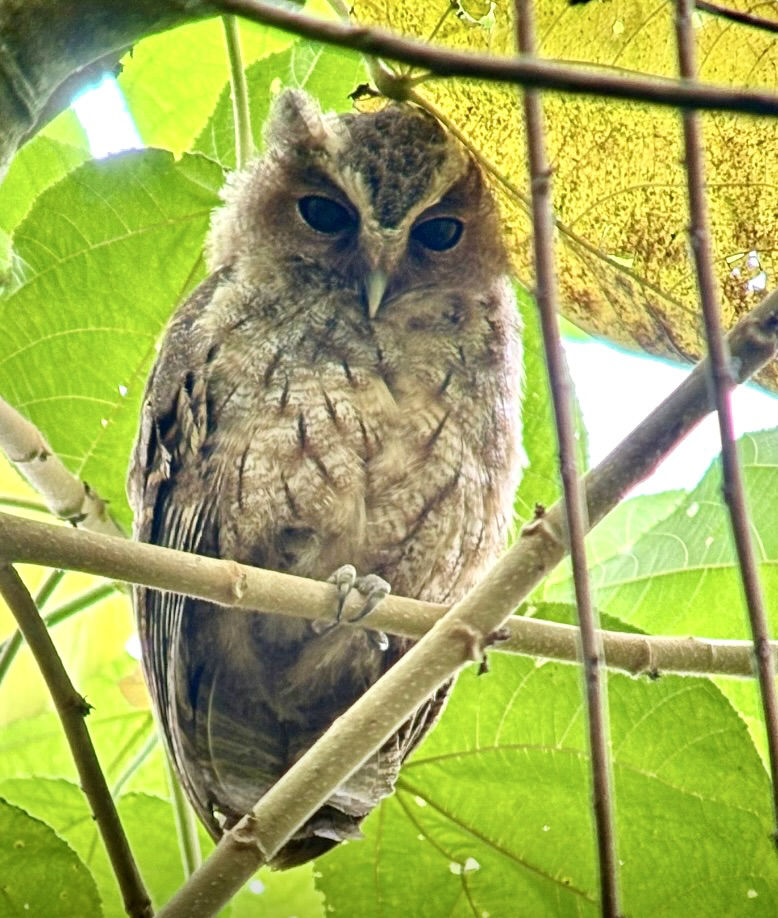
Rufescent Screech-Owl © Magill Weber
We departed from this wonderful area and headed upslope towards our second destination—Cabañas San Isidro—with a brief stop first to check out the Río Cosanga, where a Torrent Duck threesome was patiently awaiting our arrival, affording us some great views! We filled the following two-and-a-half days around San Isidro (early mornings at the dining room deck, birding bouts along the Las Caucheras Road and turnoff to ‘La Rosita’) and visits to nearby La Brisa, El Quetzal, the Borja turn-off road, and briefly up to the Guacamayos Ridge. The results of this, part II of our journey, were excellent! Highlights included: Lyre-tailed Nightjars; Tawny-bellied Hermit; Geoffroy’s Daggerbill; Long-tailed Sylphs; Collared Incas; Chestnut-breasted Coronets (including the bully!); day-roosting Rufescent Screech-Owls; Black-banded/San Isidro Mystery Owl; Golden-headed and Crested quetzals; Masked Trogon; Andean Motmot; Southern Emerald-Toucanets; Black-billed Mountain-Toucans; Powerful Woodpeckers (briefly); a Merlin; Scaly-naped Amazons; White-bellied Antpitta; Blackish Tapaculo; Streaked Tuftedcheek; Spotted Barbtail; Pearled Treerunner; Ash-browed Spinetail; Black-chested Fruiteaters; Barred Becards; Rufous-crowned Tody-Flycatcher; Cinnamon, Handsome, Flavescent, and Lemon-browed flycatchers; Black-billed Peppershrike; Green/Inca Jays; Pale-eyed and Glossy-black thrushes; Chestnut-breasted Chlorophonias; Olivaceous Siskin; Red-breasted Meadowlark; Black-eared Hemispingus; Golden-naped, Black-capped, Beryl-spangled, Saffron-crowned, and Flame-faced tanagers; and Bluish and Masked flowerpiercers in the mix.
.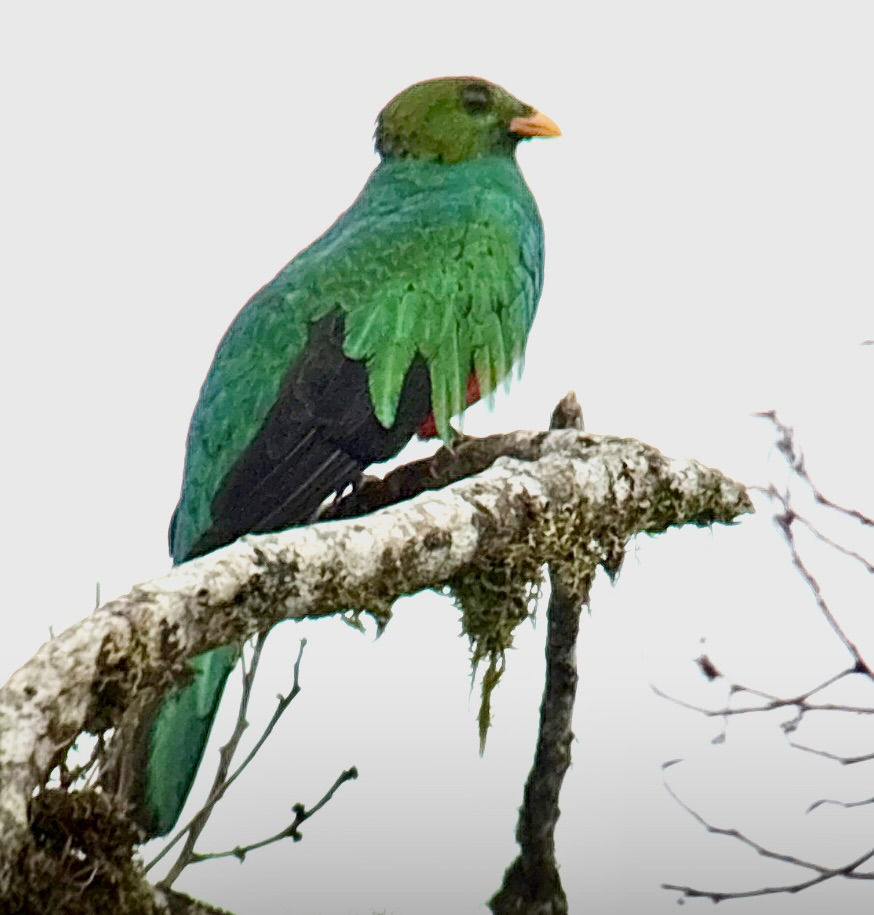
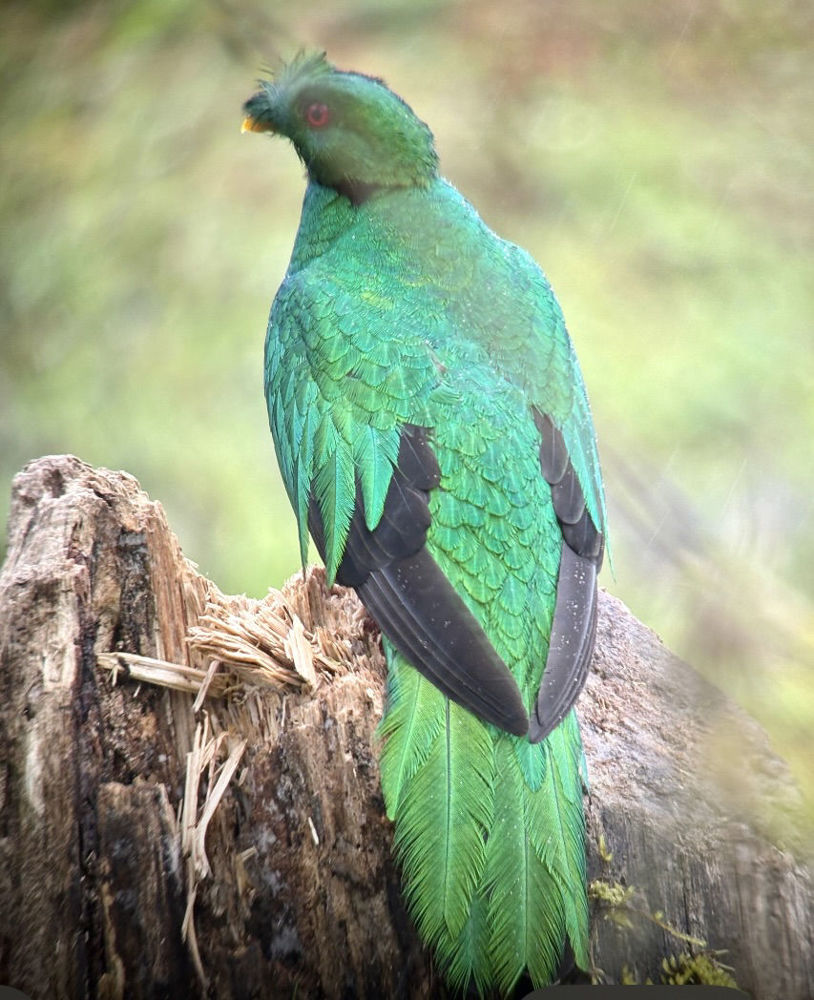
Golden-headed Quetzal © Magill Weber Crested Quetzal © Magill Weber
Alas, it was time to move on—again upslope, to our third lodge, but with an important afternoon stop at Guango Lodge, where we began birding from the bridge that crosses the Río Quijos. White-capped Dipper, our target there, showed itself obligingly! We then birded our way on foot up towards the lodge, with some excellent results: Andean Guans; Gray-breasted Mountain-Toucans; Northern Slaty and Pale-naped brushfinches; Mountain Caciques; Spectacled Redstarts/Whitestarts; Turquoise Jays; Black-capped Hemispingus; and Pink-billed Cnemoscopus were among the most notable. At the lodge nectar feeders (which were only marginally active) we picked up Tourmaline Sunangels, Buff-tailed Coronets, and White-bellied Woodstars among other species we had seen previously. By late afternoon we continued with a short drive, ascending farther in altitude to the hot-springs at Las Termas de Papallacta. From this lovely location we explored (for a day-and-a-half ) the gardens, ascended twice to upper elfin forest, the paramo zone (up to above 14,000 ft!) at Papallacta Pass, checked out Papallacta Lake, and returned downslope one afternoon to Guango Lodge. High-Andean species were on our radar in a varied selection of habitats, and we came away with quite a few: Yellow-billed Pintails; Andean Teals; Ecuadorian Hillstars; Rainbow-bearded Thornbills; Viridian and Tyrian metaltails; Shining Sunbeams; Buff-winged Starfrontlets; Variable Hawks; Black-chested Buzzard-Eagle; Great Horned Owl (the dark, Andean subspecies); Crimson-mantled Woodpeckers; many Carunculated Caracaras; White-chinned Thistletail; Many-striped Canasteros; Rufous Spinetail; Red-crested Cotinga; White-banded and White-throated
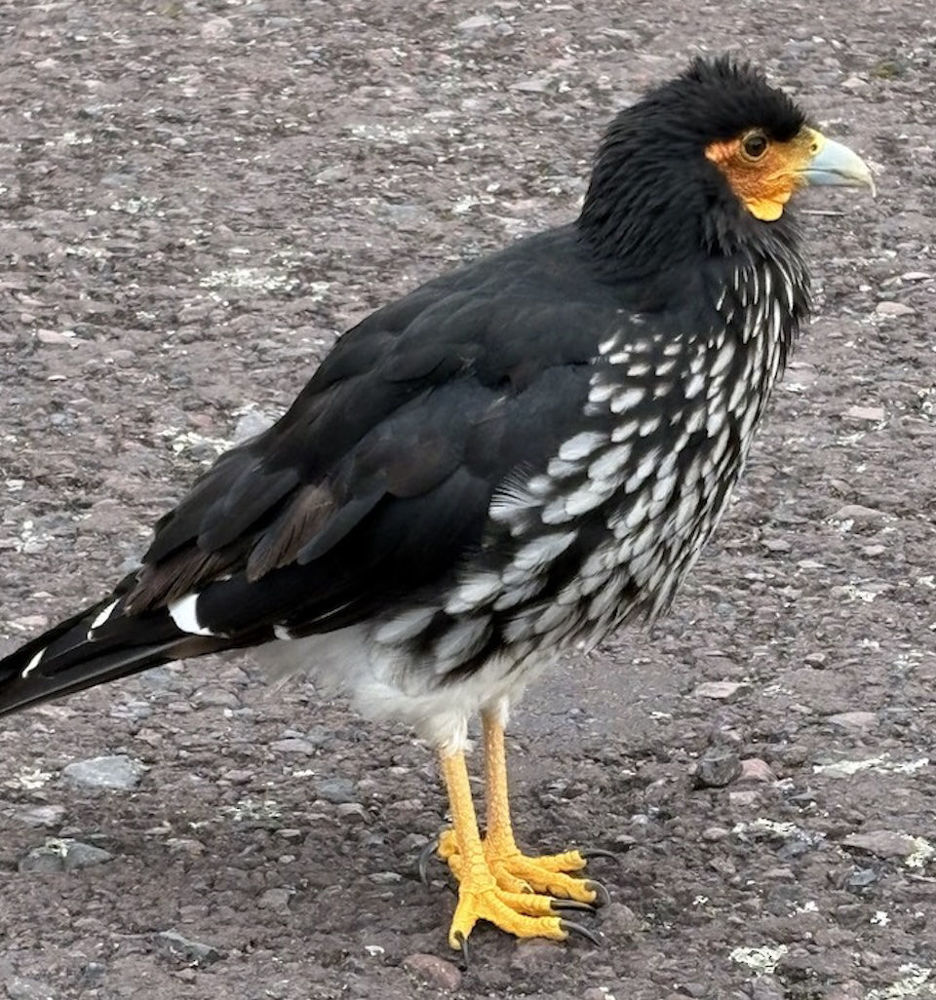
Carunculated Caracara © Magill Weber
tyrannulets; Agile Tit-Tyrant; Red-rumped Bush-Tyrant; Rufous Wrens; Hooded Siskins; Superciliaried and Black-headed hemispinguses; Hooded, Scarlet-bellied, and (6) Masked mountain-tanagers!; Fawn-breasted Tanager; Blue-backed and Cinereous conebills; and many Black-backed Bush-Tanagers. Our final day took us to Antisana National Park where we birded ample paramo-zone grasslands and Polylepis edge to the La Mica Lake, where we recorded Andean Ducks; Black-winged Ground-Doves; Slate-colored Coots; Andean Gulls; Andean Ibises; a juvenile Andean Condor; Tawny Antpittas; Chestnut-winged and Stout-billed cinclodes; Andean Tit-Spinetail; Plain-capped Ground-Tyrants; Grass Wrens; and Paramo Pipit. We enjoyed a local lunch and more birds at Tambo Condor . . . with close looks at a female Black-tailed Trainbearer; Tyrian Metaltails; Shining Sunbeams; an incredible male Sword-billed Hummingbird; Great Sapphirewing; super Giant Hummingbirds; along with a Yellow-breasted Brushfinch.
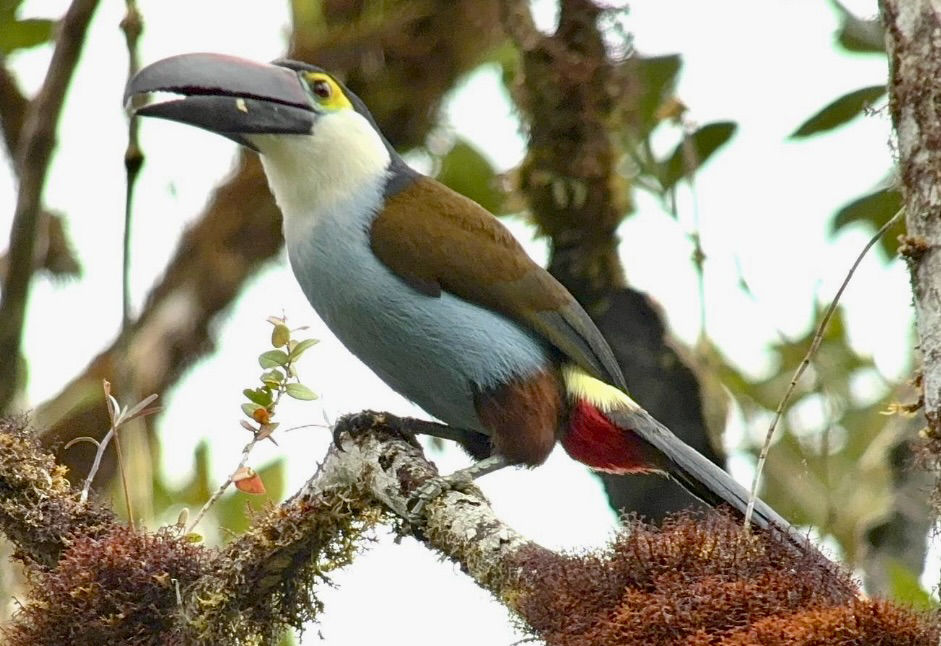
Black-billed Mountain-Toucan © Magill Weber
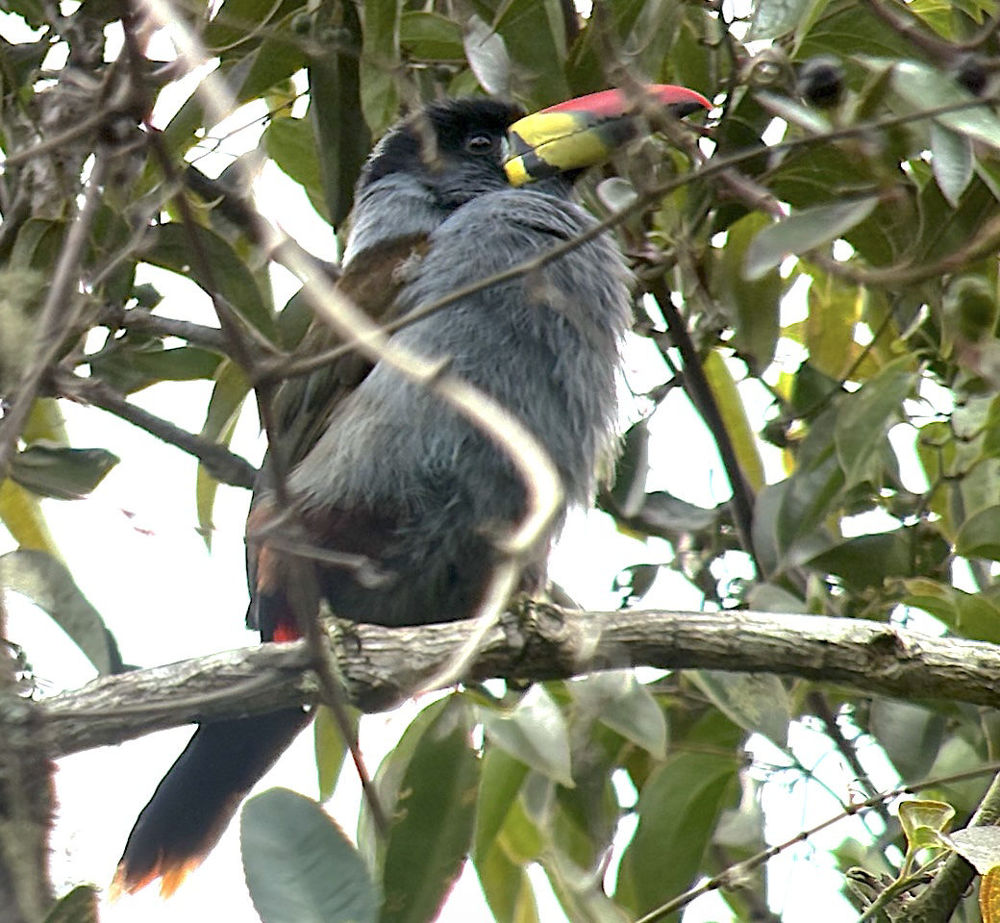
Gray-breasted Mountain-Toucan © Magill Weber
Our journey came to an end as we pulled into our lodging at Rincón de Puembo, but Magill kept on birding and came up with some nice additional species: Ringed Kingfisher, Golden Grosbeak, and Saffron Finch among them. And so, we experienced the riches of a narrow transect of Ecuador’s eastern slope of this magnificent cordillera and its diversity in climates, ecosystems, habitats, flora and fauna . . . and more specifically in its wonderful birdlife—the variety was truly astounding!
We would like to give a special thanks to Magill Weber for her eBird prowess and for sharing some of her photos with us!
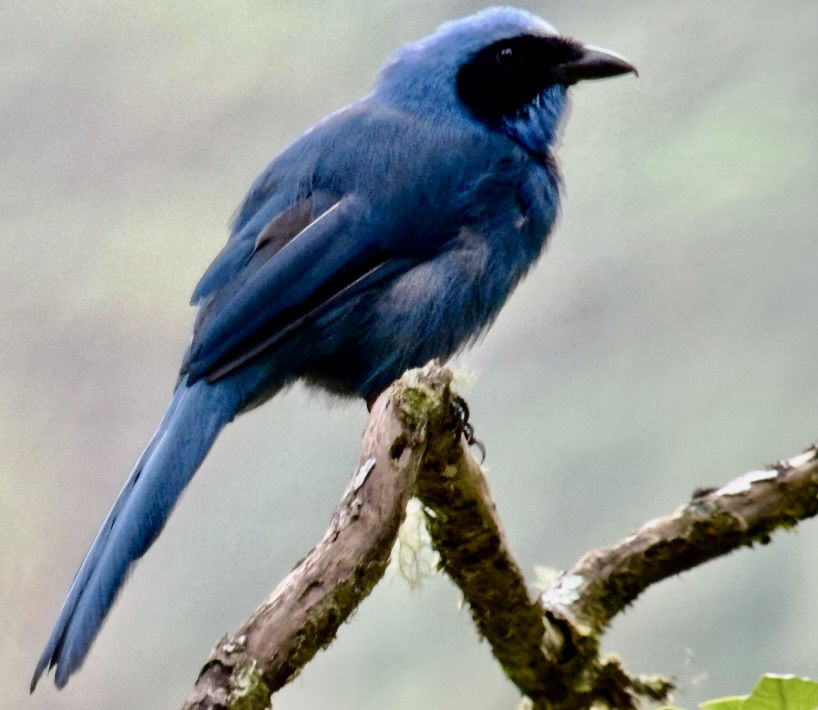
Turquoise Jay © Magill Weber
A complete list of the birds recorded on our tour can be found at: https://ebird.org/tripreport/459510
Description for the next departure of this tour.
Paul Greenfield's upcoming tour schedule.
Remi Grefa's upcoming tour schedule.
ITINERARY:
Day 1, January 25, 2026—Group arrival in Quito; transfer to San José de Puembo Hotel
Day 2, January 26, 2026—From San José de Puembo (Plan B) drive to WIldsumaco Lodge; stops at Narupa gas station and briefly along the Wildsumaco entrance road. Lunch, and birding from the dining room deck and along the road and to the Coffee Hill House deck (overnight at Wildsumaco Lodge)
Day 3, January 27, 2026—Wildsumaco: early morning at the moth lights; breakfast and dining room deck birding. Lunch, and drive to Amarun Pakcha (closed!); birding along a nearby sideroad; evening owling at the Scientific Station (overnight at Wildsumaco Lodge)
Day 4, January 28, 2026—Wildsumaco: early morning moth lights; Coopmans and Antpitta trails; roadside and deck birding. Lunch, and birding above Pacto Sumaco village (overnight at Wildsumaco Lodge)
Day 5, January 29,2026—Morning return to Amarun Pakcha, then back to Wildsumaco (rain). Lunch, and departure/drive upslope to Cabañas San Isidro; stops at Narupa gas station and at Cosanga village to check out the river —then on to San Isidro (overnight at Cabañas San Isidro)
Day 6, January 30, 2026—Cabañas San Isidro: early morning dining room deck and antpitta feeding area; breakfast, and birding along the Las Caucheras Road. Lunch, and drive to and birding at La Brisa and the nightjar spot (overnight at Cabañas San Isidro)
Day 7, January 31,2026—Cabañas San Isidro: early morning dining room deck; birding along the Las Caucheras Road to ‘la Rosita’ (Andrea). Lunch, birding along the upper Las Guacamayos Ridge (overnight at Cabañas San Isidro)
Day 8, February 1, 2026—Morning drive to and birding at El Quetzal; brief birding along the Borja turnoff. Lunch, and departure/drive upslope to and afternoon birding at Guango Lodge; final short drive to Las Termas de Papallacta (overnight at Las Termas de Papallacta)
Day 9, February 2, 2026—Las Termas de Papallacta upper road (birding elfin forest area); breakfast, and drive to Papallacta Pass to the antennas area, and stop at Papallacta Lake. Lunch, midday birding/R&R; afternoon return to Guango Lodge (overnight at Las Termas de Papallacta)
Day 10, February 3, 2026— Las Termas de Papallacta upper road birding; breakfast, and departure/drive to and birding in paramo zone at Antisana National Park, to La Mica Lake. Lunch and birding at Tambo Condor; drive to Rincón de Puembo Hotel; final checklist and farewell dinner
Day 11, February 4, 2026—tour ends; departures
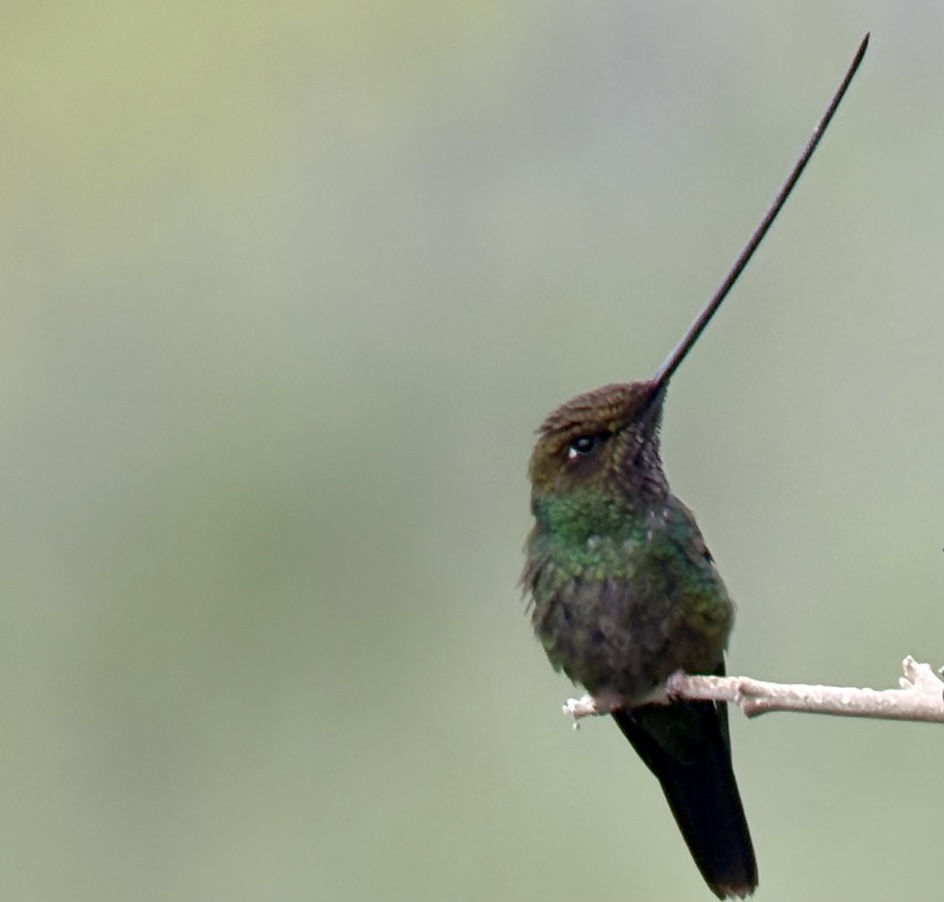
Sword-billed Hummingbird © Magill Weber

