

Difficulty
COASTAL FORESTS & OFFSHORE WATERS
North Carolina: From the Swamp to the Gulf Stream
Coastal North Carolina is one of the richest birding regions on the Atlantic Coast, where hardwood swamps, longleaf pine forests, salt marshes, and barrier islands shape an ever-changing mosaic of habitats. This spring journey blends intimate forest birding with two unforgettable Gulf Stream pelagic trips, offering close encounters with southeastern specialties and sought-after seabirds. From Painted Buntings and Red cockaded Woodpeckers in the pines to Black capped Petrels and storm petrels offshore, each day brings a new set of discoveries. With expert VENT leaders, comfortable lodging, fresh coastal seafood, and easy terrain, this tour delivers a dynamic and rewarding introduction to North Carolina’s birdlife.
Advance Booking Notice
This tour is currently open for reservations, though final pricing has not yet been published. Guests may secure a place on the departure by submitting the initial deposit. Full details are available in the FAQs.
Tour Overview
May 20–May 27, 2028
North Carolina’s coastal plain is a vibrant meeting point of forests, marshes, and open ocean, where breeding birds thrive in sheltered habitats and the warm Gulf Stream sweeps extraordinary seabird diversity close to shore. This thoughtfully paced spring tour offers an ideal blend of land and sea, inviting participants to explore the region’s iconic habitats with highly experienced VENT guides who bring deep knowledge of southeastern ecosystems and seabird identification.
The adventure begins in Wilmington, where hardwood swamps, quiet wetlands, and pine forest patches host a suite of southeastern specialties. Here, early morning light reveals Painted Buntings, Summer Tanagers, and Brown headed Nuthatches, while Prothonotary and Swainson’s warblers sing from shaded waterways. Along the coast, barrier island inlets attract Wilson’s Plovers, terns, pelicans, and migrating shorebirds, offering relaxed and scenic birding before you travel north toward Morehead City.
Farther up the coast, the Outer Banks present a different mood entirely: sweeping beaches, vast marshes, and shifting sand flats alive with herons, rails, gulls, and sparrows. Two full days at sea aboard the Stormy Petrel II bring you into the warm blue water of the Gulf Stream, where Black capped Petrel, Cory’s and Audubon’s shearwaters, Wilson’s and Band rumped storm petrels, Bridled Tern, and Pomarine Jaeger are regular. Rare treasures such as Bermuda Petrel or White tailed Tropicbird are always possible, and dolphins, sea turtles, and other marine life add excitement to the day.
With comfortable stays in Wilmington, Morehead City, Hatteras, and Norfolk, plus excellent seafood and easy walking terrain, this tour offers a welcoming introduction to one of the East Coast’s most dynamic birding regions.
Ecosystems Experienced
A blend of hardwood swamp, longleaf pine forest, blackwater river systems, salt marshes, estuaries, barrier beaches, dunes, and the offshore waters of the Gulf Stream. These habitats support southeastern breeders like Prothonotary Warbler, Bachman’s Sparrow, and Red cockaded Woodpecker, alongside seabirds that ride strong currents far from land.
Expected Climate
Temperature
Expect warm and humid spring conditions, with daytime highs in the low to mid 80s °F and mild evenings. Coastal breezes offer relief during the day, while early mornings are generally comfortable. Offshore conditions vary from calm and glassy to breezy and cool, so light layers and spray protection are recommended for pelagic trips.
Rainfall
Late May often brings mostly fair weather, though short showers or overcast periods are possible, particularly near marsh edges or during afternoon heat. Rain at sea is uncommon but not impossible. Most days offer long stretches of clear, bright birding conditions across both land and water.
Seasons
This tour occurs during late spring, when southeastern breeding birds are actively singing and territories are well established. Along the coast, lingering migrants mix with resident species, and the Gulf Stream brings peak diversity of seabirds to offshore waters.
Previous Field Reports
Key Species
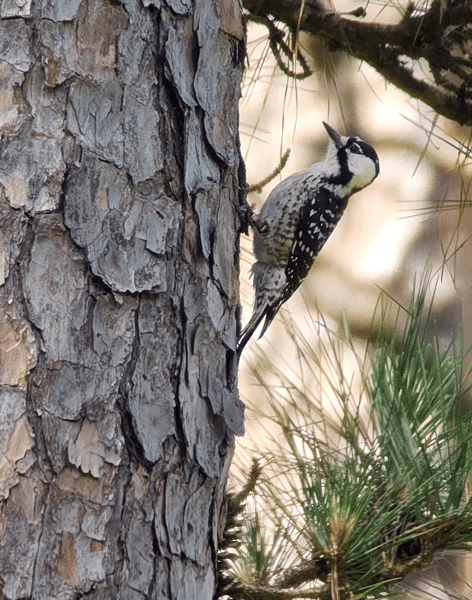
Red-cockaded Woodpecker
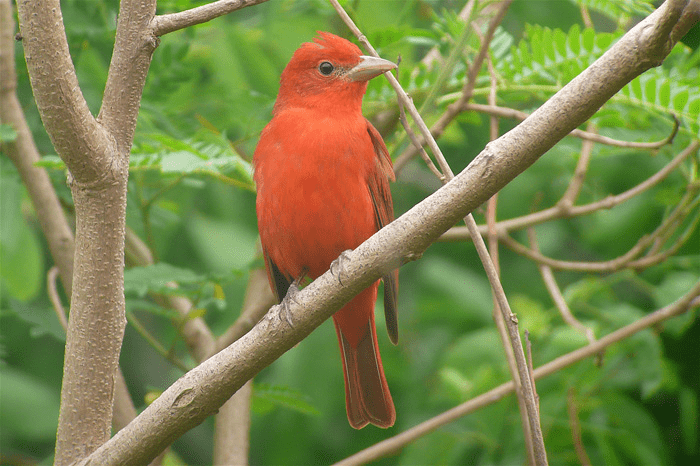
Summer Tanager
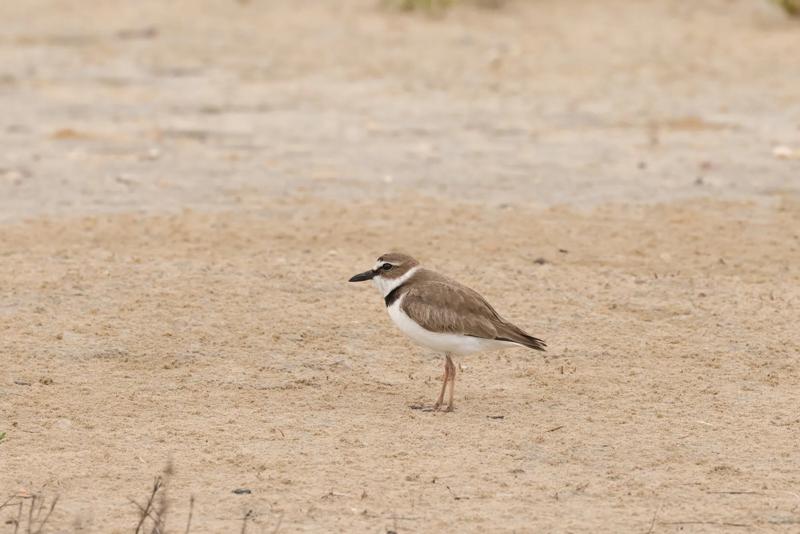
Wilson's Plover
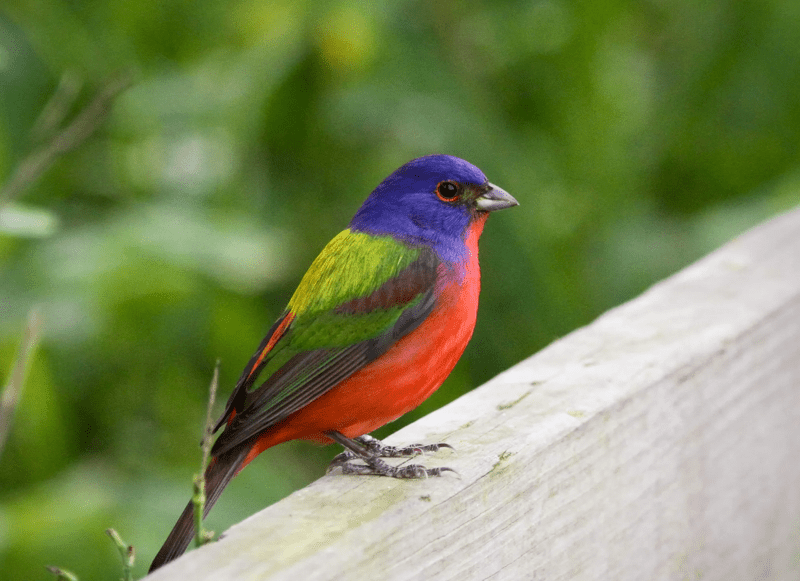
Painted Bunting
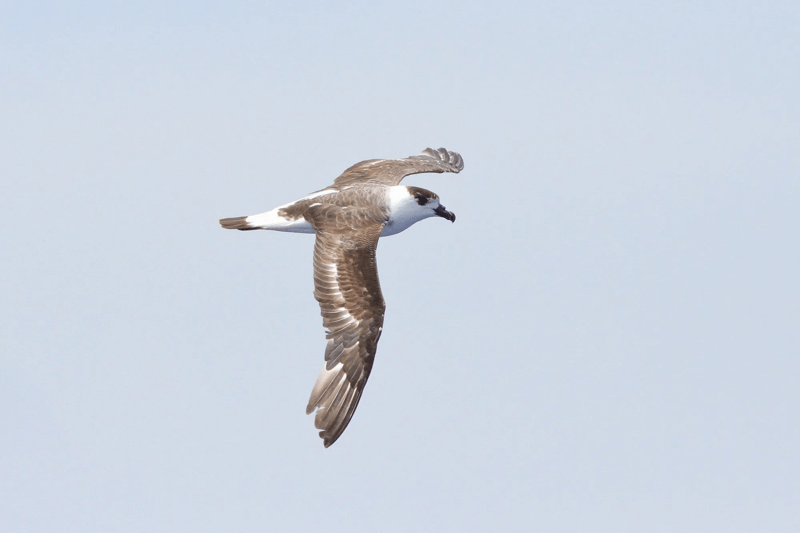
Black-capped Petrel
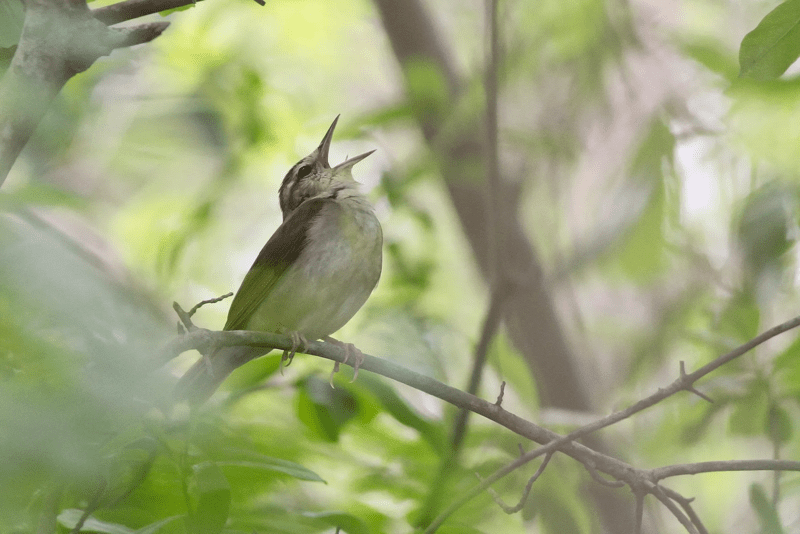
Swainson's Warbler
Leader
Kevin Burke
Primary Leader
Virginia-born birder and ecotourism guide with 20 years of experience leading tours across the Americas, inspiring connection with nature through exploration and discovery.
Read MoreItinerary
Click here to download the 2026 itinerary PDF
Day 1
Travel to and arrive in Wilmington and settle into the Hampton Inn Medical Park, your comfortable base near coastal forests and wetlands.
Meet your leaders and fellow travelers for a warm welcome and tour overview.
Day 2
Begin birding around Wilmington, watching Anhinga, Painted Bunting, and Prothonotary Warbler in morning light.
Continue north along the coast to Topsail Beach, scanning the New River Inlet for Wilson’s Plover and coastal birds.
Explore additional shoreline and marsh habitat as you transition toward Morehead City.
Tuck-in for the evening at the Hampton Inn, Morehead City.
Day 3
Search the pine savannas and pocosin habitat of Croatan National Forest for Red cockaded Woodpecker and Bachman’s Sparrow.
Walk shaded wetlands and forest edges for Swainson’s Warbler, Pine Warbler, and Brown headed Nuthatch.
After dinner, join an optional night outing for Chuck will’s widow near local pine stands.
Day 4
Explore the vast marshes of Cedar Island National Wildlife Refuge, where Seaside Sparrow and Clapper Rail thrive.
Ride the ferry to Ocracoke Island, enjoying views of terns and dolphins along the barrier island chain.
Arrive in Hatteras and settle into the Breakwater Inn for your first evening on the Outer Banks.
Day 5
Head offshore from Hatteras into the warm waters of the Gulf Stream aboard the Stormy Petrel II.
Watch shearwaters, storm petrels, and jaegers as expert spotters call out birds moving across blue water.
Spend a full day exploring rich offshore currents before returning to the village harbor.
Day 6
Venture again into the offshore waters beyond Cape Hatteras, increasing chances of rare seabirds.
Scan for Black capped Petrel, Bridled Tern, and the possibility of seldom seen species from the tropics.
If weather cancels the trip, enjoy relaxed land birding around the Hatteras area.
Day 7
Explore the impoundments of Pea Island National Wildlife Refuge, watching stilts, shorebirds, and late migrants.
Continue north to Oregon Inlet, where sandbars and surf zones host Piping Plover and Gull billed Tern.
End the day in Norfolk, settling into the Hampton Inn & Suites Norfolk Airport.
Day 8
Depart Norfolk at your convenience, carrying home the coastal, forest, and pelagic highlights of the week.
What’s Included
Accommodations & Dining
Settle into comfortable accommodations with modern amenities. Enjoy freshly prepared meals that highlight local flavors and international favorites, with consideration for any dietary needs.
Guided Services & Gratuities
Experience each destination with the help of Leaders who share history, culture, and wildlife insights. Gratuities for crew and local guides are included, ensuring seamless service without extra concerns; tipping for your Leaders is discretionary and not included.
Active Essentials
Every tour includes the core elements that make our field experiences possible so you can stay engaged with a range of activities. All outings include the necessary equipment and full safety support, making it easy to join at your own pace.
Transportation & Logistics
We coordinate every transfer, from airport pickup to port boarding. Whether traveling by bus, boat, or charter, our team ensures smooth connections and stress-free travel.
FAQs
Similar Trips
Loading calendar...