


Difficulty
ENDEMICS, HIGHLANDS, AND THE HEART OF THE SERRA DO MAR
Southeastern Brazil: Best of the Atlantic Forest
Journey through the lush mountains and coastlines of southeastern Brazil, home to one of the planet’s richest concentrations of endemic birds. This two-week exploration highlights the heart of the Atlantic Forest—where vibrant tanagers, antbirds, and hummingbirds fill the forests of Intervales and Itatiaia National Parks. Along the way, you’ll encounter spectacular scenery, from coastal rainforest and white-sand beaches to cloud-draped highlands and bamboo-filled valleys. With excellent lodges, delicious Brazilian cuisine, and the chance to see more than 140 regional endemics, this tour offers an unforgettable immersion in South America’s most diverse and endangered birding region.
Tour Overview
Oct 20–Nov 6, 2026
Oct 20–Nov 6, 2027
Southeastern Brazil is a land of beauty and biodiversity—a realm of mist-shrouded peaks, brilliant tropical birds, and the rhythmic song of forest life. Long separated from Amazonia, this region evolved a unique avifauna with more than 170 species found nowhere else on Earth.
This tour explores the finest birding regions in the Atlantic Forest, from the coastal lowlands of Ubatuba to the montane highlands of Intervales and Itatiaia National Parks. Together they form the heart of the Serra do Mar, a place of unparalleled natural richness. We’ll search for many of the area’s most celebrated species, including Black-fronted Piping-Guan, Swallow-tailed Cotinga, Slaty Bristlefront, and the dazzling Frilled Coquette. Among the 150+ endemics possible are brilliant tanagers, jewel-like hummingbirds, secretive antbirds, and elegant manakins—each revealing a new layer of this extraordinary landscape.
Beyond the birds, the journey itself is deeply rewarding: tranquil mornings amid bamboo forest alive with color, evenings filled with the soft calls of owls and nightjars, and time to experience Brazil’s warm hospitality. The combination of world-class birding, fine lodges, and scenic diversity makes this the perfect introduction to Brazil’s Atlantic Forest and a fitting “best of” experience for South America’s most storied birding region.
Ecosystems Experienced
The Atlantic Forest (Mata Atlântica) is one of the world’s most threatened biodiversity hotspots. Its complex mosaic of humid lowland rainforest, montane cloud forest, bamboo thickets, and coastal wetlands harbors extraordinary endemism. Brilliant tanagers, trogons, hummingbirds, and antbirds thrive alongside orchids, bromeliads, and towering palms—a living tapestry of color and sound.
Expected Climate
Temperature
Spring in southeastern Brazil brings mild to warm days, with temperatures ranging from the low 50s °F (10–12 °C) in the highlands to the mid-80s °F (28–30 °C) along the coast. Early mornings at higher elevations can feel cool, while afternoons are comfortably warm.
Rainfall
Light rain or mist is common, especially in montane areas like Itatiaia and Intervales. Showers are typically brief and add to the lush vibrancy of the forest, keeping bird activity high throughout the day.
Seasons
October and November mark the southern spring, when the Atlantic Forest bursts with life. Many birds are nesting or displaying, flowers are in bloom, and the landscape is at its greenest—an ideal time for both birding and photography.
Previous Field Reports
Key Species
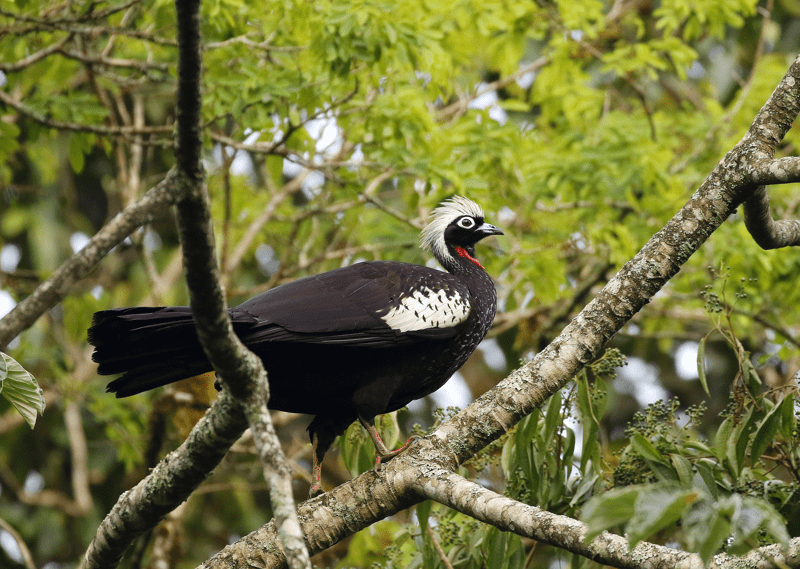
Black-fronted Piping-Guan
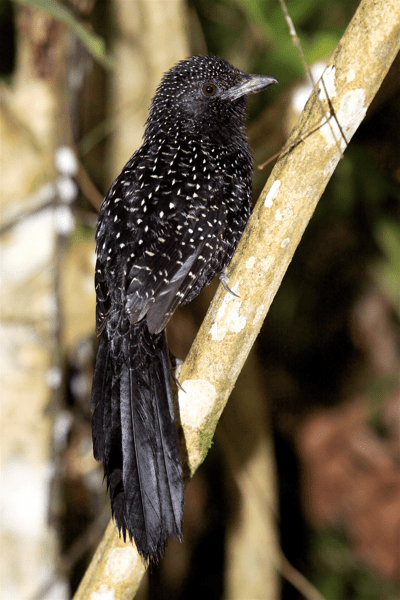
Large-tailed Antshrike
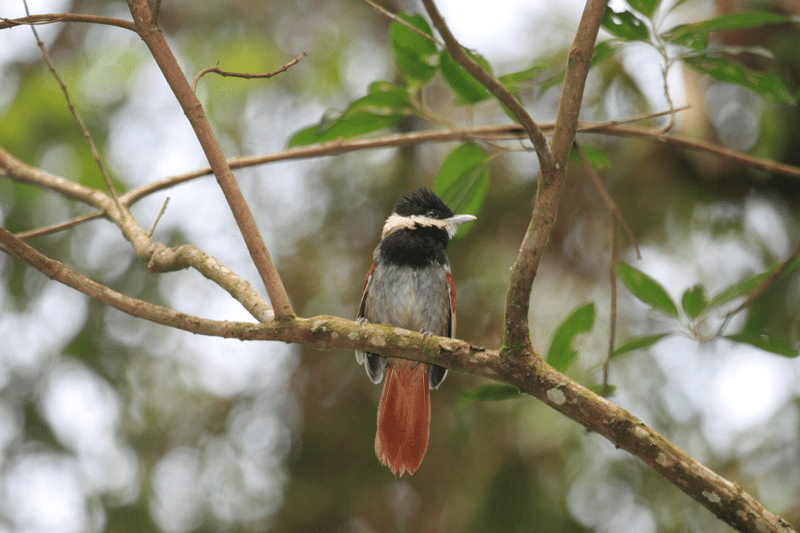
White-bearded Antshrike
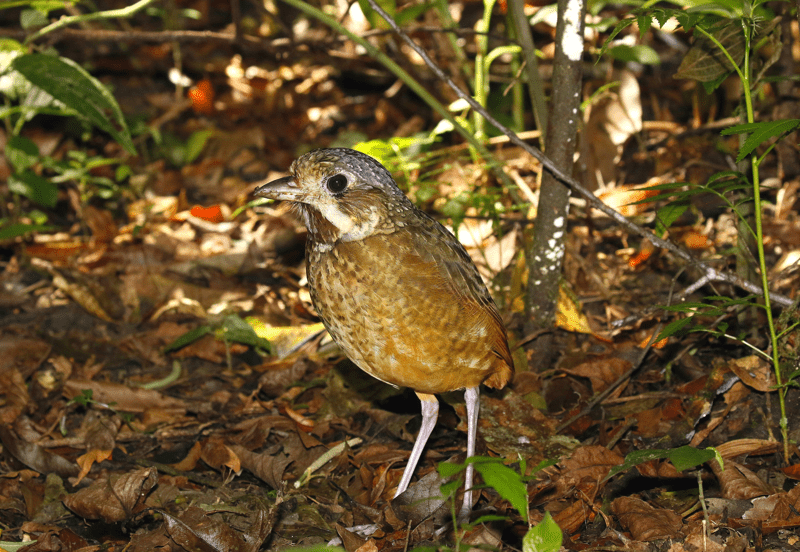
Variegated Antpitta
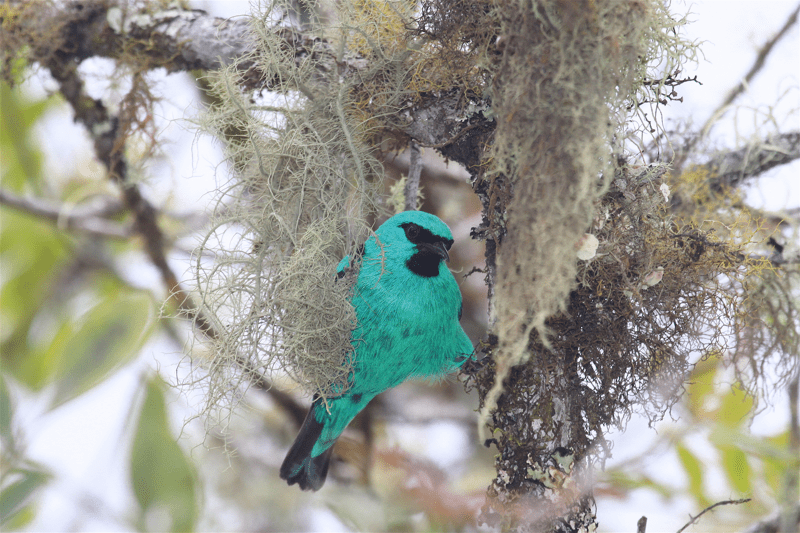
Black-legged Dacnis
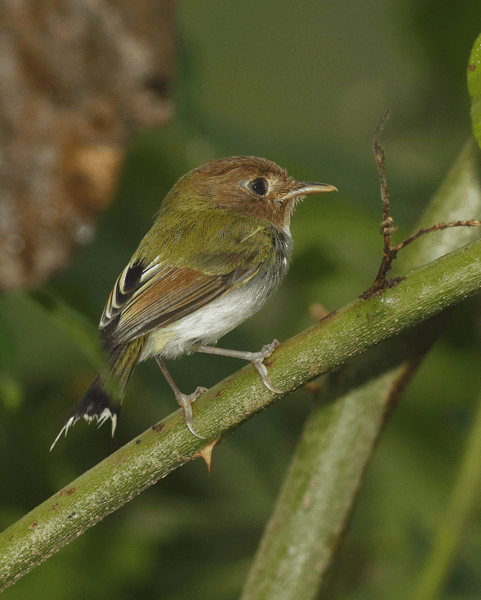
Fork-tailed Pygmy-Tyrant
Leader
+ Local Leader
Brian Gibbons
Primary Leader
Birder and field researcher with decades of experience studying and guiding across the Americas, known for his passion, precision, and love of bird photography.
Read MoreItinerary
Southeastern Brazil 2026
Day 1
Arrive at Guarulhos International Airport (GRU) and transfer to our nearby hotel for rest and orientation.
Enjoy a welcome dinner and introductions with your leaders and traveling companions.
Preview the incredible range of habitats and birds awaiting us across southeastern Brazil.
Day 2
Depart after breakfast for the scenic drive to Intervales, passing through farmland and forested foothills.
Begin birding on arrival along quiet park roads for early favorites such as Spot-billed Toucanet, Saffron Toucanet, and colorful tanagers.
Settle into our forest lodge surrounded by pristine Atlantic Forest and abundant birdlife.
Day 3
Greet the dawn chorus of trogons, antbirds, and manakins as mist lifts from the forest.
Explore interior trails and bamboo stands for Slaty Bristlefront, Spotted Bamboowren, and White-bearded Antshrike.
Enjoy a relaxed afternoon watching fruit feeders alive with tanagers, euphonias, and parakeets.
Day 4
Spend the morning on higher ridges and forest edges in search of Variegated Antpitta, Green-chinned Euphonia, and Yellow-fronted Woodpecker.
Watch the changing light sweep through the canopy as mixed flocks move through.
After dinner, optional night outing for Tawny-browed Owl, Long-trained Nightjar, and Giant Snipe.
Day 5
Venture into the interior forest for trogons, foliage-gleaners, and manakins amid towering trees and bromeliads.
Pause by forest streams for antthrushes and tapaculos in the understory.
Return to the lodge for an evening checklist and a fine Brazilian dinner.
Day 6
Flexible morning for revisiting favorite trails or searching for remaining targets.
Enjoy final views of the Atlantic Forest canopy and perhaps soaring raptors overhead.
Depart for the coast, stopping for birding and photographs along the descent.
Day 7
Descend from the Serra do Mar into lush lowland rainforest along Brazil’s spectacular coast.
Settle into our comfortable lodge in Ubatuba, surrounded by vibrant gardens and feeders.
Afternoon birding for Saw-billed Hermit, Festive Coquette, and Rufous-capped Motmot.
Day 8
Morning birding along forest trails for Crescent-chested Puffbird, Black-cheeked Gnateater, and Buff-throated Purpletuft.
Observe mixed flocks of manakins and tyrannulets moving through the shaded understory.
Return to the lodge in the afternoon for relaxed birding and hummingbird watching.
Day 9
Visit hummingbird gardens alive with Brazilian Ruby, Versicolored Emerald, and Glittering-throated Emerald.
Explore mangrove and wetland habitats for herons, sandpipers, and kingfishers along the coast.
Enjoy a quiet evening of seafood dining and review the day’s highlights.
Day 10
Revisit productive trails or photograph the feeders as hummingbirds and tanagers fill the gardens.
Enjoy a leisurely pace today before preparing for our journey into the mountains.
Evening checklist and farewell to the Atlantic coast.
Day 11
Drive north into Brazil’s first national park, ascending from coastal lowlands into montane forest.
Stop for streamside birding and lunch en route, with chances for tyrants and woodcreepers.
Arrive at our lodge set amid gardens and cloud forest vistas.
Day 12
Spend the morning among fruit feeders alive with Green-headed, Magpie, and Palm tanagers.
Walk shaded trails for Spot-billed Toucanet, White-barred Piculet, and Rufous-capped Antthrush.
Afternoon rest or optional photography from the lodge verandas.
Day 13
Early departure for the upper slopes of Itatiaia along the Agulhas Negras Road.
Search the high-elevation grasslands and elfin forest for Itatiaia Spinetail, Black-and-gold Cotinga, and Rufous-tailed Antbird.
Return to the lodge mid-afternoon, watching for mixed flocks along the way.
Day 14
Focus on montane bamboo thickets where Slaty Bristlefront, tapaculos, and antthrushes hide.
Enjoy sweeping views of the surrounding peaks and valleys.
After dark, optional night birding for Buff-fronted Owl or Long-trained Nightjar.
Day 15
Morning devoted to finding Giant Antshrike, Half-collared Sparrow, and other remaining targets.
Spend time photographing colorful tanagers, euphonias, and hummingbirds at the feeders.
Relaxed afternoon to enjoy the lodge grounds or explore nearby forest trails.
Day 16
Final birding sessions for lingering species as mist drifts through the forest canopy.
Reflect on the incredible diversity of the Atlantic Forest over breakfast.
Begin the drive back toward São Paulo, stopping for birding and scenic overlooks.
Day 17
Continue to São Paulo with birding stops en route for open-country species.
Arrive by afternoon and check into our airport hotel.
Gather for a farewell dinner celebrating the birds, landscapes, and friendships formed along the way.
Day 18
Morning transfers to Guarulhos International Airport for international flights home.
Depart with lasting memories of Brazil’s endemic-rich forests and breathtaking mountain scenery.
What’s Included
Accommodations & Dining
Settle into comfortable accommodations with modern amenities. Enjoy freshly prepared meals that highlight local flavors and international favorites, with consideration for any dietary needs.
Guided Services & Gratuities
Experience each destination with the help of Leaders who share history, culture, and wildlife insights. Gratuities for crew and local guides are included, ensuring seamless service without extra concerns; tipping for your Leaders is discretionary and not included.
Active Essentials
Every tour includes the core elements that make our field experiences possible so you can stay engaged with a range of activities. All outings include the necessary equipment and full safety support, making it easy to join at your own pace.
Transportation & Logistics
We coordinate every transfer, from airport pickup to port boarding. Whether traveling by bus, boat, or charter, our team ensures smooth connections and stress-free travel.
FAQs
Similar Trips
Loading calendar...