


Difficulty
Wetlands of the Río de la Plata
Antarctica: Buenos Aires Pre-trip
An ideal introduction to southern South American birding, this relaxed pre-cruise extension explores Buenos Aires’ famed wetlands and pampas habitats. Easy walking, abundant waterbirds, and an impressive diversity of mainland species make for a rewarding complement to our Southern Ocean expedition.
Tour Overview
Before we set sail for Antarctica and the sub-Antarctic islands, we pause in Buenos Aires—an elegant capital where European architecture, leafy parks, and riverfront wetlands meet the vast Pampas. While often celebrated for its culture and cuisine, the city is equally compelling for birders. Within an hour of downtown lie two of Argentina’s most important bird areas, offering remarkably accessible and productive birding.
At Costanera Sur, a sprawling protected wetland along the Río de la Plata, ponds, mudflats, and reedbeds teem with life. Elevated levees and viewing platforms allow close study of an extraordinary range of waterfowl, gulls, shorebirds, and marsh specialists. Coscoroba Swan, Rosy-billed Pochard, Silver and Ringed teal, Southern Lapwing, and Snowy-crowned Tern are among the many highlights. Wooded edges host Monk and Nanday parakeets, while hummingbirds flicker through flowering shrubs.
North of the city, the Paraná River Delta opens into a labyrinth of marshes, reedbeds, shallow lagoons, and remnant pampas grasslands. This critical habitat—now scarce elsewhere—supports an exciting array of regional specialties. Dirt roads and open vistas provide excellent viewing for bitterns, crakes, harriers, marshbirds, woodpeckers, and reedhaunters. If time permits, we explore adjacent Espinal woodlands for additional species characteristic of Argentina’s interior.
Comfortable accommodations, excellent Argentine cuisine, and easy terrain combine to make this short pre-trip both relaxing and richly productive—an engaging mainland prelude before heading south to the wildlife spectacles of the Southern Ocean.
Ecosystems Experienced
Buenos Aires lies at the edge of the Río de la Plata estuary, where pampas grasslands merge with wetlands, marshes, and riverine corridors. Costanera Sur preserves lagoons and reedbeds within sight of the city skyline, while the Paraná Delta unfolds into vast mosaics of shallow water, mudflats, and seasonally flooded grasslands. These habitats support a remarkable concentration of southern South American waterfowl, marshbirds, raptors, and open-country passerines.
Expected Climate
Temperature
Expect warm to hot summer conditions. Daytime highs typically reach the mid-80s to low 90s °F (around 29–32 °C), with mild, comfortable evenings.
Rainfall
Summer is the wetter season. Brief afternoon thunderstorms are possible, often alternating with bright sunshine.
Seasons
This extension takes place during the austral summer, when wetlands are lush, bird activity is high, and long daylight hours allow ample time in the field.
Key Species
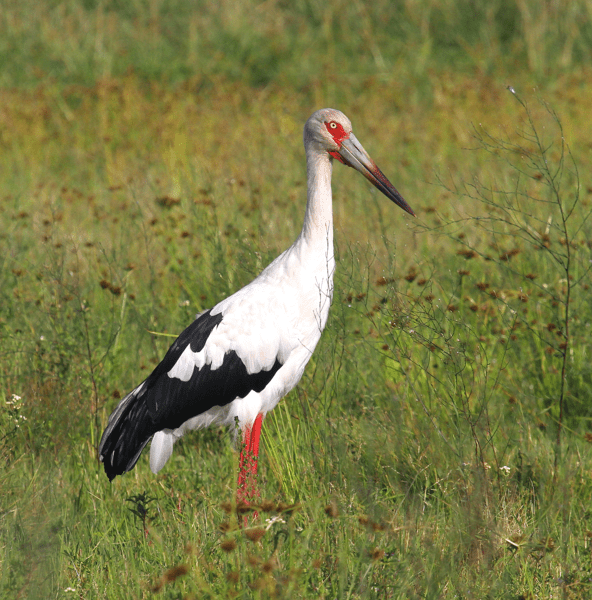
Maguari Stork
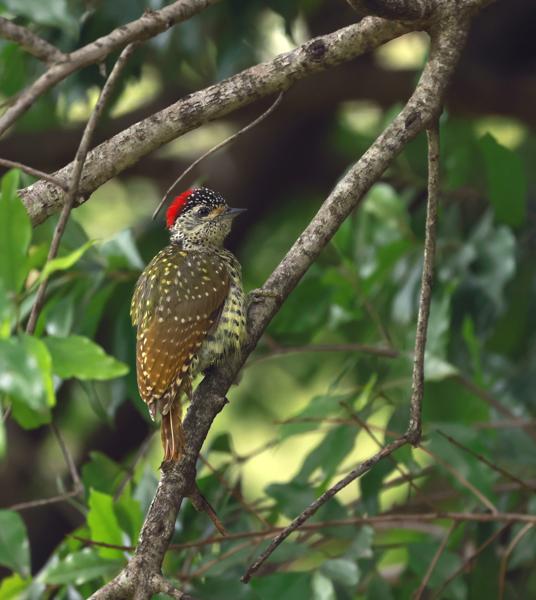
Green-barred Woodpecker
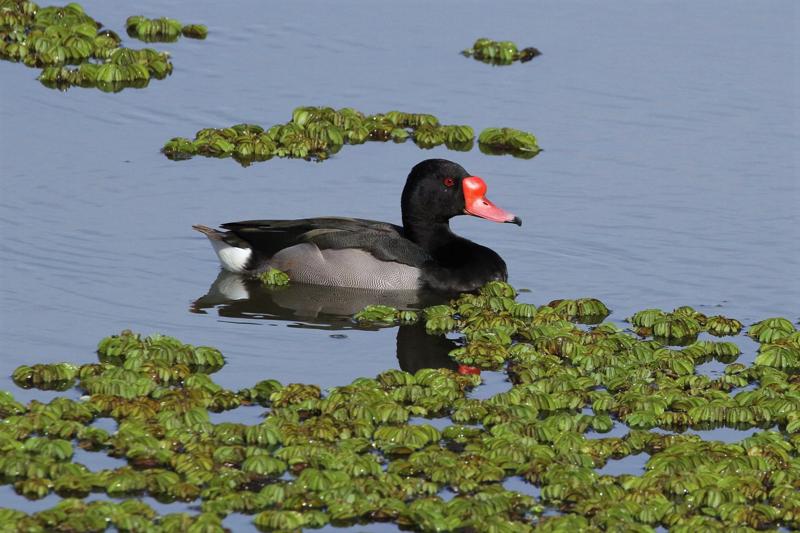
Rosy-billed Pochard
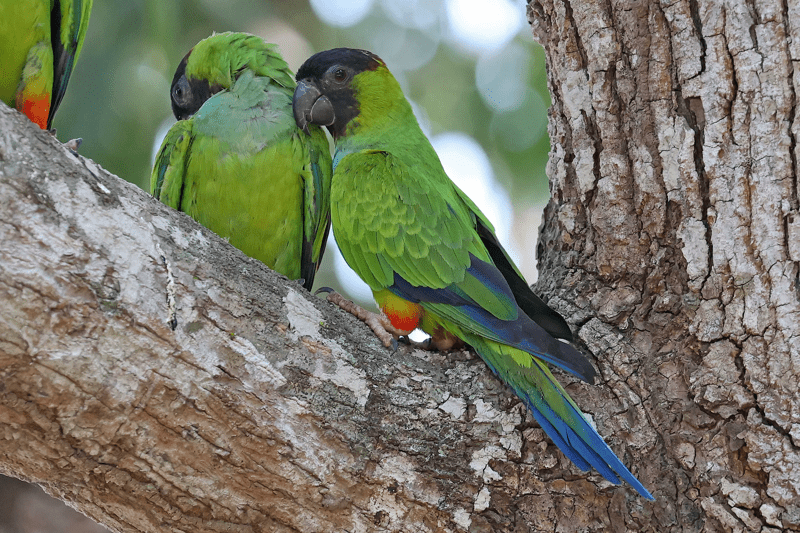
Nanday Parakeet
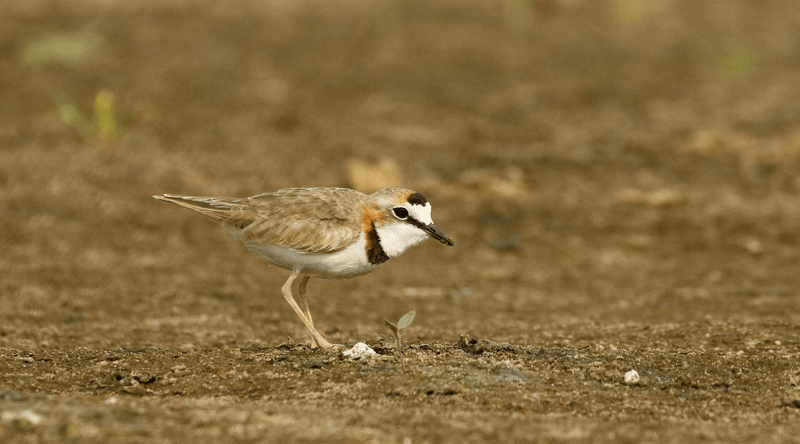
Collared Plover
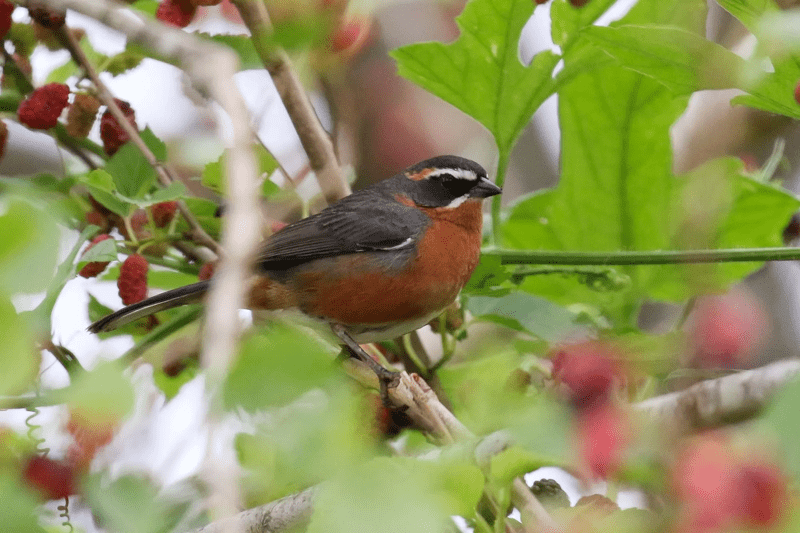
Black-and-rufous Warbling-finch
Leader
+ Local Leader
Max Breckenridge
Primary Leader
Australian bird guide and conservationist with deep field experience, known for his sharp ear, adventurous spirit, and dedication to bird protection.
Read MoreItinerary
Day 1
Depart the U.S. for Buenos Aires, Argentina, on your overnight flight.
Day 2
Arrive in Buenos Aires, transfer to your hotel, and settle in before an afternoon visit to Costanera Sur, a vibrant urban wetland filled with waterbirds and shorebirds.
Enjoy a welcome introduction followed by birding highlights like Coscoroba Swan, Southern Lapwing, and Red-crested Cardinal before returning to the hotel.
Day 3
Spend a full day exploring the Paraná River Delta north of Buenos Aires and the marshes of Entre Ríos, moving through wetlands, forest patches, and open water habitat.
Look for a rich mix of Argentine birdlife including Maguari Stork, Snail Kite, Rufous-sided Crake, and Scarlet-headed Blackbird before returning to Buenos Aires for the evening.
Day 4
Transfer to Buenos Aires’ Jorge Newbery Airfield for your flight south to Ushuaia, the gateway to Patagonia.
Arrive in Ushuaia, meet your local hosts, and transfer to the hotel as the cruise program begins.
What’s Included
Accommodations & Dining
Settle into comfortable accommodations with modern amenities. Enjoy freshly prepared meals that highlight local flavors and international favorites, with consideration for any dietary needs.
Guided Services & Gratuities
Experience each destination with the help of Leaders who share history, culture, and wildlife insights. Gratuities for crew and local guides are included, ensuring seamless service without extra concerns; tipping for your Leaders is discretionary and not included.
Active Essentials
Every tour includes the core elements that make our field experiences possible so you can stay engaged with a range of activities. All outings include the necessary equipment and full safety support, making it easy to join at your own pace.
Transportation & Logistics
We coordinate every transfer, from airport pickup to port boarding. Whether traveling by bus, boat, or charter, our team ensures smooth connections and stress-free travel.
FAQs
These trip extensions are thoughtfully crafted to enhance the primary tour and are usually arranged as part of the full itinerary. If you would like to explore booking this extension on its own, we invite you to call our office so we can review availability and discuss the best approach for your plans.
Jan 6–Jan 9, 2027
Open