

Difficulty
Bay of Fundy Migration Spectacle
Autumn Grand Manan
Experience fall migration from the rugged shores of Grand Manan Island, where cold-water upwellings fuel superb seabirding and whales patrol submarine canyons. This relaxed coastal tour combines pelagic adventure, migrant songbirds, and peak shorebird movement in one of North America’s most dynamic marine environments.
Tour Overview
Aug 30–Sep 5, 2027
Aug 28–Sep 3, 2028
Set at the mouth of the Bay of Fundy, Grand Manan offers one of the most compelling autumn migration experiences on the continent. Here, immense tides surge through deep submarine canyons, driving nutrient-rich upwellings that support extraordinary concentrations of seabirds and marine mammals. The result is pelagic birding of rare quality—accessible from a comfortable island base amid dramatic maritime scenery.
Our full day at sea places us among Great, Sooty, and Manx shearwaters, Wilson’s and Leach’s storm-petrels, Northern Gannets, jaegers, kittiwakes, alcids, and—on fortunate days—even skuas moving through the rich waters of the Fundy system. Atlantic Puffins and Razorbills may pass close to the boat, while phalaropes spin delicately on the swells. Some seasons, however, the whales steal the show, with Humpback, Finback, and Minke Whales regularly encountered, and always the slim but thrilling possibility of the endangered North Atlantic Right Whale.
On land, Grand Manan’s spruce-fir forests, hedgerows, and sheltered coves host an impressive diversity of migrant landbirds. More than 20 species of warblers are possible, along with flycatchers, sparrows, and finches moving southward. At Castalia Marsh we make a special effort for Nelson’s Sparrow, while rocky shorelines yield Common Eiders, Black Guillemots, Great Cormorants, loons, and scoters. Shorebird migration can be especially rewarding, with more than 15 species possible during peak movement.
Comfortable accommodations, minimal walking, and a relaxed pace allow us to savor both the wildlife and the island’s maritime charm. This is migration at its most elemental—wind, tide, and wings converging along a storied Atlantic coast.
Ecosystems Experienced
Grand Manan lies at the meeting point of powerful ocean currents and the extreme tidal forces of the Bay of Fundy. Rocky cliffs and headlands rise above intertidal flats and tidal marshes, while offshore submarine canyons generate cold-water upwellings that sustain vast marine food webs. Spruce-fir forests and salt-spray thickets provide shelter for migrant passerines, and sheltered marshes attract shorebirds and sparrows. The convergence of open ocean, coastal wetlands, and boreal woodland creates one of northeastern North America’s most productive migration staging areas.
Expected Climate
Temperature
Early September brings generally mild maritime conditions. Daytime highs typically hover in the low 60s °F, with evenings cooling into the 50s °F. Breezes off the Bay of Fundy can add a chill, especially during pelagic outings, so layered clothing is advisable.
Rainfall
Precipitation is moderate and possible at any time. Passing showers or coastal drizzle may occur, though extended heavy rain is uncommon. Weather patterns can shift quickly in this maritime setting.
Seasons
Late summer transitioning into early autumn is prime migration season. Daylight is still generous, temperatures remain comfortable, and both seabird movement offshore and landbird passage through coastal forests are in full swing. This seasonal overlap of marine productivity and terrestrial migration makes Grand Manan a superb base for experiencing the drama of fall along the North Atlantic coast.
Previous Field Reports
Key Species
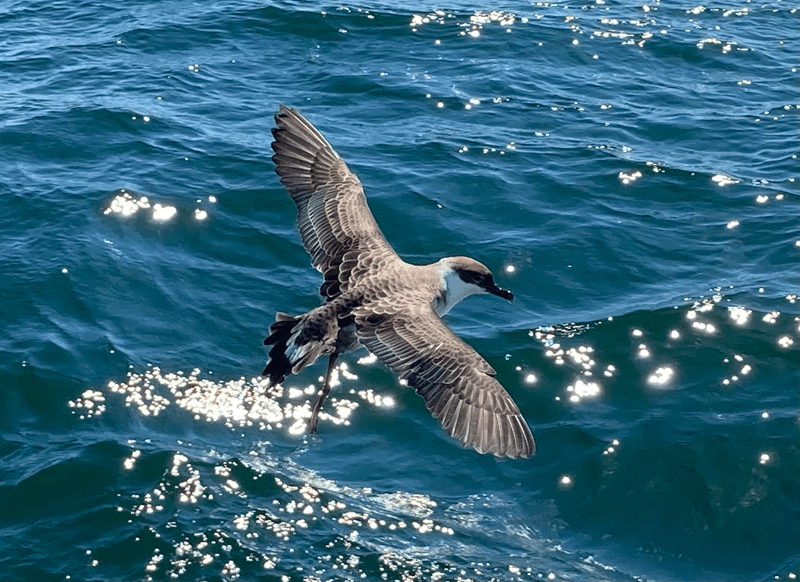
Great Shearwater
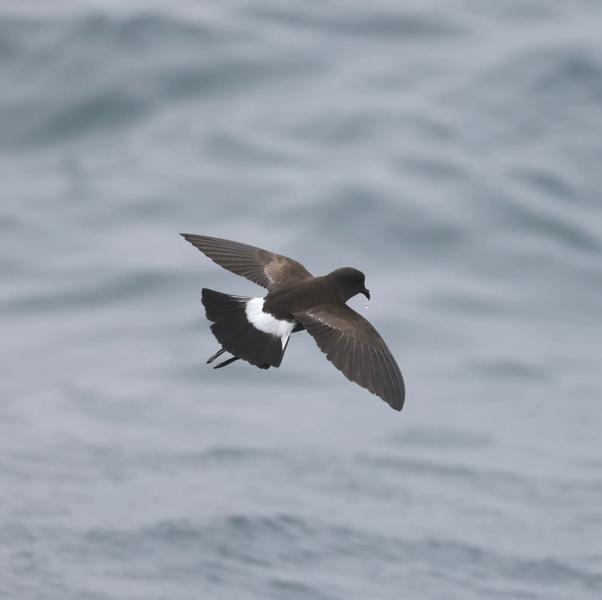
Wilson's Storm-Petrel
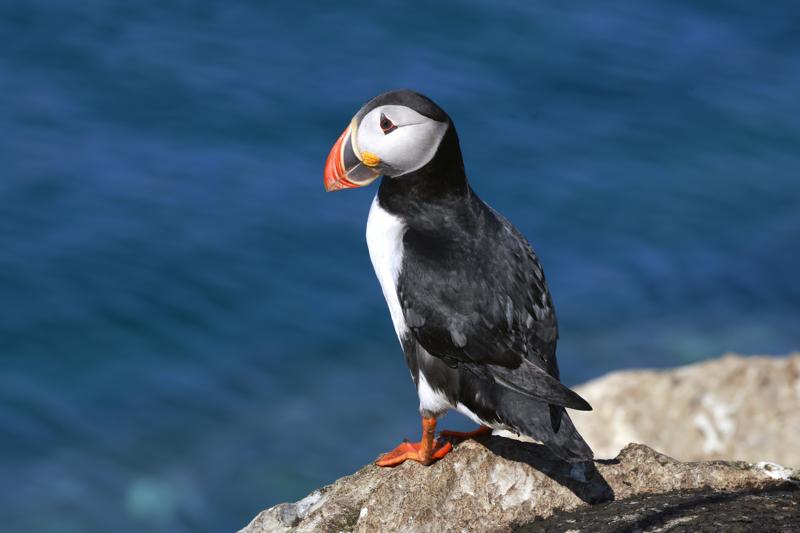
Atlantic Puffin
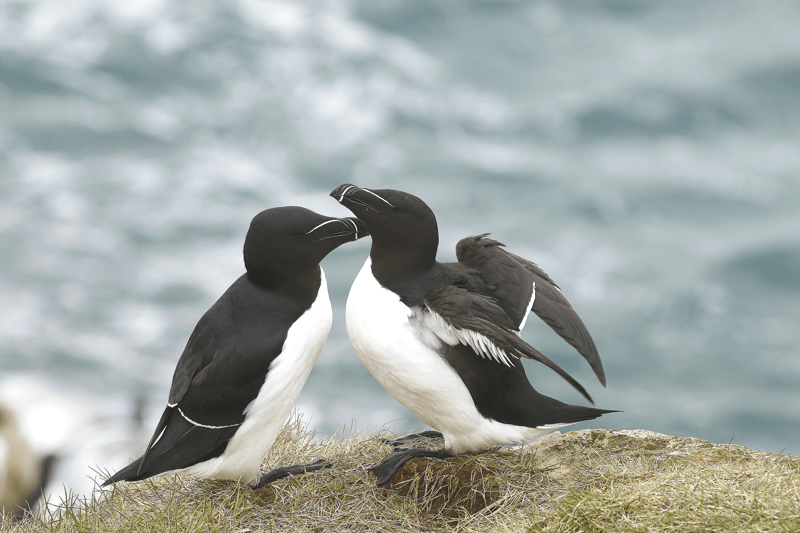
Razorbill
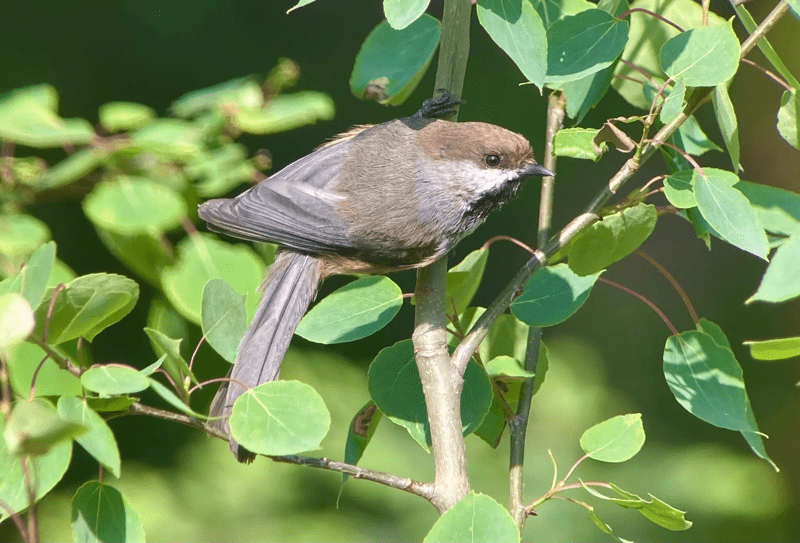
Boreal Chickadee
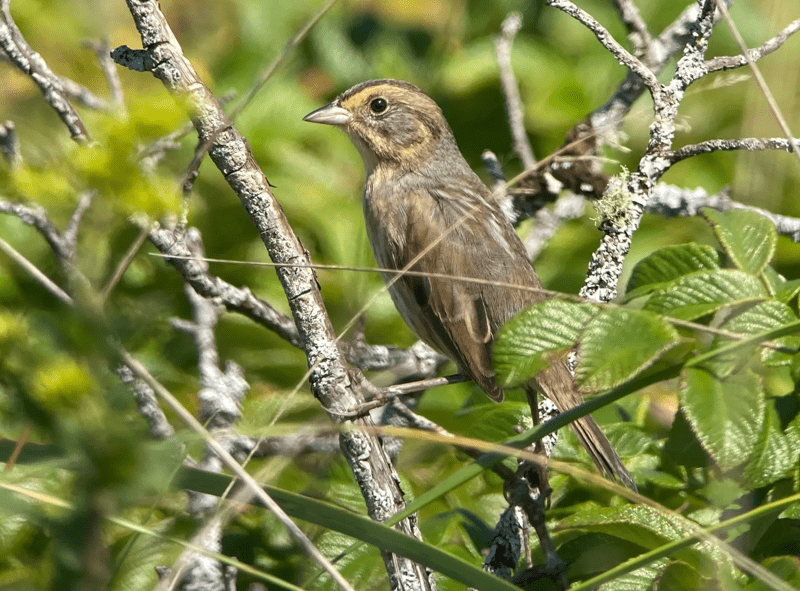
Nelson's Sparrow
Leader
+ Additional VENT Leader
Barry Zimmer
Primary Leader
Veteran birder, author, and photographer with global experience, deep expertise in North and Central American birds, and a lifelong passion for documenting the natural world.
Read MoreItinerary
Click here to download the 2026 itinerary PDF
Day 1
Arrive in Bangor, Maine and gather for an evening welcome dinner.
Introduction to the region’s migration dynamics and overview of the days ahead.
Day 2
Morning drive to Blacks Harbour, New Brunswick.
Ferry crossing to Grand Manan Island with opportunities for seabirds en route.
Afternoon arrival and initial coastal birding near the inn.
Day 3
Full-day pelagic excursion into the Bay of Fundy’s rich offshore waters.
Search for shearwaters, storm-petrels, jaegers, alcids, and whales.
Evening recap and checklist.
Day 4
Morning exploration of island forests and hedgerows for migrant warblers and sparrows.
Shoreline birding for eiders, guillemots, loons, and passing raptors.
Flexible afternoon targeting seasonal highlights.
Day 5
Visit to Castalia Marsh in search of Nelson’s Sparrow.
Peak shorebird scanning and continued landbird migration coverage.
Optional coastal walks for additional seabird observation.
Day 6
Morning birding session before departing the island.
Ferry return to the mainland with seabird opportunities.
Scenic drive back toward Bangor with birding stops en route and farewell dinner.
Day 7
Depart from Bangor.
What’s Included
Accommodations & Dining
Settle into comfortable accommodations with modern amenities. Enjoy freshly prepared meals that highlight local flavors and international favorites, with consideration for any dietary needs.
Guided Services & Gratuities
Experience each destination with the help of Leaders who share history, culture, and wildlife insights. Gratuities for crew and local guides are included, ensuring seamless service without extra concerns; tipping for your Leaders is discretionary and not included.
Active Essentials
Every tour includes the core elements that make our field experiences possible so you can stay engaged with a range of activities. All outings include the necessary equipment and full safety support, making it easy to join at your own pace.
Transportation & Logistics
We coordinate every transfer, from airport pickup to port boarding. Whether traveling by bus, boat, or charter, our team ensures smooth connections and stress-free travel.
FAQs
Similar Trips
Loading calendar...