

Difficulty
Wetlands & Jungle Riches
Best of Belize: Crooked Tree & Chan Chich Lodge
Experience the best of Belize in one perfectly balanced journey—from the waterbird spectacle of Crooked Tree to the pristine forests of Chan Chich Lodge. Timed for peak concentrations and guided by VENT’s most experienced leaders, this tour blends tropical savannas, lagoon explorations, and vast protected rainforest into a week of exceptional birding, comfort, and immersion in wild Central America.
Tour Overview
Mar 15–Mar 23, 2027
Mar 13–Mar 22, 2028
Belize may be compact in size, but it delivers outsized biodiversity. Our week begins in the Crooked Tree region, just north of Belize City, where seasonal water levels concentrate herons, storks, rails, and raptors in remarkable numbers. Boat excursions along lagoon edges and Spanish Creek reveal specialties such as Agami Heron, Boat-billed Heron, Bare-throated Tiger-Heron, Sungrebe, American Pygmy Kingfisher, and—when conditions align—the magnificent Jabiru. Pine savannas and thorn scrub nearby support Yucatan Woodpecker, Yucatan Jay, Yellow-headed Parrot, and a host of tropical migrants and residents.
From the wetlands we transition westward by charter flight into the Gallon Jug Estate and the renowned Chan Chich Lodge, set within more than 30,000 acres of protected subtropical moist forest. Here, birding begins the moment you step from your cabaña. Ocellated Turkey strolls the clearing; hummingbird feeders host jacobins and hermits; and fruiting trees attract toucans, parrots, trogons, and tanagers. Forest trails and quiet roads lead through varied habitats—taller rainforest, bajo forest, escarpments, and creek corridors—where specialties such as Great Curassow, Crested Guan, Ornate Hawk-Eagle, Tody Motmot, Gray-throated Chat, and Rose-throated Tanager remain possible.
Raptors are a particular highlight, with kites, hawks, eagles, and even King Vulture regularly encountered. Night walks and drives add the possibility of potoos, owls, nightjars, and—on fortunate evenings—Ocelot or other elusive mammals. Comfortable accommodations, excellent cuisine, and a relaxed pace allow us to fully absorb the sensory richness of Belize’s forests and wetlands.
Ecosystems Experienced
Northern Belize presents a compelling rainforest-to-wetland gradient. Around Crooked Tree, expansive lagoons, seasonally flooded marshes, pine savannas, thorn scrub, and scattered woodlands form a dynamic mosaic shaped by shifting water levels. These habitats concentrate waterbirds and support regional endemics of the Yucatán Peninsula.
Farther west, the Gallon Jug and Chan Chich region protects one of the largest remaining tracts of undisturbed lowland broadleaf forest in Central America. Taller seasonal rainforest, drier bajo forest, forest creeks, escarpments, and open clearings create exceptional habitat diversity within a relatively compact area. Wildlife corridors remain intact, allowing healthy populations of large birds and mammals to persist.
Expected Climate
Temperature
March falls within Belize’s dry season. Typical lows range from the low 60s to low 70s °F, while daytime highs commonly reach the mid to upper 80s °F. Midday conditions can feel hot and humid, with Crooked Tree often slightly warmer than Chan Chich. On rare occasions temperatures may approach the upper 90s °F.
Rainfall
Although March is part of the dry season (generally December through May), showers remain possible at any time in this lush tropical environment. Brief rains may occur, and carrying light rain protection is advisable. Seasonal water levels strongly influence concentrations of birds in wetland habitats, particularly at Crooked Tree Lagoon.
Seasons
Late winter to early spring in Belize offers relatively drier conditions, active birdlife, and optimal access to both wetlands and forest trails. Falling water levels at Crooked Tree often produce impressive congregations of waterbirds, while rainforest species are vocal and active. The combination of seasonal stability and tropical vitality makes this an ideal window for exploring Belize’s premier birding landscapes.
Previous Field Reports
Key Species
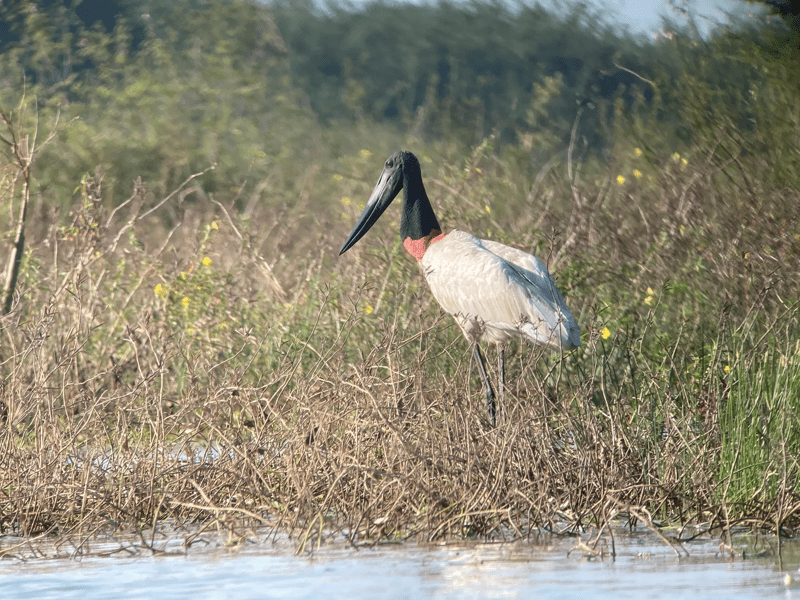
Jabiru
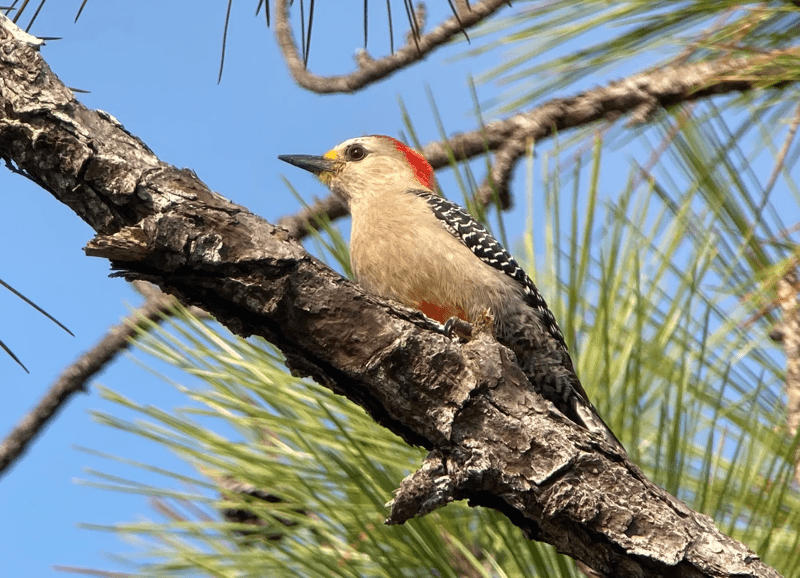
Yucatan Woodpecker
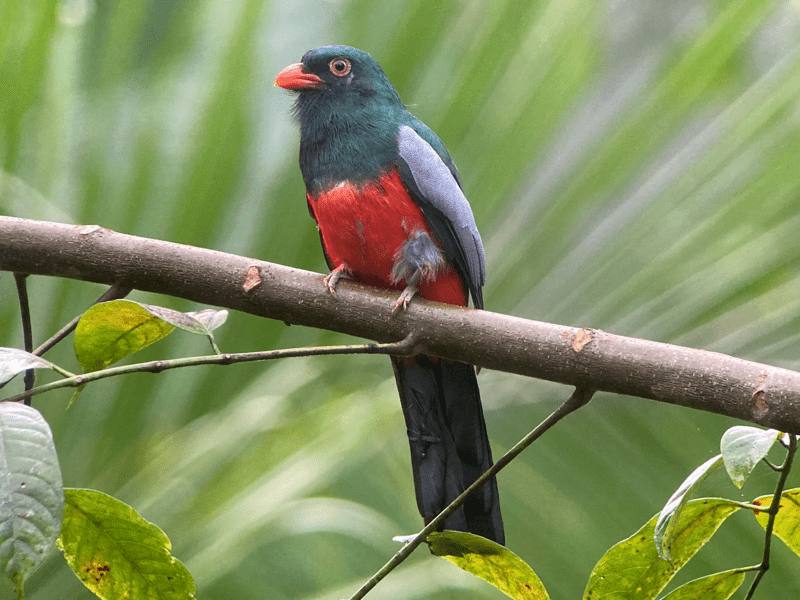
Slaty-tailed Trogon
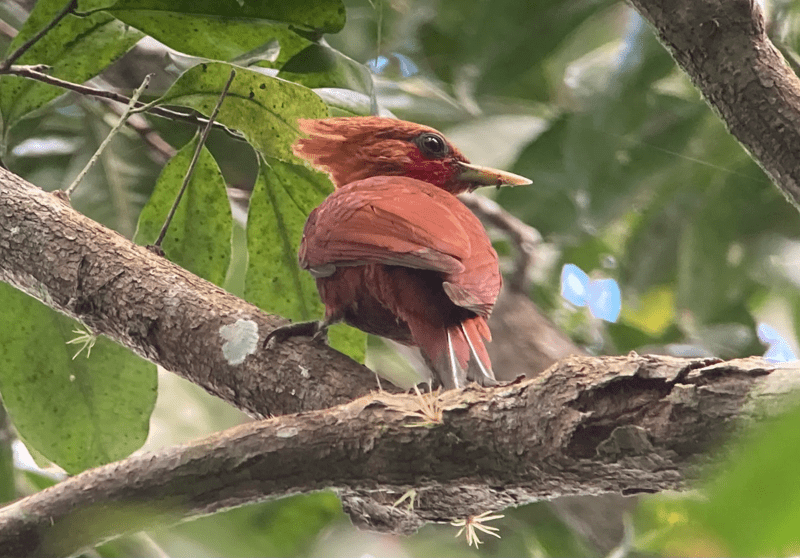
Chestnut-colored Woodpecker
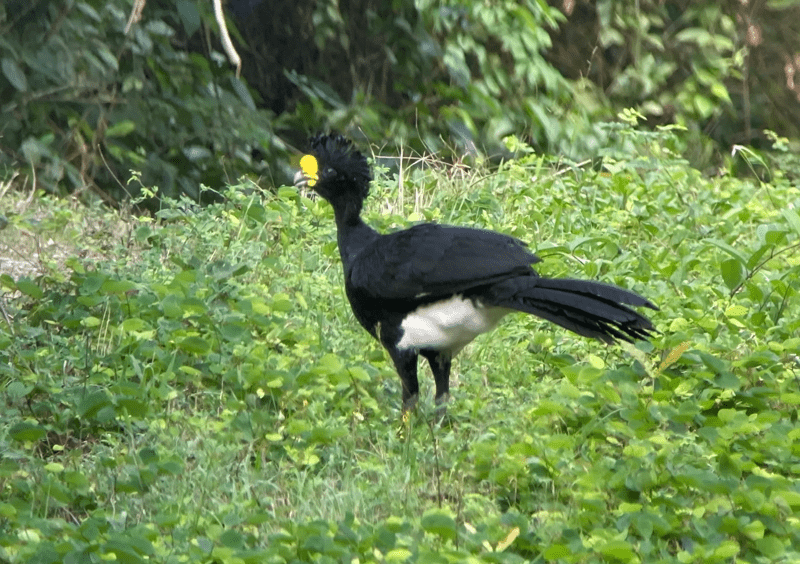
Great Curassow
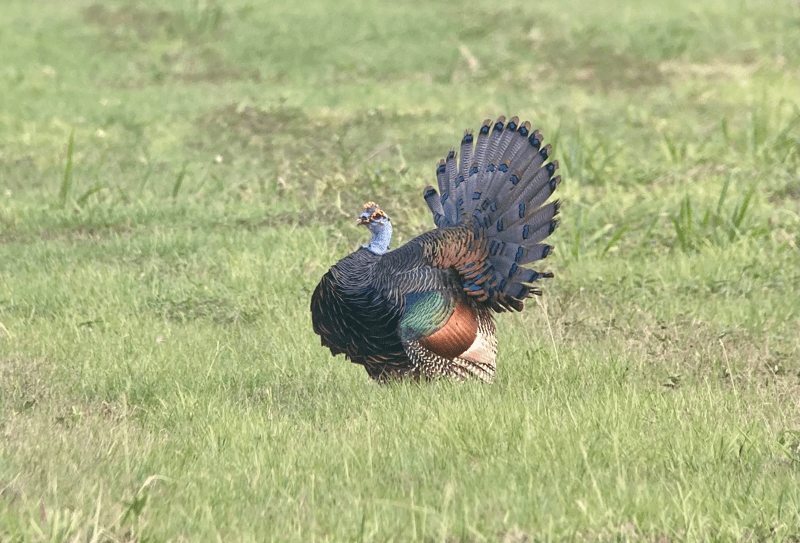
Ocellated Turkey
Leader
+ Additional VENT Leader
Barry Zimmer
Primary Leader
Veteran birder, author, and photographer with global experience, deep expertise in North and Central American birds, and a lifelong passion for documenting the natural world.
Read MoreItinerary
Click here to download the 2027 itinerary PDF
Day 1
Arrive in Belize City and transfer to hotel near the waterfront.
Optional afternoon birding around hotel grounds.
Welcome gathering and dinner.
Day 2
Early departure to Crooked Tree region for savanna and pine forest birding.
Scan lagoon crossings for herons, raptors, rails, and Jabiru.
Afternoon birding near Belize City hotel gardens and shoreline.
Day 3
Early morning boat trip on Crooked Tree Lagoon and Spanish Creek.
Target Sungrebe, Agami Heron, Boat-billed Heron, and other wetland specialties.
Charter flight west to Gallon Jug and transfer to Chan Chich Lodge.
Day 4
Morning birding around lodge clearing and feeders.
Forest trails toward suspension bridge and Maya plaza ruins.
Afternoon exploration of nearby trails or road network.
Day 5
Birding in taller rainforest for trogons, woodcreepers, and mixed flocks.
Visit creekside bathing areas for close-range forest species.
Evening spotlighting for owls and mammals.
Day 6
Evening spotlighting for owls and mammals.
Focus on raptors including hawk-eagles, kites, and King Vulture.
Afternoon forest walk in bajo habitat.
Day 7
Explore drier forest and open areas around Gallon Jug.
Search for Gray-throated Chat and Rose-throated Tanager.
Optional night walk for potoos and nightjars.
Day 8
Flexible day targeting any missed specialties.
Combination of trail walking and safari-style vehicle exploration.
Final celebratory dinner at the lodge.
Day 9
Early morning birding around lodge grounds.
Charter flight to Belize City.
Departures home. Departing flights should be scheduled no earlier than 1pm.
What’s Included
Accommodations & Dining
Settle into comfortable accommodations with modern amenities. Enjoy freshly prepared meals that highlight local flavors and international favorites, with consideration for any dietary needs.
Guided Services & Gratuities
Experience each destination with the help of Leaders who share history, culture, and wildlife insights. Gratuities for crew and local guides are included, ensuring seamless service without extra concerns; tipping for your Leaders is discretionary and not included.
Active Essentials
Every tour includes the core elements that make our field experiences possible so you can stay engaged with a range of activities. All outings include the necessary equipment and full safety support, making it easy to join at your own pace.
Transportation & Logistics
We coordinate every transfer, from airport pickup to port boarding. Whether traveling by bus, boat, or charter, our team ensures smooth connections and stress-free travel.
FAQs
Similar Trips
Loading calendar...