


Difficulty
Four Realms, One Remarkable Country
Best of Costa Rica
Discover why Costa Rica remains one of the world’s premier destinations for Neotropical birding. In a country smaller than West Virginia, we traverse mist-laden highland forests, lush Caribbean lowlands, Pacific slope rainforest, and volcanic cordilleras alive with regional endemics. With comfortable lodges, excellent cuisine, and superb birding right on the grounds of each property, this thoughtfully designed itinerary offers both an inspiring introduction to tropical diversity and a deeply rewarding experience for seasoned birders. From Resplendent Quetzal in cool mountain forests to Scarlet Macaws along the Pacific, the variety is simply astonishing.
Tour Overview
Feb 28–Mar 12, 2027
Feb 26–Mar 8, 2028
Costa Rica’s extraordinary diversity is shaped by elevation, rainfall, and geography. Our journey begins in the high Talamanca Mountains at Cerro de la Muerte, where cool temperate forests and páramo edges host many of the country’s most celebrated endemics. Here, hummingbirds glitter at garden feeders, mixed flocks move through moss-draped trees, and the magnificent Resplendent Quetzal remains one of the great prizes of Neotropical birding.
Descending toward the Pacific slope, we explore Carara National Park, a fascinating transition zone between dry and moist forest. This protected remnant of tall lowland rainforest shelters Scarlet Macaw, Baird’s Trogon, Riverside Wren, and a remarkable blend of northern and southern avifauna. A relaxed boat excursion along the Tarcoles River adds herons, kingfishers, shorebirds, and raptors to our growing list.
We then return to the cooler elevations of Bosque de Paz, where cloud forest specialties abound. Prong-billed Barbet, Spangle-cheeked Tanager, Black-faced Solitaire, and Long-tailed Silky-Flycatcher typify these lush montane forests. Flowering shrubs attract hummingbirds in dazzling variety, and feeding flocks offer some of the most colorful encounters in Central America.
Our exploration concludes in the rich Caribbean lowlands of Sarapiquí and La Selva. Tall rainforest, riverine habitats, and forest edge create ideal conditions for trogons, toucans, manakins, antbirds, honeycreepers, and caciques. A boat trip along the Sarapiquí River reveals waterbirds, kingfishers, and possibly the extraordinary Sunbittern. With more than 900 species recorded in Costa Rica, this compact yet comprehensive tour offers an unforgettable cross-section of the country’s birds, mammals, and habitats.
Ecosystems Experienced
Humid Caribbean lowland rainforest, Pacific slope moist forest, high-elevation cloud forest, volcanic cordilleras, and limited páramo. Elevational gradients and rainfall contrasts create distinct bird communities within short driving distances.
Expected Climate
Temperature
Generally 65–85°F (18–29°C). Cooler in highland forests, warmer and more humid in the Caribbean and Pacific lowlands.
Rainfall
Showers are possible throughout the year, with the Caribbean slope typically wetter. Brief afternoon rain or mist is common in montane areas.
Seasons
Late winter and early spring bring active birdlife and generally favorable weather. Elevation and slope exposure strongly influence local conditions.
Previous Field Reports
Key Species
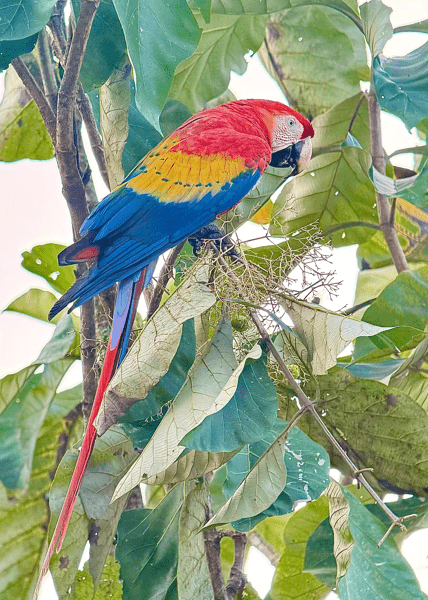
Scarlet Macaw
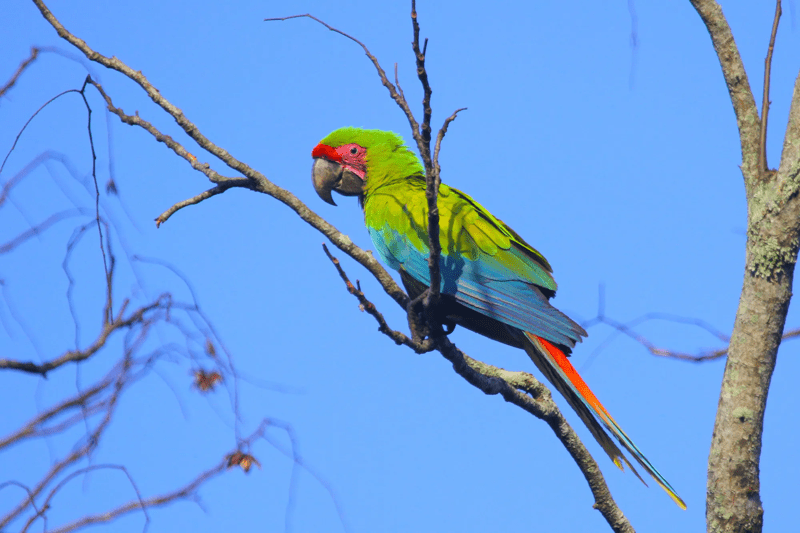
Great Green Macaw
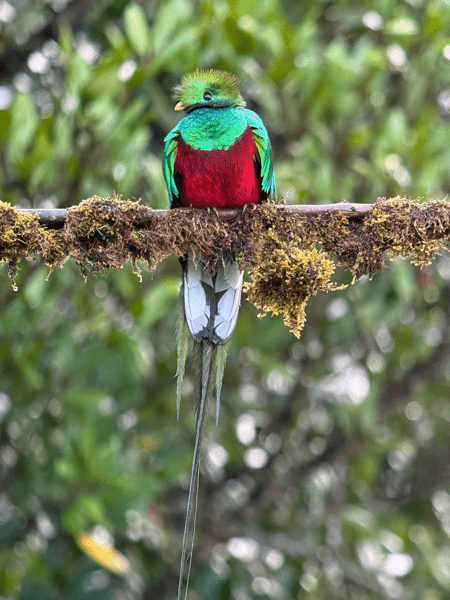
Resplendent Quetzal
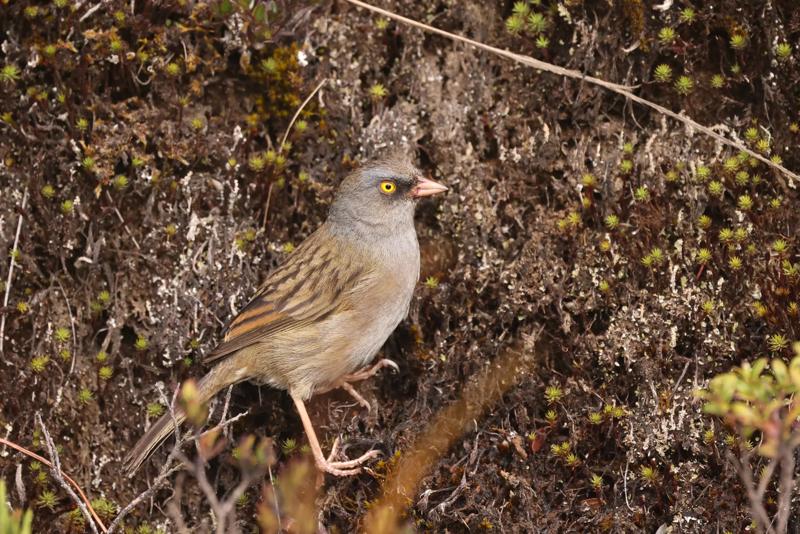
Volcano Junco
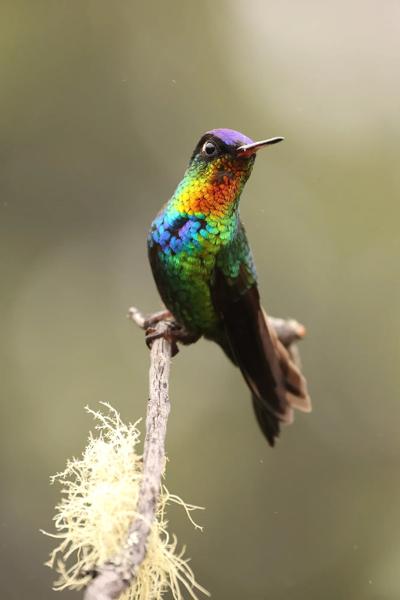
Fiery-throated Hummingbird
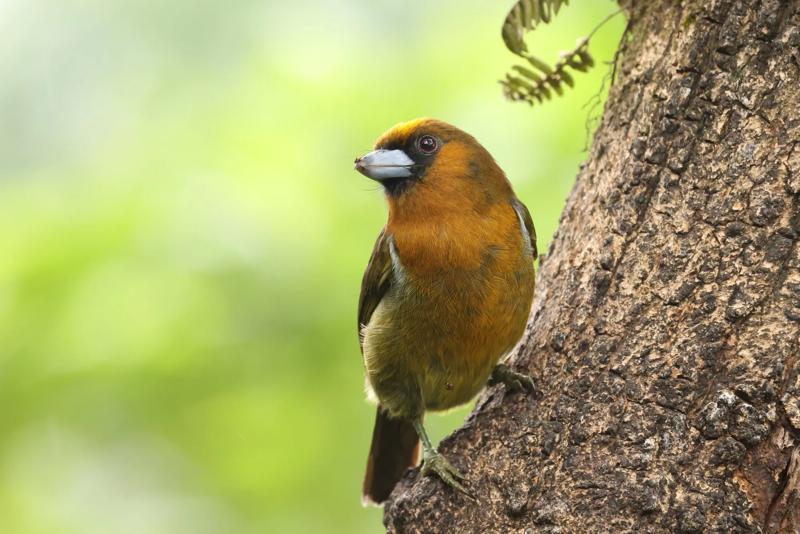
Prong-billed Barbet
Leader
+ Local Leader
David Ascanio
Primary Leader
Veteran Venezuelan birder and field guide author celebrated for his bird vocalization expertise and decades of leadership throughout the Neotropics.
Read MoreItinerary
Click here to download the 2027 itinerary PDF
Day 1
Arrive in San José and transfer to our comfortable hotel
Welcome dinner and orientation to review the exciting habitats and birds ahead
Day 2
Travel into the Talamanca highlands, birding en route as we ascend into cloud forest
Search for Resplendent Quetzal, Flame-throated Warbler, Collared Redstart, and other regional endemics
Enjoy hummingbird activity and mixed flocks around our lodge gardens
Day 3
Morning exploration of temperate forest and páramo edge for Sulphur-winged Parakeet, Ruddy Treerunner, and Large-footed Finch
Continued efforts for quetzal and highland specialties along forest trails and quiet mountain roads
Afternoon descent toward the Pacific slope with scenic stops for additional birding
Day 4
Bird tall Pacific slope rainforest for Scarlet Macaw, Baird’s Trogon, and Orange-collared Manakin
Explore forest edge and riverine habitats rich with antshrikes, flycatchers, and wrens
Optional evening walk to experience tropical sounds after dark
Day 5
Morning boat excursion along the Tarcoles River for herons, kingfishers, raptors, and waterbirds
Continued birding in transitional forest habitats, targeting regional specialties
Travel toward the central highlands for the next phase of the tour
Day 6
Explore lush montane forest for Prong-billed Barbet, Emerald Toucanet, and Spangle-cheeked Tanager
Enjoy spectacular hummingbird diversity at feeders and flowering shrubs
Afternoon birding along forest trails with opportunities for mixed-species flocks
Day 7
Full morning in subtropical forest seeking Black Guan, tanagers, and additional cloud forest specialties
Relaxed midday break before optional afternoon birding on lodge grounds
Travel toward the Caribbean lowlands
Day 8
Bird Caribbean rainforest for trogons, toucans, honeycreepers, and woodcreepers
Explore forest edge and second-growth habitats alive with vocal activity
Evening discussion and recap of Neotropical ecology and identification
Day 9
Early morning birding in rich lowland rainforest for antbirds, manakins, and jacamars
Boat excursion along the Sarapiquí River for Sunbittern, kingfishers, and additional waterbirds
Final afternoon to enjoy feeders and garden birding
Day 10
Morning birding around the lodge grounds as time allows
Transfer to San José for international departures
What’s Included
Accommodations & Dining
Settle into comfortable accommodations with modern amenities. Enjoy freshly prepared meals that highlight local flavors and international favorites, with consideration for any dietary needs.
Guided Services & Gratuities
Experience each destination with the help of Leaders who share history, culture, and wildlife insights. Gratuities for crew and local guides are included, ensuring seamless service without extra concerns; tipping for your Leaders is discretionary and not included.
Active Essentials
Every tour includes the core elements that make our field experiences possible so you can stay engaged with a range of activities. All outings include the necessary equipment and full safety support, making it easy to join at your own pace.
Transportation & Logistics
We coordinate every transfer, from airport pickup to port boarding. Whether traveling by bus, boat, or charter, our team ensures smooth connections and stress-free travel.
FAQs
Similar Trips
Loading calendar...