


Difficulty
ATLANTIC FOREST & FALLS
Iguacu Falls Pre-trip: Brazil & Argentina
This pre-trip offers an unforgettable introduction to the Atlantic Forest, centered on one of the world’s greatest natural wonders: Iguaçu Falls. With more than 270 individual waterfalls, sweeping forest, and rich biodiversity, the region holds a concentration of striking birds found nowhere else in Brazil’s interior. We explore both the Brazilian and Argentine sides of Iguaçu/Iguazú National Parks, seeking Black-fronted Piping Guan, Blond-crested Woodpecker, Red-ruffed Fruitcrow, Spot-billed Toucanet, Trogons, manakins, and a host of endemics. Featuring a beautifully situated hotel directly opposite the falls, easy walking, and excellent photographic opportunities, this pre-trip provides an exceptional complement to the Pantanal Safari.
20 Days left to Register
Tour Overview
Iguaçu Falls — the world’s largest waterfall system — is a place where thundering water, mist, and lush subtropical forest create one of the most exhilarating natural spectacles on earth. This optional pre-trip places you in the heart of that landscape for two-plus days of unforgettable birding and natural history exploration. Set along the Brazil–Argentina border, Iguaçu hosts a vibrant Atlantic Forest community, with minimal overlap with the Pantanal, making it a superb extension for travelers seeking broader Brazilian biodiversity.
Using this year’s streamlined plan as the foundation and drawing on last year’s detailed natural history notes, the pre-trip focuses on short, rewarding walks and strategic road birding. The Brazilian side offers sweeping panoramic views of the waterfalls, while the Argentine side provides intimate encounters with smaller cascades and deeper forest. En route we search for specialties including Black-fronted Piping Guan, Blond-crested and Robust woodpeckers, Surucua Trogon, Band-tailed Manakin, Rufous-capped Motmot, Red-ruffed Fruitcrow, Creamy-bellied Gnatcatcher, and São Paulo Tyrannulet. Both years’ itineraries emphasize exceptional photographic opportunities at extremely close range around cliff edges and rainforest overlooks.
A visit to a hummingbird garden allows us to observe Fork-tailed Hummingbird, Black Jacobin, and additional glittering species at arm’s length. Many trails pass through habitat where rarities such as Pavonine Cuckoo and Russet-winged Spadebill have been recorded in previous seasons.
With a magnificent hotel directly facing the falls, excellent food, minimal driving, and leisurely afternoons, this pre-trip blends comfort with world-class birding. It forms a perfect transition to the wide-open floodplains of the Pantanal awaiting on the main tour.
Ecosystems Experienced
The Iguaçu region lies at the southern edge of Brazil’s Atlantic Forest, one of the world’s richest and most threatened tropical ecosystems. Vines, palms, and massive canopy trees line mist-laden ravines carved by the falls, while bamboo tangles and dense understory host trogons, manakins, antbirds, and cuckoos. The Brazil–Argentina borderlands are a mosaic of riverine forest, humid hillside jungle, and open viewpoints where swifts and swallows swirl through rising spray. Waterfalls generate constant humidity, feeding orchids, mosses, and lush plant communities that thrive beside the torrent. This environment supports a remarkable diversity of woodpeckers, fruiteaters, and forest endemics.
Expected Climate
Temperature
Early in the austral winter, Iguaçu enjoys pleasantly warm days with temperatures typically ranging from the upper 60s to mid-80s F. Mist drifting from the falls provides natural cooling, especially along shaded walkways. Evenings are mild and comfortable, ideal for relaxed dining and reviewing species lists. Occasional breezes sweep across the viewpoints, making lightweight layers perfect for transitions between sunlit overlooks and shaded forest paths.
Rainfall
Moisture is a defining feature of the falls. While extended rain is uncommon during this season, brief showers or fine mist carried on the wind are frequent companions near the cataracts. The forest remains humid, with dew collecting on vegetation during early morning birding. Rain events tend to be short and refreshing, enhancing bird activity and adding to the sensory drama of the landscape.
Seasons
This pre-trip takes place during the cooler, drier months of southern Brazil, a time of excellent bird activity and comfortable temperatures. Many Atlantic Forest species are vocal and active, and crowds at the falls are lighter. The season offers clear visibility across the canyon, brilliant morning light, and calm afternoons ideal for photography and forest birding on both the Brazilian and Argentine sides.
Key Species
Black-fronted Piping Guan
Surucua Trogon
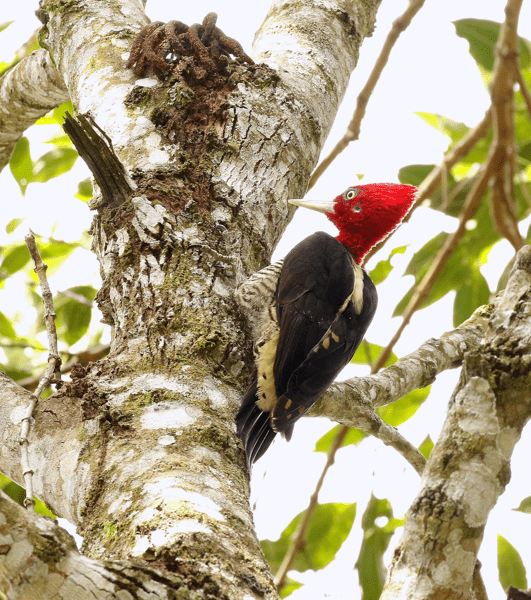
Robust Woodpecker
Leader
+ Local Leader
Erik Bruhnke
Primary Leader
Naturalist, guide, and raptor specialist known for his field research, migration counts, award-winning photography, and infectious enthusiasm for sharing the joy of birding.
Read MoreItinerary
Day 1
Arrive in Iguaçu and transfer to the Hotel das Cataratas, beautifully situated directly opposite the falls.
Enjoy your first immersive views of the roaring cataracts from walkways a short distance from the hotel.
Optional evening birding for Plush-crested Jay, Toco Toucan, and the first Atlantic Forest specialties.
Day 2
Arrive in Iguaçu and transfer to the Hotel das Cataratas, beautifully situated directly opposite the falls.
Enjoy your first immersive views of the roaring cataracts from walkways a short distance from the hotel.
Optional evening birding for Plush-crested Jay, Toco Toucan, and the first Atlantic Forest specialties.
Day 3
Wander forested paths for Surucua Trogon, Rufous-capped Motmot, Blond-crested Woodpecker, and Black-fronted Piping Guan.
Explore panoramic viewpoints where swifts and swallows ride the spray rising from the main falls.
Bird along park roads for Russet-winged Spadebill, Creamy-bellied Gnatcatcher, and São Paulo Tyrannulet.
Day 4
Cross the border into Argentina to explore larger tracts of forest and the dramatic walkway near Devil’s Throat.
Visit the hummingbird house for superb views of Fork-tailed Hummingbird, Black Jacobin, and other glittering species.
Search forest edges and trails for Spot-billed Toucanet, Red-ruffed Fruitcrow, Band-tailed Manakin, and Pavonine Cuckoo.
Day 5
Enjoy a final sunrise viewing of the falls with Plush-crested Jay, motmots, and early morning swifts overhead.
Transfer to the airport for your flight to Cuiabá, where the Pantanal Safari main tour begins.
What’s Included
Accommodations & Dining
Settle into comfortable accommodations with modern amenities. Enjoy freshly prepared meals that highlight local flavors and international favorites, with consideration for any dietary needs.
Guided Services & Gratuities
Experience each destination with the help of Leaders who share history, culture, and wildlife insights. Gratuities for crew and local guides are included, ensuring seamless service without extra concerns; tipping for your Leaders is discretionary and not included.
Active Essentials
Every tour includes the core elements that make our field experiences possible so you can stay engaged with a range of activities. All outings include the necessary equipment and full safety support, making it easy to join at your own pace.
Transportation & Logistics
We coordinate every transfer, from airport pickup to port boarding. Whether traveling by bus, boat, or charter, our team ensures smooth connections and stress-free travel.
FAQs
These trip extensions are thoughtfully crafted to enhance the primary tour and are usually arranged as part of the full itinerary. If you would like to explore booking this extension on its own, we invite you to call our office so we can review availability and discuss the best approach for your plans.