
Difficulty
CALIFORNIA’S ICONIC HABITAT MOSAIC
California Specialties
Southern California is one of North America’s most celebrated birding regions, where deserts, mountains, coastal waters, chaparral, and grasslands meet in a remarkably compact geography. This tour is designed to highlight the region’s rich endemic birdlife—from Island Scrub-Jay and California Gnatcatcher to Oak Titmouse, Nuttall’s Woodpecker, and Scripps’s Murrelet—while also offering opportunities for western specialties such as Mountain Quail, White-headed Woodpecker, and LeConte’s Thrasher. From the dramatic coast of Santa Cruz Island to the rugged Anza-Borrego Desert and the high elevations of Mount Pinos, participants will experience exceptional scenery, varied habitats, and a broad introduction to Southern California’s diverse avifauna.
Starting At
Reserve Now—Pricing Coming Soon
9 Days

9 Days
7 Guests

Pace
Advance Booking Notice
This tour is currently open for reservations, though final pricing has not yet been published. Guests may secure a place on the departure by submitting the initial deposit. Full details are available in the FAQs.
Tour Overview
Apr 30–May 9, 2027
Southern California has long held a special place in American birding. Few places on the continent offer such a concentrated blend of habitat types—desert basins, ocean cliffs, montane forests, chaparral, coastal scrub, tidal shorelines, and rich pelagic waters—all within a day’s reach. This tour is crafted to weave these landscapes together, offering an unparalleled overview of the region’s birdlife and a rare opportunity to pursue a long list of endemics and near-endemics found nowhere else within the ABA area.
Our journey spans the breadth of Southern California’s ecological tapestry. In coastal scrub and chaparral, participants will search for California Gnatcatcher, California Towhee, California Thrasher, and other quintessentially local species. Time in oak woodlands and foothill forests brings chances for Oak Titmouse, Nuttall’s Woodpecker, and Hutton’s Vireo, while high elevations around Mount Pinos offer a completely different suite of birds amid cool pine forests and expansive mountain vistas.
Along the Pacific coast, we will explore rugged shorelines and embark on a boat trip to Santa Cruz Island—home of the Island Scrub-Jay, one of the most localized and sought-after species in North America. Offshore waters hold possibilities for Scripps’s Murrelet and other coastal specialties. In the vast Anza-Borrego Desert, ocotillo and sandy washes support LeConte’s Thrasher and other desert-adapted species, while western specialties such as Mountain Quail and Western Flycatcher are possible across transitions between habitats.
Throughout the tour, participants can expect comfortable accommodations and generally mild weather, with the added charm of Southern California’s famously scenic landscapes—from sea level to 8,000 feet. With its rich combination of birds, habitats, and vistas, this itinerary provides a dynamic and memorable introduction to one of North America’s most iconic birding destinations.
Ecosystems Experienced
Southern California encompasses a unique meeting ground of ecological regions: coastal sage scrub and chaparral along the Pacific slope; mixed oak and montane conifer forests in the foothills and mountains; vast desert basins and arroyos in the east; and productive nearshore and pelagic waters offshore. These landscapes support a high concentration of endemic and near-endemic species, alongside western specialties tied to desert, mountain, and coastal ecosystems. This mosaic of habitats—compressed into a relatively small geographic area—creates one of the richest birding environments in the ABA region.
Expected Climate
Temperature
Temperatures are generally mild, with coastal areas often in the 60s–70s °F (16–24 °C) and cooler evenings. Inland valleys and deserts can be warmer, while high elevations such as Mount Pinos are cooler, especially morning and evening.
Rainfall
Rainfall during the typical tour season is low, with mostly dry conditions across deserts and coastal regions. Marine fog or light drizzle may appear along the coast, but extended rain is uncommon.
Seasons
This tour takes place during a period of late spring through early summer, when specialty species are on territory, days are long, weather is stable, and bird activity is high across deserts, mountains, and coastal zones.
Previous Field Reports
Key Species
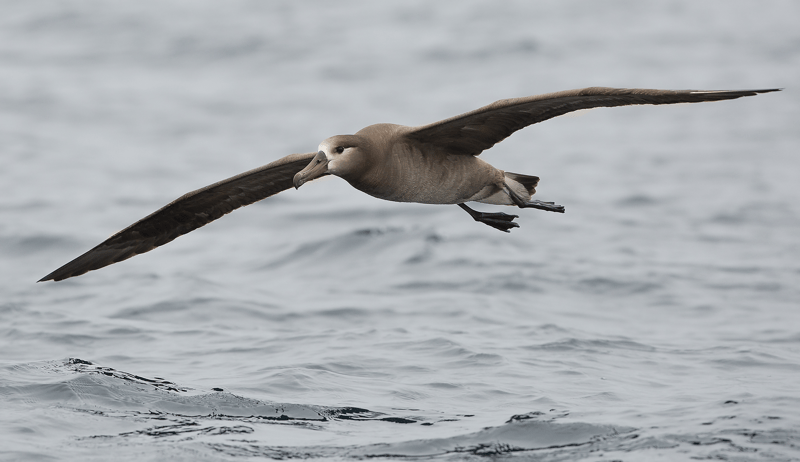
Black-footed Albatross
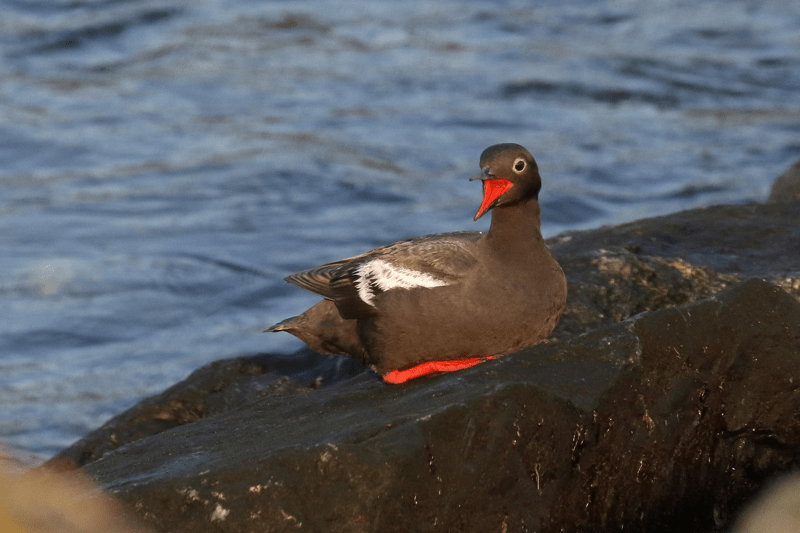
Pigeon Guillemonts
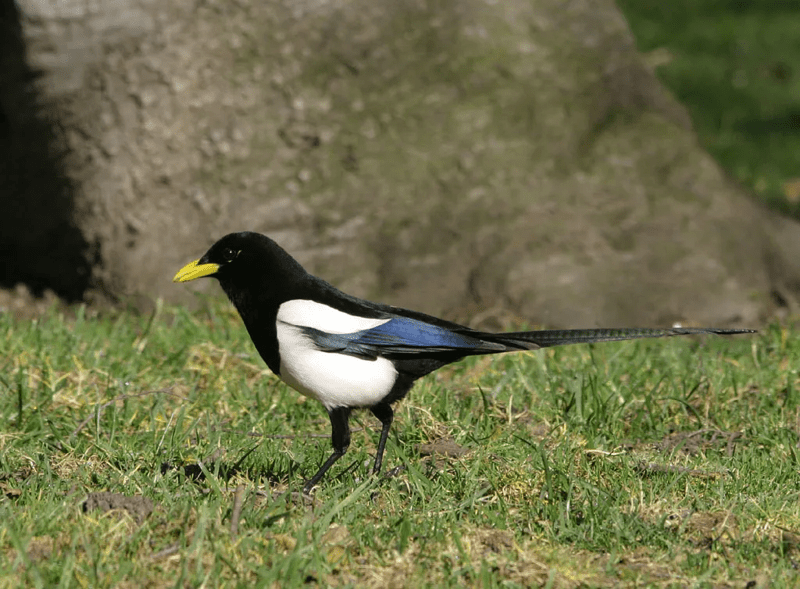
Yellow-billed Magpie
Allen's Hummingbird
Island Scrub-Jay
California Thrasher
Leader
Jeri Langham
Jeri M. Langham holds a Ph.D. in plant ecology and spent 38 years teaching biological sciences at California State University, Sacramento, earning multiple university awards for excellence and service. Born in Venezuela and fluent in Spanish, he has birded widely across the Americas, Africa, Asia, and Australia. Jeri is a former California Bird Records Committee member and a Founding Director of the Neotropical Grassland Conservancy.
Itinerary
Daily Itinerary — Coming Soon
What’s Included
Accommodations & Dining
Settle into comfortable accommodations with modern amenities. Enjoy freshly prepared meals that highlight local flavors and international favorites, with consideration for any dietary needs.
Guided Services & Gratuities
Experience each destination with the help of Leaders who share history, culture, and wildlife insights. Gratuities for crew and local guides are included, ensuring seamless service without extra concerns; tipping for your Leaders is discretionary and not included.
Active Essentials
Every tour includes the core elements that make our field experiences possible so you can stay engaged with a range of activities. All outings include the necessary equipment and full safety support, making it easy to join at your own pace.
Transportation & Logistics
We coordinate every transfer, from airport pickup to port boarding. Whether traveling by bus, boat, or charter, our team ensures smooth connections and stress-free travel.
FAQs
Similar Trips
Loading calendar...