


Difficulty
PACIFIC COAST & DESERTS
Winter Southern California
Southern California delivers some of the finest winter birding in the United States. From rocky Pacific headlands and tidal estuaries to chaparral foothills, pine–oak mountains, and the famed Salton Sea, this weeklong itinerary spans an extraordinary range of habitats—and birds. California and southwestern specialties mingle with vast numbers of waterfowl, shorebirds, gulls, and raptors; rarities are always in play. Mild, blue-sky days add to the appeal for travelers escaping snow and ice. With comfortable hotels, easy to moderate walking, and excellent roadside birding, our checklist could approach 200 species—an energizing prelude to the optional Winter Southern Arizona tour that follows.
25 Days left to Register
Tour Overview
Jan 12–Jan 18, 2027
Jan 11–Jan 17, 2028
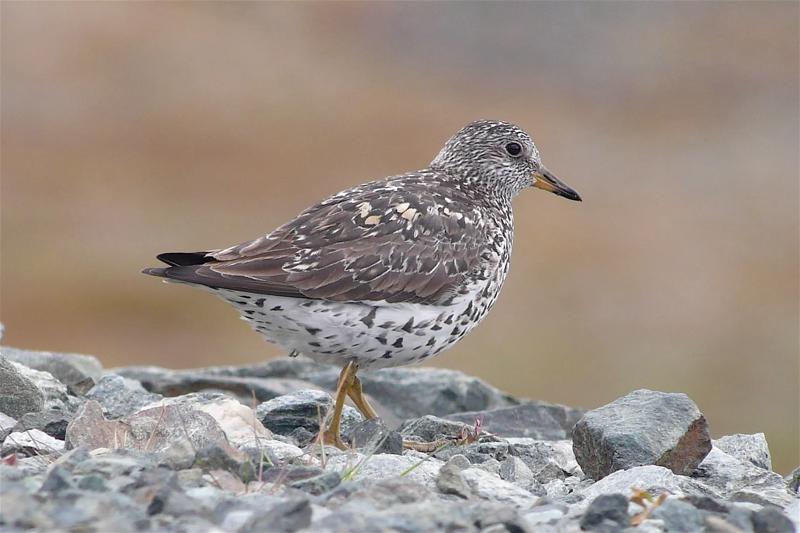
Few places match Southern California’s winter mix of scenery, climate, and avian abundance. Along the coast, surf booms against honey-colored cliffs while rafts of Western and Clark’s Grebes drift beyond tidepools patrolled by Black Turnstone, Wandering Tattler, and Surfbird. Nearby lagoons and the broad sweep of San Diego Bay host Heermann’s, California, and Western Gulls, with Short-billed and Glaucous-winged possible, while Ridgway’s Rail stalks cordgrass channels.
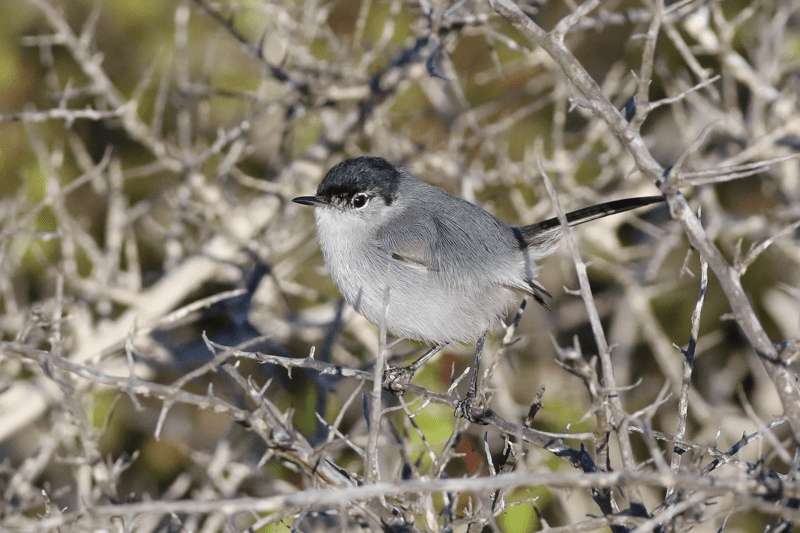
A short drive inland replaces sea breeze with sage and chaparral. Here, Wrentit trills from thickets, California Thrasher whistles from sun-baked slopes, and the federally threatened California Gnatcatcher works low, brushy washes. Higher still, the Cuyamaca and Laguna Mountains bring the cool hush of conifers, where Nuttall’s and Acorn Woodpeckers, Pygmy Nuthatches, Oak Titmice, and Mountain Chickadees animate pine–oak forest; Lawrence’s Goldfinch may chime through the canopy in irruptive years.
On the desert side, the landscape opens to the Imperial Valley and the south end of the Salton Sea—winter home to remarkable concentrations of geese (including Ross’s), ducks, ibis, curlews, and gulls. Field edges and canal banks harbor Burrowing Owls; painstaking scans of cropped flats may reveal the scarce Mountain Plover. Gila Woodpecker, Abert’s Towhee, Verdin, and Black-tailed Gnatcatcher add a distinctly Sonoran note.
Balanced days, comfortable lodging, and flexible routing let us linger where the birding is best. With pleasant weather and many close-range views, this trip offers a superb mid-winter reset—and pairs seamlessly with Winter Southern Arizona for an extended Southwest adventure.
Ecosystems Experienced
A coastal-to-desert transect featuring rocky shoreline, sandy beaches, tidal marsh and lagoon, coastal sage scrub and chaparral, pine–oak woodland, high desert, irrigated agricultural valley, and saline inland sea. This mosaic supports California endemics alongside vast wintering assemblages of waterbirds and raptors.
Expected Climate
Temperature
Coastal and valleys: mid-50s to low-70s °F (13–22 °C). Mountains and desert mornings can start in the 40s °F (4–9 °C). Wind and marine layers may cool afternoons; layers recommended.
Rainfall
January is part of the Mediterranean wet season. Mostly dry and mild, with occasional light showers or a passing front; brief downpours possible but typically short-lived.
Seasons
Prime winter birding: peak waterfowl, shorebirds, gulls, and raptors; California specialties resident and conspicuous; good potential for coastal and desert rarities.
Previous Field Reports
Key Species
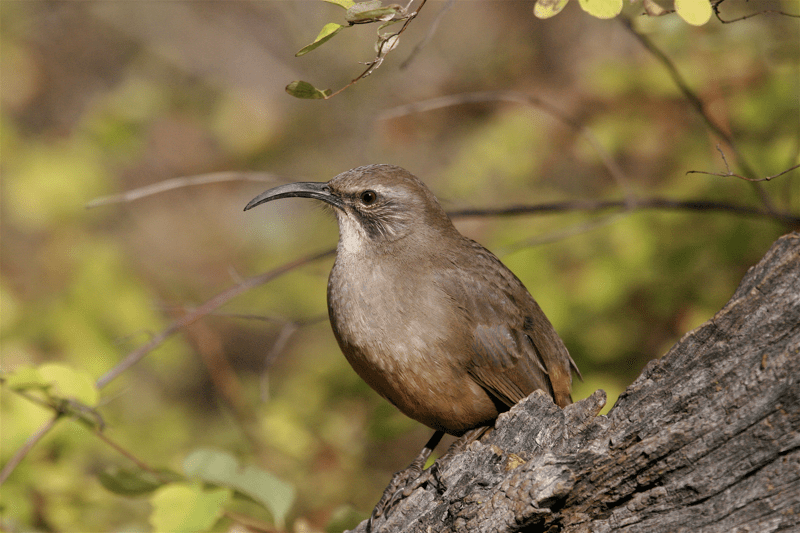
California Thrasher
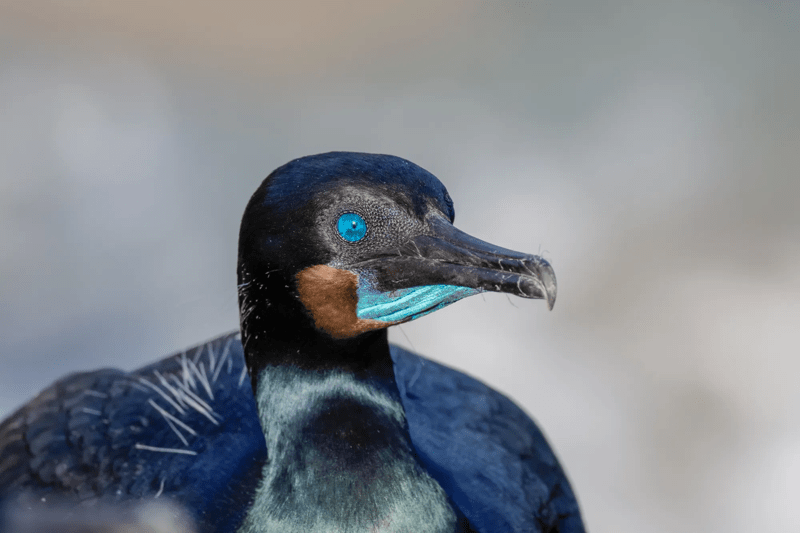
Brandt's Cormorant
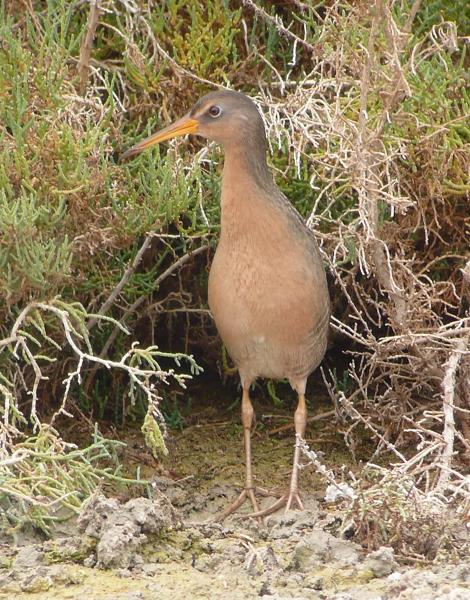
Ridgway's Rail
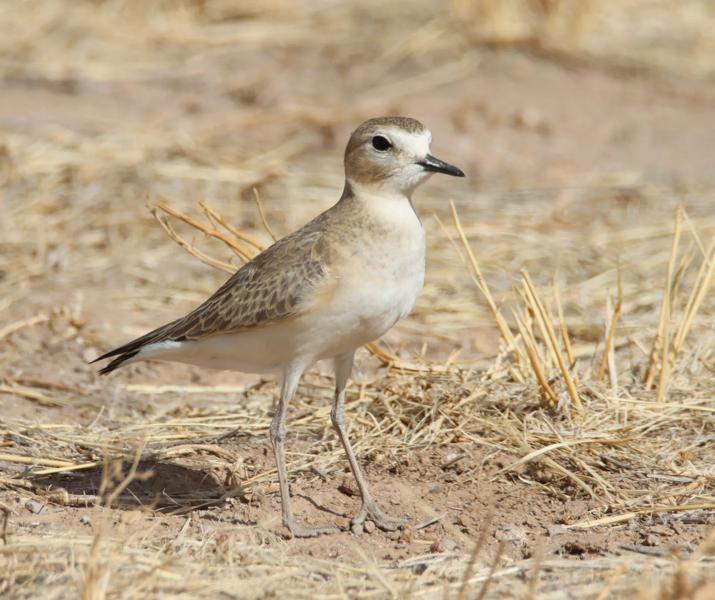
Mountain Plover
California Gnatcatcher
Surfbird
Leaders
Brennan Mulrooney
Primary Leader
Field biologist and birder with broad research experience across the United States, known for his sharp eyes, humor, and engaging approach to guiding.
Read MoreKevin Burke
Virginia-born birder and ecotourism guide with 20 years of experience leading tours across the Americas, inspiring connection with nature through exploration and discovery.
Read MoreItinerary
Click here to download the 2027 itinerary PDF
Day 1
Arrive in sunny San Diego, where your room awaits at the comfortable Hampton Inn Mission Valley.
Gather with your fellow travelers in the hotel lobby at for a trip welcome and orientation, followed by dinner at a favorite local restaurant.
Day 2
Begin the day in the coastal sage scrub north of San Diego, walking quiet trails where California Gnatcatcher, Wrentit, and California Thrasher call from the brush.
Continue to the La Jolla headlands, scanning tidepools and surf for Black Turnstone, Surfbird, Wandering Tattler, and sleek Brown Pelicans gliding past. Offshore, watch for Black-vented Shearwater, Pacific White-sided Dolphin, or even a migrating Gray Whale.
Spend the afternoon exploring Mission Bay and the San Diego River Channel, where Western Grebe, Brant, Snowy Plover, and American Avocet mingle with wintering waterfowl.
Conclude with a relaxed drive through Point Loma, where coastal scrub may hold California Scrub-Jay, Spotted Towhee, and Golden-crowned Sparrow.
Day 3
Explore San Diego Bay and the tidal flats of Imperial Beach, searching for Red-throated Loon, Surf Scoter, Ridgway’s Rail, and Belding’s Savannah Sparrow among flocks of gulls and grebes.
Follow the shoreline north toward Coronado and South Bay, keeping an eye out for winter rarities that frequent these productive wetlands.
In the afternoon, visit Santee Lakes, a favorite inland oasis for Wood Duck, Nuttall’s Woodpecker, Tricolored Blackbird, and Cassin’s Kingbird.
At dusk, listen for chattering Red-crowned and Lilac-crowned Parrots as they gather to roost.
Day 4
Depart San Diego early, ascending into the cool pine-oak forests of the Cuyamaca or Laguna Mountains, where Acorn and Nuttall’s Woodpeckers, Pygmy Nuthatch, and Oak Titmouse are common.
Descend eastward into the vast Anza-Borrego Desert, pausing in canyons and washes alive with Costa’s Hummingbird, Verdin, Black-tailed Gnatcatcher, and Phainopepla.
Continue into the Imperial Valley, stopping at Salton Sea Unit 1, where flocks of Ross’s and Snow Geese, Sandhill Cranes, and White-faced Ibis gather by the thousands.
Retire back at the Holiday Inn Express, El Centro for the night.
Day 5
Spend the day amid the wetlands, fields, and shoreline of the Salton Sea, where countless ducks, geese, ibis, and curlews fill the desert air.
Visit Sonny Bono Salton Sea National Wildlife Refuge to learn about the region’s history while scanning for American White Pelican, Ferruginous Hawk, Peregrine Falcon, and Burrowing Owl.
Traverse surrounding farmland for the elusive Mountain Plover, watching for Gambel’s Quail, Cactus Wren, Abert’s Towhee, and Greater Roadrunner along the way.
Day 6
Enjoy flexible morning birding to revisit key sites—perhaps a return to the Salton Basin for late-season rarities or to chaparral foothills for a final look at Bell’s Sparrow.
Journey back west through mountain passes to San Diego, arriving mid-afternoon for checklist review and a cheerful farewell dinner.
Tuck-in for the night at the Hampton Inn San Diego, Mission Valley.
Day 7
Tansfer at your leisure to the San Diego International Airport.
Participants continuing to Winter Southern Arizona depart this morning for Tucson and the next leg of their adventure.
What’s Included
Accommodations & Dining
Settle into comfortable accommodations with modern amenities. Enjoy freshly prepared meals that highlight local flavors and international favorites, with consideration for any dietary needs.
Guided Services & Gratuities
Experience each destination with the help of Leaders who share history, culture, and wildlife insights. Gratuities for crew and local guides are included, ensuring seamless service without extra concerns; tipping for your Leaders is discretionary and not included.
Active Essentials
Every tour includes the core elements that make our field experiences possible so you can stay engaged with a range of activities. All outings include the necessary equipment and full safety support, making it easy to join at your own pace.
Transportation & Logistics
We coordinate every transfer, from airport pickup to port boarding. Whether traveling by bus, boat, or charter, our team ensures smooth connections and stress-free travel.
FAQs
Similar Trips
Loading calendar...