


Difficulty
DESERTS, MOUNTAINS & CRANE SPECTACLE
Winter Southern Arizona
Southeastern Arizona in winter offers some of the most exciting birding in North America. This weeklong adventure reveals a landscape of sunlit desert, oak canyons, and grasslands alive with raptors, sparrows, and southwestern specialties. From Vermilion Flycatchers and Painted Redstarts to Ferruginous Hawks and Sandhill Cranes, each day brings a new highlight. Winter also delivers the best chance for rare visitors from Mexico—Ruddy Ground-Dove, Rufous-backed Robin, and even Rufous-capped Warbler. With one comfortable hotel base in Tucson, easy walks, and generally mild weather, this is birding at its most rewarding and relaxed.
Tour Overview
Jan 18–Jan 24, 2027
Jan 17–Jan 23, 2028
Winter transforms Southeastern Arizona into a birder’s paradise. Against a backdrop of golden grasslands and rugged mountain canyons, the region’s signature species shine: Arizona and Gila Woodpeckers clatter in the mesquites, Vermilion Flycatchers flash over desert ponds, and Bridled Titmice flit through oak canopies. Even the uncommon Whiskered Screech-Owl may call from sycamore groves after dusk.
This is also raptor season. Desert skies come alive with Red-tailed and Ferruginous Hawks, Northern Harriers, Prairie Falcons, and the occasional Golden Eagle. On the open flats, wintering sparrows number in the thousands, joined by Green-tailed Towhee, Brewer’s Sparrow, and the rare Rufous-winged Sparrow. At dawn in the Sulphur Springs Valley, the sight and sound of 20,000 Sandhill Cranes filling the sky creates an unforgettable spectacle.
The season also attracts wanderers from Mexico—Ruddy Ground-Dove, Rufous-backed Robin, or the elusive Rufous-capped Warbler—making every day a chance for discovery. From the oak-clad Santa Rita Mountains to the riparian corridors of Patagonia and the wetlands of Sweetwater, our journey through Southeastern Arizona is rich in variety, beauty, and birdlife.
Using Tucson as our comfortable single base, we’ll enjoy six days of exploration and one of the most satisfying winter birding experiences in the country.
Ecosystems Experienced
A diverse convergence of desert scrub, riparian woodland, mountain canyons, and grassland valleys. The meeting of the Sonoran and Chihuahuan deserts creates remarkable species diversity, from mesquite-dwelling sparrows to mountain woodpeckers and wintering raptors.
Expected Climate
Temperature
Typical highs range from the low 60s to mid-70s °F (16–24 °C) with cool mornings and evenings in the 30s–40s °F (1–7 °C). Higher elevations can be chillier, and snow is possible in the mountains.
Rainfall
Rain is infrequent, though brief winter showers are possible. Most days are clear and sunny, with ideal conditions for birding.
Seasons
Winter brings comfortable temperatures, concentrated bird activity, and the region’s highest diversity of raptors and sparrows. This is also peak season for wintering cranes and the best chance to encounter Mexican vagrants.
Previous Field Reports
Key Species
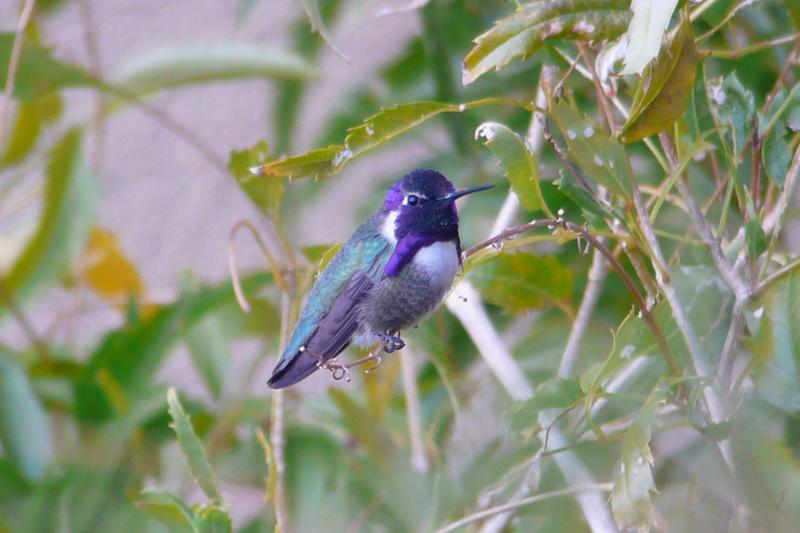
Costa's Hummingbird
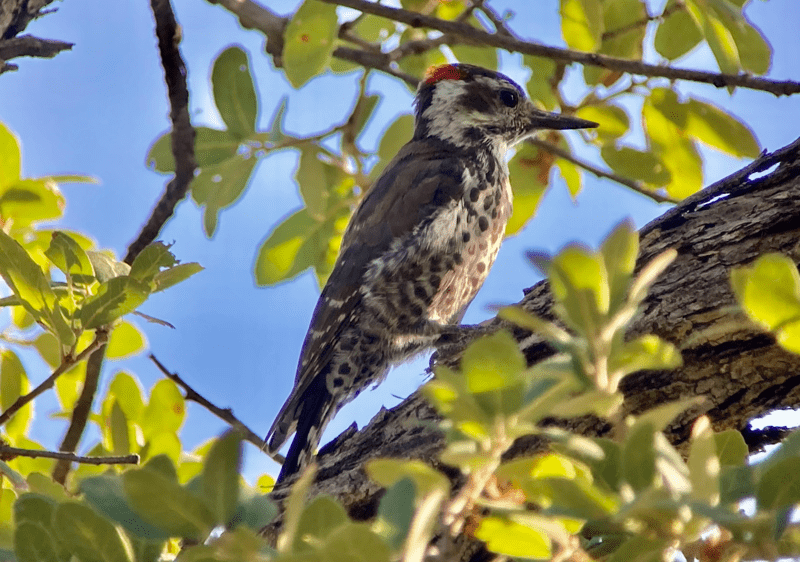
Arizona Woodpecker
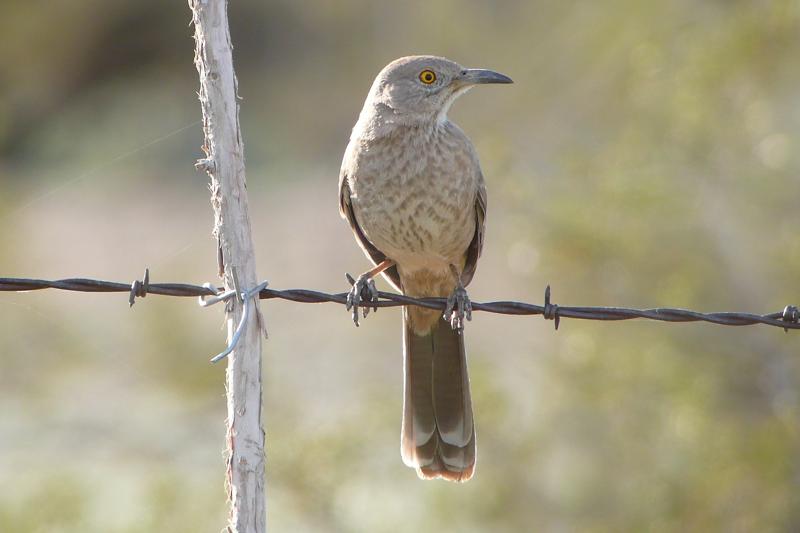
Bendire's Thrasher
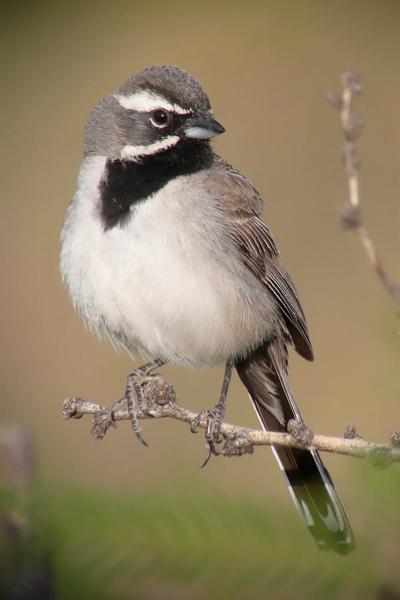
Black-throated Sparrow
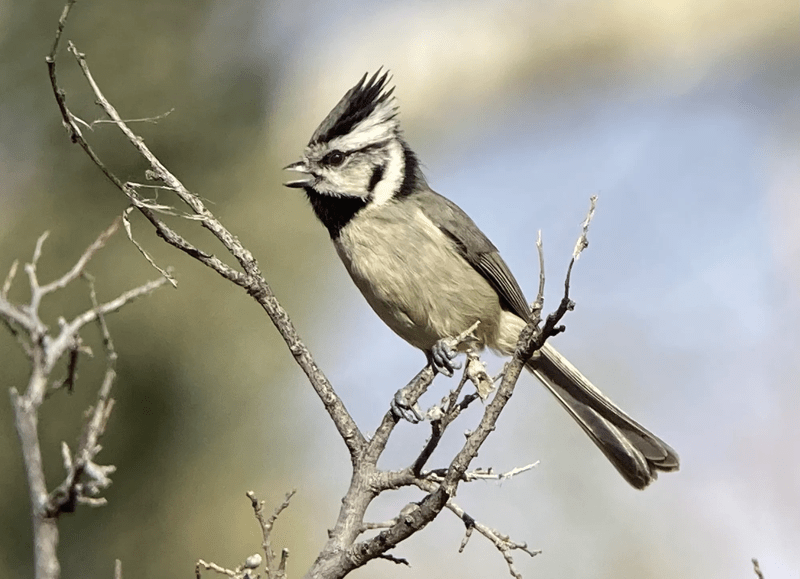
Bridled Titmouse
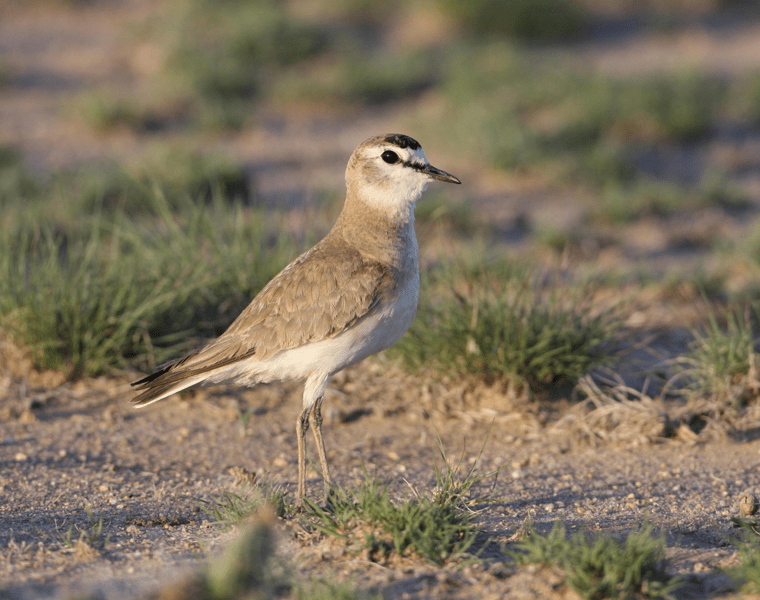
Mountain Plover
Leader
+ Additional VENT leader
Barry Zimmer
Primary Leader
Veteran birder, author, and photographer with global experience, deep expertise in North and Central American birds, and a lifelong passion for documenting the natural world.
Read MoreItinerary
Click here to download the 2027 itinerary PDF
Day 1
Travel and arrive in Tucson, gateway to Arizona’s bird-rich southeast.
Check in at the Hampton Inn & Suites Tucson Airport before meeting your leaders and fellow travelers for an orientation and group dinner.
Day 2
Begin the day in the Santa Rita Mountains, exploring the oak and pine woodlands of Madera Canyon, where feeders often teem with Acorn Woodpecker, Bridled Titmouse, Mexican Jay, and wintering Rivoli’s Hummingbird.
Search canyon slopes for Arizona Woodpecker, Hutton’s Vireo, and the possibility of Painted Redstart or even a wintering Elegant Trogon.
Descend into the surrounding desert grasslands for Rufous-winged Sparrow, Brewer’s Sparrow, and Golden Eagle over the ridges.
Visit Green Valley in the afternoon for Gilded Flicker, Gila Woodpecker, Cactus Wren, and Pyrrhuloxia in residential desert habitats.
Day 3
Morning at Sweetwater Wetlands, an oasis alive with Cinnamon Teal, Vermilion Flycatcher, Black Phoebe, and Abert’s Towhee.
Visit Redrock cattle pens for flocks of Yellow-headed Blackbirds and possible Ruddy Ground-Dove.
Continue north to the wide-open Santa Cruz Flats, a mosaic of farms and desert scrub rich with Ferruginous Hawk, Crested Caracara, and Prairie Falcon.
Scan sod farms for Mountain Plover, and watch for Greater Roadrunner, Burrowing Owl, and Bendire’s Thrasher.
Day 4
Journey south to Patagonia Lake State Park, a winter magnet for rarities and regulars alike, including Neotropic Cormorant, Vermilion Flycatcher, and Lincoln’s Sparrow.
Watch for surprises such as Rufous-backed Robin, Black-capped Gnatcatcher, or Nutting’s Flycatcher, occasional Mexican visitors in recent years.
Visit Patagonia town feeders buzzing with Lesser Goldfinch, Lazuli Bunting, and Abert’s Towhee, and perhaps a visiting Violet-crowned Hummingbird.
Late afternoon birding in the Pajarito Mountains, where Rock and Canyon Wrens, Rufous-crowned Sparrow, and Golden Eagle may appear.
Optional evening owling for Western Screech-Owl, with a chance for Whiskered Screech-Owl.
Day 5
Travel east to the vast Sulphur Springs Valley, one of the Southwest’s premier winter birding areas.
Scan fields and sky for Ferruginous Hawk, Prairie Falcon, and Northern Harrier, with Scaled Quail and Bendire’s Thrasher along rural roadsides.
Witness the awe-inspiring dawn liftoff of 20,000 Sandhill Cranes at Whitewater Draw, accompanied by Snow and Ross’s Geese and mixed ducks.
Explore nearby wetlands for Vermilion Flycatcher, Black Phoebe, and Wilson’s Snipe before returning to Tucson.
Day 6
A flexible day reserved for rarity chases or revisiting favorite sites. Depending on local reports, possibilities include Rufous-capped Warbler, Ruddy Ground-Dove, or a return to Madera Canyon for any lingering specialties.
Alternatively, travel north toward Phoenix for additional desert and riparian birding opportunities if notable sightings occur there.
Day 7
Depart at your leisure from Tucson International Airport.
For those extending their stay, consider a visit to the acclaimed Arizona-Sonora Desert Museum, featuring live desert flora and fauna in an extraordinary natural setting.
What’s Included
Accommodations & Dining
Settle into comfortable accommodations with modern amenities. Enjoy freshly prepared meals that highlight local flavors and international favorites, with consideration for any dietary needs.
Guided Services & Gratuities
Experience each destination with the help of Leaders who share history, culture, and wildlife insights. Gratuities for crew and local guides are included, ensuring seamless service without extra concerns; tipping for your Leaders is discretionary and not included.
Active Essentials
Every tour includes the core elements that make our field experiences possible so you can stay engaged with a range of activities. All outings include the necessary equipment and full safety support, making it easy to join at your own pace.
Transportation & Logistics
We coordinate every transfer, from airport pickup to port boarding. Whether traveling by bus, boat, or charter, our team ensures smooth connections and stress-free travel.
FAQs
Similar Trips
Loading calendar...