


Difficulty
DESERTS, MOUNTAINS & A SOUTHWESTERN SKY ISLAND ADVENTURE SPECTACLE
Spring Grand Arizona
Southeastern Arizona’s legendary “Sky Islands” rise dramatically from the Sonoran Desert, creating one of the richest and most exciting birding regions in the United States. These mountain ranges—remnants of the Sierra Madre—host an extraordinary mix of desert, canyon, and montane species found nowhere else in the country. From Elegant Trogons in shaded canyons to dazzling hummingbirds and elusive owls, this spring journey captures the best of Arizona’s wild beauty.
Tour Overview
May 13–May 24, 2027
May 11–May 21, 2028
Southeastern Arizona is a land of contrasts, where lush oak-sycamore canyons meet arid desert plains and pine-clad peaks. Each habitat reveals its own treasures: the bark of the Elegant Trogon, the flash of a Violet-crowned Hummingbird, the hoot of a Whiskered Screech-Owl echoing at dusk.
The tour begins in Tucson, where desert washes introduce iconic species such as Gila Woodpecker, Verdin, and Lucy’s Warbler. From here, we ascend into the Santa Rita Mountains and famed Madera Canyon, alive with Painted Redstarts, Rivoli’s Hummingbirds, and the possibility of Elf Owl after dark.
Continuing south, we’ll explore the rugged backroads of California Gulch in search of the highly localized Five-striped Sparrow, then visit Patagonia Lake and Sonoita Creek Sanctuary for Gray Hawk, Thick-billed Kingbird, and brilliant Vermilion Flycatcher. In the Huachuca Mountains, towering oaks and pines shelter Arizona Woodpecker, Buff-breasted Flycatcher, and Red-faced Warbler—species found in few other places in the United States.
Our adventure culminates in the Chiricahua Mountains, the grandest of Arizona’s “islands in the sky.” Here, mixed forests and high canyons harbor Mexican Chickadee, Grace’s Warbler, and the tiny Flammulated Owl. By trip’s end, we’ll have explored every elevation, from saguaro desert to spruce forest, with the possibility of nine owl species and up to eleven hummingbirds—a birder’s paradise beneath the endless Arizona sky.
Ecosystems Experienced
The “Sky Islands” of Southeastern Arizona are ecological crossroads where temperate, tropical, and desert habitats converge. Elevations range from 2,500 to over 9,000 feet, encompassing saguaro-studded desert, oak-juniper foothills, pine-oak canyons, and spruce-fir forests. This extraordinary diversity supports hundreds of species, from desert sparrows to high-mountain warblers, and countless hummingbirds that shimmer among the wildflowers.
Expected Climate
Temperature
Expect warm to hot days in the lowlands, typically 85–95°F (29–35°C), and pleasantly cool evenings in the mountains, often 45–60°F (7–16°C). Layered clothing is essential for quick changes in elevation and temperature. Sun protection and hydration are musts for mid-day desert birding, while light jackets keep mornings and nights comfortable.
Rainfall
Late spring is generally dry and sunny, with occasional afternoon clouds over higher peaks. Though rain is uncommon at this time of year, short mountain showers can occur, bringing cooler air and dramatic skies across the canyons.
Seasons
This tour takes place at the height of the breeding season in Arizona’s mountains. Migrants from the tropics mingle with resident desert species, wildflowers bloom across the grasslands, and canyon oaks echo with song. Long daylight hours and clear weather make May the perfect time to experience the full vitality of the Sky Islands.
Previous Field Reports
Key Species
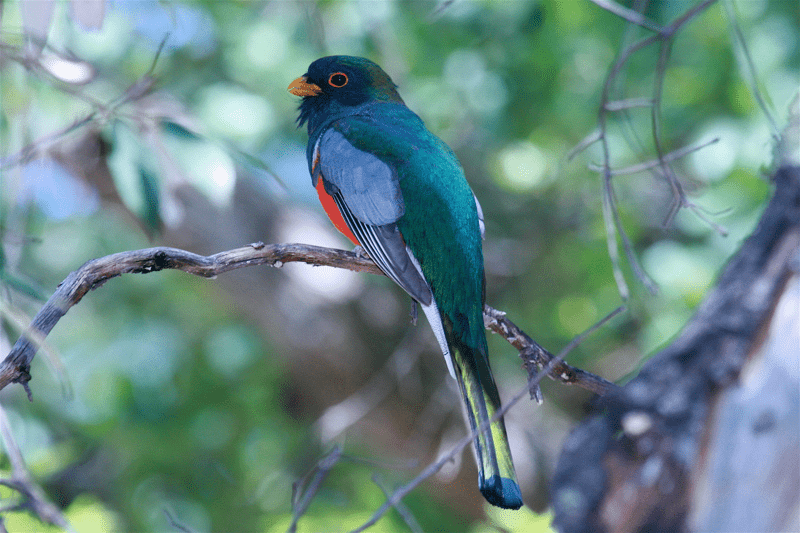
Elegant Trogon
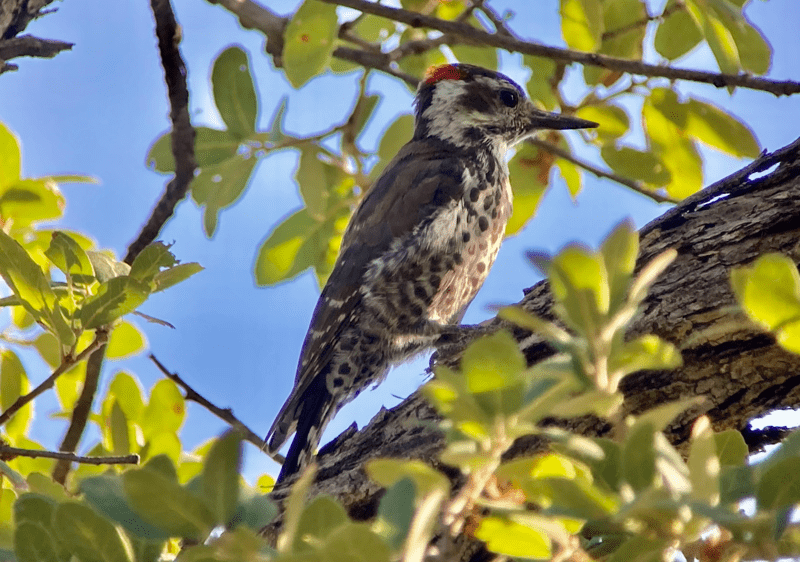
Arizona Woodpecker
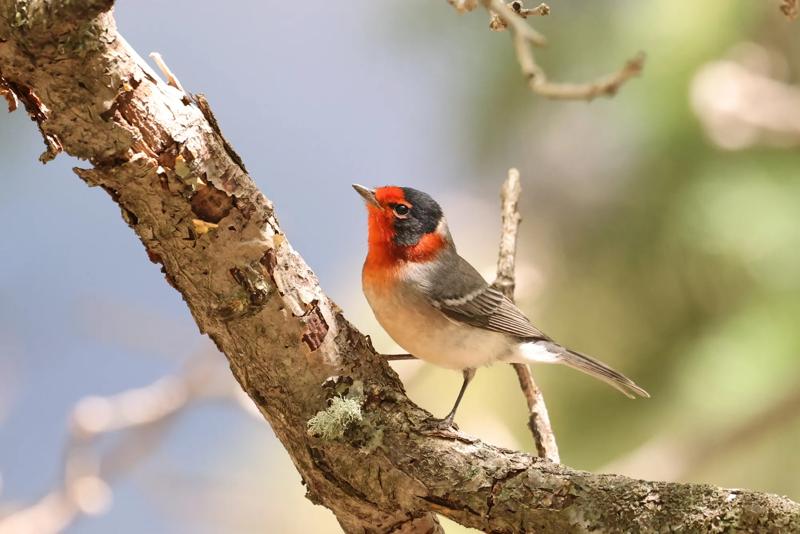
Red-faced Warbler
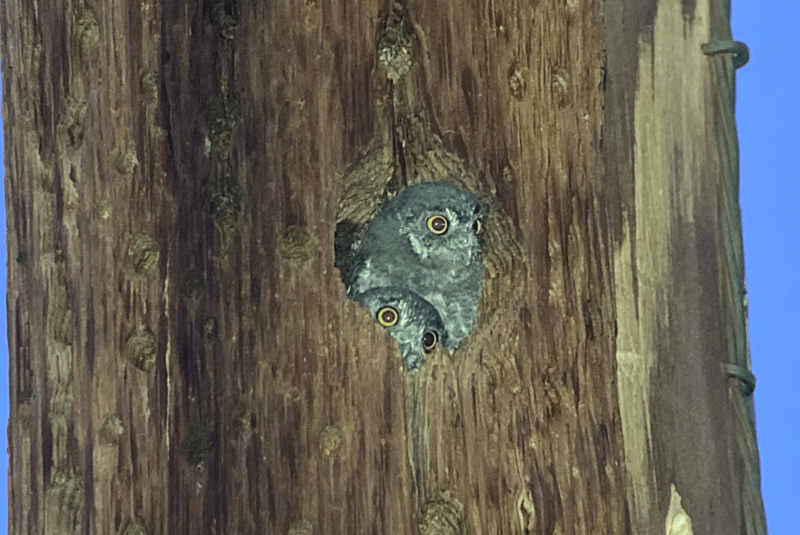
Elf Owl

Rufous-winged Sparrow
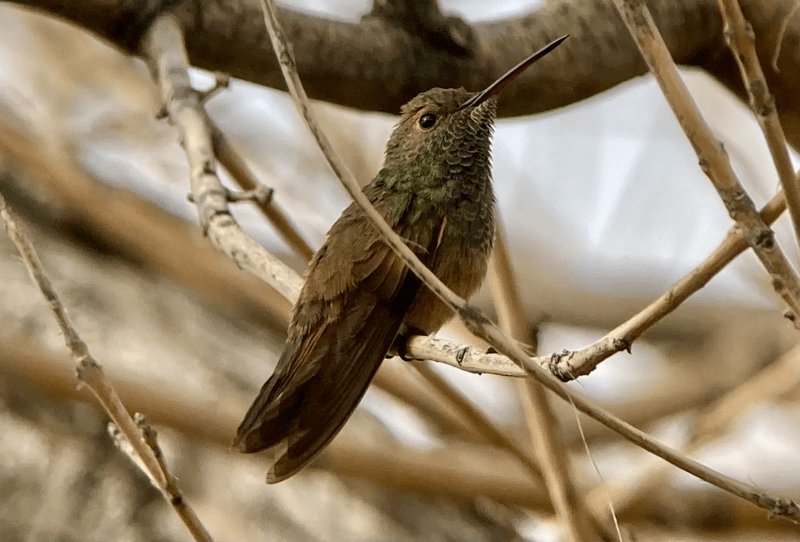
Berylline Hummingbird
Leader
+ Additional VENT leader
Barry Zimmer
Primary Leader
Veteran birder, author, and photographer with global experience, deep expertise in North and Central American birds, and a lifelong passion for documenting the natural world.
Read MoreItinerary
Click here to download the 2027 itinerary PDF
Day 1
Travel to and Arrive in Tucson before transferring to the Hampton Inn, Tucson.
Gather for an afternoon of birding at Sweetwater Wetlands, a lush desert oasis alive with Mexican Duck, Gambel’s Quail, and Tropical Kingbird.
Attend an optional search for Burrowing Owls before a welcome dinner and orientation.
Day 2
Begin in Green Valley, searching for Rufous-winged Sparrow, Costa’s Hummingbird, and Harris’s Hawk among mesquite scrub.
Explore the lower canyons of Madera, where Painted Redstarts, Bridled Titmice, and Dusky-capped Flycatchers fill the oak woodlands.
Visit feeders at Santa Rita Lodge, then enjoy a picnic dinner and evening owling for Elf, Western, and Whiskered Screech-Owls.
Day 3
Attend an early morning search for Elegant Trogon and other canyon specialties.
Continue to Box Canyon for a chance at the rare Five-striped Spar
Enjoy afternoon birding along the De Anza Trail near Tubac for Gray Hawk and Vermilion Flycatcher before continuing south and checking-in to the Best Western Sonora Inn & Suites, Nogales.
Day 4
Journey through oak-covered hills to remote California Gulch, the stronghold of the Five-striped Sparrow.
Watch for Montezuma Quail and Varied Bunting en route.
Take an afternoon visit to Paton’s Hummingbird Center in Patagonia for Violet-crowned, Broad-billed, and Anna’s Hummingbirds.
Day 5
Spend the morning amid riparian forest and grasslands, seeking Gray Hawk, Thick-billed Kingbird, and Costa’s Hummingbird.
Drive east toward Sierra Vista, scanning for Pronghorns, Horned Larks, and Chihuahuan Meadowlarks.
Visit mountain feeders in the Huachucas for Broad-tailed and Rivoli’s Hummingbirds.
Retreat for the night at the Hampton Inn, Sierra Vista.
Day 6
Bird Carr Canyon and surrounding slopes for Arizona Woodpecker, Buff-breasted Flycatcher, and Grace’s Warbler.
Listen for Hepatic Tanager and Olive Warbler singing through the pines.
Experience evening owling for Whiskered Screech-Owl and Common Poorwill.
Day 7
Revisit the Huachucas to spot the Spotted Owl, Red-faced Warbler, or the rare Rufous-capped Warbler.
Drive east to the Chiricahua Mountains, a spectacular range of sculpted rock spires and forested canyons.
After dinner, set out for a night search for the elusive Flammulated Owl before turning in for the night at the Cave Creek Ranch, Portal.
Day 8
Explore Cave Creek Canyon, where lush forests harbor Elegant Trogon, Sulphur-bellied Flycatcher, and Blue-throated Mountain-Gem.
Scan juniper slopes for Woodhouse’s Scrub-Jay, Juniper Titmouse, and Black-chinned Sparrow.
Keep watch for mammals including Coati and Collared Peccary.
Day 9
Ascend through pine and fir forests in search of Mexican Chickadee, Steller’s Jay, and Yellow-eyed Junco.
Enjoy sweeping mountain views and a cool respite from the desert below.
Partake in evening owling for Elf, Northern Pygmy-, or Spotted Owl, with chances for Mexican Whip-poor-will.
Day 10
Spend the morning early birding on the desert flats for Scaled Quail, Bendire’s Thrasher, and Golden Eagle.
Stop at Willcox Playa to scan for American Avocet, Black-necked Stilt, and Wilson’s Phalarope.
Return to Tucson for a farewell dinner and checklist review before turning-in for the night at the Hampton Inn.
Day 11
Depart Tucson at your convenience to return home.
What’s Included
Accommodations & Dining
Settle into comfortable accommodations with modern amenities. Enjoy freshly prepared meals that highlight local flavors and international favorites, with consideration for any dietary needs.
Guided Services & Gratuities
Experience each destination with the help of Leaders who share history, culture, and wildlife insights. Gratuities for crew and local guides are included, ensuring seamless service without extra concerns; tipping for your Leaders is discretionary and not included.
Active Essentials
Every tour includes the core elements that make our field experiences possible so you can stay engaged with a range of activities. All outings include the necessary equipment and full safety support, making it easy to join at your own pace.
Transportation & Logistics
We coordinate every transfer, from airport pickup to port boarding. Whether traveling by bus, boat, or charter, our team ensures smooth connections and stress-free travel.
FAQs
Similar Trips
Loading calendar...