

Difficulty
PACIFIC NORTHWEST NATURE CAMP
Camp Cascades
Camp Cascades offers young naturalists an immersive introduction to the Pacific Northwest’s rich ecosystems, from the temperate rainforests and coastal wetlands of Puget Sound to the alpine slopes and wildflower meadows of Mount Rainier National Park. Designed for teens ages 14–18, this summertime youth camp blends birding, hiking, ecology lessons, and group learning in a supportive, adventure-filled environment. Campers explore old-growth forests, rocky shorelines, mountain trails, and subalpine tundra while observing seabirds, woodpeckers, grouse, auklets, marmots, and mountain goats. With expert leaders, full days outdoors, and a lively spirit of discovery, Camp Cascades brings the natural wonders of Washington to life.
Advance Booking Notice
This tour is currently open for reservations, though final pricing has not yet been published. Guests may secure a place on the departure by submitting the initial deposit. Full details are available in the FAQs.
Tour Overview
Set amid the dramatic landscapes of Washington State, Camp Cascades introduces young birders and nature enthusiasts to two of the Pacific Northwest’s most iconic regions: the marine world of Puget Sound and the forests and high-country wilderness of Mount Rainier National Park. This youth program, supported by the Black Swamp Bird Observatory, blends hands-on learning with day hikes, exploration, and time outdoors with peers who share a passion for nature.
The first half of camp unfolds along Whidbey Island, where the Camp Casey Conference Center becomes home base for exploring lush coastal forests, hedgerows, marshes, and the rocky shoreline overlooking the Straits of Juan de Fuca. Daily outings reveal typical Pacific Northwest birds such as Chestnut-backed Chickadee, Pigeon Guillemot, Marbled Murrelet, and Black Oystercatcher. A full-day excursion to the Olympic Peninsula brings campers into diverse coastal habitats for shorebirds, seabirds, and striking marine scenery.
The second half of camp takes place in the Cascade Mountains, where towering conifers, rugged canyons, glacier-carved valleys, and spectacular alpine meadows offer a thrilling contrast to the coast. From the waterfalls and deep forests of the Longmire–Paradise region to the sweeping vistas along the Skyline Trail and Sunrise area, Mt. Rainier National Park serves as an outstanding classroom for learning natural history. Here, campers encounter Sooty Grouse, American Pika, Hoary Marmot, Mountain Goat, and, with luck, White-tailed Ptarmigan or Gray-crowned Rosy-Finch.
Throughout the camp, participants hike, observe, learn, journal, and explore under the guidance of experienced leaders. Long summer days, cool mornings, and mild afternoons create ideal conditions for discovery. With a balance of structured activities and restorative downtime, Camp Cascades offers a memorable and confidence-building experience in one of North America’s most beautiful regions.
A limited number of scholarships are available for the VENT camps. Scholarships are handled through the Victor Emanuel Nature Scholarships program and interested campers are encouraged to contact them directly.
Ecosystems Experienced
Camp Cascades spans two of Washington’s most vibrant natural systems. Along Puget Sound, temperate rainforests of fir, hemlock, cedar, and moss-draped maple stretch toward quiet coves, rocky beaches, tidal marshes, and open marine waters alive with auklets, murrelets, loons, and seals. Inland, the Cascade Mountains rise dramatically, cloaked in deep conifer forests threaded by waterfalls and cold, rushing rivers. Higher elevations open into colorful subalpine meadows, lichen-covered ridges, and alpine tundra where thrushes, marmots, and mountain goats thrive beneath sweeping views of glaciers and volcanic slopes. Together, these ecosystems offer a rich, varied classroom for young naturalists.
Expected Climate
Temperature
Summer in western Washington brings cool mornings and mild afternoons. Along Puget Sound and the Olympic Peninsula, daytime temperatures often reach the upper 70s F, with evenings dropping into the 50s. Marine breezes keep the coast comfortable, even on sunny days. In the Cascades, conditions are slightly warmer by midafternoon, though forest shade and higher elevations offer steady relief. Nights at mountain elevations can drop into the low 40s, especially when weather shifts bring clouds or cool air over ridgelines. Layering is essential to stay comfortable across coastal forests, waterfall canyons, and alpine trails.
Rainfall
Rainfall is always possible in the Pacific Northwest, even in summer. Coastal forests may host light morning mist or brief passing showers that deepen the smell of cedar, spruce, and damp earth. Rainshadow habitats east of the Cascades are generally dry, but occasional clouds may sweep across the mountains, bringing light rain or short bursts of weather. Afternoon storms are uncommon but possible near high elevation trails. Most days blend sunshine, patchy clouds, and gentle coastal breezes, creating beautiful, bird-friendly conditions from sea level to subalpine meadows.
Seasons
Late July and early August offer some of the finest conditions in the Pacific Northwest. Coastal forests are lush and lively, shorebirds begin southbound movements, and seabirds linger nearshore. In the Cascades, wildflowers peak along subalpine slopes, marmots sun themselves beside rocky outcrops, and mountain birds remain active in long summer daylight. Clear mornings and warm afternoons create ideal conditions for hiking, journaling, and bird study. With extended daylight and vibrant wildlife, this season provides an exceptional window into Washington’s diverse natural landscapes.
Previous Field Reports
Key Species
Barrow's Goldeneye
Steller's Jay
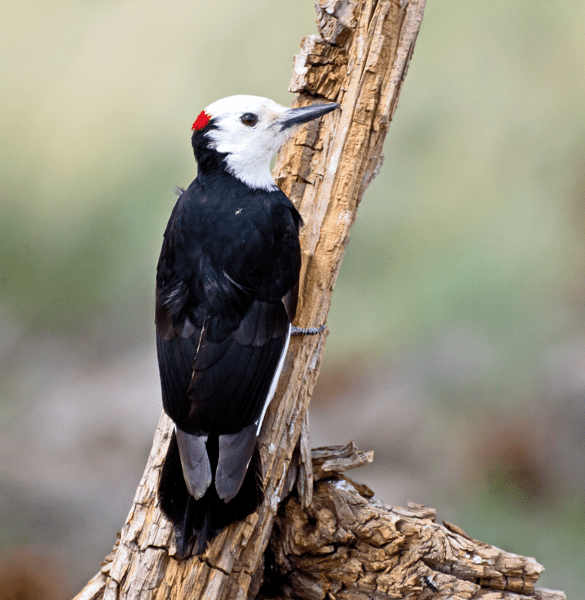
White-headed Woodpecker
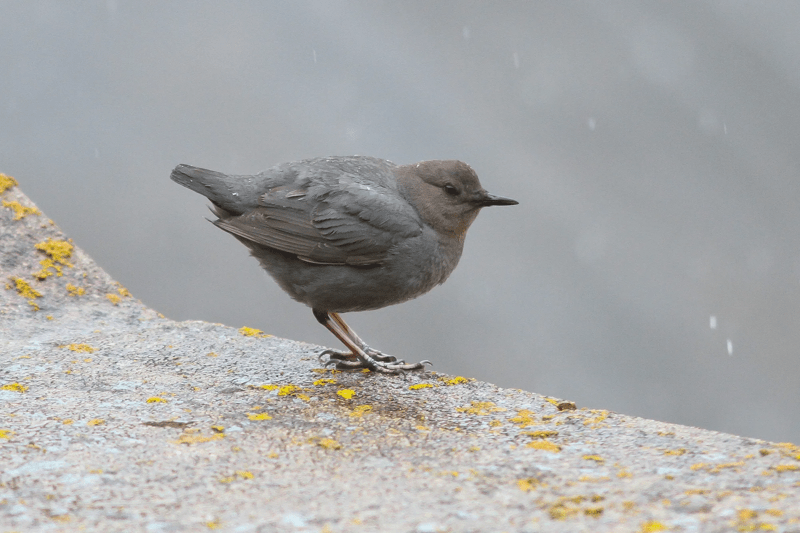
American Dipper
Sooty Grouse
Varied Thrush
Leaders
Michael O’Brien
Primary Leader
Artist, author, and naturalist with expertise in bird vocalizations, migration, and field identification, sharing his passion through illustration, research, and education across the Americas.
Read MoreLouise Zemaitis
Artist and naturalist from Cape May who blends art, teaching, and conservation while inspiring birders of all ages through her creativity and deep love of nature.
Read MoreItinerary
Click here to download the itinerary PDF
Day 1
Travel to and arrive at Seattle–Tacoma International Airport and meet camp staff before traveling north to Whidbey Island by ferry across Puget Sound.
Scan the water from the outdoor deck for Glaucous-winged Gull, Pigeon Guillemot, and Pelagic Cormorant.
Settle into the Camp Casey Conference Center, your coastal base for the next four nights, then enjoy dinner and a camp welcome.
Day 2
Explore the forests, hedgerows, and meadows surrounding Fort Casey, watching for chickadees, wrens, vireos, and woodpeckers among towering fir and hemlock.
Walk coastal trails and forest edges for Band-tailed Pigeon, Steller’s Jay, and Chestnut-backed Chickadee.
Visit Penn Cove and nearby coastal sites for loons, grebes, and gulls in shifting afternoon light.
Day 3
Hike through old-growth cedar and hemlock at South Whidbey State Park, searching for sapsuckers, kinglets, creepers, and forest owls.
Explore rocky shorelines for Marbled Murrelet, Pigeon Guillemot, and Harlequin Duck drifting just offshore.
Scan Crockett Marsh for shorebirds, yellowlegs, dowitchers, and marsh birds moving quietly among reedbeds.
Day 4
Take the early ferry to Port Townsend and bird the crossing for auklets, cormorants, and marine species.
Visit Kah Tai Lagoon, Anderson Lake State Park, and Dungeness Bay for shorebirds, ducks, woodpeckers, and coastal forest birds.
Explore Ediz Hook for Harlequin Duck, Black Turnstone, Murre, Murrelet, and sweeping views over the Strait of Juan de Fuca.
Day 5
Enjoy a final morning walk near Fort Casey before traveling south to the mainland and continuing toward the Cascade Mountains.
Watch scenery shift from coastal lowlands to rural valleys and forested foothills as you approach Mt. Rainier National Park.
Settle into The Lodge at Shawnee Trail, your mountain base for the next six nights.
Day 6
Hike forested trails near Longmire, wandering beneath towering cedars and hemlocks while searching for woodpeckers, wrens, thrushes, and American Dipper.
Visit Comet, Narada, and Carter Falls, exploring river canyons rich with wildflowers, mosses, and woodland birds.
Spend a full day on the Skyline Trail, with views of glaciers, meadows, and expansive alpine scenery where marmots, pikas, grouse, and mountain goats thrive.
Day 7
Hike forested trails near Longmire, wandering beneath towering cedars and hemlocks while searching for woodpeckers, wrens, thrushes, and American Dipper.
Visit Comet, Narada, and Carter Falls, exploring river canyons rich with wildflowers, mosses, and woodland birds.
Spend a full day on the Skyline Trail, with views of glaciers, meadows, and expansive alpine scenery where marmots, pikas, grouse, and mountain goats thrive.
Day 8
Hike forested trails near Longmire, wandering beneath towering cedars and hemlocks while searching for woodpeckers, wrens, thrushes, and American Dipper.
Visit Comet, Narada, and Carter Falls, exploring river canyons rich with wildflowers, mosses, and woodland birds.
Spend a full day on the Skyline Trail, with views of glaciers, meadows, and expansive alpine scenery where marmots, pikas, grouse, and mountain goats thrive.
Day 9
Travel east of the crest into Oak Creek Wildlife Area, a landscape of oaks, cliffs, and dry slopes alive with swifts, wrens, magpies, and buntings.
Explore Ponderosa pine forests at Wenatchee National Forest for White-headed Woodpecker, Williamson’s Sapsucker, and mountain flycatchers.
Return to The Lodge at Shawnee Trail for a relaxed evening beneath cool mountain air.
Day 10
Explore the high-elevation Sunrise region, where subalpine meadows and rocky ridges offer sweeping views of glaciers and peaks.
Hike toward Mount Fremont Lookout for chances at White-tailed Ptarmigan, Rosy-Finch, Mountain Goat, and breathtaking alpine vistas.
Return to The Lodge at Shawnee Trail for your final night in the Cascades.
Day 11
Cross forested foothills and rural valleys as you travel back toward Seattle after days of mountain exploration.
Enjoy changing scenery along the drive and share highlights of Cascades birding and hikes.
Settle into the Red Roof Inn Sea-Tac Airport, your final night’s lodging near the airport.
Day 12
Enjoy a relaxed morning before staff accompany campers to Seattle–Tacoma International Airport for departing flights.
What’s Included
Accommodations & Dining
Settle into comfortable accommodations with modern amenities. Enjoy freshly prepared meals that highlight local flavors and international favorites, with consideration for any dietary needs.
Guided Services & Gratuities
Experience each destination with the help of Leaders who share history, culture, and wildlife insights. Gratuities for crew and local guides are included, ensuring seamless service without extra concerns; tipping for your Leaders is discretionary and not included.
Active Essentials
Every tour includes the core elements that make our field experiences possible so you can stay engaged with a range of activities. All outings include the necessary equipment and full safety support, making it easy to join at your own pace.
Transportation & Logistics
We coordinate every transfer, from airport pickup to port boarding. Whether traveling by bus, boat, or charter, our team ensures smooth connections and stress-free travel.
FAQs
Similar Trips
Loading calendar...