


Difficulty
SKY ISLANDS SUMMER CAMP
Camp Chiricahua
Camp Chiricahua offers young naturalists an unforgettable summer immersion in the wildlife-rich landscapes of Southeast Arizona. Basecamps in Tucson, the Santa Catalinas, the Chiricahua Mountains, Sierra Vista, and Patagonia provide access to an extraordinary range of habitats, from towering saguaros to cool pine forests and lush riparian corridors. Campers learn bird identification, field observation, and natural history while exploring legendary locations such as Saguaro National Park, Cave Creek Canyon, and the Huachuca Mountains. With expert leaders, full days outdoors, and the camaraderie of fellow young birders, Camp Chiricahua blends adventure, education, and discovery in one of North America’s most celebrated natural classrooms.
Tour Overview
Jul 14–Jul 27, 2027
Jul 7–Jul 19, 2028
For young naturalists aged 14–18, Camp Chiricahua is a rare opportunity to spend nearly two weeks immersed in the wonders of Southeast Arizona. This youth program—long a cherished part of VENT’s mission—centers on the breathtaking diversity of the “sky islands,” where desert, grassland, and mountain forest converge in dramatic fashion. From towering saguaros and Sonoran Desert washes to shaded canyons, hummingbird hotspots, and cool conifer forests, campers encounter an exceptional variety of wildlife while learning the foundations of birding, natural history, and ecology.
The experience begins in Tucson with desert birding and an ascent into the forested Santa Catalinas for two nights of tent camping at Rose Canyon Lake. Campers wake to the calls of hummingbirds, flycatchers, warblers, and nuthatches while gaining hands-on skills in observation, note-taking, and listening for bird sounds. The heart of the journey takes place in the magnificent Chiricahua Mountains—an 80-mile sky island known for Elegant Trogon, Sulphur-bellied Flycatcher, Mexican Chickadee, and dramatic monsoon skies. Here, field trips highlight geology, botany, mammals, reptiles, butterflies, and the patchwork of habitats that make this region so biologically rich.
Moving west to Sierra Vista, campers explore the cottonwood-lined San Pedro River, the famed canyons of the Huachuca Mountains, and some of the best hummingbird sites in the United States. The final days bring the group to the Patagonia region, where Sonoita Creek and surrounding thornscrub support Gray Hawk, Thick-billed Kingbird, Violet-crowned Hummingbird, and Varied Bunting.
Throughout the camp, participants develop birding skills, hike diverse terrain, learn from expert leaders, and form lasting friendships. With supportive guidance, varied field activities, and long summer days filled with discovery, Camp Chiricahua remains one of VENT’s most beloved youth programs.
A limited number of scholarships are available for the VENT camps. Scholarships are handled through the Victor Emanuel Nature Scholarships program and interested campers are encouraged to contact them directly.
Ecosystems Experienced
Southeast Arizona blends several of North America’s most distinctive ecosystems in a surprisingly compact region. Sonoran Desert flats of saguaros, cholla, and mesquite give way to riparian corridors lined with cottonwood and willow, while higher slopes rise into oak woodland, juniper foothills, and mixed conifer forest. Above 8,000 feet, cool fir and ponderosa pine forests crown the sky islands, offering relief from summer heat and sheltering warblers, thrushes, and high-elevation specialists. Lush canyons such as Cave Creek channel monsoon moisture and support rich understory life, while the surrounding grasslands host meadowlarks, sparrows, pronghorn, and sweeping views of distant ranges.
Expected Climate
Temperature
Summer in Southeast Arizona ranges from very warm desert afternoons to cool, refreshing mornings in the mountains. Desert lowlands near Tucson often exceed 100 degrees F midday, though activities here take place in early morning light. Mountain elevations around 7,000–9,000 feet stay pleasant, with daytime temperatures in the upper 70s or 80s and nights dropping into the 40s or 50s. The Chiricahuas and Huachucas offer welcome respite from heat, especially under shady canopies and along canyon creeks. Layers, sun protection, and plenty of hydration are essential throughout the camp.
Rainfall
July coincides with the Southwest’s summer monsoon season, known for dramatic cloud buildups and short-lived, intense afternoon storms. Thunderheads rise over the mountains, delivering bursts of rain that cool the air, refresh the desert, and create vibrant scents of creosote, pine, and wet earth. Still, most days include long stretches of sunshine and dry conditions, with rainfall typically brief and localized. Campers should expect humid afternoons, the possibility of sudden downpours, and some of the most spectacular skies in North America.
Seasons
Early to mid-July marks a magical period in Southeast Arizona. Migrant hummingbirds arrive in force, desert plants respond to the monsoon’s first rains, and sky island forests ring with the songs of warblers, flycatchers, jays, and thrushes. Butterflies emerge in abundance, reptiles are active, and evening temperatures cool quickly, making night walks and owling excursions especially enjoyable. This season showcases the full vibrancy of the region’s ecosystems, from lush riparian oases to flowered grasslands and cloud-crowned mountains.
Previous Field Reports
Key Species
Elegant Trogon
Montezuma Quail
Arizona Woodpecker
Varied Bunting
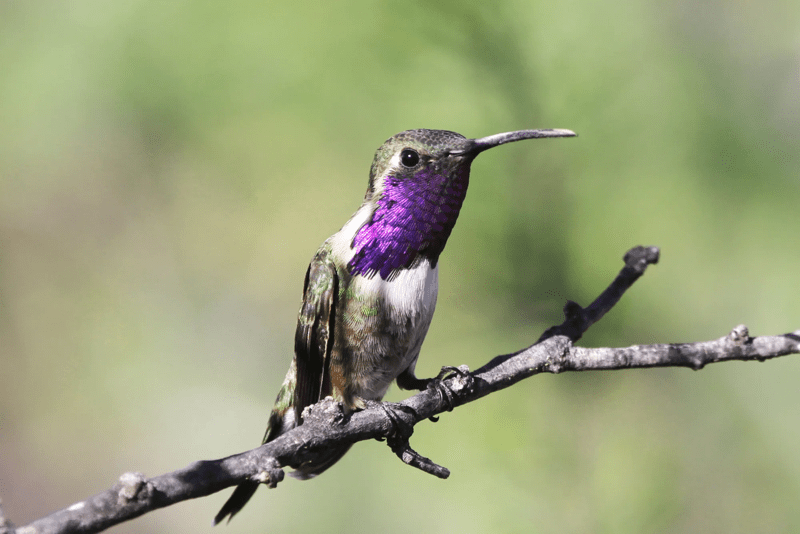
Lucifer Hummingbird
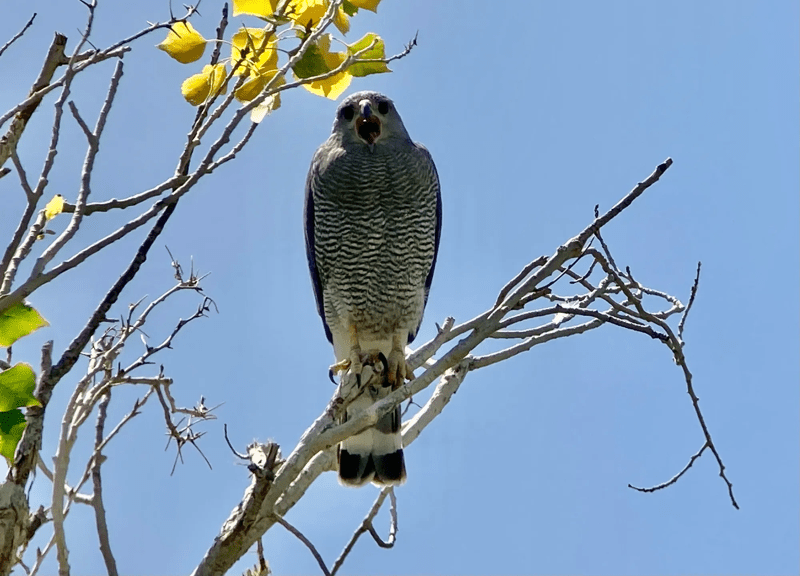
Gray Hawk
Leaders
Brian Gibbons
Primary Leader
Birder and field researcher with decades of experience studying and guiding across the Americas, known for his passion, precision, and love of bird photography.
Read MoreRaymond L. VanBuskirk
Ornithologist and tour leader with global guiding experience, dedicated to conservation, mentorship, and fostering inclusion within the international birding community.
Read MoreJennie Duberstein
Jennie Duberstein, Ph.D., is a wildlife biologist and conservation social scientist who coordinates the Sonoran Joint Venture, fostering bird and habitat conservation across the southwestern United States and northwestern Mexico. Passionate about youth education, she has led birding camps, courses, and community programs since 1997, inspiring young birders and advancing collaborative conservation throughout the borderlands.
Itinerary
Click here to download the 2027 itinerary PDF
Day 1
Arrive in Tucson and settle into the Hampton Inn Tucson Airport, your comfortable base for the first night of camp.
Meet leaders and fellow campers for an orientation and overview of the days ahead.
Head out for your first Arizona birding in nearby desert habitat, watching for roadrunners, wrens, and Gambel’s Quail under warm evening light.
Day 2
Explore Saguaro National Park for Gilded Flicker, Verdin, and desert reptiles among towering cacti and blooming ocotillo.
Travel the Mt. Lemmon Highway, rising from hot desert to cool pine forest as habitats shift dramatically.
Set up camp at Rose Canyon Lake Campground, your mountain home for the next two nights.
Day 3
Wake to the calls of Broad-tailed Hummingbird, Pygmy Nuthatch, and Hermit Thrush echoing through the high forests.
Explore shaded canyons and meadows alive with warblers, jays, and abundant butterflies.
Watch for Abert’s Squirrel and other mammals moving quietly through the pines.
Day 4
Descend through oak–juniper foothills and cross the wide Sulphur Springs Valley, scanning for hawks, quail, and larks.
Visit Lake Cochise for waterbirds, early shorebirds, and summering ducks against striking desert backdrops.
Arrive in Portal and settle into Cave Creek Ranch, your gateway to legendary Cave Creek Canyon.
Day 5
Explore the lush South Fork of Cave Creek for Elegant Trogon, Arizona Woodpecker, sulids, tanagers, and shaded canyon specialties.
Wander desert grasslands, searching for quail, sparrows, thrashers, and striking desert plants under bright blue skies.
Enjoy night drives and owling outings for Elf Owl, Whiskered Screech-Owl, kangaroo rats, and other nocturnal wildlife.
Day 6
Explore the lush South Fork of Cave Creek for Elegant Trogon, Arizona Woodpecker, sulids, tanagers, and shaded canyon specialties.
Wander desert grasslands, searching for quail, sparrows, thrashers, and striking desert plants under bright blue skies.
Enjoy night drives and owling outings for Elf Owl, Whiskered Screech-Owl, kangaroo rats, and other nocturnal wildlife.
Day 7
Explore the lush South Fork of Cave Creek for Elegant Trogon, Arizona Woodpecker, sulids, tanagers, and shaded canyon specialties.
Wander desert grasslands, searching for quail, sparrows, thrashers, and striking desert plants under bright blue skies.
Enjoy night drives and owling outings for Elf Owl, Whiskered Screech-Owl, kangaroo rats, and other nocturnal wildlife.
Day 8
Travel west down Pinery Canyon, scanning for Red-faced Warbler, Hepatic Tanager, and mixed flocks along the slopes.
Cross the Sulphur Springs Valley with views of distant ranges and open grasslands rich with raptors.
Arrive in Sierra Vista and settle into the Holiday Inn Express, your comfortable lodging for two nights.
Day 9
Explore cottonwood-lined Sonoita Creek for Gray Hawk, Vermilion Flycatcher, and desert sparrows in early morning light.
Visit hummingbird feeding stations in the Huachucas, where dozens of hummingbirds zip and hover around the feeders.
Walk canyon trails in search of rare wanderers and mountain specialties.
Day 10
Continue exploring canyon habitats for hummingbirds, vireos, and forest birds seeking shade in cool mountain air.
Visit Las Cienegas grasslands, scanning for sparrows, meadowlarks, and pronghorn.
Arrive in Patagonia and settle into the Stage Stop Inn, your base for exploring Sonoita Creek.
Day 11
Search riparian corridors and thornscrub for Violet-crowned Hummingbird, Gray Hawk, Thick-billed Kingbird, and Varied Bunting.
Explore desert trails where rare Mexican species occasionally appear, adding excitement to the day.
Enjoy an evening walk or group activity after the heat subsides.
Day 12
Visit Box Canyon for Five-striped Sparrow, Varied Bunting, and desert specialties thriving on rocky slopes.
Explore Madera Canyon for hummingbirds, trogons, jays, and cool mountain birding.
Return to the Hampton Inn Tucson Airport for a final evening together.
Day 13
Enjoy breakfast and final checklist time with your leaders and fellow campers.
Depart Tucson by midday with new skills, new friends, and a deeper connection to the natural world.
What’s Included
Accommodations & Dining
Settle into comfortable accommodations with modern amenities. Enjoy freshly prepared meals that highlight local flavors and international favorites, with consideration for any dietary needs.
Guided Services & Gratuities
Experience each destination with the help of Leaders who share history, culture, and wildlife insights. Gratuities for crew and local guides are included, ensuring seamless service without extra concerns; tipping for your Leaders is discretionary and not included.
Active Essentials
Every tour includes the core elements that make our field experiences possible so you can stay engaged with a range of activities. All outings include the necessary equipment and full safety support, making it easy to join at your own pace.
Transportation & Logistics
We coordinate every transfer, from airport pickup to port boarding. Whether traveling by bus, boat, or charter, our team ensures smooth connections and stress-free travel.
FAQs
Similar Trips
Loading calendar...