

Difficulty
SEABIRDS, MIGRANTS, AND HISTORY AT FORT JEFFERSON
Dry Tortugas
Far out in the Gulf of Mexico, the Dry Tortugas offer one of North America’s most extraordinary birding experiences. These remote coral islands are home to vast colonies of Sooty Terns, Brown Noddies, Masked Boobies, and Magnificent Frigatebirds, while the historic walls of Fort Jefferson provide refuge for migrating warblers, buntings, and thrushes. From the deck of the M/V Makai, explore turquoise waters alive with seabirds and history, where every sunrise brings the thrill of discovery. With tropical beauty, rich migration, and a touch of adventure, the Dry Tortugas deliver a birding journey unlike any other in the United States.
Tour Overview
Apr 27–Apr 30, 2027
Apr 27–Apr 30, 2028
Remote, sunlit, and teeming with life, the Dry Tortugas are a true tropical outpost of the United States—a place where coral islands, turquoise waters, and vast seabird colonies meet centuries of history. Accessible only by boat or seaplane, this cluster of small islands west of Key West forms one of the country’s most remarkable birding destinations.
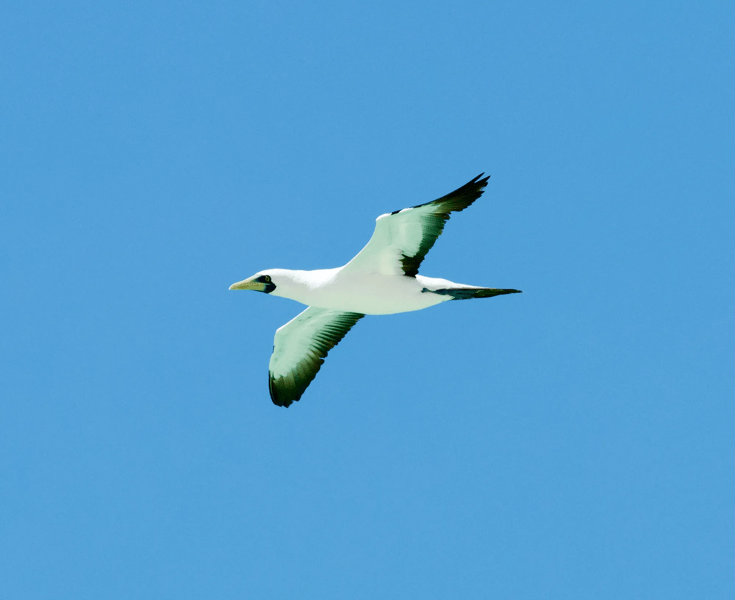
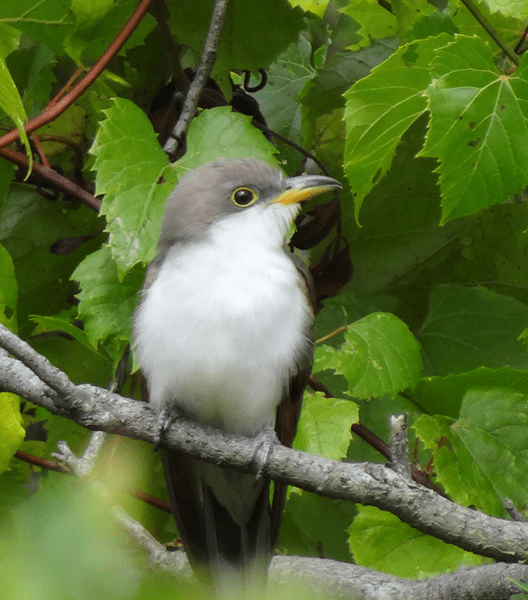
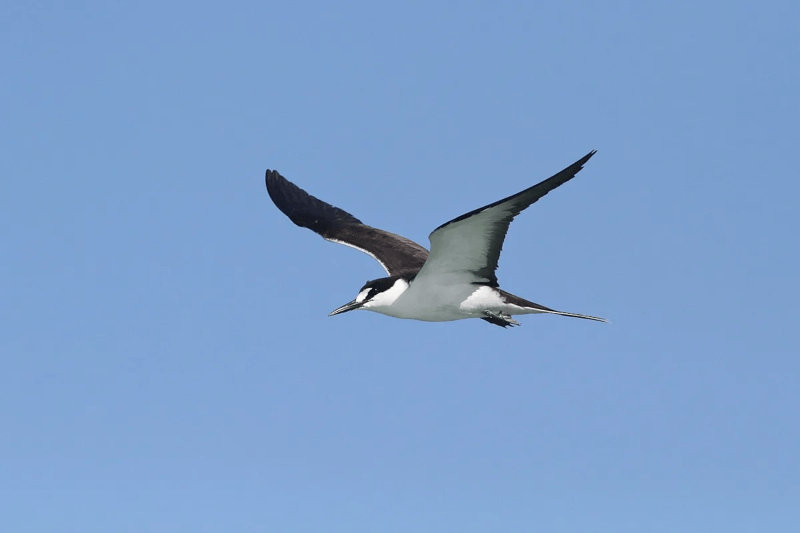
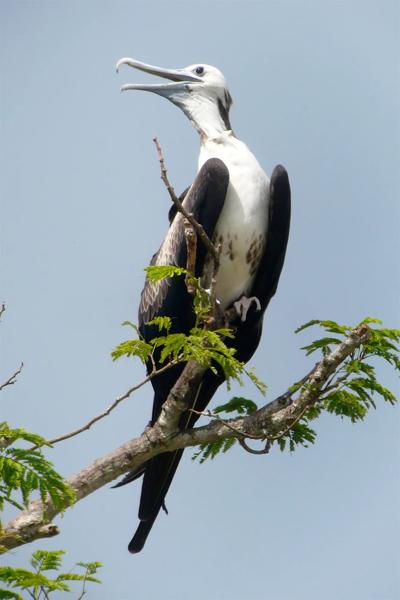
The heart of the archipelago is Garden Key, crowned by the massive brick walls of Fort Jefferson. Inside this 19th-century fortress, palms and buttonwoods shelter a dazzling array of migrants each spring—warblers, thrushes, cuckoos, buntings, and orioles resting after their flight across the Gulf. Nearby, Bush Key hosts a staggering spectacle of tens of thousands of Sooty Terns and Brown Noddies, while Hospital and Long keys support Masked Boobies and Magnificent Frigatebirds—species that nest nowhere else in the United States.
Days aboard the 82-foot M/V Makai bring the perfect mix of comfort and adventure: early mornings scanning the horizon for pelagic species, quiet hours exploring the fort’s shaded courtyards, and unforgettable evenings as frigatebirds drift over fiery sunsets. Between birding sessions, optional snorkeling reveals coral reefs and schools of tropical fish gliding through clear waters.
For those seeking an experience that blends wildlife, wilderness, and history, the Dry Tortugas offer an unparalleled journey—a place where the rhythms of migration, the roar of the sea, and the echoes of the past come together in one of America’s most enchanting settings.
Ecosystems Experienced
The Dry Tortugas are a remote cluster of seven low-lying coral islands surrounded by the Gulf of Mexico’s clear, warm waters. As the only true tropical islands linked to the continental United States, they harbor a rare blend of marine, coastal, and avian life. Bush, Hospital, and Long keys support vast nesting colonies of seabirds, while Garden Key, home to Fort Jefferson, serves as a crucial stopover for migratory land birds. The region’s turquoise shallows, seagrass flats, and coral reefs teem with marine life, from sea turtles and rays to schooling fish beneath the surface.
Expected Climate
Temperature
Warm to hot days reaching the upper 80s °F (30–32 °C); cooler evenings in the low 70s °F (21–23 °C).
Rainfall
Generally sunny with light sea breezes; brief afternoon squalls possible over open water.
Seasons
Late April brings peak seabird nesting and heavy songbird migration, the most productive and rewarding time to visit the Tortugas.
Previous Field Reports
Key Species
Brown Noddy
Masked Booby
Audubon's Shearwater
Yellow-billed Cuckoo
Sooty Tern
Magnificent Frigatebird
Leader
Rafael Galvez
Primary Leader
Birder, artist, and educator dedicated to conservation, community outreach, and the beauty of birds through art, guiding, and education across the Americas.
Read MoreItinerary
Click here to download the 2027 itinerary PDF
Day 1
Arrive in Key West and transfer to the Doubletree Grand Key Resort.
Orientation, evening birding, and group dinner.
Transfer to Robbie’s Marina for a welcome aboard the M/V Makai.
Overnight at dock preparing for the voyage.
Day 2
Depart before dawn for the half-day passage into the Gulf of Mexico.
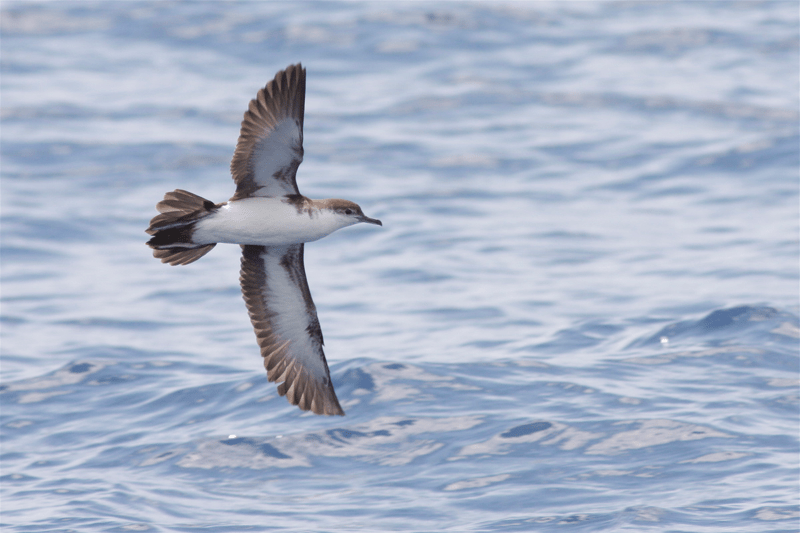
Watch for seabirds including Audubon’s Shearwater, Brown Booby, and Bridled and Roseate Terns.
Visit Hospital Key, the only U.S. nesting site for Masked Boobies.
Arrive at Garden Key and explore historic Fort Jefferson surrounded by turquoise seas.
Day 3
Early morning at Bush Key’s enormous Sooty Tern and Brown Noddy colony.
Scan for Magnificent Frigatebirds soaring over Long Key’s nesting mangroves.
Search Fort Jefferson’s trees and courtyards for migrant warblers, cuckoos, buntings, and orioles.
Optional snorkeling and sunset dinghy rides along Bush and Long keys for close views of seabird colonies.
Day 4
Final morning on Garden Key to check for new migrants and rare visitors.
Watch for pelagic species and dolphins en route back to Key West.
Arrive mid-afternoon; transfers to the Doubletree Grand Key Resort provided.
Evening at leisure or optional overnight in Key West before flights home.
What’s Included
Accommodations & Dining
Settle into comfortable accommodations with modern amenities. Enjoy freshly prepared meals that highlight local flavors and international favorites, with consideration for any dietary needs.
Guided Services & Gratuities
Experience each destination with the help of Leaders who share history, culture, and wildlife insights. Gratuities for crew and local guides are included, ensuring seamless service without extra concerns; tipping for your Leaders is discretionary and not included.
Active Essentials
Every tour includes the core elements that make our field experiences possible so you can stay engaged with a range of activities. All outings include the necessary equipment and full safety support, making it easy to join at your own pace.
Transportation & Logistics
We coordinate every transfer, from airport pickup to port boarding. Whether traveling by bus, boat, or charter, our team ensures smooth connections and stress-free travel.
FAQs
Similar Trips
Loading calendar...