
Difficulty
Hummingbirds, Highlands & the Andean Slope
Ecuador: Cabanas San Isidro Short Tour
Experience Ecuador’s incredible elevational diversity on this short, action-packed journey from Andean peaks to lush subtropical forests. Centered at Cabañas San Isidro, we’ll explore varied habitats alive with hummingbirds, tanagers, and mountain specialties—including chances for Andean Condor, Sword-billed Hummingbird, and the elusive San Isidro Mystery Owl.
Starting At
$3,915 per person
7 Days

7 Days
8 Guests

Pace
Tour Overview
Nov 30–Dec 6, 2026
Dec 5–Dec 11, 2027
This compact journey showcases Ecuador’s remarkable elevational range and rich montane ecosystems along the northeastern Andean slope. Centered in the mid-elevation subtropical zone, our route includes visits to three higher-altitude areas—Antisana National Park, Guango Lodge, and Papallacta Pass. From our comfortable base at Cabañas San Isidro, we’ll explore an exceptional variety of habitats that support a stunning array of Neotropical birdlife.
Ecuador, long celebrated as one of the world’s great birding destinations, offers extraordinary biodiversity within a small footprint. On this special departure, we’ll seek a dazzling range of species that capture the spirit of the Neotropics—potentially up to 30–40 hummingbirds and more than 30 tanagers. We’ll also keep watch for Mountain Tapir and Spectacled Bear. Designed for birding enthusiasts, photographers, and anyone eager for the joy of tropical discovery, this itinerary delivers an immersive experience in less time than VENT’s longer tours.
Our adventure begins east of Quito at Hostería San José de Puembo. From there, we ascend to Antisana National Park (3,800 m) at the base of the majestic Antisana Volcano to look for Andean Condor, Andean Ibis, Giant Hummingbird, Ecuadorian Hillstar, Black-tailed Trainbearer, Shining Sunbeam, and Great Sapphirewing among other high-elevation species. Crossing the Eastern Cordillera, we descend to Guango Lodge (2,500 m) for lunch and birding in a temperate-zone setting known for Torrent Duck, Tourmaline Sunangel, Long-tailed Sylph, Sword-billed Hummingbird, and Gray-breasted Mountain-Toucan. Continuing downslope to “La Brisa” (1,800 m), we’ll have the chance to add more than a dozen new hummingbird species before arriving at Cabañas San Isidro for our evening checklist and dinner—and possibly a glimpse of San Isidro’s Mystery Owl.
Set amid lush forest and mountain scenery, Cabañas San Isidro offers comfortable, well-appointed cabins, excellent cuisine, and easy access to exceptional birding. We’ll take full advantage of its open-air deck and forest-edge trails, as well as half-day excursions to nearby hotspots. Highlights may include Lyre-tailed Nightjar, Andean Potoo, Black-and-chestnut Eagle, Golden-headed and Crested quetzals, Masked Trogon, Andean Motmot, Southern Emerald-Toucanet, Black-billed Mountain-Toucan, and the magnificent Andean Cock-of-the-rock.
Expect very good accommodations, varied habitats, and outstanding opportunities for photography and observation—from open grasslands and highland lakes to montane forests and feeders. The tour involves two longer drives between main sites, with birding stops along the way, and walking on uneven terrain at varied altitudes (generally up to 3,500 m, with one visit above 4,300 m). Temperatures range from cold in the páramo zone to cool or mild at lower elevations, with midday downtime most days for rest and review.
Ecosystems Experienced
Montane and subtropical forest, temperate cloud forest, páramo grasslands, and high-Andean wetlands. This tour explores a remarkable cross-section of habitats along Ecuador’s northeastern Andean slope—from the windswept elevations of Antisana National Park to the lush mid-elevation forests surrounding Cabañas San Isidro. Birders will experience rich biodiversity and striking contrasts in elevation, vegetation, and climate throughout the journey.
Expected Climate
Temperature
At 2,050 m elevation, daytime highs typically reach 68–74 °F (20–24 °C), with crisp nights dipping to 50–54 °F (10–12 °C).
Rainfall
January falls in the cloud-forest’s wetter season; expect frequent mist, light to moderate rain—often in the afternoon—though trails remain accessible.
Seasons
Mid-to-late wet season in the eastern Andes: lush, rich vegetation, rising river flows, and active bird behaviour—perfect for cloud-forest birding with the right gear.
Key Species
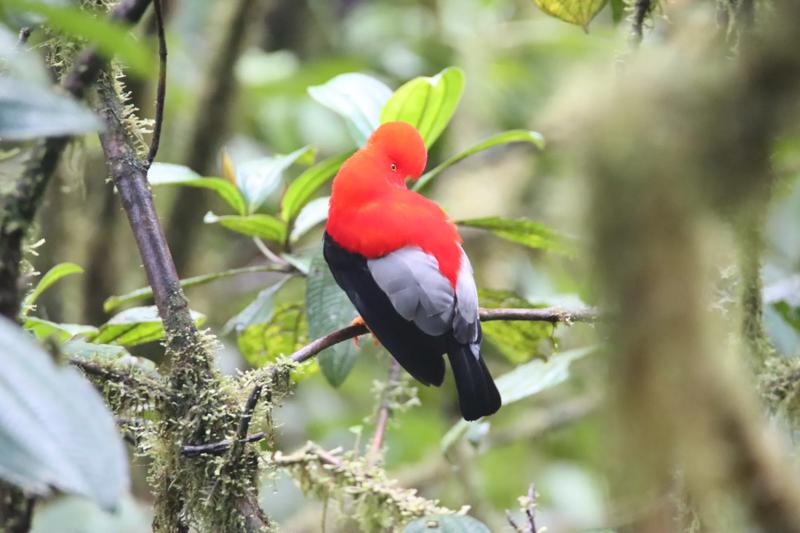
Andean Cock-of-the-Rock
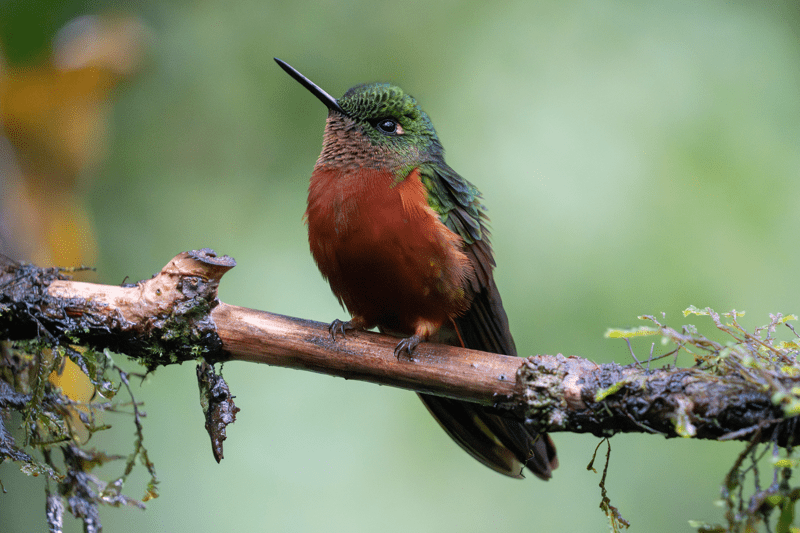
Chestnut-breasted Coronet
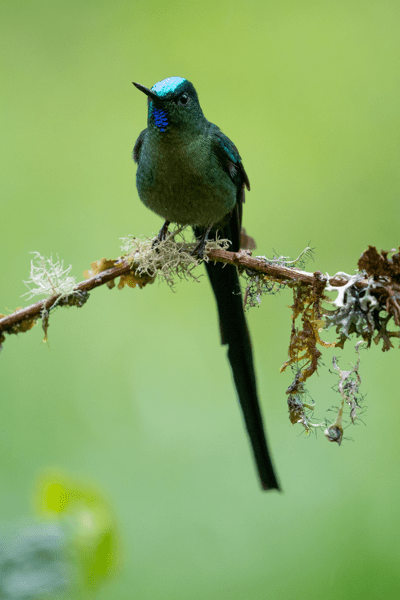
Long-tailed Sylph
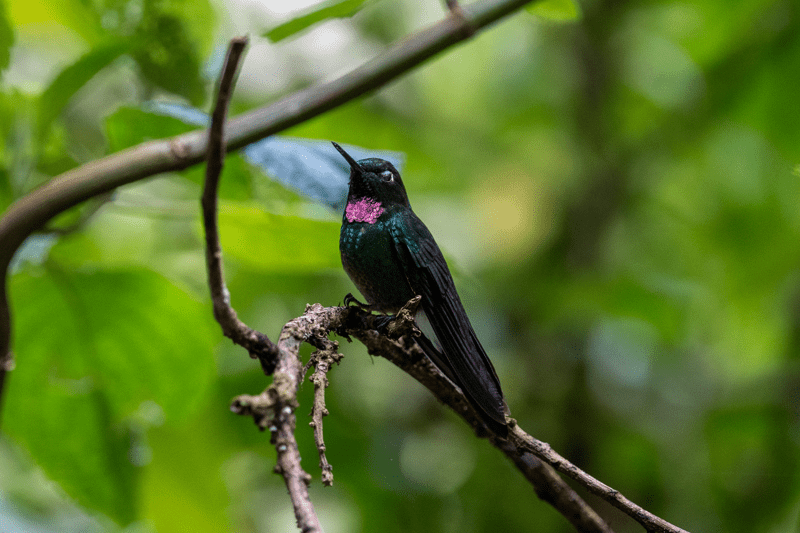
Tourmaline Sunangel
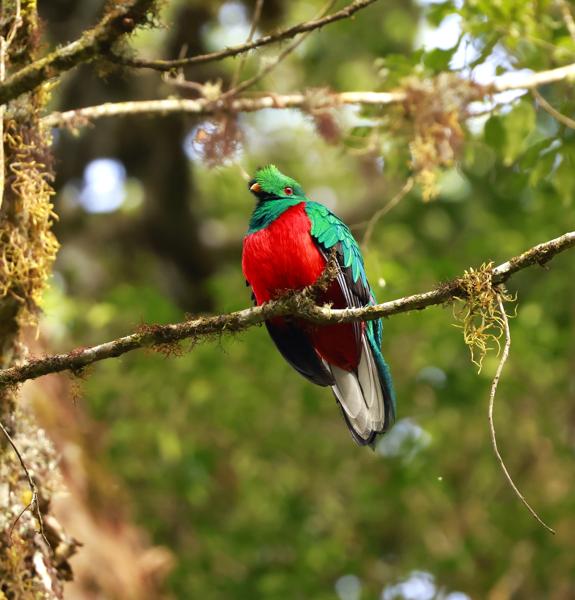
Crested Quetzal
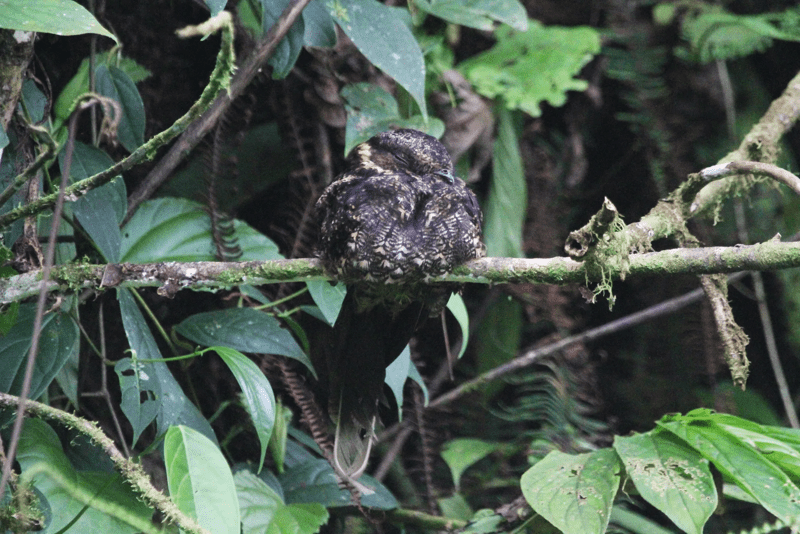
Lyre-tailed Nightjar
Leader
Paul Greenfield
Primary Leader
Renowned artist, author, and conservationist whose five decades in Ecuador have shaped global understanding of the country’s birds through art, research, and ecotourism.
Read MoreRemigio Grefa
Remigio “Remi” Grefa grew up in the Kichwa community of Añangu along Ecuador’s Napo River, where his love of birds and the rainforest began. Rising through every role at the Napo Wildlife Center, he gained hands-on experience that shaped him into a skilled birding and naturalist guide. Remi now leads tours with expertise, enthusiasm, and deep connection to the Amazon.
Itinerary
Click here to download the 2026 itinerary PDF
Day 1
Arrive in Quito, Ecuador, where you are welcomed to the northern Andes and transferred to San José de Puembo near the airport.
Settle in and relax after your travels while preparing for the exciting days of birding ahead in one of the most species-rich countries on Earth.
Day 2
Depart San José de Puembo and ascend into Antisana National Park, exploring high-elevation páramo landscapes beneath the towering Antisana Volcano.
Search for spectacular Andean specialties including Andean Condor, Black-chested Buzzard-Eagle, Andean Ibis, Ecuadorian Hillstar, and a dazzling variety of high-altitude hummingbirds.
Continue over Papallacta Pass to bird the temperate forests around Guango Lodge, then descend east to Cabañas San Isidro in Cosanga for the start of your cloud forest immersion.
Day 3
Wake at Cabañas San Isidro and experience the lodge’s famous early morning moth light setup, where tanagers, hummingbirds, and forest species gather at close range.
Bird the surrounding subtropical forests and the productive Las Caucheras Road, searching for mixed feeding flocks, toucans, quetzals, antpittas, and mountain tanagers.
Spend the afternoon continuing to explore the rich cloud forest habitats surrounding the lodge, with excellent birding opportunities directly from the property.
Day 4
Venture to the spectacular Río Quijos valley to witness the remarkable Andean Cock-of-the-rock lek, one of the signature wildlife spectacles of the Ecuadorian Andes.
Continue birding nearby foothill habitats, watching for trogons, motmots, woodcreepers, tapaculos, and brilliantly colored tanagers hidden within dense subtropical forest.
Return to Cabañas San Isidro for time around the lodge feeders and another productive evening in the cloud forest.
Day 5
Explore additional birding hotspots surrounding Cosanga, which may include visits to Wayra Reserve, Cabañas Tamiaju, or stretches of productive roadside forest.
Search for regional specialties including White-bellied Antpitta, Black-billed Mountain-Toucan, Golden-headed Quetzal, Andean Motmot, and dozens of hummingbird species.
Head out after dark for an evening excursion seeking nocturnal species such as the spectacular Lyre-tailed Nightjar.
Day 6
Spend a final morning birding around Cabañas San Isidro, taking advantage of one last opportunity to explore its remarkably diverse subtropical forests.
Ascend the eastern slope of the Andes toward Papallacta Pass, stopping in high-elevation páramo habitat to search for specialties such as Rufous-bellied Seedsnipe and other alpine species missed earlier in the trip.
Return to San José de Puembo near Quito for a farewell dinner and a final evening reflecting on an unforgettable week of Andean birding.
Day 7
Transfer from San José de Puembo to Mariscal Sucre International Airport in Quito for your return flight home.
Depart Ecuador after experiencing an extraordinary cross-section of Andean habitats, cloud forests, and some of the finest bird diversity in the Neotropics.
What’s Included
Accommodations & Dining
Settle into comfortable accommodations with modern amenities. Enjoy freshly prepared meals that highlight local flavors and international favorites, with consideration for any dietary needs.
Guided Services & Gratuities
Experience each destination with the help of Leaders who share history, culture, and wildlife insights. Gratuities for crew and local guides are included, ensuring seamless service without extra concerns; tipping for your Leaders is discretionary and not included.
Active Essentials
Every tour includes the core elements that make our field experiences possible so you can stay engaged with a range of activities. All outings include the necessary equipment and full safety support, making it easy to join at your own pace.
Transportation & Logistics
We coordinate every transfer, from airport pickup to port boarding. Whether traveling by bus, boat, or charter, our team ensures smooth connections and stress-free travel.
FAQs
Similar Trips
Limited Space Available
Online booking is now closed for this departure, but space may still be available. Please call our office at 512-328-5221 so we may assist you directly.
Departure Dates No Longer Available Online
- Nov 30–Dec 6, 2026
Loading calendar...