

Difficulty
BERING SEA OUTPOSTS & ASIATIC VAGRANTS
Grand Alaska: Nome & Gambell
This exciting western Alaska adventure explores two of the most legendary birding outposts in North America—Nome and the Yup’ik village of Gambell—where the Bering Sea meets the tundra and Asian migrants routinely appear. Around Nome, breeding specialties such as Bristle-thighed Curlew, Bluethroat, Aleutian Tern, Bar-tailed Godwit, Northern Wheatear, and Rock and Willow ptarmigan enliven the tundra, while mammals like Muskox and Grizzly Bear roam the landscape. At Gambell, immense seabird movements, tens of thousands of auklets and murres, and excellent chances for true Asiatic vagrants combine for unforgettable days on St. Lawrence Island. This tour delivers peak-season spectacle, rarity potential, and classic frontier Alaska birding.
Advance Booking Notice
This tour is currently open for reservations, though final pricing has not yet been published. Guests may secure a place on the departure by submitting the initial deposit. Full details are available in the FAQs.
Tour Overview
May 29–Jun 8, 2027
May 29–Jun 8, 2028
Few places in North America offer the exhilarating blend of Bering Sea specialties, Eurasian vagrants, breeding shorebirds, and dramatic wilderness that define Nome and Gambell. With late May and early June bringing peak migration and the start of the Arctic breeding season, this tour positions participants at two of the most productive vantage points for Asian strays and northern breeders.
We begin with three-and-a-half days in Nome, where the landscapes of the Seward Peninsula—tundra valleys, alpine ridges, coastal lagoons, and scattered boreal thickets—host an exceptional array of birds. Council, Kougarok, and Teller Roads allow access to rich habitats where Rock and Willow ptarmigan forage near the roadsides, Aleutian Terns feed along Safety Lagoon, and Bar-tailed Godwits and Pacific Golden-Plovers defend breeding territories. Bluethroats skylark against snowy hillsides, Eastern Yellow Wagtails hover over tundra hummocks, and Gyrfalcons range across the higher ridges. Our visit coincides with prime timing for Emperor Goose, Sabine’s Gull, Red Phalarope, Black Turnstone, Rock Sandpiper, and other migrants that surge through the region. Asiatic vagrants—such as Siberian Sand-Plover, Great Knot, Wood Sandpiper, and Gray-tailed Tattler—have been recorded frequently at this season. Mammals add to the excitement, with Muskox, Moose, and Grizzly Bear regularly encountered.
Gambell, perched on St. Lawrence Island at the edge of the Bering Sea, offers one of the world’s great seawatching sites. Tens of thousands of murres, puffins, auklets, and kittiwakes stream past daily, joined by loons, eiders, and migrating waterfowl. This is also a legendary hotspot for Siberian vagrants—species such as Stonechat, Taiga Flycatcher, Siberian Rubythroat, Dusky Thrush, Eurasian Bullfinch, and many more have appeared here. With simple but comfortable accommodations and access to an improved network of gravel roads, Gambell provides exceptional opportunities for both rarity hunting and breathtaking seabird spectacle.
Ecosystems Experienced
The Nome and Gambell regions encompass a mosaic of Arctic tundra, alpine ridges, coastal lagoons, and scattered boreal outliers that together form one of Alaska’s richest ecological crossroads. Tundra plateaus support Rock and Willow ptarmigan, displaying shorebirds, breeding Bluethroat, and Northern Wheatear. Coastal wetlands such as Safety Lagoon host Brant, loons, Aleutian and Arctic terns, and vast concentrations of migrating shorebirds. Boreal thickets along rivers and foothills harbor Arctic Warbler, Northern Shrike, Gray-cheeked Thrush, and redpolls. At Gambell, the Bering Sea edge delivers continuous movements of auklets, puffins, murres, and eiders, with frequent appearances of Eurasian vagrants. Large mammals—including Muskox, Brown Bear, and Moose—add to the wild, frontier character of this remarkable region.
Expected Climate
Temperature
Late May to early June brings cool conditions across Nome and the Seward Peninsula, with daytime highs typically in the mid-40s to mid-50s °F and nights falling into the low 30s–40s °F. Inland tundra can feel milder in sunshine, while coastal winds often make temperatures feel colder.
Rainfall
Precipitation is generally light and variable, often taking the form of fog, mist, drizzle, or brief showers. Snow patches persist on tundra ridges, and low ceilings and shifting marine layers are common.
Seasons
This tour coincides with the brief but explosive Arctic spring when tundra blooms, shorebirds display, and breeders arrive in full force. Nearly continuous daylight allows extended field time during one of the most dynamic migration and nesting periods of the year.
Key Species
Aleutian Tern
Bluethroat
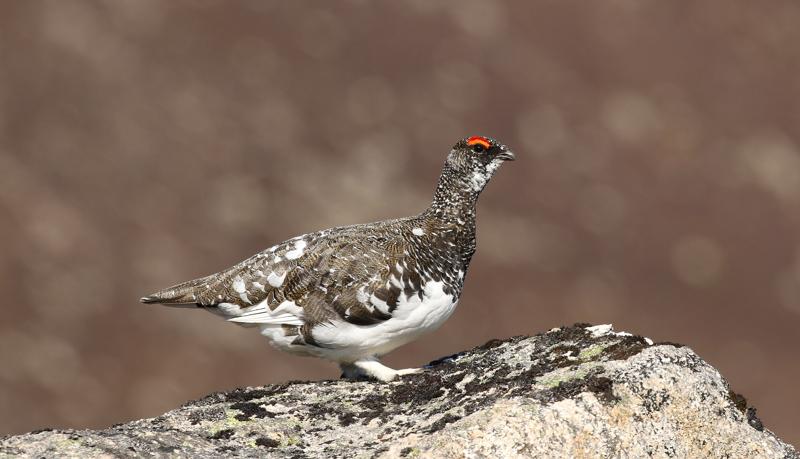
Rock Ptarmigan
Red-throated Loon
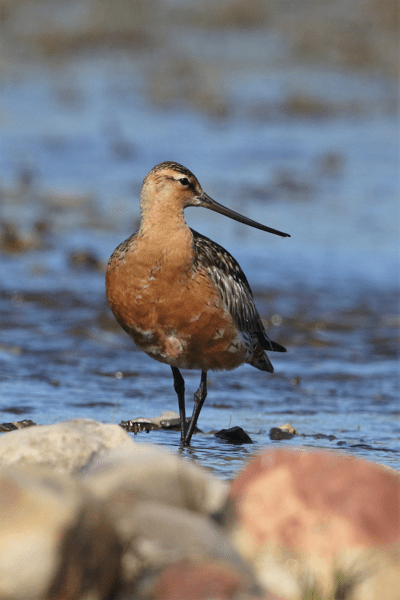
Bar-tailed Godwit
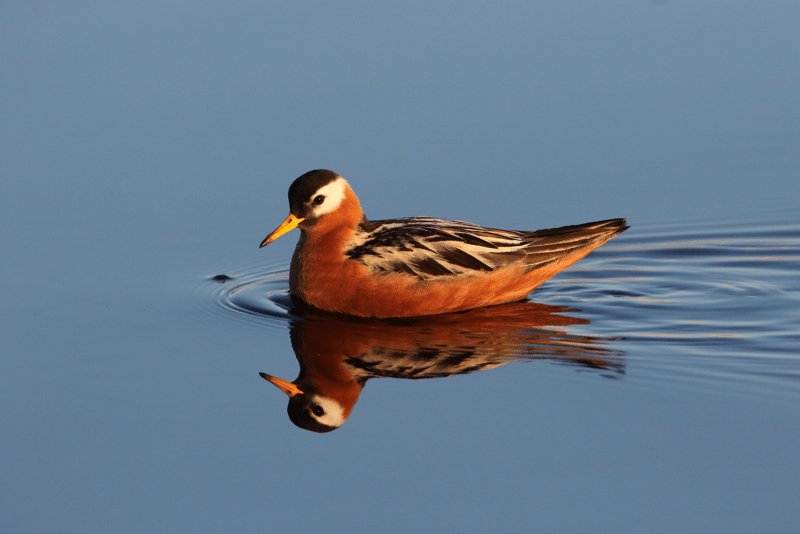
Red Phalarope
Leaders
Brian Gibbons
Primary Leader
Birder and field researcher with decades of experience studying and guiding across the Americas, known for his passion, precision, and love of bird photography.
Read MoreRaymond L. VanBuskirk
Ornithologist and tour leader with global guiding experience, dedicated to conservation, mentorship, and fostering inclusion within the international birding community.
Read MoreItinerary
Click here to download the 2026 itinerary PDF
Day 1
Hotel check-in followed by an optional walk at Lake Hood to look for early-arriving waterfowl and local species.
Welcome dinner and overview of the days ahead.
Day 2
Morning flight to Nome; begin birding along Council Road, exploring coastal lagoons, tundra flats, and river mouths.
Search Safety Lagoon for Aleutian Tern, Bar-tailed Godwit, migrant shorebirds, and possible Asian strays.
Day 3
Explore the Council Road corridor and nearby alpine tundra near Skookum Pass.
Continue scanning wetlands, tundra slopes, and foothill habitats for ptarmigan, jaegers, loons, and migrants.
Day 4
Full day on Kougarok Road with opportunities for displaying Bluethroat and Arctic Warbler.
Optional hike to the Bristle-thighed Curlew breeding area for participants who choose the more strenuous outing.
Day 5
Bird the Teller Road corridor for alpine-nesting shorebirds, Rock Ptarmigan, raptors, and tundra species.
Scenic tundra landscapes provide opportunities for Muskox and other large mammals.
Day 6
Morning Nome birding for final targets, followed by flight to Anchorage.
Visit Westchester Lagoon in the evening for local waterbirds and wetland species.
Day 7
Optional early Anchorage birding before the flight north.
Begin High Arctic exploration around Utqiagvik with evening birding on tundra ponds and coastal edges.
Day 8
Full day birding tundra lakes and wet meadows, focusing on King, Steller’s, and Spectacled Eiders.
Search for Snowy Owls, jaegers, and displaying sandpipers in 24-hour daylight.
Day 9
Morning continuation of tundra and coastal birding; watch for migrant loons, phalaropes, and potential vagrants.
Afternoon flight to Anchorage; farewell dinner and checklist session.
Day 10
Tour concludes with transfers to the airport or continuation to Grand Alaska Part II.
What’s Included
Accommodations & Dining
Settle into comfortable accommodations with modern amenities. Enjoy freshly prepared meals that highlight local flavors and international favorites, with consideration for any dietary needs.
Guided Services & Gratuities
Experience each destination with the help of Leaders who share history, culture, and wildlife insights. Gratuities for crew and local guides are included, ensuring seamless service without extra concerns; tipping for your Leaders is discretionary and not included.
Active Essentials
Every tour includes the core elements that make our field experiences possible so you can stay engaged with a range of activities. All outings include the necessary equipment and full safety support, making it easy to join at your own pace.
Transportation & Logistics
We coordinate every transfer, from airport pickup to port boarding. Whether traveling by bus, boat, or charter, our team ensures smooth connections and stress-free travel.
FAQs
Similar Trips
Loading calendar...