

Difficulty
ARCTIC TUNDRA & BERING SEA SPECIALTIES
Grand Alaska Part I: Nome & Utqiagvik (Barrow)
Part I of the Grand Alaska adventure immerses travelers in the sweeping tundra, coastal lagoons, and frontier wilds of Nome and Utqiagvik (Barrow)—the heart of Alaska’s Arctic-breeding birdlife. This journey focuses on the region’s most coveted specialties: Bristle-thighed Curlew, Bluethroat, Northern Wheatear, Arctic Warbler, King, Steller’s, and Spectacled Eiders, and an exciting mix of Siberian-influenced migrants. With continuous daylight and vast, dramatic landscapes, participants can expect exhilarating birding alongside excellent mammal viewing, including Muskox, Moose, and Grizzly Bear. This tour is an ideal complement to Part II, offering an unforgettable introduction to the extraordinary tundra ecosystems of northern Alaska.
Advance Booking Notice
This tour is currently open for reservations, though final pricing has not yet been published. Guests may secure a place on the departure by submitting the initial deposit. Full details are available in the FAQs.
Tour Overview
Jun 7–Jun 16, 2027
Jun 7–Jun 16, 2028
Part I of our Grand Alaska journey showcases some of the most thrilling birding on the continent, centered on the sweeping tundra and coastal lagoons of Nome and Utqiagvik—two of Alaska’s most iconic northern birding destinations. After a night in Anchorage, we fly to Nome, where the Bering Sea meets rolling tundra, willow-lined river basins, and rugged inland hills. Here, the influence of Siberia is unmistakable: Aleutian and Arctic terns feed in the surf, Bar-tailed Godwits gather along the Nome River mouth, and Eastern Yellow Wagtails hover over tundra mats. Inland, displaying Bluethroats add flashes of electric color, while Rock and Willow Ptarmigan forage along the roadsides. With luck, we may encounter the rare Bristle-thighed Curlew in its remote upland haunts.
Across the peninsula, the three roads radiating from Nome offer access to an extraordinary diversity of habitats, from alpine ridges with Northern Wheatear and Surfbird to Safety Sound’s rich wetlands, where loons, shorebirds, phalaropes, and jaegers concentrate. Muskox, Moose, and Brown Bear add further excitement to days already filled with striking scenery.
Then we travel even farther north to Utqiagvik, the northernmost community in the United States. Under nearly 24-hour daylight, the High Arctic comes alive. This is the best place in North America to see breeding King, Steller’s, and Spectacled Eiders, all in exquisite plumage. Tundra ponds shimmer with Red and Red-necked Phalaropes, while Dunlins, Pectoral Sandpipers, and occasionally Buff-breasted Sandpipers display across the flats. Snowy Owls and Pomarine Jaegers appear in good lemming years, and there is always the chance of Siberian vagrants that make this region legendary.
Excellent accommodations, internal flights, extended daylight, and dramatic landscapes combine to create an unforgettable Arctic birding experience.
Ecosystems Experienced
Nome and Utqiagvik sit within a mosaic of Arctic tundra, coastal marshes, boreal thickets, and expansive lagoons—habitats shaped by freezing winds, continuous daylight, and the pulse of Bering Sea currents. Alpine ridges support Northern Wheatear and Rock Ptarmigan; vast tundra plains host breeding shorebirds, jaegers, and longspurs; and Safety Lagoon teems with loons, Brant, and thousands of sandpipers and phalaropes. In Utqiagvik, High Arctic tundra ponds attract King, Steller’s, and Spectacled Eiders, while Snowy Owls and Pomarine Jaegers roam in good lemming years. Muskox, Moose, and Brown Bear add to the region’s wild character, making it one of North America’s most distinctive birding landscapes.
Expected Climate
Temperature
Late May to early June brings cool, variable weather across the Seward Peninsula and Arctic Slope. Daytime highs typically range from the mid-40s to mid-50s °F, with nights dipping near freezing. Brisk coastal winds—especially near Norton Sound and the Chukchi Sea—often make conditions feel colder.
Rainfall
Precipitation is generally light yet frequent, with fog, drizzle, or brief showers common across both Nome and Utqiagvik. Snow patches commonly persist in upland areas, and shifting weather can bring rapid changes in visibility and wind.
Seasons
This tour coincides with the brief Arctic spring, a dynamic moment when tundra plants begin to bloom, migrants arrive in full force, and breeding birds establish territories under nearly continuous daylight. Wildlife activity is at its annual peak, offering exceptional viewing opportunities despite unpredictable conditions.
Key Species
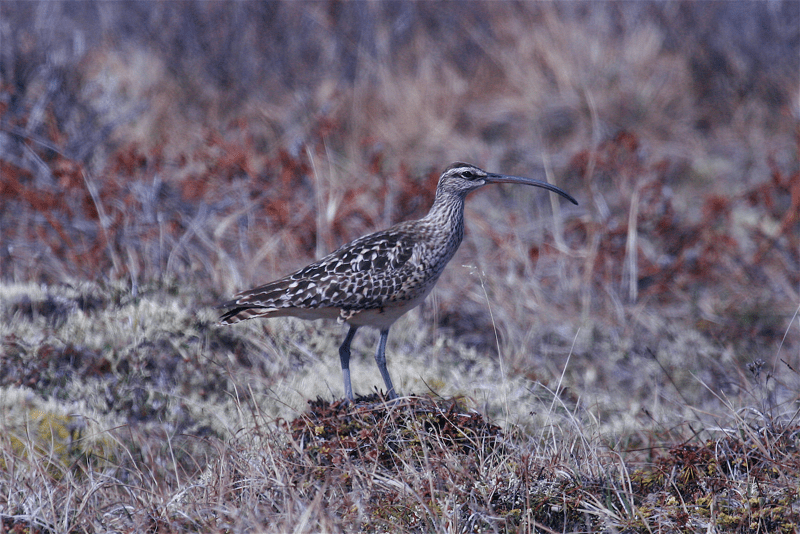
Bristle-thighed Curlew
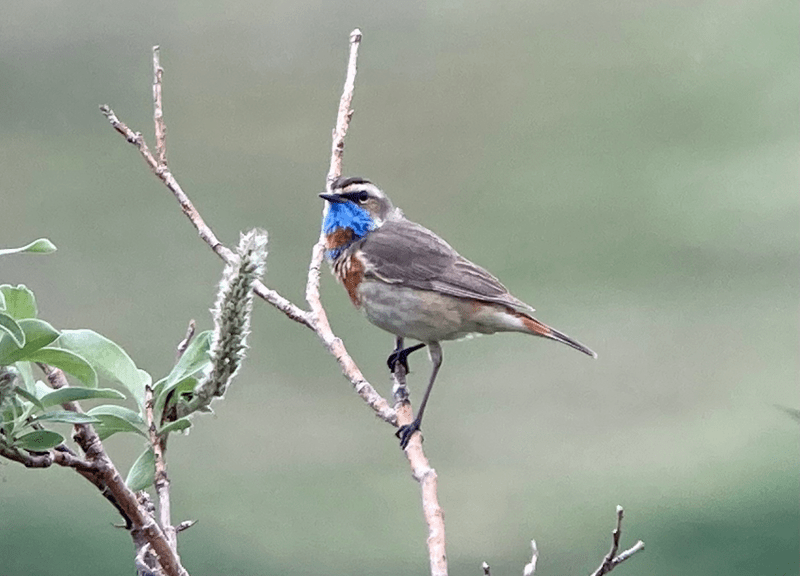
Bluethroat
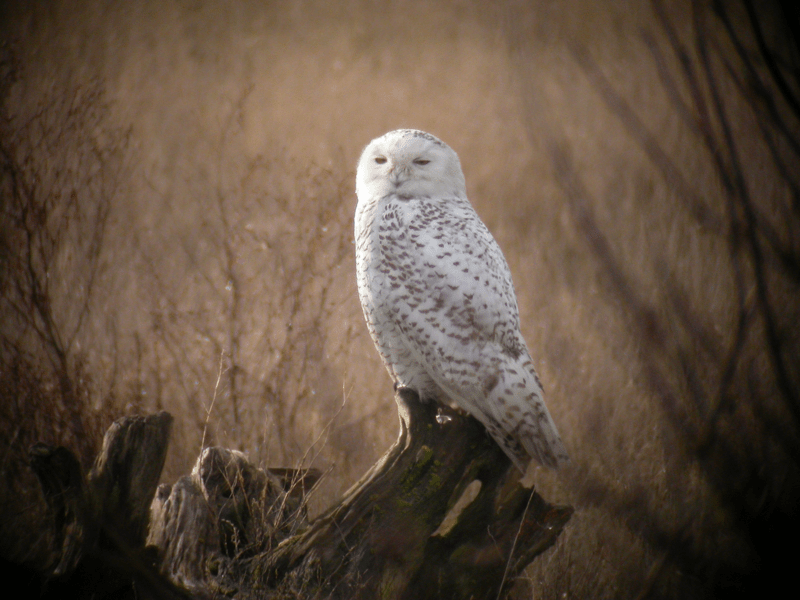
Snowy Owl
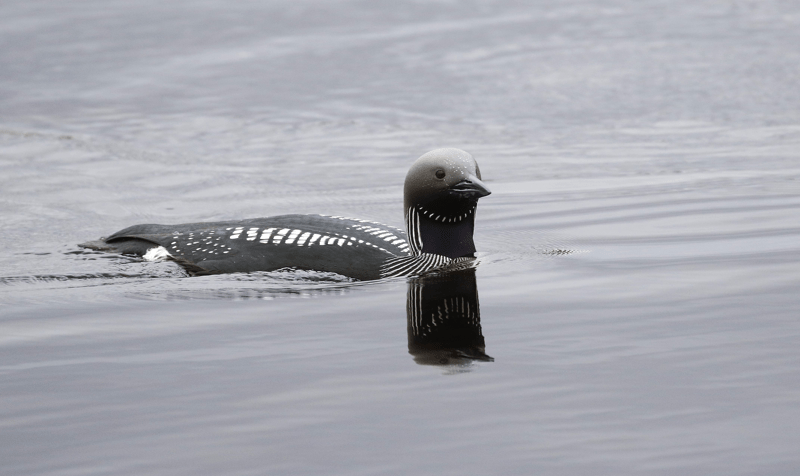
Arctic Loon
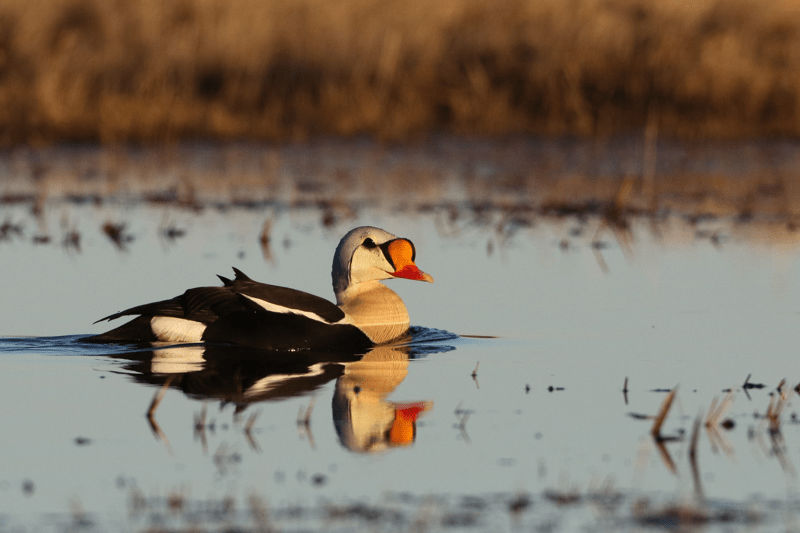
King Eider
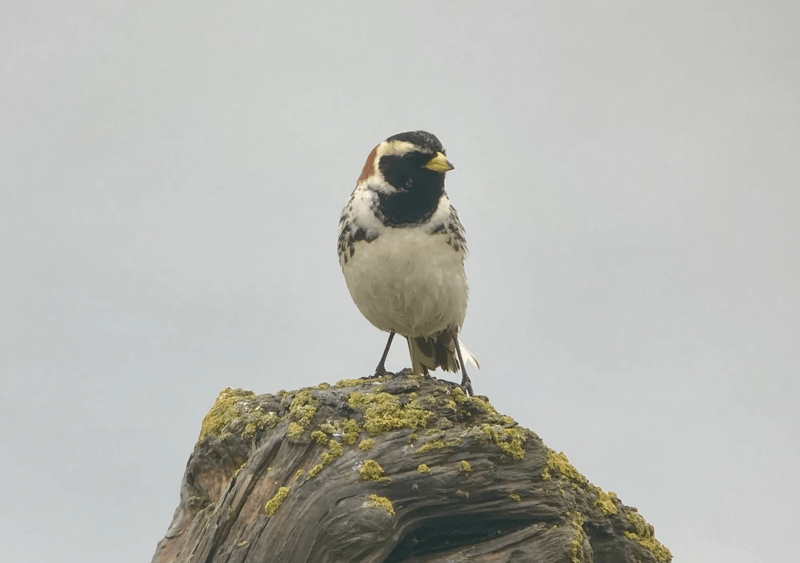
Lapland Longspur
Leaders
Brian Gibbons
Primary Leader
Birder and field researcher with decades of experience studying and guiding across the Americas, known for his passion, precision, and love of bird photography.
Read MoreRaymond L. VanBuskirk
Ornithologist and tour leader with global guiding experience, dedicated to conservation, mentorship, and fostering inclusion within the international birding community.
Read MoreItinerary
Click here to download the 2026 itinerary PDF
Day 1
Settle into the hotel, meet fellow travelers, and gather for a welcome dinner.
Optional short birding walk offers an early glimpse of Alaska’s boreal birds.
Day 2
Afternoon flight delivers us to the edge of the Arctic Ocean; check in and prepare for evening exploration.
Early birding on the tundra for phalaropes, eiders, and displaying shorebirds in the long evening light.
Day 3
Full days on tundra lakes and coastal flats, focusing on King, Steller’s, and Spectacled Eiders in peak breeding plumage.
Search for Snowy Owl, Pomarine Jaeger, and displaying shorebirds in the endless Arctic daylight.
Day 4
Full days on tundra lakes and coastal flats, focusing on King, Steller’s, and Spectacled Eiders in peak breeding plumage.
Search for Snowy Owl, Pomarine Jaeger, and displaying shorebirds in the endless Arctic daylight.
Day 5
Final birding around tundra ponds and coastal edges before our afternoon return flight.
Evening farewell dinner and checklist session in Anchorage.
Day 6
Flights home or seamless transition to Grand Alaska Part II for those continuing the full adventure.
What’s Included
Accommodations & Dining
Settle into comfortable accommodations with modern amenities. Enjoy freshly prepared meals that highlight local flavors and international favorites, with consideration for any dietary needs.
Guided Services & Gratuities
Experience each destination with the help of Leaders who share history, culture, and wildlife insights. Gratuities for crew and local guides are included, ensuring seamless service without extra concerns; tipping for your Leaders is discretionary and not included.
Active Essentials
Every tour includes the core elements that make our field experiences possible so you can stay engaged with a range of activities. All outings include the necessary equipment and full safety support, making it easy to join at your own pace.
Transportation & Logistics
We coordinate every transfer, from airport pickup to port boarding. Whether traveling by bus, boat, or charter, our team ensures smooth connections and stress-free travel.
FAQs
Similar Trips
Loading calendar...