

Difficulty
FOOTHILLS, CLOUD FOREST & ALTIPLANO
Grand Bolivia: Part II
From the Yungas foothills to the soaring Andes and the brilliant waters of Lake Titicaca, this journey explores Bolivia’s breathtaking highland habitats and an extraordinary variety of birds. In Cochabamba’s cloud forests and Polylepis woodlands, search for endemics like Cochabamba Mountain-Finch, Rufous-faced Antpitta, and Black-throated Thistletail. Higher still, scan the puna for condors, flamingos, and seedsnipe framed by snow-covered peaks. Around Lake Titicaca, encounter the flightless Titicaca Grebe and vast flocks of Andean Flamingos. With around 350 species possible, dramatic scenery, and comfortable lodges, this second half of our Grand Bolivia adventure showcases the wild beauty and avian riches of the high Andes.
Advance Booking Notice
This tour is currently open for reservations, though final pricing has not yet been published. Guests may secure a place on the departure by submitting the initial deposit. Full details are available in the FAQs.
Tour Overview
Sep 22–Oct 4, 2027
Sep 3–Sep 14, 2028
olivia’s high Andes are among the most spectacular and least-birded regions in South America. Rising from humid Yungas forest to windswept altiplano, this part of the country offers unforgettable scenery and a wealth of range-restricted species. On this second section of our Grand Bolivia journey, we explore the diverse mountain habitats that make Bolivia one of the continent’s last great birding frontiers.
Our adventure begins in Cochabamba, perfectly placed between the cloud forests of the Yungas and the dry puna above. From here, we bird the rich slopes of Tablas Monte for Hooded Mountain-Toucan, Blue-banded Toucanet, Rufous-faced Antpitta, and spectacular mountain tanagers. We then ascend to Cerro Tunari, a realm of snow-capped peaks and Polylepis woodland home to Giant Conebill, Wedge-tailed Hillstar, Red-tailed Comet, and the endemic Cochabamba Mountain-Finch.
Continuing to La Paz, we visit magnificent Lake Titicaca, the world’s highest navigable lake, where thousands of flamingos feed alongside Andean Geese, Giant Coots, and the unique Titicaca Grebe. The surrounding altiplano hosts Black-hooded Sunbeam, Berlepsch’s Canastero, and Andean Avocet among sweeping volcanic vistas.
Our finale unfolds in the Yungas near Coroico, where lush cloud forests and cascading waterfalls reveal some of the richest birdlife in South America—Versicolored Barbet, Chestnut-crested Cotinga, Bolivian Antpitta, Diademed Tapaculo, and dazzling tanager flocks. Each day offers spectacular photographic opportunities and a window into Bolivia’s timeless Andean landscapes.
With excellent accommodations, expert leadership, and moderate walking at a comfortable pace, this high-Andes journey provides a fitting conclusion—or remarkable stand-alone adventure—in one of South America’s most beautiful and bird-rich countries.
Ecosystems Experienced
This section of Bolivia spans the dramatic transition from humid Yungas forest through temperate montane slopes to the arid puna and vast altiplano. Polylepis groves cling to rocky ridges, cloud forests shimmer with bromeliads and orchids, and high lakes like Titicaca host flamingos, grebes, and coots. The varied terrain—ranging from 7,000 to 15,000 feet—supports endemics and near-endemics found nowhere else on Earth, all framed by the grandeur of snow-capped Andean peaks.
Expected Climate
Temperature
Cool and pleasant in the valleys (55–75 °F / 13–24 °C); chilly mornings and evenings at higher elevations, occasionally near freezing.
Rainfall
Mostly dry during September – October, with clear mornings and brief afternoon showers possible in the Yungas.
Seasons
The tour occurs in the Andean dry season—clear skies, excellent visibility, and peak bird activity across cloud forest and puna habitats.
Previous Field Reports
Key Species
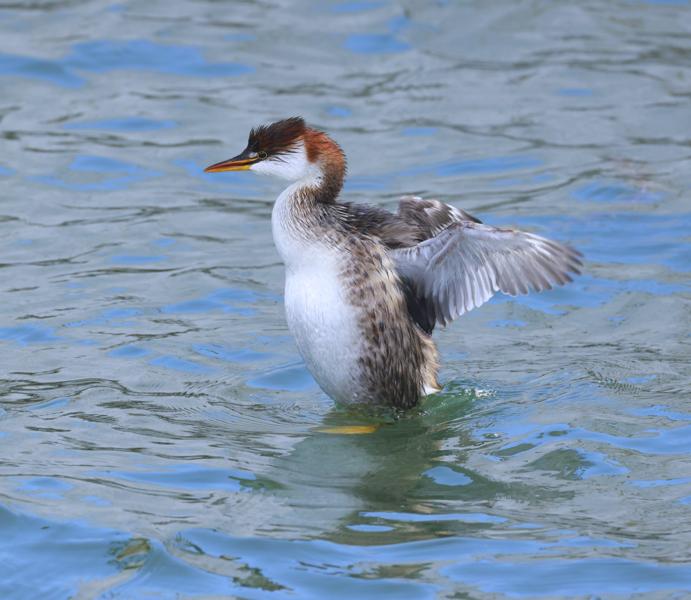
Titicaca Grebe
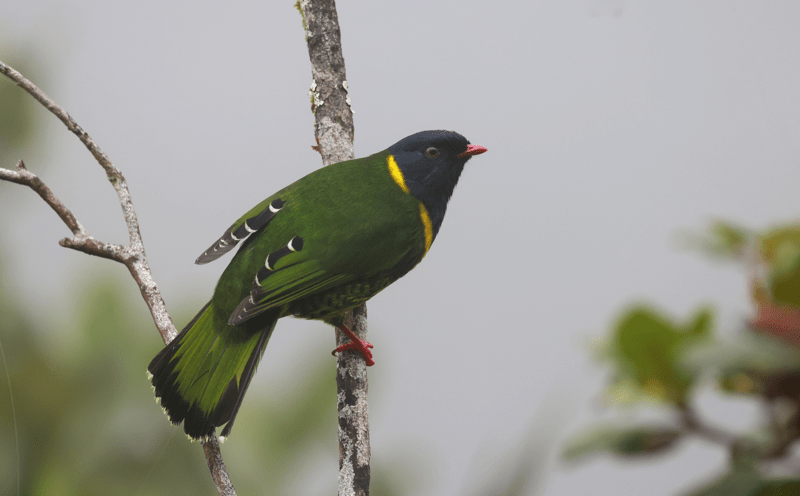
Band-tailed Fruiteater
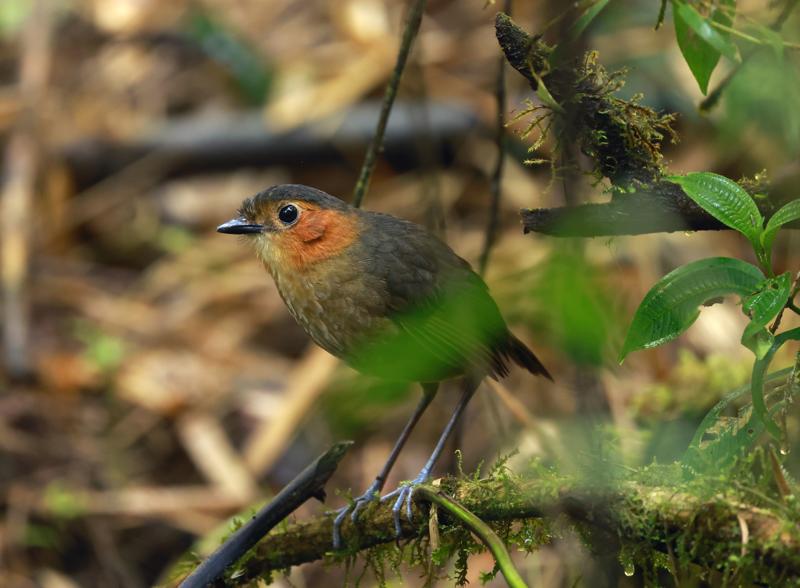
Rufous-faced Antpitta
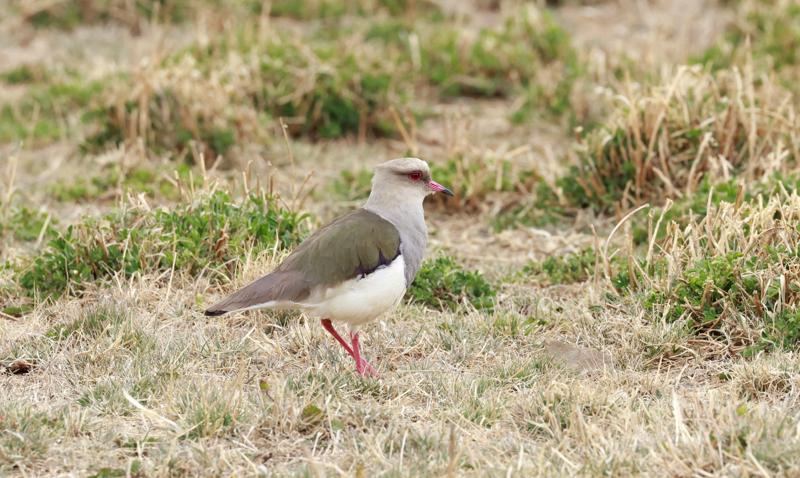
Andean Lapwing
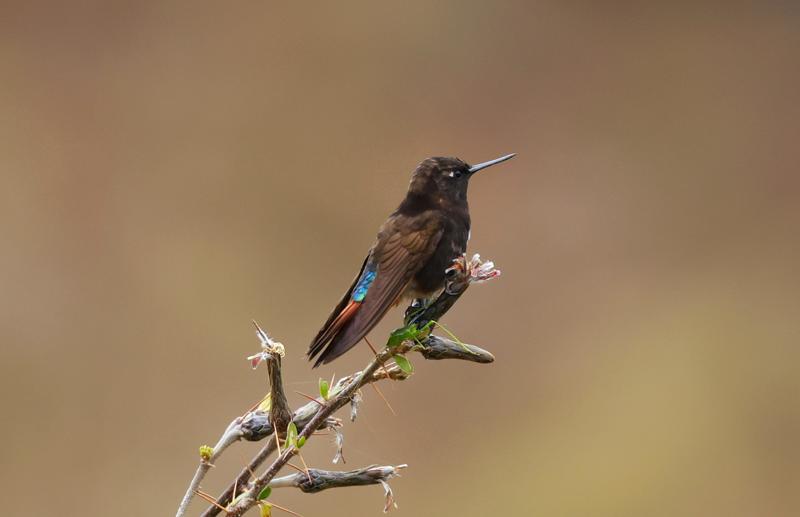
Black-hooded Sunbeam
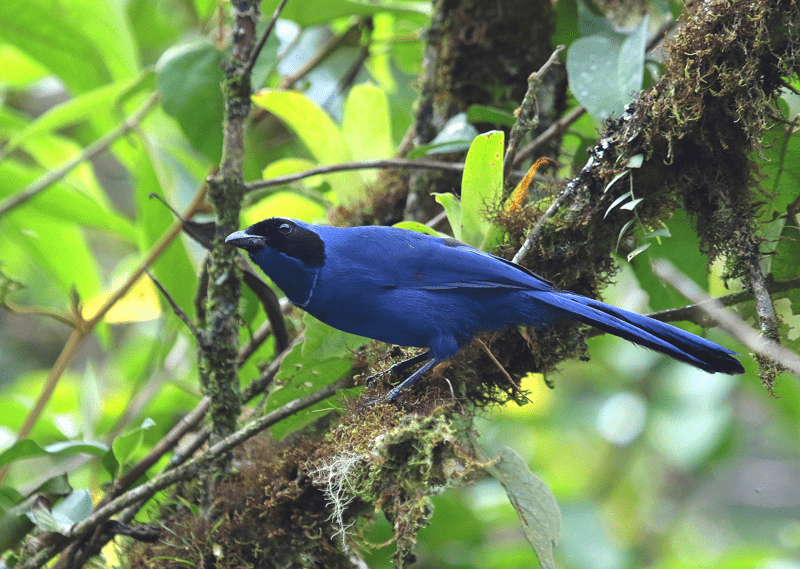
White-collared Jay
Leader
+ Local Leader
Andrew Whittaker
Primary Leader
Senior VENT leader and Amazonian bird expert with over 30 years of fieldwork, species discoveries, and a contagious passion for wildlife and conservation worldwide.
Read MoreItinerary
Click here to download the 2026 itinerary PDF
Day 1
Arrive in Santa Cruz or La Paz and take a short flight to Cochabamba.
Afternoon birding at Laguna Alalay for Silvery and White-tufted Grebes, Andean Avocet, and migrant shorebirds.
Overnight at Toloma Gran Hotel.
Day 2
Arrive in Santa Cruz or La Paz and take a short flight to Cochabamba.
Afternoon birding at Laguna Alalay for Silvery and White-tufted Grebes, Andean Avocet, and migrant shorebirds.
Overnight at Toloma Gran Hotel.
Day 3
Explore lush Yungas forest along the Villa Tunari road.
Watch for Hooded Mountain-Toucan, Rufous-faced and Bolivian Antpittas, and Black-throated Thistletail.
Hummingbirds include Sword-billed Hummingbird, Long-tailed Sylph, and Amethyst-throated Sunangel.
Look for Blue-banded Toucanet, Green-throated Tanager, and Yungas Manakin at lower elevations.
Day 4
Explore lush Yungas forest along the Villa Tunari road.
Watch for Hooded Mountain-Toucan, Rufous-faced and Bolivian Antpittas, and Black-throated Thistletail.
Hummingbirds include Sword-billed Hummingbird, Long-tailed Sylph, and Amethyst-throated Sunangel.
Look for Blue-banded Toucanet, Green-throated Tanager, and Yungas Manakin at lower elevations.
Day 5
Climb into Polylepis woodland for Cochabamba Mountain-Finch, Giant Conebill, and Wedge-tailed Hillstar.
Search puna grasslands for Andean Condor, Gray-breasted Seedsnipe, and White-tailed Shrike-Tyrant.
Return to Cochabamba for dinner and checklist review.
Day 6
Fly to La Paz and continue to the shores of Lake Titicaca.
Afternoon birding for Titicaca Grebe, Puna Teal, and Black-throated Flowerpiercer.
Visit the local Inca Utama Museum and enjoy views of the lake’s vast expanse.
Day 7
Drive past Illampu Mountain to Sorata in search of the dazzling Black-hooded Sunbeam.
Watch for Berlepsch’s Canastero, Andean Lapwing, Giant Coot, and flocks of flamingos.
Bird reedbeds for Many-colored Rush-Tyrant and Yellow-winged Blackbird.
Day 8
Cross the spectacular Cumbre Pass at 15,000 feet, descending through puna grasslands and steep canyons.
Seek Rufous-bellied and Gray-breasted Seedsnipe, Andean Hillstar, and Stripe-headed Antpitta.
Afternoon arrival in Coroico; evening birding for Versicolored Barbet and Southern Emerald Toucanet.
Day 9
Three full days exploring one of South America’s most bird-rich routes—the old Yungas Road.
Search for Diademed Tapaculo, Bolivian Antpitta, and Scimitar-winged Piha.
Look for Great Sapphirewing, Violet-throated Starfrontlet, and mixed tanager flocks of Golden-collared, Hooded, and Scarlet-bellied Mountain Tanagers.
Optional side trip to upland grasslands for Green-capped Tanager and Sharp-tailed Tyrant.
Day 10
Three full days exploring one of South America’s most bird-rich routes—the old Yungas Road.
Search for Diademed Tapaculo, Bolivian Antpitta, and Scimitar-winged Piha.
Look for Great Sapphirewing, Violet-throated Starfrontlet, and mixed tanager flocks of Golden-collared, Hooded, and Scarlet-bellied Mountain Tanagers.
Optional side trip to upland grasslands for Green-capped Tanager and Sharp-tailed Tyrant.
Day 11
Three full days exploring one of South America’s most bird-rich routes—the old Yungas Road.
Search for Diademed Tapaculo, Bolivian Antpitta, and Scimitar-winged Piha.
Look for Great Sapphirewing, Violet-throated Starfrontlet, and mixed tanager flocks of Golden-collared, Hooded, and Scarlet-bellied Mountain Tanagers.
Optional side trip to upland grasslands for Green-capped Tanager and Sharp-tailed Tyrant.
Day 12
Bird the ascent to La Paz via old Yungas Road, targeting species missed earlier.
Possible sightings include Undulated and Stripe-headed Antpittas, Andean Ibis, and Puna Tapaculo.
Arrive in La Paz by evening for farewell dinner.
Day 13
Morning transfers to El Alto International Airport for international flights home.
What’s Included
Accommodations & Dining
Settle into comfortable accommodations with modern amenities. Enjoy freshly prepared meals that highlight local flavors and international favorites, with consideration for any dietary needs.
Guided Services & Gratuities
Experience each destination with the help of Leaders who share history, culture, and wildlife insights. Gratuities for crew and local guides are included, ensuring seamless service without extra concerns; tipping for your Leaders is discretionary and not included.
Active Essentials
Every tour includes the core elements that make our field experiences possible so you can stay engaged with a range of activities. All outings include the necessary equipment and full safety support, making it easy to join at your own pace.
Transportation & Logistics
We coordinate every transfer, from airport pickup to port boarding. Whether traveling by bus, boat, or charter, our team ensures smooth connections and stress-free travel.
FAQs
Similar Trips
Loading calendar...