

Difficulty
WARBLERS, SHORES & FALLYOUTS
High Island Migration
The upper Texas coast is home to one of the most extraordinary spring migration spectacles in North America. Each April, millions of birds arriving from the American Tropics cross the Gulf of Mexico and descend into coastal groves, marshes, and wetlands—sometimes in breathtaking numbers when weather triggers a migration “fallout.” This tour centers on High Island, Bolivar Flats, Anahuac National Wildlife Refuge, and inland pine forests, where warblers, shorebirds, rails, and Southeast specialties converge. With flexible daily planning guided by weather, expert leaders, and an ever-changing cast of migrants, every day brings abundant discovery along this vibrant stretch of the Gulf Coast.
Tour Overview
Each spring, the upper Texas coast becomes one of the most exciting birding regions in the Americas. Millions of songbirds departing Central America after sunset cross the Gulf of Mexico on their northbound journey, riding typical south winds toward the United States. When these migrants encounter rain or shifting winds, they are forced to land as soon as they reach the coast—often in spectacular numbers. These fallouts, while unpredictable, create thrilling birding moments as warblers, vireos, orioles, tanagers, and thrushes fill the oak groves of High Island and other coastal woodlots.
This tour is designed around that phenomenon. Our base near High Island allows immediate access to its famed sanctuaries, where even on calm-weather days, the concentration of migrants is remarkable. When conditions favor continued flight inland, we turn to expansive rice fields for migrating shorebirds, to coastal shorelines such as Bolivar Flats for plovers, sandpipers, terns, and waders, and to nearby marshes for species such as Least Bittern, King Rail, Purple Gallinule, and Fulvous Whistling Duck. Anahuac National Wildlife Refuge remains a perennial highlight, offering close encounters with secretive marsh birds and a wealth of wetland species.
On one day, we make a special inland excursion into the East Texas Piney Woods and bayou country. There, mature longleaf pine stands provide habitat for Red cockaded Woodpecker, Brown headed Nuthatch, Red headed Woodpecker, and nesting Prairie and Swainson’s Warblers. This temperate woodland experience creates a dramatic contrast to the coastal prairies and tidal flats of the coast.
With comfortable accommodations, expert guidance, and bird filled habitats ranging from beaches to pine forests, this tour offers a vivid and inspiring introduction to spring migration on the Gulf Coast.
Ecosystems Experienced
The upper Texas coast blends coastal prairies, oak groves, salt marshes, and expansive wetlands with tidal flats at Bolivar and Rollover Pass that host abundant shorebirds. Anahuac National Wildlife Refuge offers wide marshes for rails, bitterns, ibis, and ducks. Inland, the East Texas Piney Woods provide mature longleaf pine habitat for woodpeckers and specialized breeders. Together, these ecosystems create one of North America’s most dynamic spring migration landscapes.
Expected Climate
Temperature
April typically brings mild to warm spring weather, with daytime highs in the 70s–80s °F and morning lows in the 60s °F. Occasional “northers” can drop temperatures into the 50s, especially with rain or passing fronts.
Rainfall
Periodic spring fronts may produce brief showers or thunderstorms—conditions that often trigger dramatic bird fallouts along the coast. Most days offer comfortable birding, though humidity can rise ahead of storms.
Seasons
This is peak migration season on the Gulf Coast. Strong south winds encourage birds to continue inland, while cold fronts can cause thousands of migrants to land suddenly, creating exceptional concentrations at coastal hotspots.
Key Species
Scarlet Tanager
American Avocet
Roseate Spoonbill
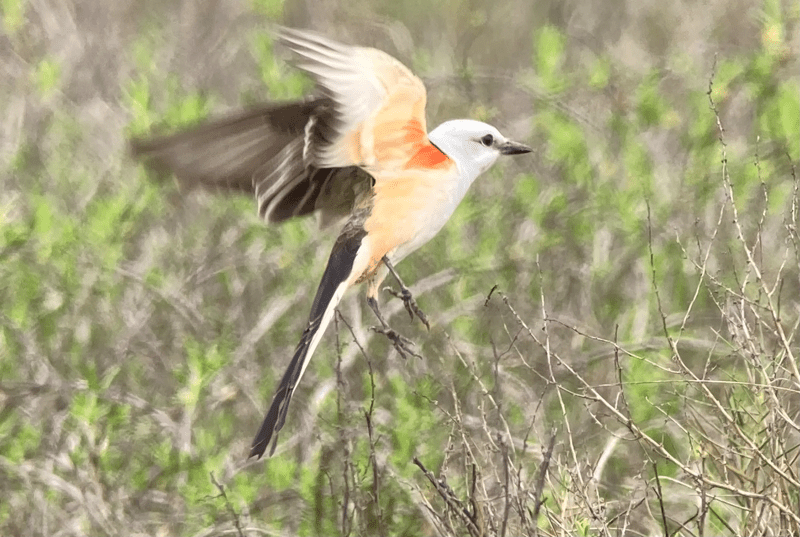
Scissor-tailed Flycatcher
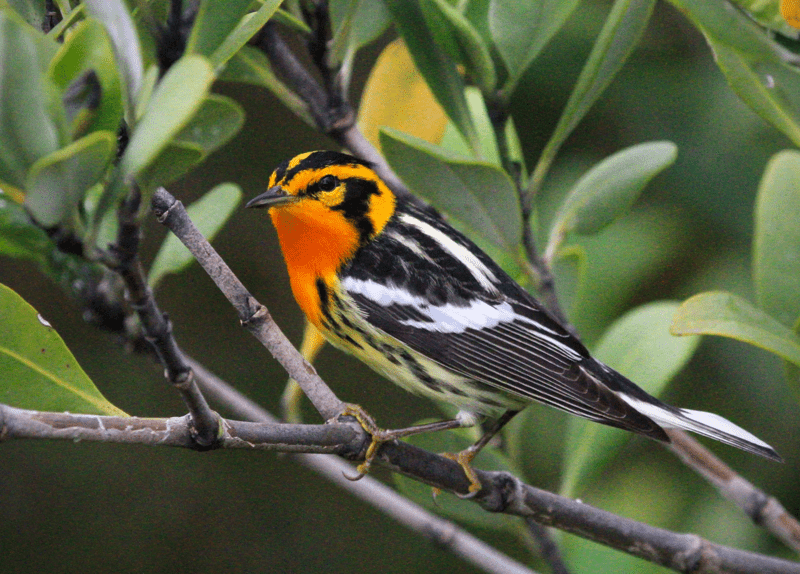
Blackburnian Warbler
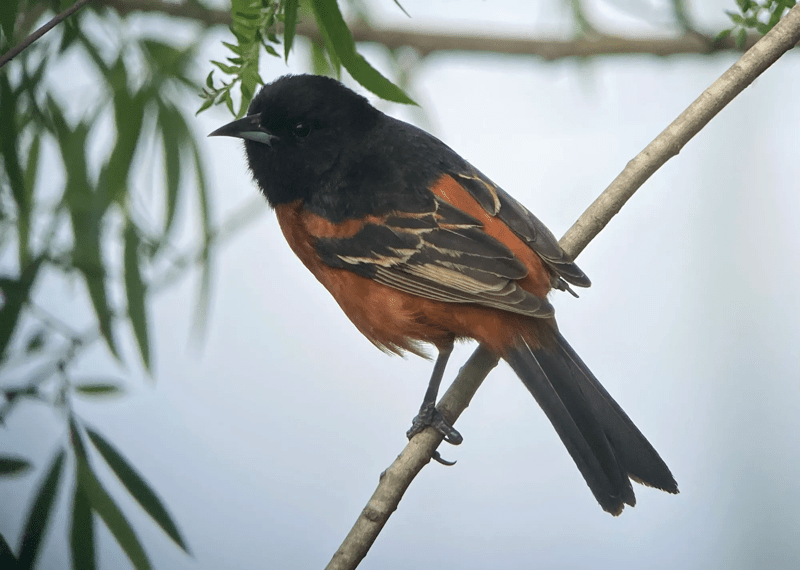
Orchard Oriole
Leader
+ Additional VENT Leader
Erik Bruhnke
Primary Leader
Naturalist, guide, and raptor specialist known for his field research, migration counts, award-winning photography, and infectious enthusiasm for sharing the joy of birding.
Read MoreItinerary
Itinerary Details Coming Soon
What’s Included
Accomodations & Dining
Settle into comfortable accommodations with modern amenities. Enjoy freshly prepared meals that highlight local flavors and international favorites, with consideration for any dietary needs.
Guided Services & Gratuities
Experience each destination with the help of Leaders who share history, culture, and wildlife insights. Gratuities for crew and local guides are included, ensuring seamless service without extra concerns; tipping for your Leaders is discretionary and not included.
Active Essentials
Every tour includes the core elements that make our field experiences possible so you can stay engaged with a range of activities. All outings include the necessary equipment and full safety support, making it easy to join at your own pace.
Transportation & Logistics
We coordinate every transfer, from airport pickup to port boarding. Whether traveling by bus, boat, or charter, our team ensures smooth connections and stress-free travel.
FAQs
Similar Trips
Loading calendar...