


Difficulty
RHINOS, ELEPHANTS & FLOODPLAIN FORESTS
India: Kaziranga National Park Extension
This post-tour extension to Kaziranga National Park offers an exceptional blend of Asian megafauna, rich birdlife, and remarkable photographic opportunities. Situated in Assam’s Brahmaputra River floodplain, Kaziranga is famed for its large population of Greater One horned Rhinoceroses, along with Asian Elephants, Wild Water Buffalo, Swamp Deer, and a superb list of smaller mammals. Jeep and elephant back excursions reveal tall grasslands, wetlands, and forested edges alive with birds such as Swamp Francolin, Black necked Stork, Greater Adjutant, Great Hornbill, Bar headed Goose, and Red headed Trogon. With luxurious lodging and excellent visibility during the dry season, this is one of Asia’s premier wildlife experiences.
Tour Overview
Kaziranga National Park is one of Asia’s most celebrated wildlife sanctuaries, a landscape where vast floodplain grasslands and forested wetlands support a remarkable density of large mammals and birds. This optional extension offers a vivid conclusion to the Ganges River and Himalayas tour, showcasing the rich biodiversity of Assam’s Brahmaputra basin while providing outstanding photographic and wildlife viewing opportunities.
In December’s dry season, water levels recede, concentrating wildlife around beels (oxbow lakes), marshes, and river channels. This makes Kaziranga one of the best places in the world to observe Greater One horned Rhinoceroses at close range. Asian Elephants, Swamp Deer, Wild Water Buffalo, and Gaur are frequently encountered, while early morning outings may reveal Hoolock Gibbons, Jungle Cats, Hog Badgers, and—with some luck—even the Bengal Tiger. The park’s mosaic of tall elephant grass, savanna woodlands, and riverine forest creates ideal conditions for viewing wildlife by jeep and elephant back.
Birdlife is equally impressive. Hundreds of resident and wintering species occur here, many tied to the shifting wetlands and grassland edges of the Brahmaputra floodplain. We watch for Bar headed Goose, Falcated Duck, Spot billed Pelican, Black necked Stork, Greater Adjutant, and Cinnamon Bittern, along with soaring Himalayan Griffons, Brahminy Kites, Oriental Honey buzzards, and Pallas’s and Gray headed fish eagles. In forested areas, Great Hornbill, Red headed Trogon, parakeets, kingfishers, and woodpeckers join the diversity, while grasslands may yield Bengal Florican and Swamp Francolin.
With luxurious accommodations, refined cuisine, and mild, rain free weather, Kaziranga provides a serene yet thrilling wildlife finale—offering a glimpse of the wild Asia that once flourished across the subcontinent.
Ecosystems Experienced
Kaziranga’s Brahmaputra floodplain hosts tall elephant-grass marshlands, riverine oxbow lakes, tropical moist forest, and savanna wood-grassland. Dry season conditions concentrate rhinos, elephants, buffalo, deer, and diverse birds around waterholes. Grasslands support bustards, francolins, and raptors, while forest edges shelter hornbills, kingfishers, and woodpeckers—creating one of Asia’s richest wildlife mosaics.
Expected Climate
Temperature
Days are comfortably warm at 70–75 °F, while nights cool to 50–55 °F. Early mornings can feel crisp during jeep or elephant safaris.
Rainfall
December is extremely dry, with less than an inch of rainfall. Clear skies and excellent visibility dominate the season.
Seasons
This extension falls in the heart of the winter safari window—mild, dry, and ideal for observing wildlife across open grasslands, wetlands, and forest margins.
Key Species
Great Hornbill
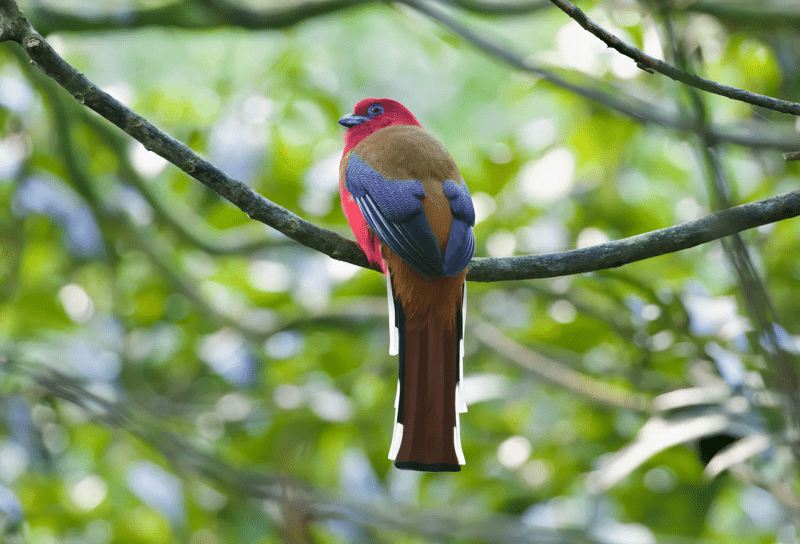
Red-headed Trogon
Greater Adjutant
Asian Fairy-bluebird
Asian Openbill
Red-breasted Parakeet
Leader
+ Local Leader
Scott Baker
Primary Leader
Australian naturalist and tour leader with 30+ years of experience studying birds and wildlife across Australia and Southeast Asia.
Read MoreItinerary
What’s Included
Accommodations & Dining
Settle into comfortable accommodations with modern amenities. Enjoy freshly prepared meals that highlight local flavors and international favorites, with consideration for any dietary needs.
Guided Services & Gratuities
Experience each destination with the help of Leaders who share history, culture, and wildlife insights. Gratuities for crew and local guides are included, ensuring seamless service without extra concerns; tipping for your Leaders is discretionary and not included.
Active Essentials
Every tour includes the core elements that make our field experiences possible so you can stay engaged with a range of activities. All outings include the necessary equipment and full safety support, making it easy to join at your own pace.
Transportation & Logistics
We coordinate every transfer, from airport pickup to port boarding. Whether traveling by bus, boat, or charter, our team ensures smooth connections and stress-free travel.
FAQs
These trip extensions are thoughtfully crafted to enhance the primary tour and are usually arranged as part of the full itinerary. If you would like to explore booking this extension on its own, we invite you to call our office so we can review availability and discuss the best approach for your plans.
Dec 18–Dec 24, 2026
Open