Difficulty
HUMMINGBIRDS, HIGHLANDS, AND VOLCANIC VALLEYS
Panama: Fall at El Valle's Canopy Lodge
Nestled in the lush crater of an extinct volcano, the Canopy Lodge at El Valle de Antón offers a serene retreat amid cool highland forests alive with color and song. From its peaceful gardens to nearby ridges and foothill trails, this exceptional lodge provides access to Panama’s most enchanting mid-elevation birding. Highlights include the endemic Veraguan Mango, dazzling Snowcap, and elusive Rufous-vented Ground-Cuckoo. With spectacular scenery, comfortable accommodations, and superb hospitality, this relaxed tour reveals the essence of tropical birding—where hummingbirds glitter, tanagers gleam, and every dawn chorus welcomes a new day in paradise.
Starting At
$4,395 per person
8 Days

8 Days
10 Guests

Pace
Tour Overview
Oct 24–Oct 31, 2026
Oct 16–Oct 23, 2027
Oct 21–Oct 28, 2028
A limited number of larger double rooms are available - if available the upgrade will be offered on the first page of the booking process. Please call for availability of larger single rooms.
Straddling the Continental Divide, the foothills of Panama harbor an extraordinary variety of birds where Central and South America meet. Fall at El Valle’s Canopy Lodge showcases this diversity in one of the country’s most beautiful settings.
Nestled within the crater of an extinct volcano, the Canopy Lodge is the sister property to the world-famous Canopy Tower. Its forested ridges, gardens, and clear streams attract an abundance of wildlife, offering guests a blend of comfort and immersion in nature. Feeders visible from the dining terrace host dazzling species such as Crimson-backed, Flame-rumped, and Dusky-faced tanagers, while nearby trails may reveal Rufous Motmot, Collared Aracari, or the striking Chestnut-headed Oropendola.
Explorations to surrounding habitats—from the misty forests of La Mesa and Altos del María to the dry lowlands near the Pacific coast—add to the remarkable variety. Among the treasures are the endemic Veraguan Mango, spectacular Snowcap, and tiny Rufous-crested Coquette, as well as forest dwellers like Tody Motmot, Black-crowned Antpitta, and Dull-mantled Antbird. Raptors, hummingbirds, and tanagers abound, complemented by the occasional surprise of a roosting Spectacled Owl or a foraging troop of Geoffroy’s Tamarins.
Throughout, participants enjoy easy to moderate walking, delicious Panamanian cuisine, and the lodge’s inviting atmosphere. Cool mountain air, the sound of rushing water, and the constant activity of birds at arm’s length create an unforgettable experience—one that perfectly captures the beauty and biodiversity of tropical Panama.
Ecosystems Experienced
El Valle de Antón lies within the forested crater of an ancient volcano in Panama’s central highlands. Here, lush montane forest, tropical gardens, and shaded streams blend with nearby dry forest and open farmland. These intersecting habitats harbor an exceptional mix of lowland and foothill species, from hummingbirds and tanagers to trogons and manakins.
Expected Climate
Temperature
Days in El Valle are generally mild and pleasant, averaging 75–82 °F (24–28 °C). Mornings and evenings are cooler, often dipping into the low 60s °F (16–18 °C) in the highlands. The cool mountain air and steady breezes make for comfortable birding throughout the day.
Rainfall
October falls within Panama’s green season, when light afternoon showers and occasional mist sweep through the highlands. Rain is usually brief and refreshing, keeping the landscape lush and bird activity high. Conditions in the nearby Pacific lowlands are typically drier and warmer.
Seasons
This tour takes place during the wet-to-dry seasonal transition, when forests are vibrant, flowers are in bloom, and feeders are most active. Bird diversity peaks at this time of year, offering some of the most rewarding birding of the season in Panama’s central highlands.
Previous Field Reports
Key Species
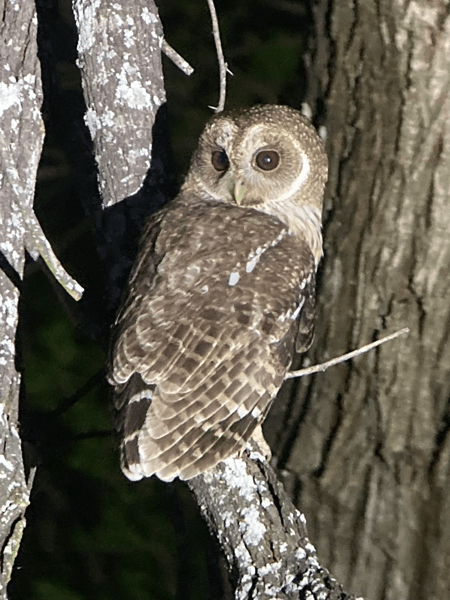
Mottled Owl
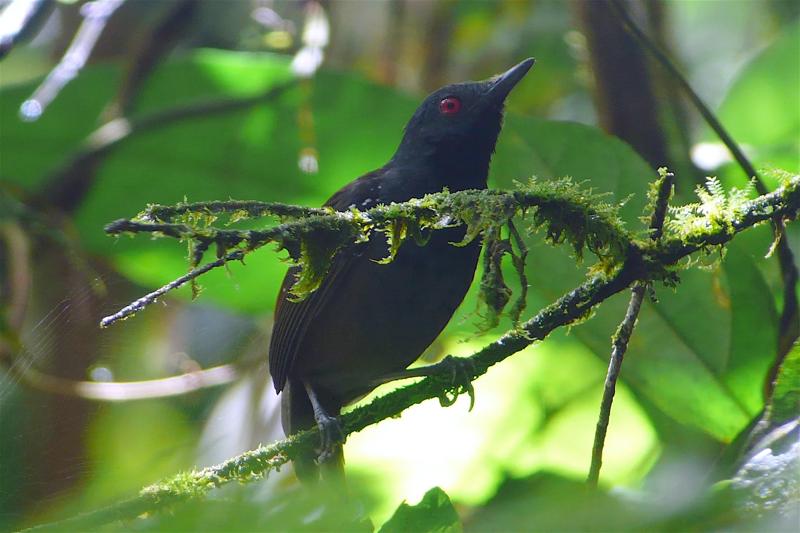
Dull-mantled Antbird
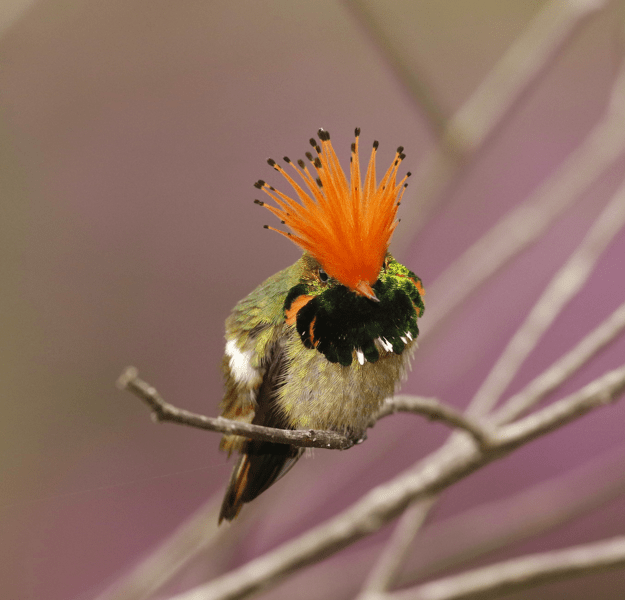
Rufous-crested Coquette
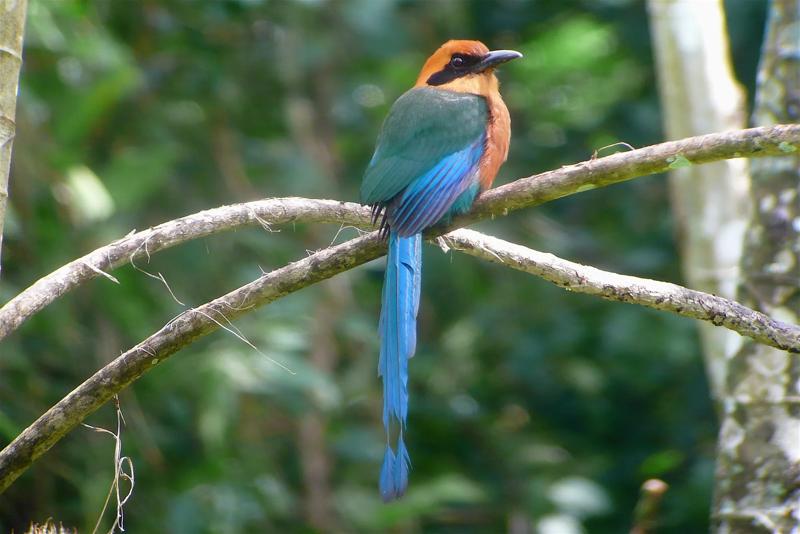
Rufous Motmot
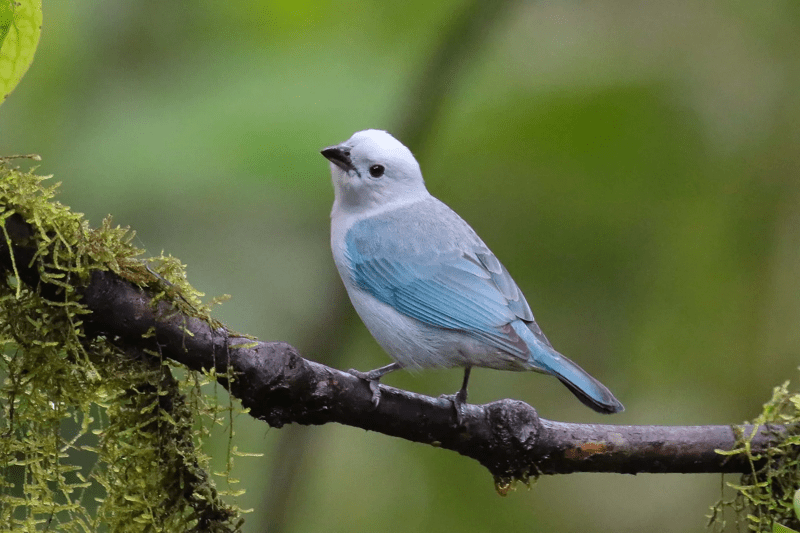
Blue-gray Tanager
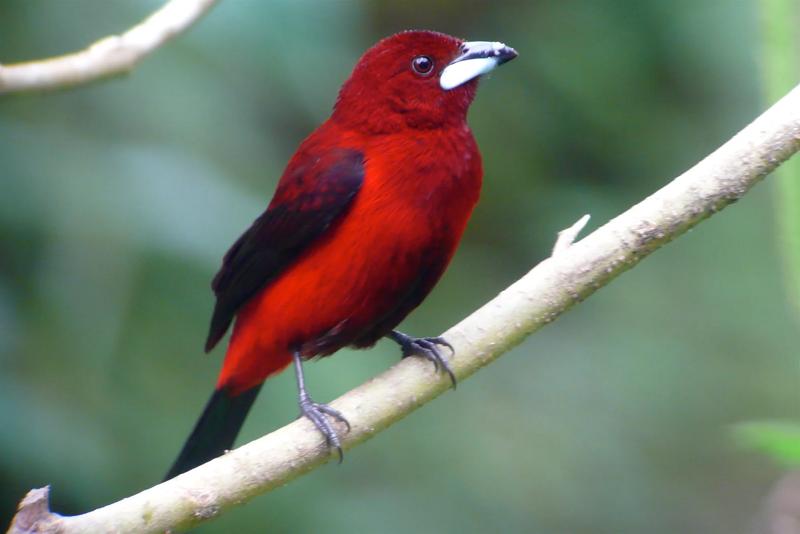
Crimson-backed Tanager
Leader
+ Local Leader
Kevin Burke
Primary Leader
Virginia-born birder and ecotourism guide with 20 years of experience leading tours across the Americas, inspiring connection with nature through exploration and discovery.
Read MoreItinerary
Click here to download the 2026 itinerary PDF
Day 1
Arrive at Tocumen International Airport (PTY) and transfer to the Radisson Hotel Panama Canal.
Optional late-day birding around the hotel for Yellow-headed Caracara, Crimson-backed Tanager, and Saffron Finch.
Evening welcome dinner and orientation.
Day 2
Early birding around the hotel grounds before departing Panama City.
Cross the Bridge of the Americas and ascend to the forested crater of El Valle de Antón.
Afternoon birding on the Canopy Lodge grounds, where feeders host tanagers, honeycreepers, and motmots.
Evening checklist and dinner overlooking the forest.
Day 3
Morning excursion to La Mesa on the Continental Divide for hummingbirds and colorful tanagers.
Search for White-tipped Sicklebill, Rufous-crested Coquette, and Tawny-crested Tanager.
Afternoon at the Cara Iguana Trail for forest and edge species such as Tody Motmot, Lance-tailed Manakin, and Spectacled Owl.
Day 4
Two full days exploring cloud forest habitats at higher elevation.
Target species include Orange-bellied Trogon, Dull-mantled Antbird, Ochraceous Wren, and the striking Snowcap.
Watch for raptors such as White Hawk, Barred Hawk, and Black Hawk-Eagle above the ridges.
Day 5
Two full days exploring cloud forest habitats at higher elevation.
Target species include Orange-bellied Trogon, Dull-mantled Antbird, Ochraceous Wren, and the striking Snowcap.
Watch for raptors such as White Hawk, Barred Hawk, and Black Hawk-Eagle above the ridges.
Day 6
Descend to the coastal plains for open-country and grassland species.
Search for Veraguan Mango (endemic), Savanna Hawk, Sapphire-throated Hummingbird, and Aplomado Falcon.
Visit nearby beaches for coastal birds such as Magnificent Frigatebird and Brown Pelican.
Day 7
Flexible morning for final birding at La Mesa or the Canopy Adventure reserve.
Possible sightings include Sunbittern, Mottled Owl, and White Hawk.
Enjoy lunch at the lodge before returning to Panama City in the afternoon.
Day 8
Use the hotel’s complimentary shuttle for transfers to Tocumen International Airport.
Morning or afternoon departures.
What’s Included
Accommodations & Dining
Settle into comfortable accommodations with modern amenities. Enjoy freshly prepared meals that highlight local flavors and international favorites, with consideration for any dietary needs.
Guided Services & Gratuities
Experience each destination with the help of Leaders who share history, culture, and wildlife insights. Gratuities for crew and local guides are included, ensuring seamless service without extra concerns; tipping for your Leaders is discretionary and not included.
Active Essentials
Every tour includes the core elements that make our field experiences possible so you can stay engaged with a range of activities. All outings include the necessary equipment and full safety support, making it easy to join at your own pace.
Transportation & Logistics
We coordinate every transfer, from airport pickup to port boarding. Whether traveling by bus, boat, or charter, our team ensures smooth connections and stress-free travel.
FAQs
Similar Trips
Limited Space Available
Online booking is now closed for this departure, but space may still be available. Please call our office at 512-328-5221 so we may assist you directly.
Departure Dates No Longer Available Online
- Oct 24–Oct 31, 2026
Loading calendar...