

Difficulty
MOUNTAIN OASIS ON THE GREAT PLAINS
South Dakota: Black Hills and Badlands
This new tour explores the stunning Black Hills of South Dakota—an island of mountains rising abruptly from the Great Plains and hosting an exceptional mix of eastern, western, northern, and southern birds. Pine-clad ridges, granite summits, and lush canyons support everything from Pinyon and Canada jays to American Three-toed, Lewis’s, and Red-headed woodpeckers. Nearby prairies hold Burrowing and Short-eared owls, Prairie Falcons, and Ferruginous Hawks, while Badlands National Park adds spectacular scenery, fossils, and open-country specialists. With bison herds, prairie dogs, pronghorn, and brilliant June wildflowers, this relaxed tour blends birds, landscapes, and natural history in one of North America’s most unique regions.
Tour Overview
May 30–Jun 10, 2027
Rising steeply from the Great Plains, the Black Hills—Pahá Sápa to the Lakota—form a remarkable island of montane habitat where the ranges of eastern, western, northern, and southern birds overlap in surprising ways. Their pine-scented slopes, red shale canyons, granite peaks, and meadow-filled valleys harbor a diversity rarely matched elsewhere in the interior West. Here, Blue Jays from the east mingle with Canada Jays from the Rockies and Pinyon Jays from the Southwest. Within only a few miles, American Three-toed, Red-headed, and Lewis’s woodpeckers all find suitable nesting habitat, while canyon streams shelter American Dippers, Gray Catbirds, and both Orchard and Bullock’s orioles.
The surrounding prairies add an entirely different dimension. Vast mixed-grass expanses support Burrowing and Short-eared owls, Prairie Falcons, Ferruginous Hawks, Swainson’s Hawks, and a rich mix of sparrows and longspurs. Raptors scan from buttes and fencelines, while grassland mammals—from Pronghorn to Black-tailed Prairie Dogs—animate the wide-open spaces.
A highlight of the tour is our visit to Badlands National Park, a spectacular wilderness of jagged buttes, colorful spires, and eroded canyons. This is the realm of Rock Wrens, Say’s Phoebes, and open-country specialists, set against a paleontological landscape famous for its Miocene fossil beds. The chance to watch scientists at work only enriches the experience.
Throughout the region, mammals are a constant delight. Custer State Park’s thriving herds of American Bison, Mule Deer, and Pronghorn make every drive memorable, and June brings hillsides alive with blooming harebells, prairie roses, and sego lilies. With good accommodations, excellent food, and gentle walks, this tour blends superb birding, iconic wildlife, and sublime scenery in one of North America’s most compelling natural crossroads.
Ecosystems Experienced
The tour spans a uniquely diverse ecological crossroads in western South Dakota. In the Black Hills, ponderosa pine and spruce forests drape granite ridges and canyon walls, while open meadows and riparian corridors host species such as Pygmy Nuthatch, Mountain Chickadee, and Wood Thrush. Adjacent mixed-grass prairies support Burrowing Owls, Prairie Falcons, and Chestnut-collared Longspurs, alongside large mammals like bison, pronghorn, and elk. Badlands National Park adds dramatic eroded buttes, coulees, and wide-open grasslands where Rock Wrens, Say’s Phoebes, and prairie specialists thrive. Small wetlands and prairie potholes punctuate the landscape, drawing waterfowl and shorebirds. This blend of forest, prairie, and rugged badlands creates one of the most biologically rich birding regions on the northern plains.
Expected Climate
Temperature
Early June brings comfortably warm days and cool nights. Daytime highs usually reach the 70s–80s °F, with nighttime lows commonly falling into the 40s–50s °F across both the Black Hills and Badlands.
Rainfall
June marks the early summer wet period, with rainfall averaging around 2.5 inches for the month. Conditions are generally dry, though afternoon thunderstorms are possible, especially in the hills.
Seasons
This is late spring transitioning into early summer, when vegetation is lush, migratory birds remain active, and wildflower displays are at their peak. Weather is generally favorable for travel, with increasing day length and a chance of variable conditions as the season shifts.
Key Species
American Dipper
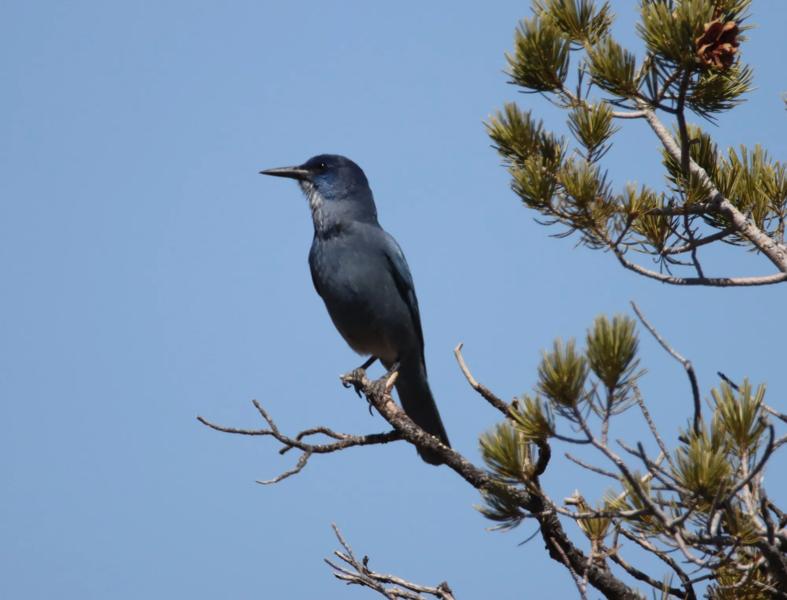
Pinion Jay
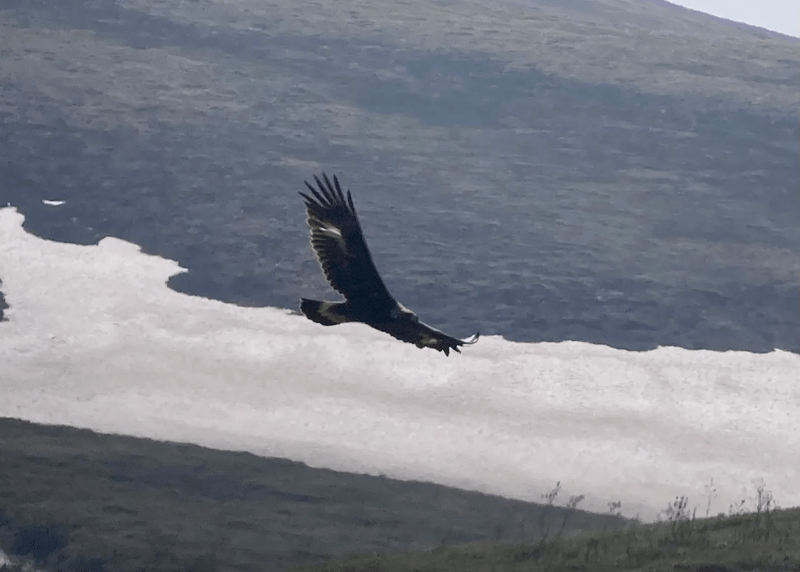
Golden Eagle
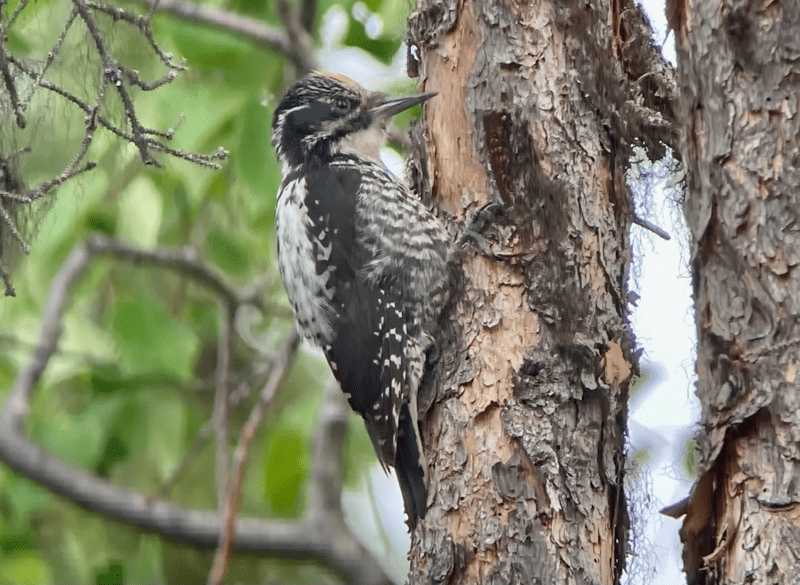
American Three-toed Woodpecker
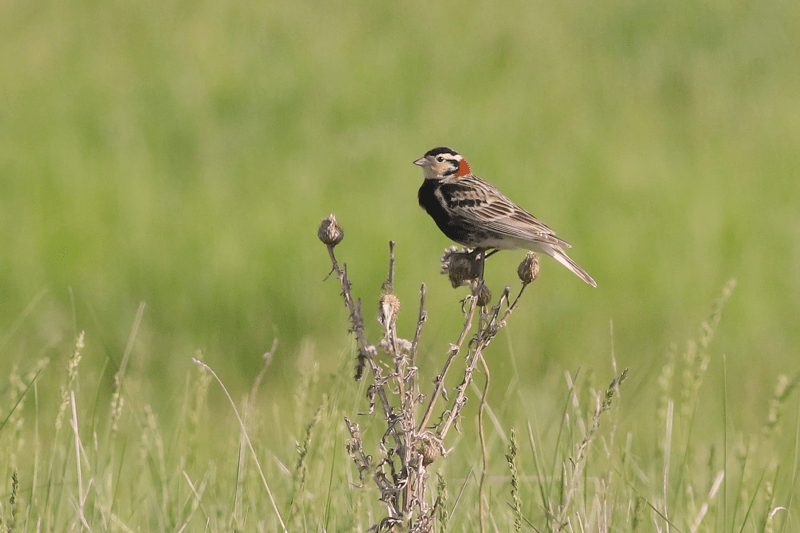
Chestnut-collared Longspur
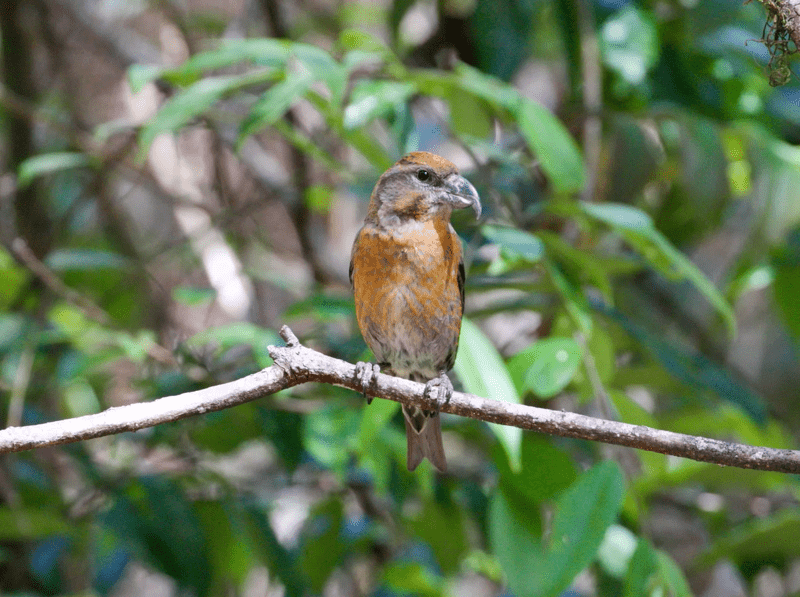
Red Crossbill
Leader
+ Additional VENT Leader
Rick Wright
Primary Leader
Author and scholar who bridges history and field experience, inspiring birders through his books, lectures, and thoughtful approach to birds and their stories.
Read MoreItinerary
Click here to download the 2027 itinerary PDF
Day 1
Arrive at Rapid City Regional Airport and transfer to the Holiday Inn Rapid City Downtown by hotel shuttle or taxi.
Gather in the hotel lobby at 5:30 p.m. to meet your fellow travelers and leaders before enjoying a welcome dinner together.
Day 2
Begin the morning at Rapid City’s Outdoor Campus West, following an easy trail through open woodland and wetlands while looking for a mix of western and eastern bird species.
After lunch, head to the Elk Creek area, exploring wetlands and upland country for waterbirds, grassland species, and our first raptors of the tour.
Return to Rapid City for dinner and another night at the Holiday Inn Rapid City Downtown.
Day 3
Travel south to Crazy Horse Memorial, where we’ll take in the remarkable mountain carving and explore the visitor complex’s museums featuring Native American art and artifacts.
After lunch, continue to Custer and settle into our hotel before an optional pre-dinner walk along the Harbach Trailhead.
Look for Red-eyed, Plumbeous, and Western Warbling Vireos before gathering for dinner in town.
Day 4
Travel to Roby Canyon on the southwestern edge of the Black Hills, birding along the way and exploring the pine-juniper habitat for Virginia’s Warbler, White-throated Swift, Dusky Flycatcher, and other mountain species.
Return to Custer for lunch, then visit Jewel Cave National Monument for an easy guided tour through its remarkable underground formations.
Those who prefer to stay above ground can explore the area around the visitor center for forest birds before we return to Custer for dinner.
Day 5
Begin the morning at beautiful Sylvan Lake, exploring the spruce-pine forest for Gray Jay, Clark’s Nutcracker, Red Crossbill, and other mountain birds. We’ll walk the first section of the Black Elk Peak Trail for our best chance at the elusive American Three-toed Woodpecker.
Enjoy lunch at Legion Lake before continuing to Custer State Park, where we’ll explore the Wildlife Loop through forests, prairie, and riparian habitats.
Watch for bison, pronghorn, and prairie dogs along the route, with a good chance of spotting a Golden Eagle hunting over the grasslands.
Day 6
Travel to the southern Black Hills and Buffalo Gap, exploring the open prairie around Limestone Butte for Long-billed Curlew, Upland Sandpiper, Chestnut-collared Longspur, and other grassland birds.
Enjoy lunch in Hot Springs before visiting the Mammoth Site, where an impressive collection of Ice Age fossils has been uncovered from an ancient sinkhole.
Return to Custer for dinner and a relaxing evening after a full day of birding and exploration.
Day 7
Enjoy a leisurely breakfast before heading to Camp Remington Road, where the wooded canyon and streamside habitat offer opportunities for Swainson’s Thrush, Black-headed Grosbeak, House Wren, and other woodland species.
After lunch, return to Custer State Park to explore burns, riparian woodland, and open meadows for Lazuli Bunting, sparrows, Sharp-tailed Grouse, and several less common woodpeckers.
With some luck, we may also add a few new mammals to our growing wildlife list before returning to Custer for dinner.
Day 8
Travel to Badlands National Park, where we’ll explore its dramatic landscape of colorful cliffs, buttes, and eroded formations while looking for Rock Wren, Say’s Phoebe, and Bighorn Sheep.
Take in the remarkable fossil history of the Badlands, one of the world’s richest areas for Oligocene and Miocene fossils, with a visit to a representative fossil site.
Enjoy lunch in Wall, home of the famous Wall Drug, before returning to Custer for the evening.
Day 9
Check out after breakfast and travel west into Wyoming, beginning our birding at LAK Reservoir. This small fishing lake is a longtime local birding spot and a productive migrant trap in June, with possibilities ranging from American White Pelicans to Yellow-breasted Chats.
After lunch in Newcastle, return to the northern Black Hills, stopping at Hanna if time allows. Its spruce forest and nesting habitat along the creek offer chances for American Dippers, Red-naped Sapsuckers, and American Three-toed Woodpeckers.
Arrive at beautiful Spearfish Canyon Lodge in time to relax before dinner and enjoy our new surroundings.
Day 10
Start the morning with an optional walk through Spearfish Canyon before breakfast, then head to nearby Roughlock Falls. The lush forest and streamside habitat offer opportunities for Pine Siskins, Red Crossbills, Western Tanagers, and the ever-reliable American Dipper.
After lunch at the lodge, visit the D. C. Booth Historic National Fish Hatchery in Spearfish, exploring its historic grounds, ponds, and surrounding oak and pine forests. We’ll look for Wood Ducks, Bald Eagles, Ovenbirds, and Indigo and Lazuli Buntings.
Depending on the group’s timing and preference, enjoy dinner in Spearfish or return to our lodge in the canyon for the evening.
Day 11
After an early breakfast, travel to Bear Butte, a striking 50-million-year-old landmark rising 1,200 feet above the surrounding prairie. Sacred to Native Americans, the site remains an important place for worship and prayer.
Explore the reservoir below the butte, where lingering waterfowl may include American Wigeon and Cinnamon Teal, while American Avocets, Killdeer, Upland Sandpipers, Bobolinks, and Orchard Orioles can be found around the surrounding grasslands.
Return to Spearfish Canyon in the afternoon with time for a final walk, some packing, or simply relaxing before gathering for our final dinner together.
Day 12
Enjoy breakfast at the lodge before departing Spearfish Canyon and returning to Rapid City Regional Airport (RAP).
An airport shuttle will pick up guests at the lodge and provide transportation to Rapid City Airport for their departing flights.
What’s Included
Accommodations & Dining
Settle into comfortable accommodations with modern amenities. Enjoy freshly prepared meals that highlight local flavors and international favorites, with consideration for any dietary needs.
Guided Services & Gratuities
Experience each destination with the help of Leaders who share history, culture, and wildlife insights. Gratuities for crew and local guides are included, ensuring seamless service without extra concerns; tipping for your Leaders is discretionary and not included.
Active Essentials
Every tour includes the core elements that make our field experiences possible so you can stay engaged with a range of activities. All outings include the necessary equipment and full safety support, making it easy to join at your own pace.
Transportation & Logistics
We coordinate every transfer, from airport pickup to port boarding. Whether traveling by bus, boat, or charter, our team ensures smooth connections and stress-free travel.
FAQs
Similar Trips
Loading calendar...