

Difficulty
WETLANDS, PLAINS & CULTURE
Southern Portugal in Winter
Portugal offers a marvelous blend of winter birding and cultural discovery, with mild Mediterranean weather and an impressive concentration of resident and overwintering species. This new tour explores the Tagus and Sado estuaries, the plains of Castro Verde, the Guadiana Valley, and the coastal Algarve—regions alive with cranes, bustards, raptors, waterfowl, shorebirds, and gulls. From Iberian Magpies and Blue Rock-Thrush to Greater Flamingos, Spanish Sparrows, and Audouin’s Gulls, winter brings an exciting mix of northern migrants and local specialties. Paired with visits to historic Lisbon, Évora, and Mértola, plus superb cuisine and wine, this itinerary offers a rich and rewarding Portuguese experience.
20 Days left to Register
Tour Overview
Jan 7–Jan 19, 2027
Portugal in winter is a revelation: mild days, green landscapes refreshed by seasonal rain, and an abundance of birds that gather in estuaries, plains, and coastal lagoons. This multifaceted itinerary blends excellent winter birding with cultural exploration, offering a balanced experience ideal for both serious birders and travelers with a passion for history, landscapes, and cuisine.
We begin near Lisbon, where the Tagus and Sado estuaries host thousands of waterfowl and shorebirds. Vast tidal flats and lagoons are home to Greylag Goose, Eurasian Wigeon, Garganey, Red crested and Common Pochards, Greater Flamingo, Eurasian Spoonbill, Squacco Heron, and a wide range of gulls including Slender billed, Mediterranean, and Audouin’s. Marshes and dikes attract pipits, larks, and buntings, while raptors such as Red Kite, Black winged Kite, and Booted Eagle patrol the skies.
From there, we travel into the Alentejo region, exploring the rolling plains of Castro Verde and the rugged scenery of the Guadiana Valley Nature Park. These open landscapes hold Great and Little Bustards, Common Crane, Black bellied Sandgrouse, Golden Eagles, Spanish Eagles, Bonelli’s Eagles, and wintering passerines ranging from Southern Gray Shrike to Iberian Magpie, Black Redstart, Spanish Sparrow, and Dartford Warbler.
Our journey continues south to the Algarve, where scenic bluffs, dunes, and wetlands form some of Europe’s most biologically productive winter habitats. Lagoons and coastal reserves provide close views of waders, waterfowl, and localized species found primarily along the Iberian coast.
Interwoven through the birding are guided visits to Lisbon, Évora, and Mértola, where licensed historians lead us through medieval streets, Roman ruins, cathedrals, plazas, and fortifications. Coupled with outstanding Portuguese cuisine and wine, this tour offers a delightful winter escape enriched by natural and cultural treasures.
Ecosystems Experienced
Southern Portugal in winter supports coastal wetlands, estuaries, lagoons, and dunes filled with waterfowl, flamingos, waders, and gulls. Open plains and cork oak forests shelter bustards, cranes, raptors, and wintering passerines, while the Atlantic shoreline hosts seabirds and migrating coastal species. Mild temperatures and seasonal rains create one of Europe’s most dynamic winter birding landscapes.
Expected Climate
Temperature
Mild and pleasant, generally 50–65 °F, with cooler mornings and evenings. Days are comfortable for extended birding outdoors.
Rainfall
Winter brings more frequent showers than autumn, though heavy storms are uncommon. Most days offer periods of clear or partly sunny conditions between passing fronts.
Seasons
Winter in Portugal is mild, green, and refreshed by seasonal rains. Birdlife is abundant, with large concentrations of northern migrants joining resident species across estuaries, plains, and coastal habitats.
Key Species
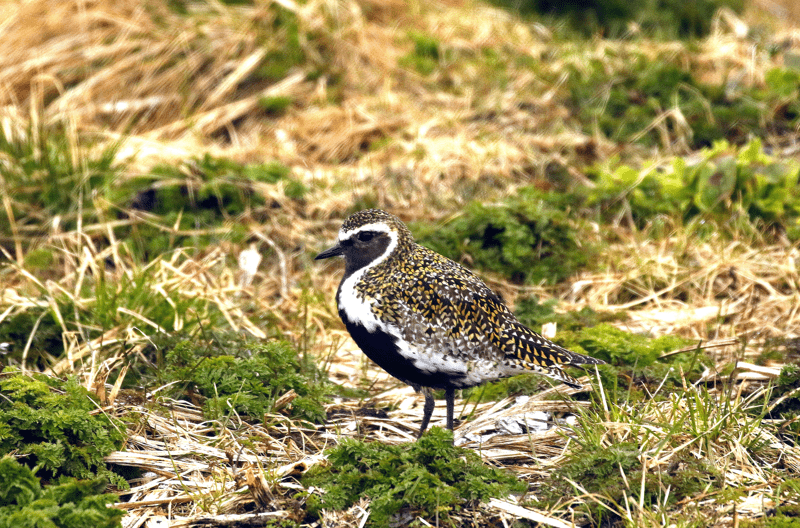
European Golden-Plover
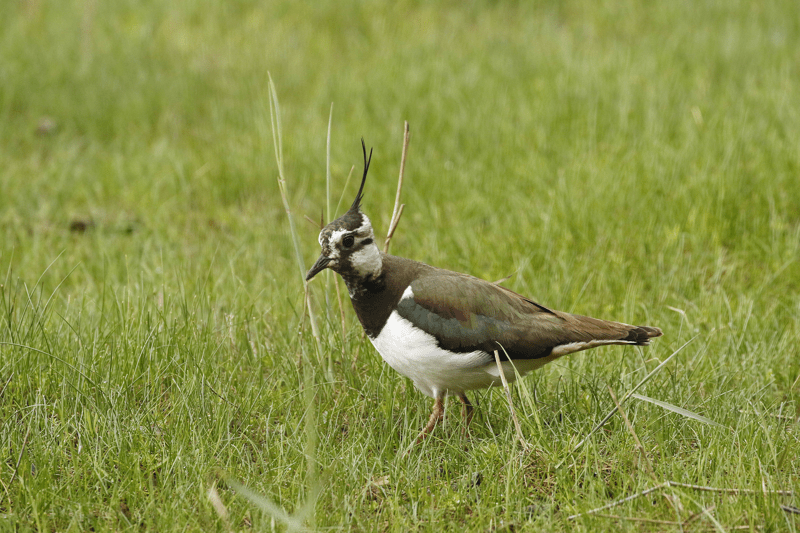
Northern Lapwing
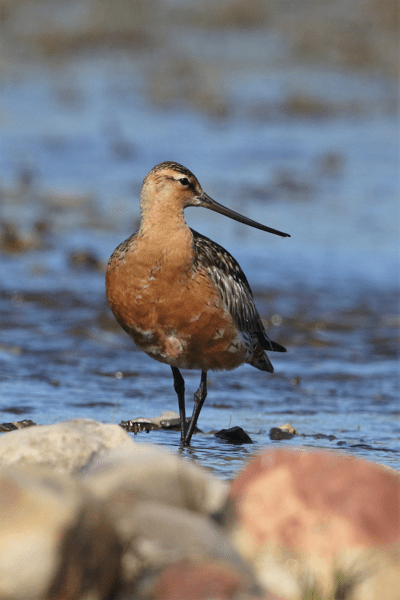
Bar-tailed Godwit
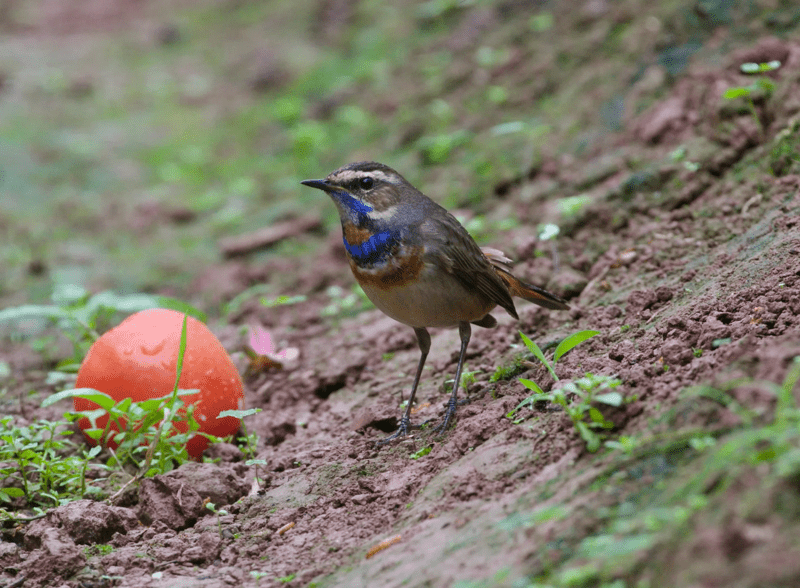
Bluethroat
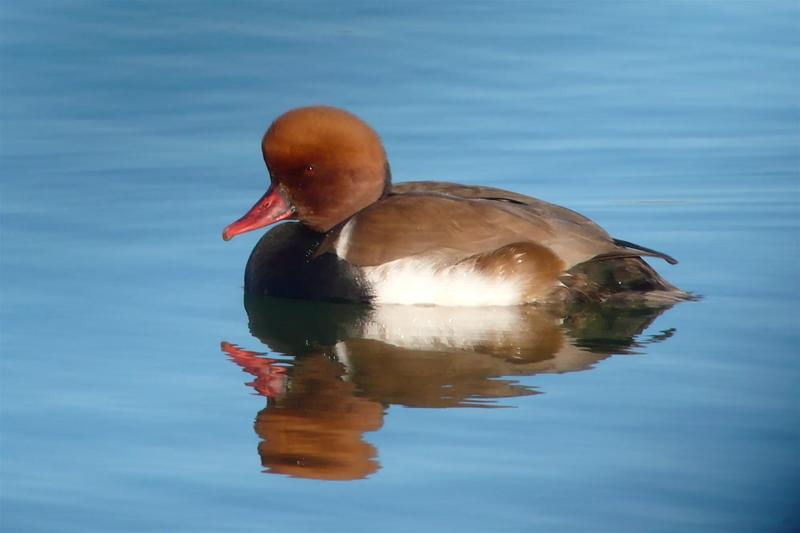
Red-crested Pochard
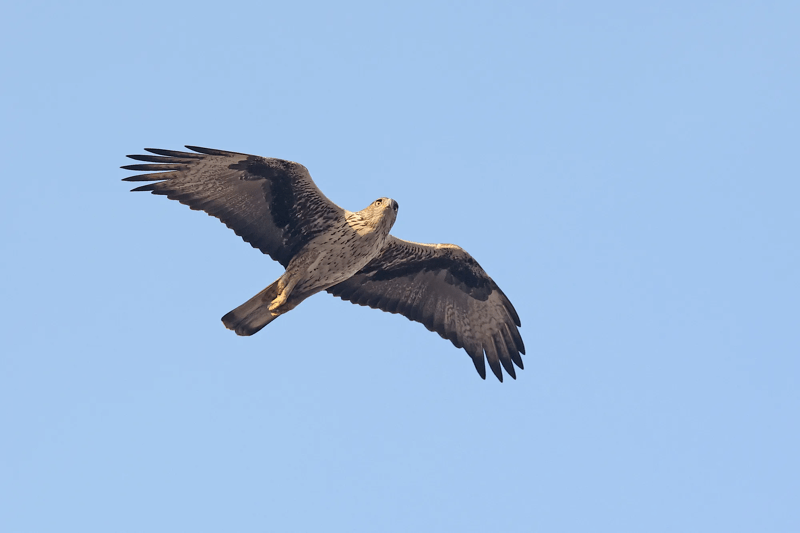
Bonelli's Eagle
Leader
João Jara
João Jara, a Lisbon native with 35 years of field experience, has deep knowledge of Portugal’s birds and birding. A former board member of SPEA and chairman of the Portuguese Rarities Committee, he has traveled widely, authored birding articles, led tours and ID courses, and founded a leading travel agency in Portugal, which he continues to manage and guide today.
Itinerary
Click here to download the 2027 itinerary PDF
Day 1
Depart the U.S. on overnight flights to Lisbon. After arriving and settling in near the Tagus Estuary, enjoy a relaxed afternoon with lunch, a short introductory birding excursion, and a welcome dinner.
Day 2
Continued activities from Day 1
Day 3
Spend a full day exploring the renowned Tagus Estuary Nature Preserve, one of Europe’s premier wetland birding areas. Visit rice fields, salt pans, marshes, and mudflats in search of a wide variety of waterfowl, shorebirds, raptors, and songbirds.
Day 4
Enjoy a guided tour of Lisbon’s historic neighborhoods, plazas, monuments, and architectural landmarks including Alfama, Belém, Jerónimos Monastery, and the Tower of Belém. Return to the hotel in the evening, with possible additional birding along the Tagus Estuary.
Day 5
Continue birding in different habitats within the greater Tagus Estuary ecosystem, including reed beds, lagoons, oak woodlands, and open fields. Look for bustards, ibises, storks, raptors, shorebirds, and numerous regional specialties.
Day 6
Travel into Portugal’s scenic Alentejo region with a guided historical tour of the UNESCO World Heritage city of Évora. Continue through the rolling plains of Castro Verde, watching for open-country birds before arriving in Mértola.
Day 7
Spend two days exploring the Guadiana Valley Nature Park and the bird-rich plains of Castro Verde. Search for vultures, eagles, bustards, sandgrouse, cranes, owls, and many Iberian specialty birds across rugged valleys and expansive grasslands.
Day 8
Continued activities from Day 7
Day 9
Begin the day with a historical walking tour of Mértola, including its castle, old mosque, and Islamic quarter. Continue south to the Algarve region, arriving in Tavira for late afternoon birding among coastal wetlands and salt pans.
Day 10
Explore the lagoons, marshes, islands, and coastal habitats of Ria Formosa Natural Park, one of Portugal’s top birding destinations. Expect excellent opportunities to observe flamingos, shorebirds, gulls, ducks, spoonbills, and other wetland species.
Day 11
Travel along the Atlantic coast to Sagres and Cape St. Vincent, an important migration point for soaring birds and seabirds. On the return journey, bird the productive Salgados Lagoon wetlands before heading back to Tavira.
Day 12
Spend the morning birding at Castro Marim Nature Preserve near the Spanish border, searching for flamingos, gulls, storks, larks, and other wetland birds. After lunch, return to Lisbon for a farewell dinner and final evening together.
Day 13
Transfer to the Lisbon airport for departing flights home.
What’s Included
Accommodations & Dining
Settle into comfortable accommodations with modern amenities. Enjoy freshly prepared meals that highlight local flavors and international favorites, with consideration for any dietary needs.
Guided Services & Gratuities
Experience each destination with the help of Leaders who share history, culture, and wildlife insights. Gratuities for crew and local guides are included, ensuring seamless service without extra concerns; tipping for your Leaders is discretionary and not included.
Active Essentials
Every tour includes the core elements that make our field experiences possible so you can stay engaged with a range of activities. All outings include the necessary equipment and full safety support, making it easy to join at your own pace.
Transportation & Logistics
We coordinate every transfer, from airport pickup to port boarding. Whether traveling by bus, boat, or charter, our team ensures smooth connections and stress-free travel.
FAQs
Similar Trips
Loading calendar...