


Difficulty
Where Continents Converge
Armenia: Birds & History
An extraordinary journey through Armenia and the Caucasus foothills, where dramatic mountain landscapes, rich birdlife, and ancient culture meet at the crossroads of Europe and Asia. This multi-themed tour blends premier Western Palearctic birding with unforgettable encounters in art, music, history, and cuisine.
Advance Booking Notice
This tour is currently open for reservations, though final pricing has not yet been published. Guests may secure a place on the departure by submitting the initial deposit. Full details are available in the FAQs.
Tour Overview
May 16–May 29, 2028
Armenia sits at one of the great crossroads of the Old World, where Europe, Asia, and the Middle East converge in a compact yet astonishingly varied landscape. From semidesert basins and juniper-clad slopes to alpine meadows and high mountain lakes, this small country delivers remarkable habitat diversity—and with it, an impressive array of regional specialties difficult to see elsewhere in the Western Palearctic.
Spring brings a pulse of movement and renewal. Migrants stream north from Africa, the Middle East, and South Asia to breed in Armenia’s canyons, marshes, and mountain slopes. Raptors wheel above dramatic gorges, including Egyptian Vulture and Lammergeier, while rocky escarpments shelter Eastern Rock Nuthatch and Blue Rock-Thrush. On the slopes of Mt. Aragats we search for Persian Wheatear and Crimson-winged Finch, and around Lake Sevan—perched high at 7,000 feet—waterbirds, gulls, and shorebirds gather against sweeping alpine vistas.
Wetlands to the south host Dalmatian Pelican, Pygmy Cormorant, Armenian Gull, White-tailed Lapwing, and flocks of White-winged Terns. Scrub and marsh edges hold a fascinating mix of warblers, wheatears, accentors, and robins, while rocky steppe and canyon country produce a rich blend of Palearctic and Middle Eastern elements.
Yet this is not only a birding tour. Armenia’s cultural depth is inseparable from its landscape. Over the course of our journey we visit Neolithic stone sites, Iron Age fortifications, Roman-era temples, medieval monasteries, and sacred Christian monuments. Music, wine, and cuisine are central to Armenian identity, and we experience traditional performances and regional specialties throughout the route. Traveling overland in 4x4 minibuses with local experts and VENT leaders, we enjoy both remote wilderness and warm hospitality during one of the most beautiful seasons to visit, when wildflowers carpet the fields and birdsong fills the crisp mountain air.
Ecosystems Experienced
Armenia offers an extraordinary ecological transect in a relatively small geographic area. Semi-arid basins and steppe grasslands give way to juniper woodland, rocky gorges, marshes, and high-elevation meadows. Alpine slopes rise toward volcanic summits such as Mt. Aragats, while Lake Sevan provides expansive freshwater habitat at high altitude. Positioned along a major Eurasian flyway between the Black and Caspian seas, the country supports a remarkable blend of European, Middle Eastern, and Asian species. This mosaic of steppe, wetland, canyon, forest edge, and alpine habitat makes Armenia one of the most diverse birding destinations in the Western Palearctic.
Expected Climate
Temperature
During late spring and early summer, valley temperatures are generally mild to warm, often ranging from the 60s to 80s °F. Higher elevations, particularly around Lake Sevan and on mountain slopes, are noticeably cooler, especially in early mornings and evenings. Conditions are typically comfortable for field exploration, though layers are advisable due to elevation changes.
Rainfall
Precipitation is generally light during the main touring season, though brief spring or early summer showers and occasional mountain storms are possible. Most rainfall is localized and short-lived. The varied terrain can create microclimates, but extended periods of heavy rain are uncommon.
Seasons
Late spring into early summer is widely regarded as the most rewarding time to visit. Snow has largely receded from high passes, wildflowers brighten steppe and alpine meadows, and migratory birds have returned to breed. Raptors are active over canyon systems, wetlands are productive, and mountain air is typically clear—providing both excellent birding and striking panoramic views.
Previous Field Reports
Key Species
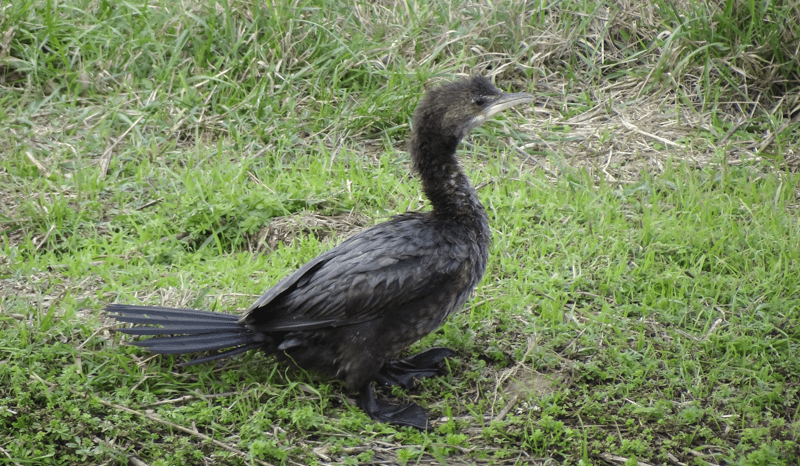
Pygmy Cormorant
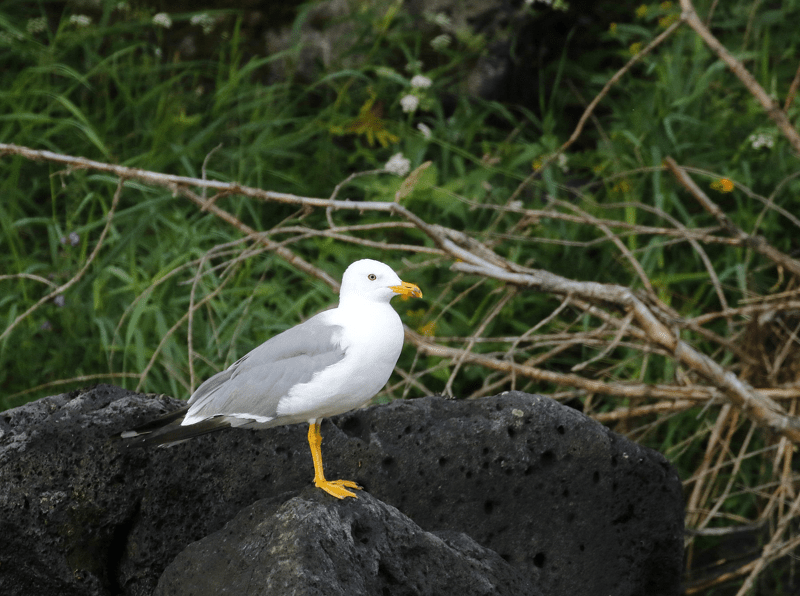
Armenian Gull
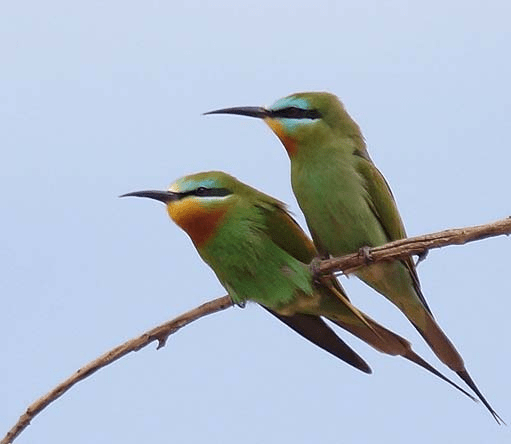
Blue-cheeked Bee-eater
Leader
+ Local Leader
Rafael Galvez
Primary Leader
Birder, artist, and educator dedicated to conservation, community outreach, and the beauty of birds through art, guiding, and education across the Americas.
Read MoreItinerary
Click here to download the 2026 itinerary PDF
Day 1
Arrival and welcome gathering with introductions to Armenia’s geography, history, and birdlife.
Traditional feast and musical performance offering a first immersion into regional culture.
Day 2
Early exploration of nearby hills and dry valleys for steppe and scrub specialties.
Introduction to raptors and open-country species along scenic canyon landscapes.
Day 3
Birding dramatic northern gorges for Egyptian Vulture, Lammergeier, and cliff-dwelling species.
Visits to historic monasteries and ancient stone sites set amid spectacular canyon scenery.
Day 4
Ascending toward volcanic highlands to search alpine slopes for wheatears and finches.
Scenic exploration of open steppe-meadow habitat with wide mountain vistas.
Day 5
Morning around the shores of a high-elevation lake for gulls, shorebirds, and waterfowl.
Afternoon in rocky terrain targeting nuthatches, wheatears, and accentors.
Day 6
Wetland exploration for pelicans, cormorants, pratincoles, and terns.
Scrub and marsh-edge birding for warblers and passerines.
Day 7
Drive through varied steppe and juniper habitats with roadside birding stops.
Cultural visits to fortified settlements and sacred monuments along the route.
Day 8
Mountain birding in subalpine meadows and rocky crags for high-elevation specialties.
Optional moderate walks in scenic terrain with sweeping views.
Day 9
Continued exploration of alpine and steppe transitions for regional specialties.
Evening cultural experience featuring traditional cuisine and music.
Day 10
Evening cultural experience featuring traditional cuisine and music.
Visits to historical landmarks reflecting Armenia’s early Christian heritage.
Day 11
Exploration of additional marshes and scrub zones for late migrants and breeders.
Scenic drives through countryside rich with wildflowers.
Day 12
Search for mountain passerines and raptors in rocky uplands.
Cultural immersion with local artisans and regional cuisine.
Day 13
Final full day in diverse habitats targeting remaining specialties.
Farewell dinner celebrating the birds, landscapes, and friendships formed.
What’s Included
Accommodations & Dining
Settle into comfortable accommodations with modern amenities. Enjoy freshly prepared meals that highlight local flavors and international favorites, with consideration for any dietary needs.
Guided Services & Gratuities
Experience each destination with the help of Leaders who share history, culture, and wildlife insights. Gratuities for crew and local guides are included, ensuring seamless service without extra concerns; tipping for your Leaders is discretionary and not included.
Active Essentials
Every tour includes the core elements that make our field experiences possible so you can stay engaged with a range of activities. All outings include the necessary equipment and full safety support, making it easy to join at your own pace.
Transportation & Logistics
We coordinate every transfer, from airport pickup to port boarding. Whether traveling by bus, boat, or charter, our team ensures smooth connections and stress-free travel.
FAQs
Similar Trips
Loading calendar...