


Difficulty
SECOND SPRING IN THE SKY ISLANDS
Avian Jewels of Arizona
Experience Southeast Arizona at its most electrifying—during the monsoon-driven “second spring,” when deserts bloom, hummingbirds swarm, and southwestern specialties are at peak activity. From cactus-studded valleys to pine-clad canyons, this focused summer tour seeks out Montezuma Quail, Elegant Trogon, Mexican Chickadee, Five-striped Sparrow, and an extraordinary diversity of hummingbirds. With breeding residents, migrants, and post-breeding wanderers converging in the Sky Islands, up to 15 hummingbird species are possible. Afternoon rains cool the air and reinvigorate the landscape, creating ideal conditions for birding one of North America’s most celebrated regions.
Tour Overview
Southeast Arizona is justly celebrated as one of North America’s premier birding destinations, and during the summer monsoon it reaches a thrilling crescendo. When seasonal rains sweep north from Mexico, desert slopes flush green, flowers bloom, and bird activity surges. Some species initiate breeding with the rains, others attempt second broods, and post-breeding wanderers drift north—creating a true “second spring” unlike anywhere else in the United States.
Our journey takes us through the famed Sky Island mountain ranges, where habitats stack dramatically from saguaro-studded desert to oak woodland, pine forest, and cool canyon streams. At feeding stations tucked into shady mountain retreats, we witness one of the continent’s greatest hummingbird spectacles. Broad-billed, Violet-crowned, Rivoli’s, Blue-throated Mountain-Gem, and Rufous are expected, while Mexican visitors such as Berylline, White-eared, or Plain-capped Starthroat may provide unforgettable highlights.
Beyond hummingbirds, the list of regional specialties is remarkable. Elegant Trogon may call from sycamore-lined canyons, Montezuma Quail whistle from grassy slopes, and Sulphur-bellied Flycatcher or Varied Bunting may appear in riparian thickets. The grasslands of Sonoita and Sulphur Springs hold Cassin’s and Botteri’s sparrows, while the higher forests of the Chiricahuas and Huachucas produce Mexican Chickadee, Red-faced Warbler, and Whiskered Screech-Owl.
Though the days are full and purposeful, monsoon clouds temper the heat, and time in cool mountain canyons offers welcome relief. Comfortable accommodations, expert leadership, and carefully chosen sites ensure that this shorter summer tour delivers an unforgettable immersion in one of America’s richest birding landscapes.
Ecosystems Experienced
The tour traverses southeastern Arizona’s celebrated Sky Island region, where isolated mountain ranges rise abruptly from Sonoran Desert lowlands. Habitats shift dramatically with elevation—from saguaro desert and mesquite bosque to Madrean oak woodland, pine–oak forest, and high-elevation conifer stands. Riparian corridors lined with sycamore and cottonwood provide critical refuges for hummingbirds, trogons, flycatchers, and warblers, while surrounding grasslands host specialty sparrows and quail. The monsoon season recharges these ecosystems, stimulating flowering plants, insect abundance, and heightened bird activity across this remarkable desert–mountain mosaic.
Expected Climate
Temperature
Mid-summer temperatures vary with elevation. Desert valleys can reach the upper 80s to low 90s °F during the day, while mountain canyons are typically cooler and more comfortable. Early mornings and evenings often fall into the 60s °F, especially at higher elevations.
Rainfall
July marks the onset of the North American Monsoon. Afternoon thunderstorms are common, particularly in the mountains and canyons, often arriving as brief but intense showers that clear quickly. These rains green the landscape and refresh the air, while mornings are frequently clear and ideal for birding.
Seasons
This tour coincides with Southeast Arizona’s distinctive “second spring.” Monsoon rains trigger renewed breeding activity, attract post-breeding wanderers from Mexico, and produce a peak in hummingbird diversity. Desert vegetation is greener than in late spring, insect life is abundant, and bird activity remains high despite the summer calendar—making this one of the most exciting and colorful periods of the year to visit the region.
Previous Field Reports
Key Species
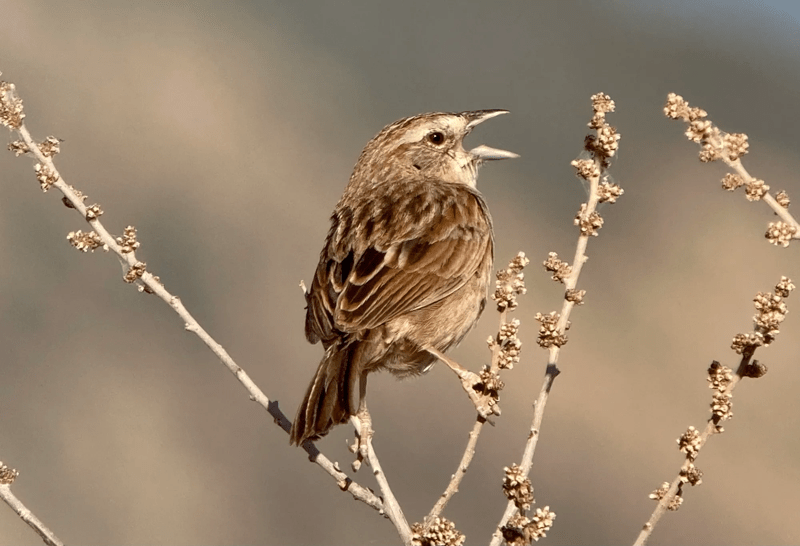
Botteri's Sparrow
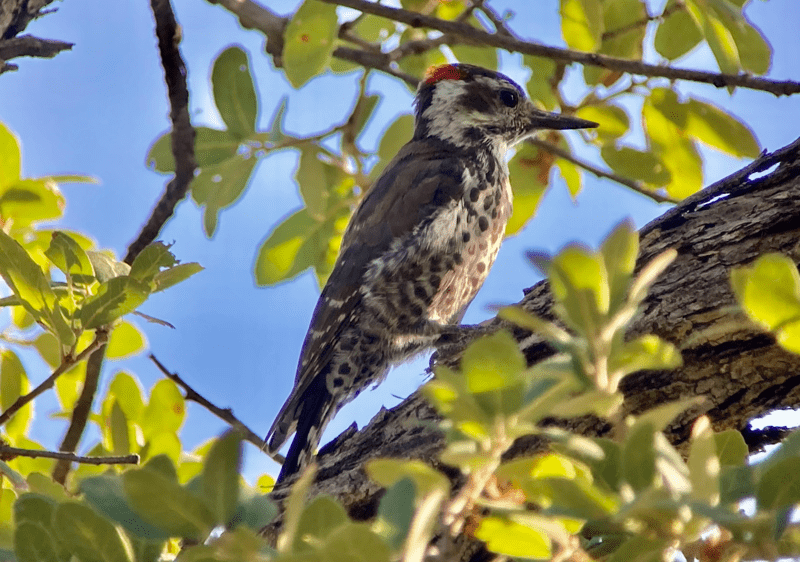
Arizona Woodpecker
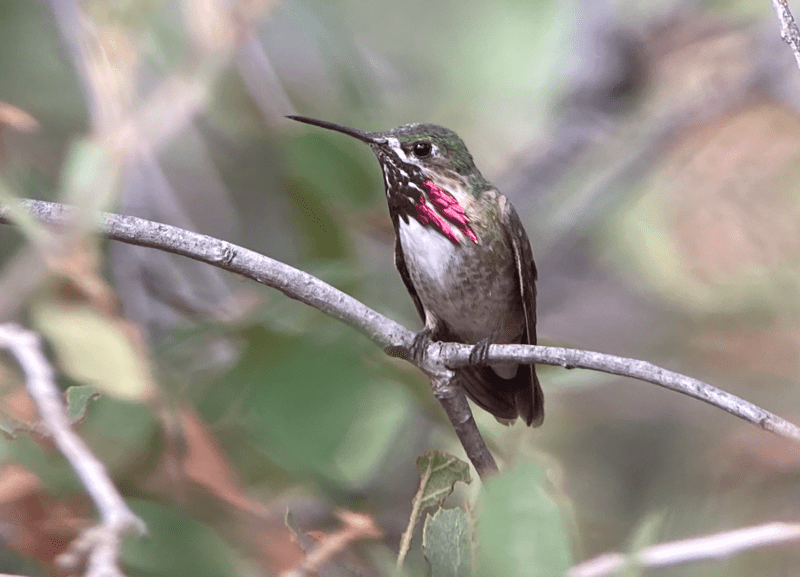
Calliope Hummingbird
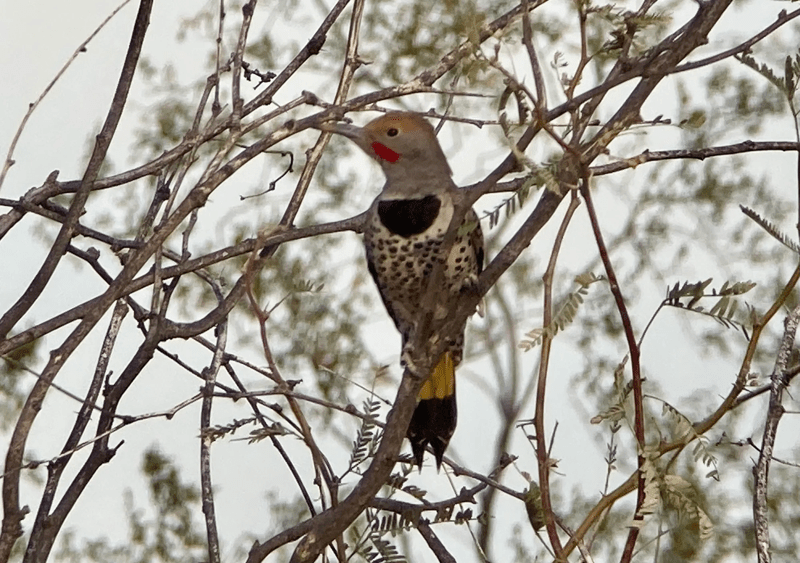
Gilded Flicker
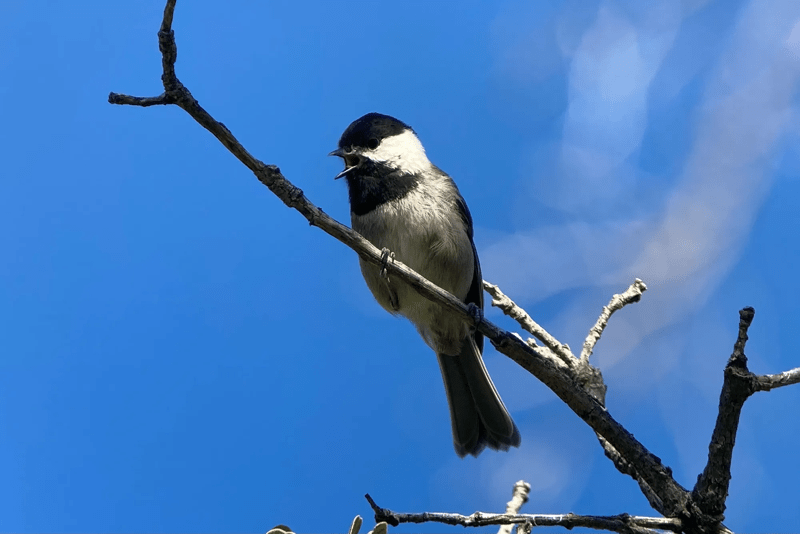
Mexican Chickadee
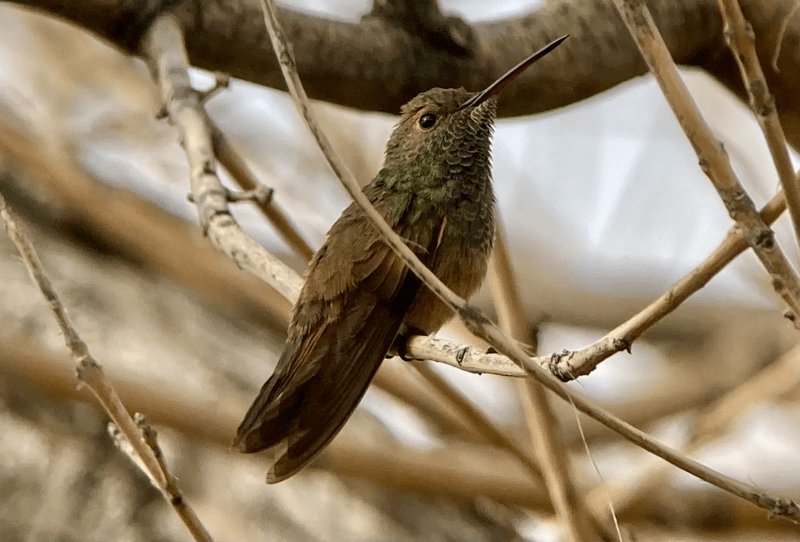
Berylline Hummingbird
Leader
+ Additional VENT Leader
Brian Gibbons
Primary Leader
Birder and field researcher with decades of experience studying and guiding across the Americas, known for his passion, precision, and love of bird photography.
Read MoreItinerary
Click here to download the 2026 itinerary PDF
Day 1
Arrive in Tucson and gather for an afternoon visit to Sweetwater Wetlands, where marsh birds, waterfowl, and desert specialties provide a lively introduction to the region.
Welcome dinner and tour orientation.
Day 2
Travel toward Madera Canyon, exploring feeders and canyon habitats for hummingbirds, Elegant Trogon, and other mountain specialties.
Optional evening owling in nearby canyons.
Day 3
Revisit key sites in the Santa Rita Mountains, with time in Florida or Montosa Canyon for specialty sparrows and flycatchers.
Continue south to Rio Rico ponds and surrounding habitats before settling in near Nogales.
Day 4
Early departure for California Gulch in search of Five-striped Sparrow and other grassland specialties.
Cross the Sonoita grasslands toward Sierra Vista, with an evening visit to Ash Canyon feeders for the possibility of Lucifer Hummingbird.
Day 5
Full day in the Huachuca Mountains, birding Carr, Miller, Hunter, or Ramsey Canyon for Mexican Chickadee, Red-faced Warbler, and trogon.
Optional evening owling in suitable habitat.
Day 6
Morning birding in Huachuca canyons, then travel through the Sulphur Springs Valley toward Portal, stopping for sparrows and raptors en route.
Late afternoon exploration of feeders and desert-edge habitats near Portal.
Day 7
Explore the Chiricahua Mountains and Cave Creek Canyon for Elegant Trogon, Painted Redstart, and additional Sky Island specialties.
Optional evening owling.
Day 8
Morning birding in the Chiricahuas before returning west toward Tucson, stopping in Willcox for shorebirds and grassland species.
Farewell dinner in Tucson.
Day 9
Depart Tucson at leisure.
What’s Included
Accommodations & Dining
Settle into comfortable accommodations with modern amenities. Enjoy freshly prepared meals that highlight local flavors and international favorites, with consideration for any dietary needs.
Guided Services & Gratuities
Experience each destination with the help of Leaders who share history, culture, and wildlife insights. Gratuities for crew and local guides are included, ensuring seamless service without extra concerns; tipping for your Leaders is discretionary and not included.
Active Essentials
Every tour includes the core elements that make our field experiences possible so you can stay engaged with a range of activities. All outings include the necessary equipment and full safety support, making it easy to join at your own pace.
Transportation & Logistics
We coordinate every transfer, from airport pickup to port boarding. Whether traveling by bus, boat, or charter, our team ensures smooth connections and stress-free travel.
FAQs
Similar Trips
Loading calendar...