

Difficulty
Balkan Crossroads of Migration
Birding in Ancient Bulgaria
After fifteen years, VENT returns to Bulgaria—an eastern European treasure where wetlands, mountains, and coastlines converge along one of the continent’s great migration corridors. From the Rhodope Mountains to the Danube River and the Black Sea, we seek a remarkable diversity of European and eastern specialties while exploring a land rich in history, culture, and warm hospitality.
Tour Overview
May 1–May 17, 2027
Bulgaria lies at the meeting point of Europe and Asia, a geographical crossroads that has shaped both its history and its birdlife. Positioned between the Black Sea, the Balkans, and the Thracian plains, the country straddles one of the primary migration routes linking Africa with eastern and northeastern Europe. In spring, the skies and landscapes come alive with breeding birds, late migrants, and a wealth of raptors moving through this natural bottleneck.
Our journey begins in the capital, Sofia, where classical architecture provides nesting sites for Common Swifts and House-Martins, and nearby Vitosha Mountain introduces us to forest and montane species. From there we move south into the dramatic gorges and pine-clad slopes of the Rhodope Mountains, searching for specialties among rivers, crags, and agricultural valleys. The possibility of encountering Wallcreeper on a sheer rock face is among the many highlights.
In the Eastern Rhodopes, open hills and rocky escarpments host Egyptian Vultures, Griffons, Black Storks, shrikes, buntings, and an appealing mix of Mediterranean and eastern European birds. Turning eastward, we cross rolling countryside toward the Black Sea coast, where bee-eaters, rollers, hoopoes, and raptors enliven the flower-filled landscapes.
Along the Burgas and Pomorie wetlands, vast reedbeds and lagoons support pelicans, herons, flamingos, shorebirds, and marsh harriers. Mature oak woodlands hold woodpeckers and flycatchers, while dry steppe and coastal grasslands reveal wheatears, larks, and localized warblers. Finally, near the Danube at Srebarna Biosphere Reserve, we encounter an inspiring mosaic of wetlands and woodland rich in waterfowl, cuckoos, bee-eaters, and nightingales.
Throughout the tour, birding is complemented by meaningful cultural experiences. We explore ancient Thracian sites, walk the historic streets of Sofia, and visit excellent museums that illuminate Bulgaria’s 8,000-year human story. Comfortable small hotels and guesthouses, delicious regional cuisine, and unhurried hospitality round out this immersive Balkan experience.
Ecosystems Experienced
Bulgaria offers an exceptional range of habitats within a relatively compact area. Coastal lagoons and Black Sea wetlands attract waterfowl, pelicans, flamingos, and migratory shorebirds. Inland plains and steppe grasslands support larks, rollers, buntings, and shrikes, while river valleys and reedbeds teem with warblers and marsh harriers. The Rhodope and Balkan Mountains provide forested slopes, rocky gorges, and alpine meadows where raptors, woodpeckers, flycatchers, and high-elevation specialties thrive. This blend of coast, plain, and mountain makes Bulgaria one of Europe’s most dynamic birding landscapes.
Expected Climate
Temperature
Late spring typically brings mild to warm conditions. Daytime temperatures are generally comfortable for extended time in the field, while mornings and higher elevations can be noticeably cooler.
Rainfall
Spring is moderately showery, with brief rain periods alternating with sunshine. Mountain regions are slightly wetter, but extended rain is uncommon and conditions are usually favorable for birding.
Seasons
The tour takes place in late spring, one of the most rewarding seasons in Bulgaria. Landscapes are lush with wildflowers, resident birds are singing, and migration is still underway. The combination of active birdlife, green scenery, and generally pleasant weather creates ideal conditions for both natural history exploration and cultural discovery.
Previous Field Reports
Key Species
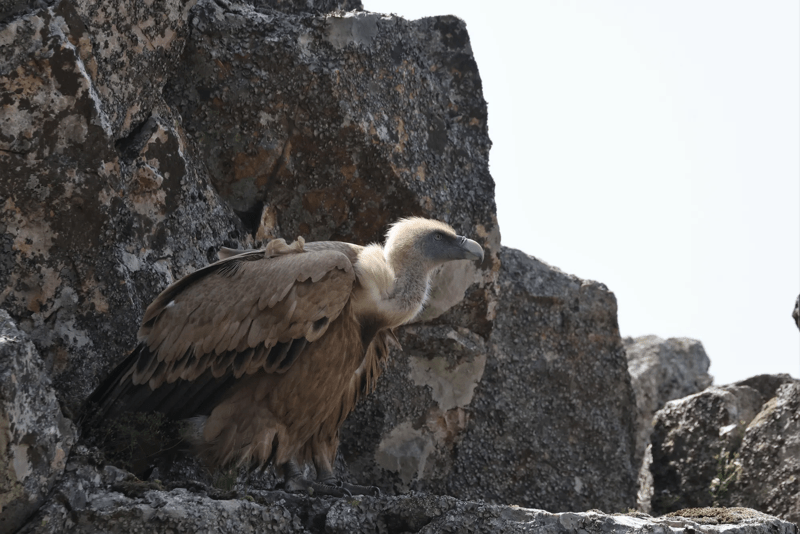
Eurasian Griffon
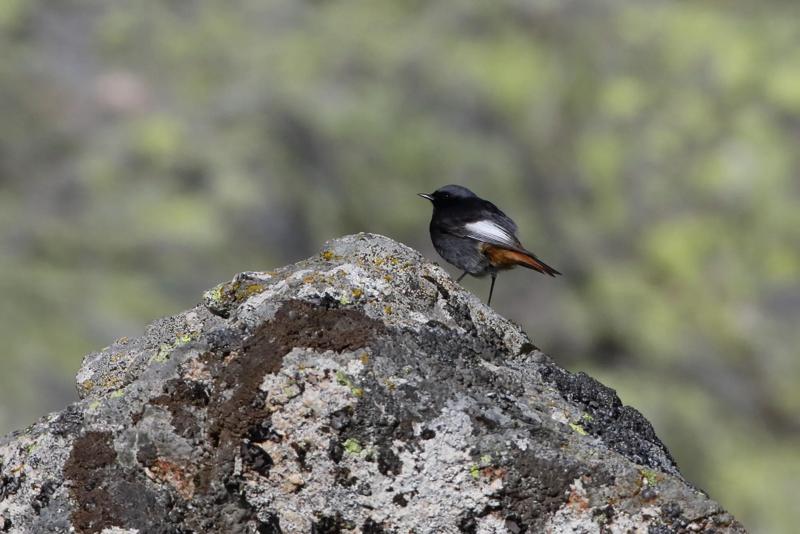
Black Redstart
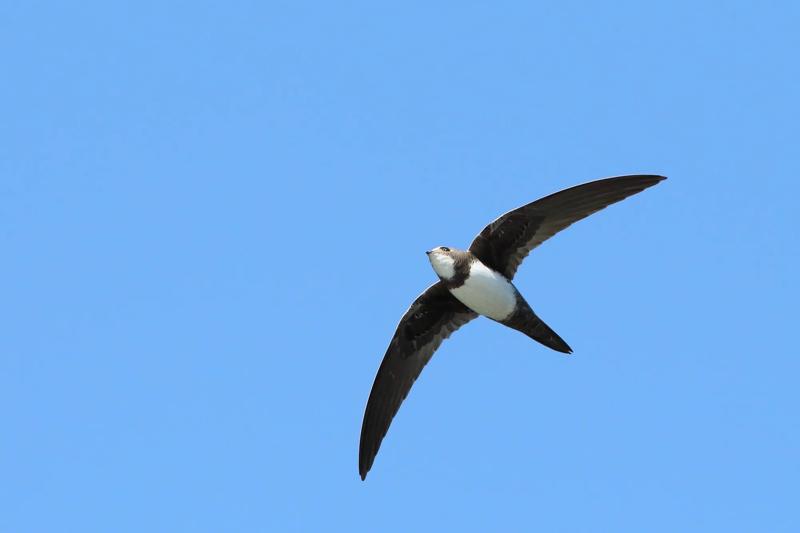
Alpine Swift
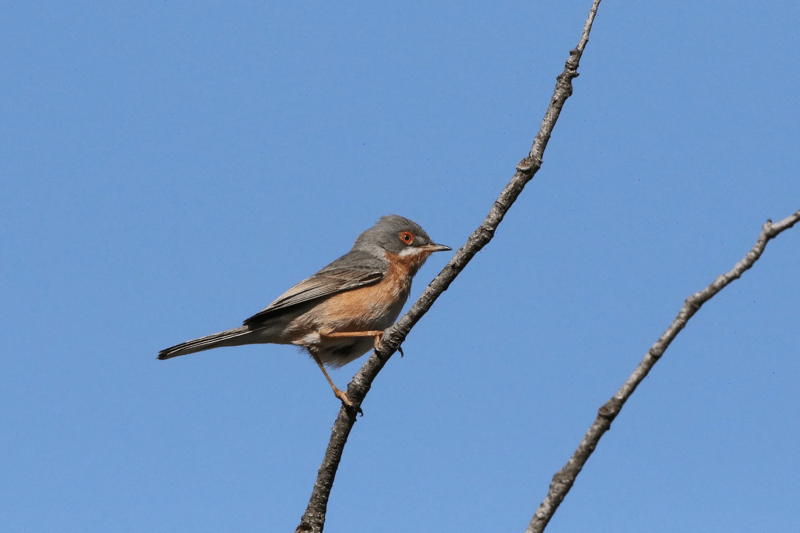
Western Subalpine Warbler
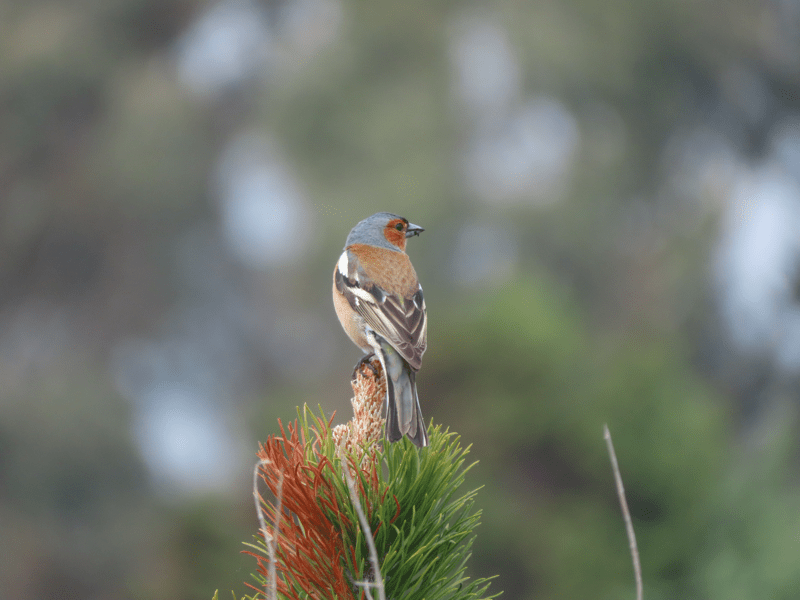
Common Chaffinch
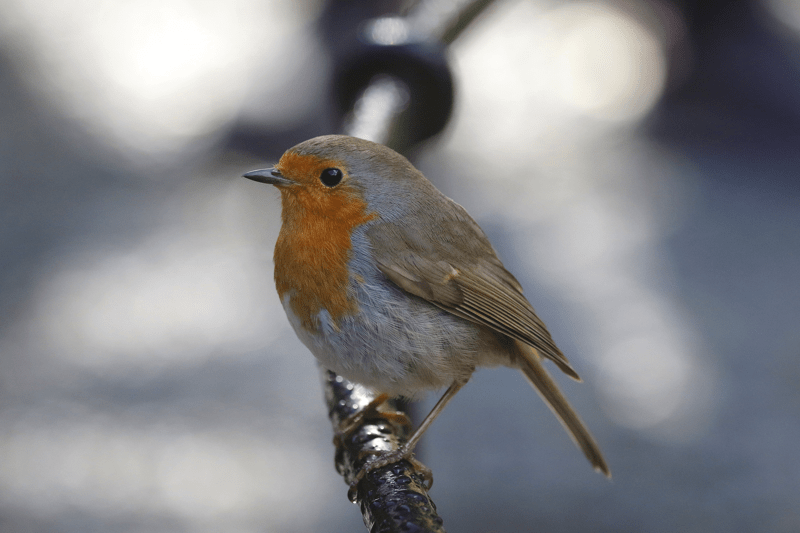
European Robin
Leader
+ Local Leader
Mark Brazil
Dr. Mark Brazil is an ornithologist, author, and expedition leader with decades of experience guiding wildlife-focused journeys across the globe. Based in Hokkaidō, Japan, he is renowned for his expertise in East Asian birdlife and his extensive writings on Japan’s natural history. A lecturer and conservation biologist, Mark inspires travelers through exploration, research, and education in nature’s diversity.
Mayumi Brazil
Born and educated in Hokkaidō, Japan, Mayumi Brazil is a National Government Licensed Interpreter Guide with extensive experience in travel, culture, and expedition guiding. She has worked with leading international companies and co-led wildlife-focused expeditions worldwide. Passionate about sharing Japanese culture, Mayumi blends organization, insight, and hospitality to create meaningful, cross-cultural travel experiences.
Itinerary
Click here to download the 2027 itinerary PDF
Day 1
Depart the United States on an afternoon or evening flight bound for Sofia, Bulgaria.
Day 2
Arrive in Sofia and transfer to Hotel Jasmin, with time to relax or join an optional walking tour through the historic city center.
Explore Sofia’s remarkable mix of Bulgarian Revival, Orthodox, and Roman architecture while encountering common urban birds such as Alpine Swift, Eurasian Blackbird, and Eurasian Magpie.
Gather this evening for a welcome reception and dinner at a local restaurant.
Day 3
Explore Vitosha Mountain, Bulgaria’s first nature park, birding its spruce forests, open meadows, and rocky slopes for Northern Nutcracker, Ring Ouzel, Willow Tit, Pallid Swift, and Black Redstart.
After lunch, visit the National Museum of History to discover Bulgaria’s rich cultural heritage, including remarkable Thracian treasures and artifacts spanning thousands of years.
Return to Sofia for dinner and an evening to reflect on a full day of birding and exploration.
Day 4
Travel through the Bulgarian countryside toward the Rhodope Mountains, making birding stops for White Stork, European Bee-eater, Calandra Lark, Crested Lark, and the region’s colorful buntings.
Keep watch for the unpredictable Rosy Starling, along with Corn and Black-headed buntings, as we make our way toward the mountain village of Trigrad.
If time allows, visit the dramatic Devil’s Throat cave, steeped in the legend of Orpheus and Eurydice.
Day 5
Explore the dramatic Trigrad Gorge, one of Europe’s best places to search for the elusive and spectacular Wallcreeper along its sheer marble cliffs.
Bird the surrounding pine and broadleaf forests, meadows, and river for Alpine and Pallid Swifts, White-throated Dipper, Eurasian Crag-Martin, Red-rumped Swallow, Ring Ouzel, and European Serin.
Day 6
Travel into the eastern Rhodope Mountains, birding the wild mix of cliffs, meadows, woodland, and scrub for Black Kite, Gray and White wagtails, and Red-backed and Woodchat shrikes.
Visit the remarkable archaeological complex of Perperikon, an ancient Thracian city featuring an extensive collection of megalithic structures.
Continue to Madzharovo, our base in a region renowned for its conservation of three species of Old World vultures.
Day 7
Explore the volcanic landscape of Studen Kladenets, watching the skies for Eurasian Griffon, Egyptian, and Cinereous vultures, along with Black Stork and Common Buzzard.
Continue to the Krumovitsa River valley and Dolna Kula, birding cliffs, fields, and rocky slopes for European Roller, Eurasian Hoopoe, Lesser Gray Shrike, Chukar, Western Rock Nuthatch, and a variety of southern warblers.
Return to Madzharovo for dinner, followed by an evening search for Eurasian Scops-Owl around the village.
Day 8
Travel east toward Svilengrad, birding scrubby hillsides and open country along the way for Eurasian Hoopoe, Crested Lark, and Isabelline Wheatear.
Make stops to search for an impressive variety of raptors, including Eurasian Griffon, Western Marsh Harrier, Common “Steppe” and Long-legged Buzzards, Booted and Imperial Eagles, and Lesser Kestrel.
Keep watch for the declining European Turtle-Dove, a once-common species whose conservation highlights the importance of protecting traditional habitats across Bulgaria. Arrive in Svilengrad and settle into our hotel before dinner.
Day 9
Continue east toward the Black Sea, birding along the way for Black Stork, Eastern Black-eared Wheatear, Blue Rock-Thrush, Olive-tree Warbler, Eurasian Golden Oriole, and Woodchat Shrike.
Search woodlots, orchards, scrub, and gardens for the range-restricted Masked Shrike, while keeping an eye out for European Greenfinch, Hawfinch, and a variety of buntings, including Rock, Ortolan, Corn, and Black-headed.
Arrive in Sozopol, a historic seaside town on the Black Sea, and explore its coastal trail and surrounding fields for eastern European specialties such as Syrian Woodpecker and Red-breasted Flycatcher.
Day 10
Spend the day exploring the Burgas Lakes, a vast Ramsar wetland complex and one of Bulgaria’s most productive birding areas, with four shallow lakes and extensive reedbeds.
Search for a wide variety of waterbirds, including Common Shelduck, Garganey, Common Pochard, Mute Swan, Pygmy and Great Cormorants, and both Great White and Dalmatian Pelicans.
Explore the wetlands and reedbeds for Purple and Squacco Herons, Eurasian Spoonbill, Greater Flamingo, Pied Avocet, Black-winged Stilt, Black-tailed Godwit, Whiskered Tern, Cetti’s Warbler, and Great Reed Warbler before returning to Sozopol.
Day 11
Begin the morning around the saline pools near Burgas and Sozopol, where shorebirds and waterfowl gather. Look for Mediterranean Gull, Little Tern, Curlew Sandpiper, Ruff, and other wetland species.
Visit the remarkable Roman-era Pomorie Tholos, a well-preserved domed tomb and unique architectural monument in the Balkans.
Continue north after lunch, birding oak woodlands for Black and Middle Spotted Woodpeckers, Semicollared Flycatcher, and Short-toed Treecreeper before arriving in the beachside town of Krapets.
Day 12
Explore Durankulak, Bulgaria’s northeasternmost village and its nearby brackish wetland, searching reedbeds and lakeshore for Kentish Plover, Lesser Gray Shrike, Ferruginous Duck, Garganey, Eurasian and Little Bitterns, crakes, Bearded Reedling, and Savi’s and Paddyfield Warblers.
Continue south to Cape Kaliakra, where dramatic limestone cliffs rise above the Black Sea. Watch for European Shag, Yelkouan Shearwater, Yellow-legged Gull, and wheatears nesting among the historic fortifications.
Explore the surrounding steppe for Calandra and Greater Short-toed Larks, Lesser Gray and Woodchat Shrikes, Corn and Black-headed Buntings, with possible Eurasian Hobby and Red-footed Falcon.
Day 13
Return to the beaches, cliffs, and steppe grasslands around Kavarna, searching for seabirds and coastal species, with chances for Great Spotted Cuckoo, Rosy Starling, and other surprises.
Continue inland toward Vetren and our tranquil birding lodge, with time to explore the village and enjoy an evening chorus of European Robin, Common Nightingale, Eurasian Blackbird, Song Thrush, Eurasian Blackcap, and Common Chaffinch.
Watch for all four “pied” woodpeckers—Syrian, Great Spotted, Middle Spotted, and Lesser Spotted—along with Red-backed Shrike and Eurasian Golden Oriole.
Day 14
Spend the day exploring the rich habitats around Vetren, just a mile from the Danube and close to Srebarna Nature Reserve, a UNESCO World Heritage Site. Visit lakes, reedbeds, woodlands, and riverbanks for a variety of waterbirds and wetland species.
Explore open fields and brushy habitats for colorful specialties such as European Bee-eater and European Roller, along with other characteristic birds of the region.
As evening approaches, watch the grasslands for hunting raptors before returning to the lodge.
Day 15
Continue exploring the diverse habitats around Vetren, including the Danube River, nearby woodlands, and parks, looking for species we may have missed.
Spend time in the woodlots and along the riverbanks, where woodpeckers, songbirds, and other woodland species are active.
Enjoy another evening around the peaceful lodge, listening for the distinctive songs of the area’s birds.
Day 16
Enjoy an optional pre-breakfast walk for a final chance to bird around Vetren before departing for Varna on the Black Sea.
After lunch, visit Varna’s impressive Archaeological Museum, home to the remarkable Varna Gold, a 6,500-year-old treasure dating to the Copper Age.
Take a short afternoon flight from Varna to Sofia for our final night in Bulgaria.
Day 17
Enjoy a final morning in Sofia before departing Bulgaria at your convenience.
Complimentary airport shuttle service is available from the hotel for your departure.
What’s Included
Accommodations & Dining
Settle into comfortable accommodations with modern amenities. Enjoy freshly prepared meals that highlight local flavors and international favorites, with consideration for any dietary needs.
Guided Services & Gratuities
Experience each destination with the help of Leaders who share history, culture, and wildlife insights. Gratuities for crew and local guides are included, ensuring seamless service without extra concerns; tipping for your Leaders is discretionary and not included.
Active Essentials
Every tour includes the core elements that make our field experiences possible so you can stay engaged with a range of activities. All outings include the necessary equipment and full safety support, making it easy to join at your own pace.
Transportation & Logistics
We coordinate every transfer, from airport pickup to port boarding. Whether traveling by bus, boat, or charter, our team ensures smooth connections and stress-free travel.
FAQs
Similar Trips
Loading calendar...