

Difficulty
A BIRDS, NATURE & CULTURE TOUR
France: Brittany in Fall
World-class, easy birding meets Old World charm on this journey through the wild coastlines, heathlands, and stone villages of Brittany. Timed for peak autumn migration, this tour blends superb birding with rich history and culture. Each day offers new discoveries—shorebirds along the Iroise Sea, finches and warblers in coastal scrub, and seabirds soaring beyond rocky headlands. Evenings are spent in an elegant seaside hotel renowned for its fine cuisine and environmental design. With over 330 species recorded in October and a landscape steeped in Celtic lore, Brittany is an enchanting blend of natural beauty, birds, and living history.
Advance Booking Notice
This tour is currently open for reservations, though final pricing has not yet been published. Guests may secure a place on the departure by submitting the initial deposit. Full details are available in the FAQs.
Tour Overview
Sep 22–Sep 30, 2027
They call it Finistère—the ends of the earth—and this westernmost corner of France preserves some of Europe’s most breathtaking coastal scenery. Rocky headlands, ocean bays, and golden beaches form a dramatic backdrop for scattered villages where Breton culture, language, and music still thrive. Here, ancient standing stones and medieval churches stand as witnesses to centuries of history, while heathlands, dunes, and scrubby forests provide sanctuary for rare and migrating birds.
October is a time of abundance. As apple presses turn and autumn light softens across the coast, Brittany becomes a crossroads of migration. More than 330 species have been recorded here in fall, from Arctic shorebirds and Scandinavian finches to continental raptors and warblers. Coastal vantage points bring views of jaegers, skuas, shearwaters, and kittiwakes, while inland wetlands attract godwits, plovers, and sandpipers. In the woodlands, Firecrests, Crested Tits, and Zitting Cisticolas join the chorus, and keen eyes may find rarities such as Red-breasted Flycatcher or Pallas’s Leaf Warbler.
Based entirely in a single seaside hotel north of Brest—renowned for its comfort, cuisine, and eco-conscious design—this relaxed tour combines daily birding excursions with cultural visits. Between sightings, we’ll wander through charming villages, explore Neolithic monuments, and savor fine French meals overlooking the Atlantic. With easy walking, cool weather, and spectacular scenery, Brittany in fall offers the perfect balance of birding, history, and European elegance.
Ecosystems Experienced
Brittany’s rugged Atlantic coast blends wild ocean headlands, salt marshes, heathlands, and low forests. These habitats shelter migratory and resident species alike: shorebirds and seabirds along the Iroise Sea, finches and pipits in open scrub, and woodland specialists like Crested Tit and Firecrest inland. Cultural and natural treasures intertwine here, creating one of Europe’s richest landscapes for both birds and heritage.
Expected Climate
Temperature
Pleasantly cool in October, with daytime highs in the 50s–60s °F (10–18 °C) and cooler mornings along the coast.
Rainfall
Light rain or coastal mist possible on any day; the itinerary remains flexible for weather.
Seasons
Autumn in Brittany brings crisp air, soft light, and peak bird migration amid harvest celebrations and cider making.
Previous Field Reports
Key Species
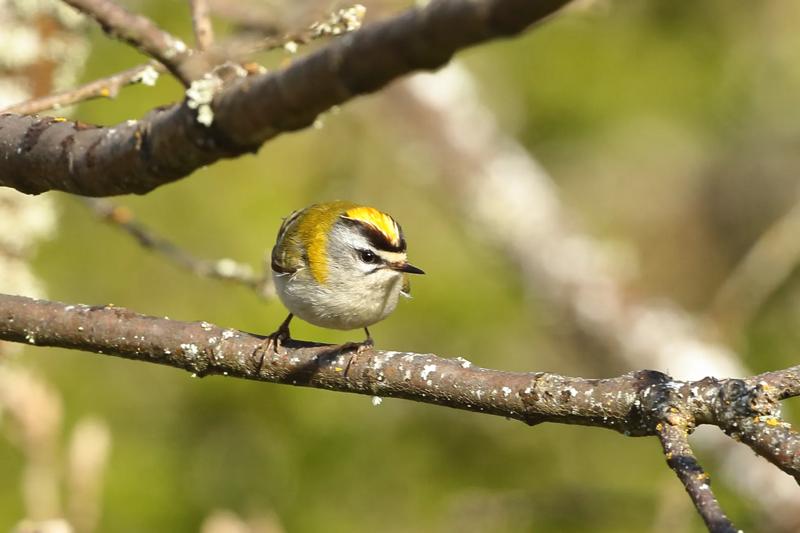
Common Firecrest
Great Cormorant
European Robin
Zitting Cisticola
Bar-tailed Godwit
Eurasian Linnet
Leader
Rick Wright
Primary Leader
Author and scholar who bridges history and field experience, inspiring birders through his books, lectures, and thoughtful approach to birds and their stories.
Read MoreMarco Valtriani
Marco Valtriani is a veteran birding guide and field biologist with more than two decades of experience exploring the landscapes, flora, and fauna of Mediterranean Europe. Based in his native Italy, he leads birding and natural history tours across the continent, combining deep ecological knowledge with insights into Europe’s history, culture, food, and wine to create rich, meaningful experiences for travelers.
Itinerary
Click here to download the 2027 itinerary PDF
Day 1
Evening departures from the United States for overnight flights to Brest, France.
Meals and rest aboard the plane.
Day 2
Arrive at Brest Bretagne Airport (BES) and transfer to our comfortable hotel near the city center.
Afternoon rest or short walk to stretch and enjoy the fresh Atlantic air.
Evening welcome dinner and orientation with your leader and group.
Day 3
Travel north through the scenic Finistère countryside toward the Iroise Sea.
Stop for birding en route in forest and farmland habitats for Crested Tit, Short-toed Treecreeper, and Common Buzzard.
Visit the historic Basilica of Notre Dame in Le Folgoët.
Arrive at our seaside hotel in Brignogan-Plages; explore nearby coastal paths and gardens for early migrant activity.
Day 4
Morning birding at the Bay of Goulven and Le Curnic for large numbers of shorebirds, including godwits, plovers, and curlews.
Scan tidal flats for Eurasian Spoonbill and passing ducks and geese.
Afternoon visit to Keremma dunes for Whinchats, pipits, and Cetti’s Warbler.
Dinner and overnight at our hotel.
Day 5
Visit rugged coastal headlands for seabirds moving south along the Atlantic migration route.
Watch for jaegers, kittiwakes, gannets, and shearwaters from scenic lookouts.
Visit nearby heathlands for Stonechat, Dartford Warbler, and Hen Harrier.
Return to the hotel mid-afternoon for rest or local birding on the grounds.
Day 6
Morning drive inland to explore farmland, hedgerows, and small wetlands for finches, thrushes, and migrating raptors.
Bird marshy meadows and small lakes for grebes, shovelers, and teal.
Afternoon cultural stop at the Neolithic standing stones of Men Marz or a local cider press (seasonal).
Return to Brignogan-Plages for dinner and checklist session.
Day 7
Explore a variety of migrant “trap” habitats near our base, including scrubby fields, gardens, and dune thickets.
Search for Red-breasted Flycatcher, Pallas’s Leaf Warbler, and Firecrest among mixed flocks.
Optional stop in a nearby fishing village for photography and local pastries.
Evening at leisure or optional dusk birding walk along the shore.
Day 8
Return to favorite birding sites for final looks at shorebirds and seabirds.
Visit local markets or historic sites, including the granite church of Saint Goulven.
Enjoy a relaxed afternoon with time for photography, the hotel spa, or coastal walks.
Farewell dinner featuring regional seafood and Breton specialties.
Day 9
Morning birding on the hotel grounds or nearby beach if time permits.
Transfer to Brest Bretagne Airport for return flights home, departing after 11:00 a.m.
What’s Included
Accommodations & Dining
Settle into comfortable accommodations with modern amenities. Enjoy freshly prepared meals that highlight local flavors and international favorites, with consideration for any dietary needs.
Guided Services & Gratuities
Experience each destination with the help of Leaders who share history, culture, and wildlife insights. Gratuities for crew and local guides are included, ensuring seamless service without extra concerns; tipping for your Leaders is discretionary and not included.
Active Essentials
Every tour includes the core elements that make our field experiences possible so you can stay engaged with a range of activities. All outings include the necessary equipment and full safety support, making it easy to join at your own pace.
Transportation & Logistics
We coordinate every transfer, from airport pickup to port boarding. Whether traveling by bus, boat, or charter, our team ensures smooth connections and stress-free travel.
FAQs
Similar Trips
Loading calendar...