


Difficulty
FALL MIGRATION ON THE NORTH SHORE
Northern India Highlights: Tigers, Taj & Birds
This spectacular journey across Northern India blends world-class wildlife viewing with the cultural treasures of one of the world’s great civilizations. From the semiarid landscapes of Rajasthan to the lush Himalayan foothills, we explore Ranthambore’s famed Tiger territory, the rich wetlands of Bharatpur, the Mughal masterpieces of Agra, and the forested valleys and uplands of Corbett and the Kumaon region. Tigers, Asian Elephants, Leopards, and an astonishing diversity of birds headline an itinerary that celebrates India’s ecological richness and timeless history—all while enjoying excellent accommodations, superb guiding, and one of Asia’s most varied natural environments.
Tour Overview
Feb 1–Feb 20, 2027
Northern India offers an unforgettable blend of wildlife spectacle, ancient history, and some of the most varied landscapes on the subcontinent. This immersive itinerary begins in New Delhi before carrying us into the semiarid lowlands of Rajasthan, where we settle into the heritage comfort of the Taj Vivanta Sawai Madhupur Lodge. For three full days, we explore Ranthambore National Park—one of India’s premier reserves and one of the finest places anywhere to observe wild Tigers. Rugged cliffs, dry forest, lakes, and rolling hills provide habitat for Jungle Bush-Quail, Painted Spurfowl, Chestnut-bellied Sandgrouse, and a vibrant array of mammals.
From here, we travel to the world-renowned wetlands of Keoladeo National Park (Bharatpur). This superb sanctuary supports a remarkable bird community, with wintering waterfowl, graceful Sarus Cranes, Black-necked Storks, Indian Skimmers, and an array of raptors and passerines. Nearby Chambal Wildlife Sanctuary offers chances for Gharial, river dolphins, and additional specialties. Our time in Agra includes sunrise at the Taj Mahal and exploration of Mughal landmarks including Agra Fort and the Tomb of Akbar the Great.
Turning north, we enter the Himalayan foothills and the lush forests of Corbett National Park—one of India’s greatest protected areas. Here, more than 550 bird species and an impressive assemblage of megafauna evoke the primeval richness of the Terai region. Great Hornbill, Great Slaty Woodpecker, Collared Falconet, and Brown Fish-Owl share this landscape with Asian Elephants, Goral, and the possibility of another Tiger encounter.
A final ascent into higher elevations brings us to boutique lodging overlooking the snow-capped Himalayan peaks. Quiet forests and crisp mountain air create ideal conditions for locating Cheer Pheasant, Nepal Cupwing, Pink-browed Rosefinch, and the highland treasures of the Sattal district.
This tour showcases Northern India at its very best—wild, historic, and profoundly inspiring.
Ecosystems Experienced
Northern India encompasses a sweeping mosaic of ecosystems, from the dry scrub and thorn-forest zones west of the Aravalli Range to the riverine wetlands and floodplain forests of the Gangetic Plain, and finally the subtropical broadleaf forests and mixed oak-conifer belt of the Himalayan foothills. Grasslands, lakes, and marshes support dense wintering waterfowl and cranes; riparian woodlands shelter hornbills, barbets, and woodpeckers; and foothill valleys transition to higher slopes where Himalayan endemics thrive. This ecological diversity, layered across dramatic changes in elevation and climate, creates one of the subcontinent’s richest regions for both mammals and birds.
Expected Climate
Temperature
February temperatures in Northern India are generally mild and pleasant. Daytime highs in the plains often reach the low to mid-70s °F, while nights cool to the high 40s to low 50s °F. Foothill regions and higher elevations can be markedly cooler, especially at dawn and dusk, where brisk morning air adds clarity to birding in open forests and hillsides.
Rainfall
Rainfall is minimal during this winter–early spring period. Clear, dry days dominate across the plains, while the Himalayan foothills may see occasional light mist or brief showers. Visibility is typically excellent, and wildlife viewing benefits from the drier season’s open vegetation.
Seasons
This tour occurs in late winter transitioning into early spring, a period marked by crisp mornings, comfortable afternoons, and clear skies. Vegetation is less dense than during monsoon months, resident birds are vocal, winter migrants are abundant, and mammals are especially visible in open habitats and along river systems.
Key Species
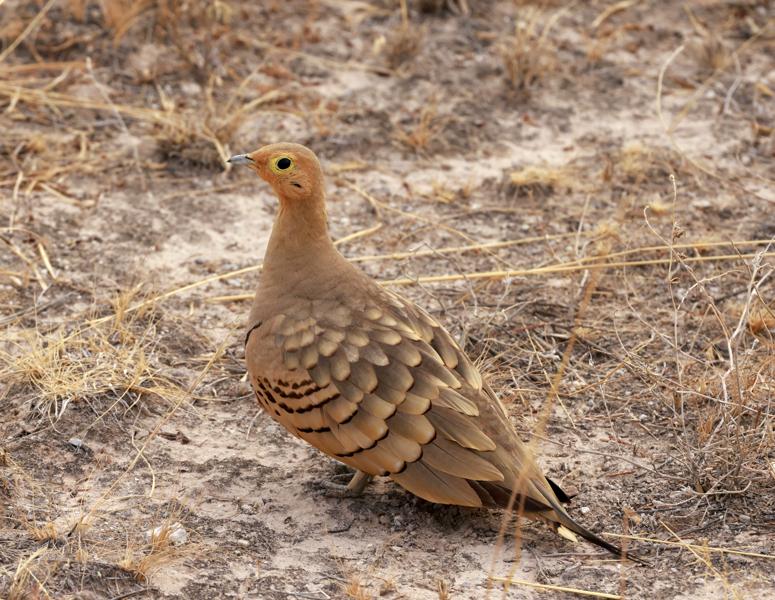
Chestnut-bellied Sandgrouse
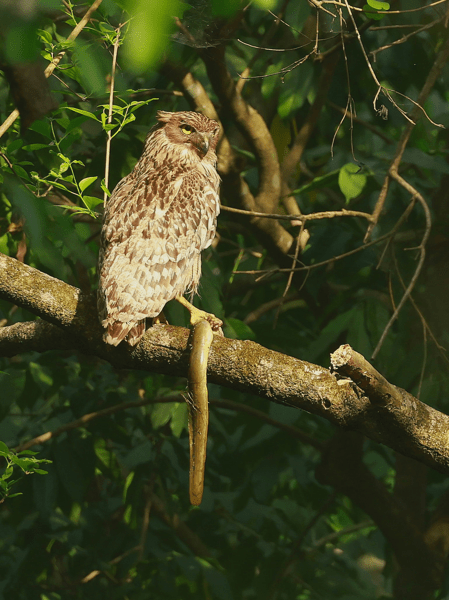
Brown Fish-Owl
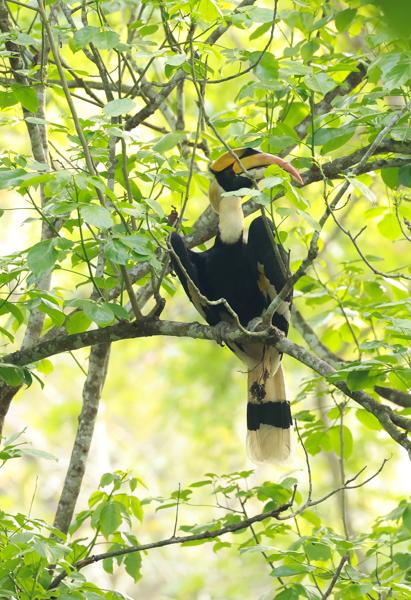
Great Hornbill
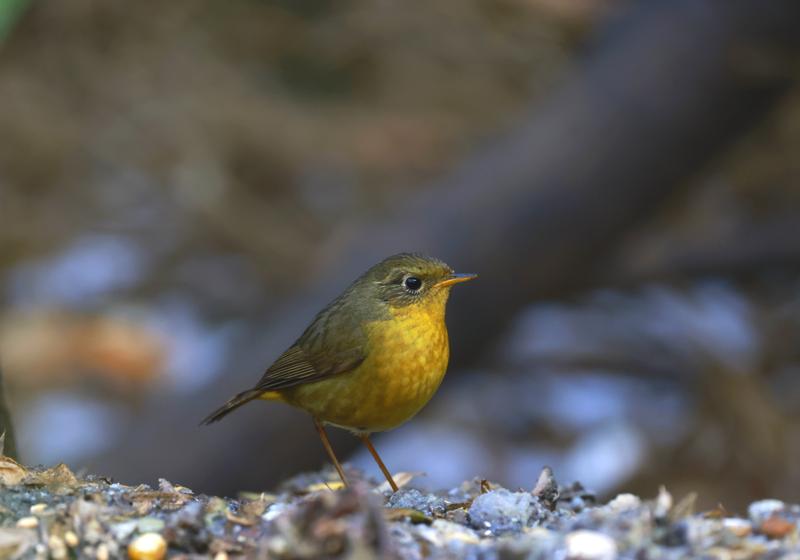
Golden Bush Robin
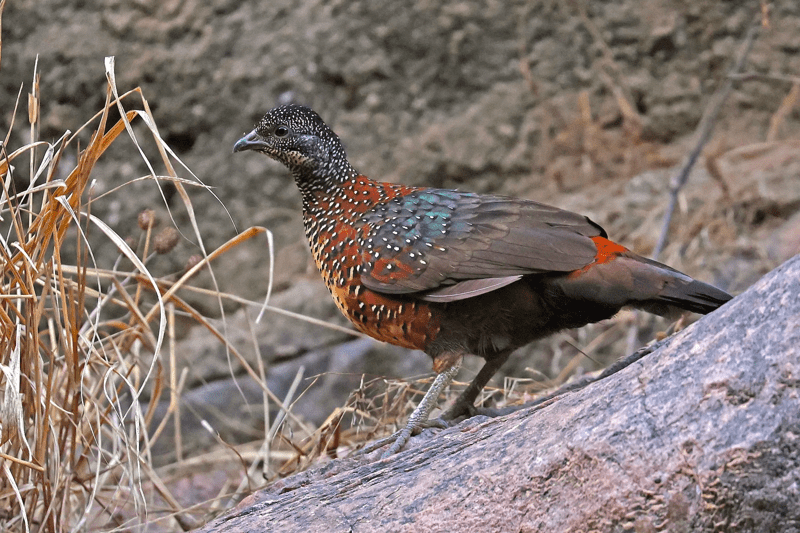
Painted Spurfowl
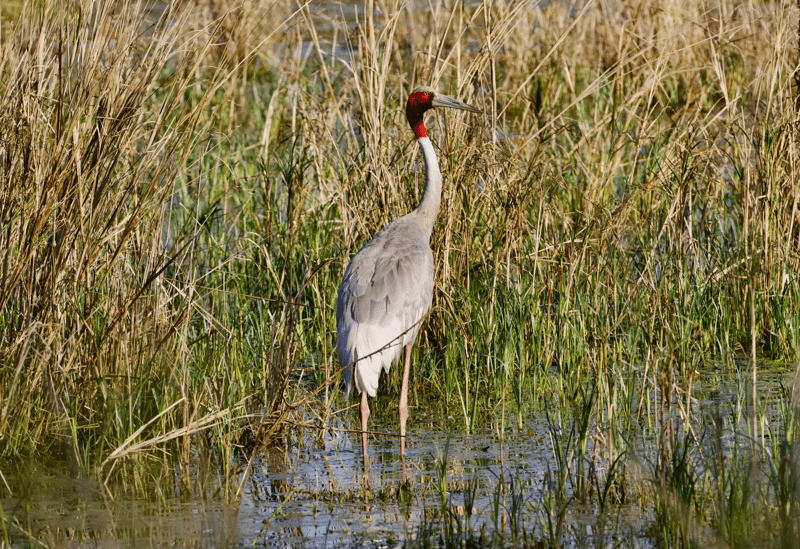
Sarus Crane
Leaders
Scott Baker
Primary Leader
Australian naturalist and tour leader with 30+ years of experience studying birds and wildlife across Australia and Southeast Asia.
Read MoreBarry Lyon
VENT Chief Executive Officer and longtime tour leader whose lifelong passion for birding, conservation, and leadership continues to shape the company’s mission and community.
Read MoreItinerary
Click here to download the 2027 itinerary PDF
Day 1
Depart the U.S. on your international flight to New Delhi, beginning your journey to India.
Day 2
Arrive in New Delhi, meet your local representative, and transfer to your hotel to settle in.
Gather in the evening for introductions with your tour leaders and a welcome dinner with the group.
Day 3
Drive from Delhi into rural Rajasthan, watching the landscape shift from busy city edges to villages, wetlands, and open countryside alive with birds.
Arrive at Ranthambore National Park and settle into Sawai Madhopur Lodge, with time to relax and enjoy casual birding in the gardens.
Day 4
Explore Ranthambore National Park on jeep safaris, moving through dry forest, lakes, and rugged terrain in search of its iconic wildlife, including the Bengal Tiger.
Watch for classic dry-country birdlife like Painted Spurfowl, Indian Courser, and Crested Bunting, along with soaring vultures overhead.
Day 5
Continue safaris through Ranthambore’s varied habitats, with time to explore forts, temples, and quieter corners of the park.
Look for additional sightings such as Indian Leopard, Sloth Bear, and a rich mix of woodland and scrub species across the landscape.
Day 6
Return to the park for final safaris, making the most of early morning and late-day wildlife activity.
Enjoy more chances for Tiger, raptors, and dry-zone specialties as Ranthambore’s landscapes shift with the light.
Day 7
Travel from Ranthambore to Bharatpur, passing deeper into Rajasthan before arriving at your heritage hotel near Keoladeo National Park.
Settle in and enjoy an introductory afternoon of birding in the park’s wetlands, grasslands, and acacia groves, rich with waterbirds and wildlife.
Day 8
Spend a full day exploring Keoladeo National Park, one of India’s most important wetlands and a wintering ground for vast numbers of migratory waterbirds.
Look for an incredible mix of species including cranes, storks, egrets, and raptors, along with woodland birds like Orange-headed Thrush and Marshall’s Iora.
Day 9
Continue birding across Bharatpur’s wetlands, grasslands, and scrub, with time to search quieter corners of the park.
Enjoy continued chances for standout sightings such as Sarus Crane, Painted Stork, Indian Spotted Eagle, and other elusive wetland specialties.
Day 10
Depart Bharatpur and explore the Chambal River by boat, a pristine sanctuary known for rare river wildlife like Gharials, River Dolphins, and Indian Skimmers.
Continue onward to Agra with birding stops along the way before arriving at your hotel in this historic Mughal city.
Day 11
Begin the day with a sunrise visit to the Taj Mahal, then explore Agra’s Mughal heritage with time at Agra Fort and the Tomb of Akbar.
Enjoy relaxed birding along the Yamuna River and time for local cuisine and sightseeing before returning to the Taj Mahal at sunset.
Day 12
Drive from Agra across the Gangetic Plain toward the Himalayan foothills, with a full day on the road and glimpses of rural northern India along the way.
Arrive in Ramnagar at the edge of Corbett National Park and settle into Jim’s Jungle Retreat, with a possible evening visit to the Kosi River for key river birds like Ibisbill and Kingfishers.
Day 13
Explore Corbett National Park’s forest and grassland landscapes along the Ramganga River, where misty mornings give way to one of northern India’s richest wildlife areas.
Watch for a wide range of birds and mammals, from Kalij Pheasant and Great Hornbill to Elephant, Deer, and—if luck is on our side—Tiger and Leopard.
Day 14
Continue birding deeper into Corbett’s varied habitats, following rivers, forest edges, and open clearings alive with early morning activity.
Look for standout species like Black Stork, Pallas’s Fish-Eagle, Jungle Owlet, and colorful songbirds moving through mixed flocks in the canopy.
Day 15
Depart Corbett and begin the scenic ascent into the Himalayan foothills, traveling toward the remote mountain village of Manila with sweeping views of the surrounding peaks.
Arrive at Vatsyayana Resort and settle in, with chances along the way for Himalayan specialties like pheasants, forktails, and other forest birds.
Day 16
Spend a full day birding the Himalayan foothills around Manila, starting with sunrise views and exploring rich montane forests alive with color and sound.
Search for regional specialties like Slaty-headed Parakeet, Himalayan woodpeckers, and mixed flocks featuring babblers, magpies, and rosefinches across the slopes.
Day 17
Travel from Manila to Bhimtal, winding through Himalayan roads with scenic stops and birding opportunities along the way.
Arrive in the lake district and settle into your hotel, with chances for Himalayan specialties like partridges, laughingthrushes, and mixed montane flocks.
Day 18
Spend a full day in the Sat Tal valley, exploring one of the most rewarding birding areas in the lower Himalayas with forested slopes and productive viewing hides.
Look for pheasants, magpies, woodpeckers, and lively mixed flocks of Himalayan songbirds, with time in the afternoon for relaxed birding and final sightings.
Day 19
Depart Bhimtal after breakfast and board the train from Kathgodam to New Delhi, traveling through the foothills and plains on a scenic return journey.
Arrive in New Delhi in the afternoon, transfer to your hotel, and gather for a final farewell dinner in the evening.
Day 20
Transfer to the airport for your departing flight home.
What’s Included
Accommodations & Dining
Settle into comfortable accommodations with modern amenities. Enjoy freshly prepared meals that highlight local flavors and international favorites, with consideration for any dietary needs.
Guided Services & Gratuities
Experience each destination with the help of Leaders who share history, culture, and wildlife insights. Gratuities for crew and local guides are included, ensuring seamless service without extra concerns; tipping for your Leaders is discretionary and not included.
Active Essentials
Every tour includes the core elements that make our field experiences possible so you can stay engaged with a range of activities. All outings include the necessary equipment and full safety support, making it easy to join at your own pace.
Transportation & Logistics
We coordinate every transfer, from airport pickup to port boarding. Whether traveling by bus, boat, or charter, our team ensures smooth connections and stress-free travel.
FAQs
Similar Trips
Loading calendar...