

Difficulty
CANYONS, PINES AND SAGE
Spring in the Washington Cascades
This relaxed and easy spring tour showcases the scenic diversity of Washington’s east-side Cascades. Based for four nights in the charming town of Leavenworth, you explore forests, canyons, sagebrush steppe, beaver wetlands, and mountain passes, all bursting with late spring birdlife and wildflowers. Icicle Creek, Entiat Canyon, Stevens Pass, and surrounding foothills provide close views of species such as White-headed Woodpecker, Calliope Hummingbird, Lazuli Bunting, Varied Thrush, and Harlequin Duck. With gentle walks, beautiful scenery, excellent food, and moderate weather, this tour offers some of the richest spring birding in the Pacific Northwest with the ease of a single primary lodging.
Tour Overview
Jun 2–Jun 8, 2027
Jun 5–Jun 11, 2028
Late spring brings color, birdsong, and warm sunlight to the eastern slopes of Washington’s Cascade Range. This tour embraces the scenic contrast between mountain canyons, pine forests, sagebrush flats, and cool stream corridors, all explored at a relaxed pace ideal for savoring both the birdlife and the natural setting. Days begin unhurriedly, with comfortable mornings and evenings at a riverside lodge in Leavenworth, a Bavarian-themed town tucked beneath steep granite peaks.
Your journey begins in Seattle, where you sample West-side specialties at Seward Park before crossing Snoqualmie Pass. As you transition eastward, new habitats appear rapidly. Moist conifer forest gives way to drier ponderosa pine hillsides filled with Western Tanager, Cassin’s Vireo, Hammond’s Flycatcher, and Evening Grosbeak. As the slopes open into rolling grasslands, Mountain and Western Bluebirds, Vesper Sparrow, Bullock’s Oriole, and Black-billed Magpie become familiar companions.
The heart of the tour unfolds in Leavenworth, where balcony views overlook the Wenatchee River and early morning walks reveal Pygmy Nuthatch, White-headed Woodpecker, and Violet-green Swallow. Icicle Creek offers American Dippers, Harlequin Ducks, and a mix of east-side and west-side forest species such as Chestnut-backed Chickadee, Townsend’s Warbler, and Western Tanager.
A full day in the Entiat Mountains takes you from sagebrush at the Columbia River to mixed conifer forest and aspen-rimmed beaver ponds. Here, possibilities include Lazuli Bunting, Yellow-breasted Chat, Calliope Hummingbird, Northern Pygmy-Owl, Say’s Phoebe, Cassin’s Finch, Veery, and Rock and Canyon Wrens. Other outings to Stevens Pass, Snoqualmie Pass, and the higher Wenatchee Mountains add chances for Canada Jay, Varied Thrush, Williamson’s Sapsucker, and Fox Sparrow.
Farther afield, sage country offers nesting Sagebrush Sparrow, Sage Thrasher, Brewer’s Sparrow, and Western Meadowlark, along with Wilson’s Snipe and Long-billed Curlew in irrigated fields. With comfortable accommodations, gentle outings, and beautiful landscapes at every turn, this tour highlights the best of spring birding in the Cascades.
Ecosystems Experienced
The east-side Cascades blend moist conifer forest, ponderosa pine woodland, mixed conifers, riparian corridors, aspen bogs, sagebrush steppe, hayfields, and canyon cliffs. This variety supports White-headed Woodpecker, Northern Pygmy-Owl, Varied Thrush, Lazuli Bunting, Harlequin Duck, Williamson’s Sapsucker, and many spring migrants and wood-nesting species.
Expected Climate
Temperature
Late spring temperatures typically range from the 50s to low 80s F, with cooler mornings near higher passes. Mountain areas can dip into the 40s, especially at dawn. Layers are essential for shifting conditions across elevations.
Rainfall
Precipitation varies by elevation. Light showers or brief storms are possible, especially at higher passes, while the east slopes are often drier and sunnier. Conditions may shift from sun to clouds to mist over the course of a single outing.
Seasons
Early June offers peak diversity across habitats. Wildflowers line roadside banks, woodpeckers feed young, and flycatchers, wrens, and thrushes sing vigorously. Sagebrush species display, and forest birds remain active throughout long daylight hours.
Previous Field Reports
Key Species
White-headed Woodpecker
American Dipper
Black-headed Grosbeak
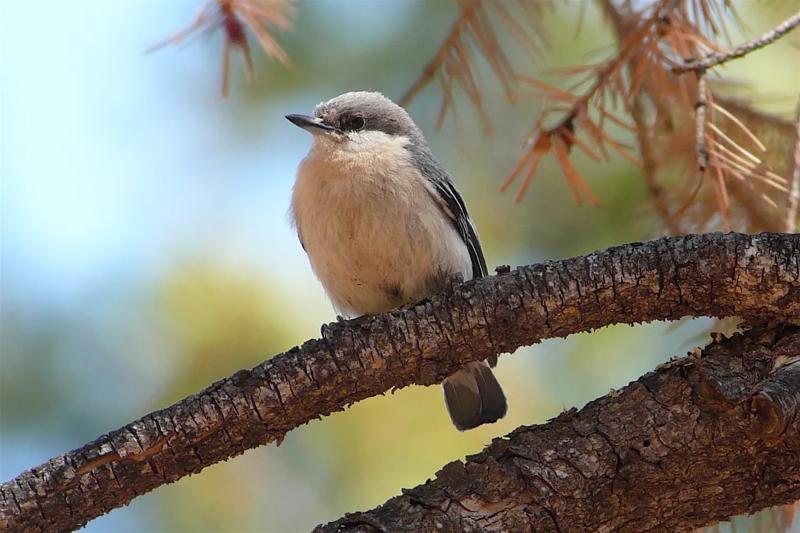
Pygmy Nuthatch
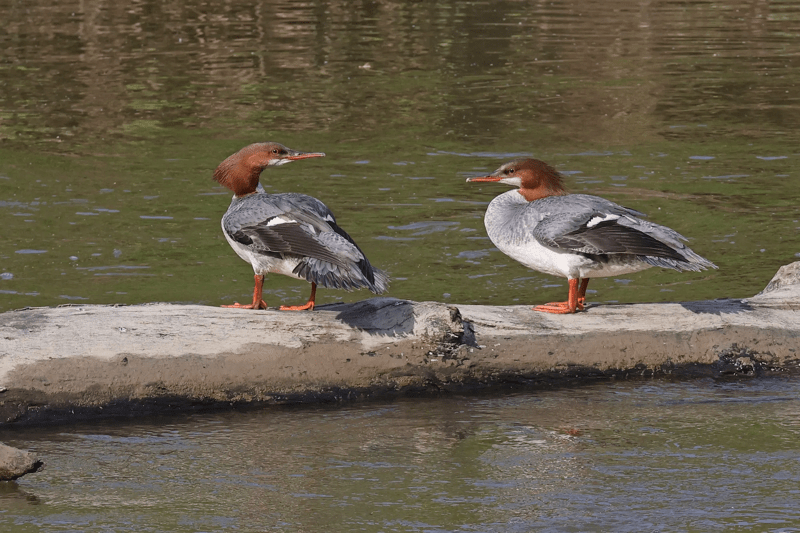
Common Merganser
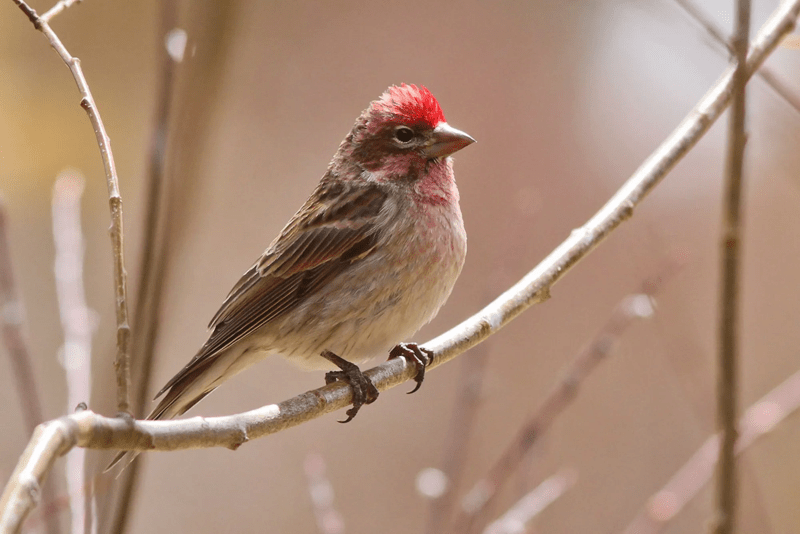
Cassin's Finch
Leader
+ Additional VENT Leader
Kevin Burke
Primary Leader
Virginia-born birder and ecotourism guide with 20 years of experience leading tours across the Americas, inspiring connection with nature through exploration and discovery.
Read MoreItinerary
Click here to download the 2027 itinerary PDF
Day 1
Travel to and arrive in Seattle and settle into the Seattle Airport Marriott, a comfortable and convenient base for the start of your Cascades journey.
Meet your leaders and fellow travelers for an orientation and a relaxed dinner.
Enjoy an easy evening with time to prepare for tomorrow’s scenic crossing of the Cascade Mountains.
Day 2
Begin with West-side birding at Seward Park for Western Flycatcher, Chestnut-backed Chickadee, and early forest sounds along Lake Washington.
Cross Snoqualmie Pass and descend into the sunny east slopes for sightings of Red-breasted Sapsucker, Varied Thrush, Vaux’s Swift, and warblers along clear mountain streams.
Arrive in Leavenworth and settle into the Bavarian Lodge, your riverside base for the next four nights.
Day 3
Start the morning with balcony views and nearby forest walks for White-headed Woodpecker, Pygmy Nuthatch, and early songbirds.
Explore Icicle Creek for American Dipper, Harlequin Duck, and a blend of east-side and west-side forest specialties along rushing water.
Bird canyon roadsides for Townsend’s Warbler, Western Tanager, Cassin’s Vireo, and Violet-green Swallow.
Day 4
Follow the canyon from the rocky Columbia River up through sagebrush, hayfields, ponderosa pine, and mixed conifers to aspen-edged beaver ponds.
Search for Lazuli Bunting, Yellow-breasted Chat, Calliope Hummingbird, Northern Pygmy-Owl, Say’s Phoebe, and spring migrants across shifting habitats.
Scan cliffs and pines for Chukar, Red Crossbill, Veery, Golden Eagle, and Cassin’s Finch.
Day 5
Explore the Wenatchee Mountains for Williamson’s and Red-naped Sapsuckers, Lincoln’s Sparrow, and Dusky and Hammond’s Flycatchers.
Visit cool conifer forests and riparian habitats for Canada Jay, Varied Thrush, Fox Sparrow, Townsend’s Warbler, and Olive-sided Flycatcher.
Enjoy sweeping mountain views while watching for Evening Grosbeak, Purple Finch, and other late-spring forest birds.
Day 6
Journey into sage country for nesting Mountain and Western Bluebirds, Sagebrush Sparrow, Sage Thrasher, Brewer’s Sparrow, and Western Meadowlark.
Explore irrigated fields and wet meadows where Wilson’s Snipe and Long-billed Curlew display along open fencelines.
Return to the Seattle Airport Marriott for a farewell dinner and final checklist session.
Day 7
Enjoy a final breakfast before heading to SeaTac for your flight home.
What’s Included
Accommodations & Dining
Settle into comfortable accommodations with modern amenities. Enjoy freshly prepared meals that highlight local flavors and international favorites, with consideration for any dietary needs.
Guided Services & Gratuities
Experience each destination with the help of Leaders who share history, culture, and wildlife insights. Gratuities for crew and local guides are included, ensuring seamless service without extra concerns; tipping for your Leaders is discretionary and not included.
Active Essentials
Every tour includes the core elements that make our field experiences possible so you can stay engaged with a range of activities. All outings include the necessary equipment and full safety support, making it easy to join at your own pace.
Transportation & Logistics
We coordinate every transfer, from airport pickup to port boarding. Whether traveling by bus, boat, or charter, our team ensures smooth connections and stress-free travel.
FAQs
Similar Trips
Loading calendar...