
Difficulty
A RELAXED & EASY TOUR
West Texas Fall Migration
This gentle-paced tour showcases the richness of September bird migration in far West Texas and southern New Mexico—an ideal introduction to western birding without long hikes or hotel changes. Using El Paso as our single base, we explore oases, riparian corridors, desert scrub, and sky-island foothills where western flycatchers, vireos, warblers, sparrows, and buntings move south in exceptional diversity. Resident southwestern specialties—from Greater Roadrunner to Crissal Thrasher—add to the excitement, while shorebirds gather on any available water in impressive variety. With warm weather, easy terrain, and peak butterfly diversity, this tour blends relaxed exploration with outstanding opportunities to study migration up close.
Starting At
Reserve Now—Pricing Coming Soon
5 Days

5 Days
12 Guests

Pace
Advance Booking Notice
This tour is currently open for reservations, though final pricing has not yet been published. Guests may secure a place on the departure by submitting the initial deposit. Full details are available in the FAQs.
Tour Overview
Sep 13–Sep 18, 2027
Sep 4–Sep 9, 2028
September in far West Texas is a season of abundance, when western migrants funnel south through desert canyons, river corridors, and sky-island foothills. This new Relaxed & Easy tour embraces that spectacle at a comfortable pace, offering rich birding without strenuous walking or daily hotel changes. From a single base in El Paso, we explore an appealing mix of habitats that host both migrating songbirds and a suite of charismatic southwestern residents.
Migrant traps—spring-fed oases, shaded canyons, and patches of riparian woodland—serve as rest stops for flycatchers, vireos, warblers, and sparrows moving southward. Western, Dusky, Hammond’s, and Gray flycatchers are regular, as are Cassin’s, Plumbeous, and “Western” Warbling vireos. Warbler diversity peaks in mid-September, with MacGillivray’s, Townsend’s, Virginia’s, Orange-crowned, and Black-throated Gray all possible. Brushy edges may hold Lark, Brewer’s, and Clay-colored sparrows, while buntings—Lazuli, Painted, and the occasional Lark Bunting—add bright color to the scene.
Any body of water in this semi-arid region becomes a magnet for migrating shorebirds. A day’s birding can produce American Avocet, Black-necked Stilt, Baird’s and Stilt sandpipers, Long-billed Curlew, Wilson’s and Red-necked phalaropes, and an array of “peeps” ideal for careful study. Resident specialties enrich the mix: Greater Roadrunner darting across desert flats, Gambel’s and Scaled quail slipping through scrub, Neotropic Cormorant at wetlands, and Rock, Canyon, and Cactus wrens working cliffs and washes.
September also brings surprises—rare eastern warblers, unexpected gulls or shorebirds, or early montane irruptions—ensuring each day feels fresh and full of possibility. With warm weather, easy walking, good food, and consistently excellent birding, this relaxed exploration of West Texas offers an inviting blend of comfort and discovery.
Ecosystems Experienced
The tour moves through a compact yet remarkably diverse slice of the Chihuahuan Desert and its associated habitats. Riparian corridors along the Rio Grande support dense vegetation where migrants concentrate, while desert scrub and open grasslands host regional specialties such as Greater Roadrunner, Curve-billed Thrasher, and Black-throated Sparrow. Nearby sky-island foothills rise into mixed juniper-oak woodlands and shaded canyon creeks, areas that attract Painted Bunting, Canyon Wren, and late-season hummingbirds. Shorebird habitat appears wherever water pools—reservoir edges, flooded fields, or ephemeral ponds—drawing phalaropes, sandpipers, and stilts. This blend of desert, riparian, and montane ecosystems creates a dynamic migration crossroads rich in western diversity.
Expected Climate
Temperature
Days are warm and pleasant, typically reaching the upper 70s to 80s °F, with cooler mornings and evenings in the 50s–60s °F. Dry air and light breezes make conditions comfortable throughout the day.
Rainfall
Rainfall is minimal in mid-September, though occasional brief showers or a passing front may bring light rain. Storms tend to be short-lived and rarely disrupt birding for long.
Seasons
Mid-September sits at the heart of the region’s autumn migration period. Vegetation in the desert lowlands is beginning to dry, while riparian zones and canyon habitats remain green and inviting to migrants. Lower humidity, warm daylight hours, and active bird movement create ideal conditions for relaxed exploration and wildlife viewing.
Key Species
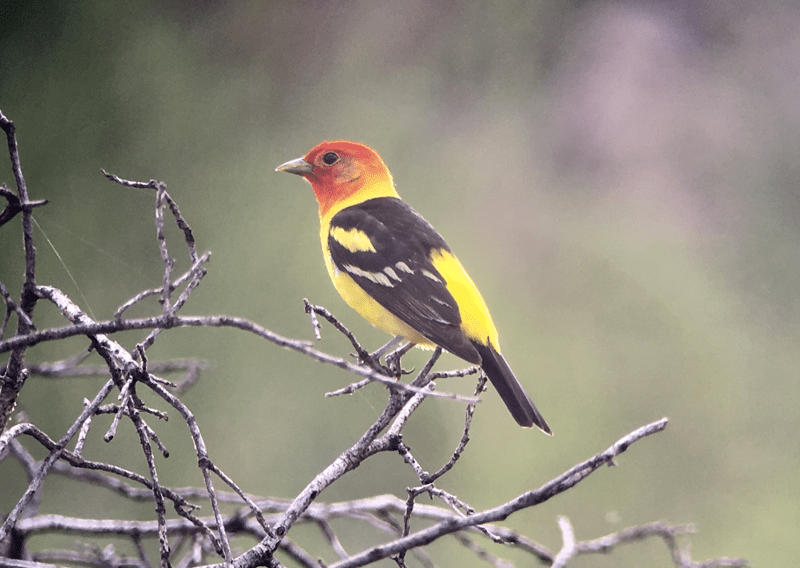
Western Tanager
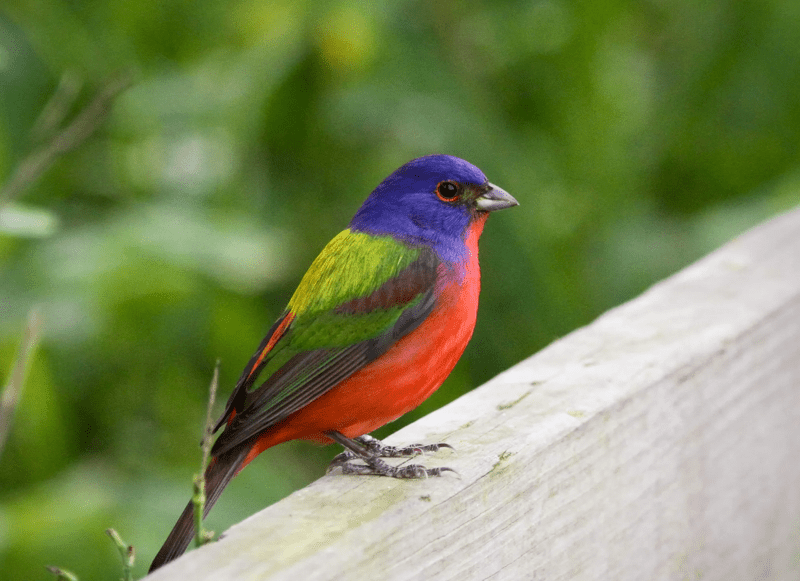
Painted Bunting
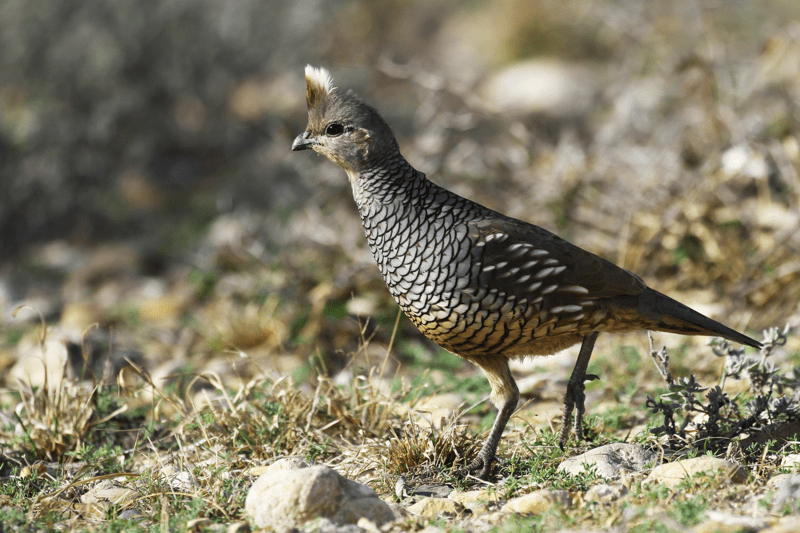
Scaled Quail
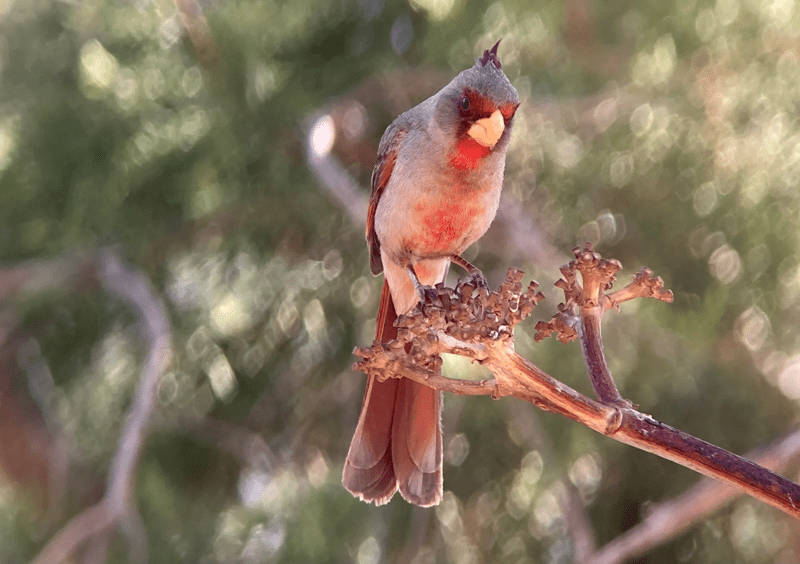
Pyrrhuloxia
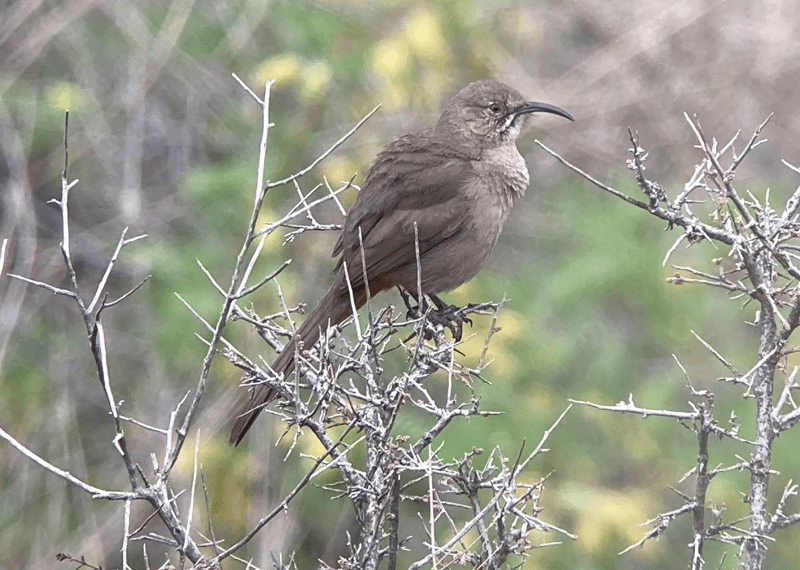
Crissal Thrasher
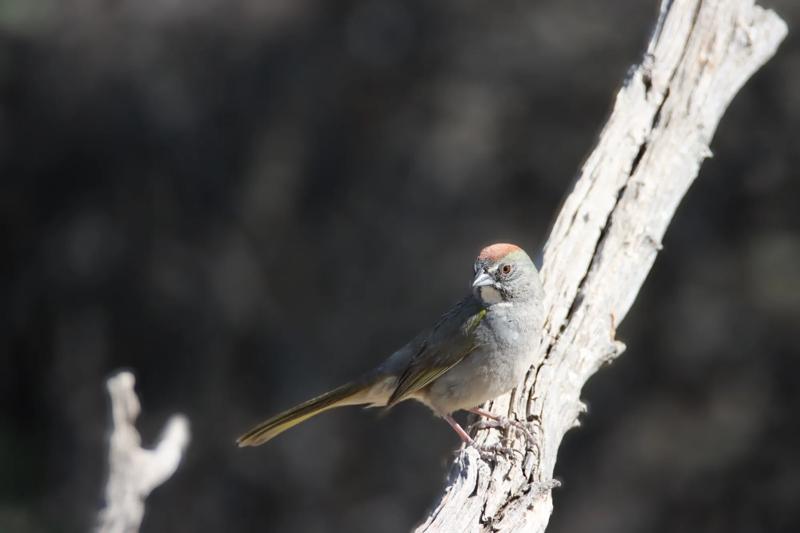
Green-tailed Towhee
Leader
+ Additional VENT Leader
Barry Zimmer
Primary Leader
Veteran birder, author, and photographer with global experience, deep expertise in North and Central American birds, and a lifelong passion for documenting the natural world.
Read MoreItinerary
Itinerary Map and Daily Itinerary — Coming Soon
What’s Included
Accommodations & Dining
Settle into comfortable accommodations with modern amenities. Enjoy freshly prepared meals that highlight local flavors and international favorites, with consideration for any dietary needs.
Guided Services & Gratuities
Experience each destination with the help of Leaders who share history, culture, and wildlife insights. Gratuities for crew and local guides are included, ensuring seamless service without extra concerns; tipping for your Leaders is discretionary and not included.
Active Essentials
Every tour includes the core elements that make our field experiences possible so you can stay engaged with a range of activities. All outings include the necessary equipment and full safety support, making it easy to join at your own pace.
Transportation & Logistics
We coordinate every transfer, from airport pickup to port boarding. Whether traveling by bus, boat, or charter, our team ensures smooth connections and stress-free travel.
FAQs
Similar Trips
Loading calendar...