
Difficulty
Sights & Sounds in the Snowfall
Japan in Winter
Japan in winter offers one of the world’s most spectacular wildlife experiences. From the rugged shores of Hokkaido to the forests and wetlands of Honshu, this tour reveals dramatic landscapes alive with cranes, eagles, swans, and wintering waterbirds. We will witness dancing Red-crowned Cranes, soaring Steller’s Sea-Eagles, immense gatherings of waterfowl, and the quiet beauty of snow-covered forests. Charming villages, soothing hot springs, and exquisite cuisine add cultural richness to each day. With comfortable accommodations, short transfers, and exceptional photographic opportunities, this journey provides a superb introduction to the magic of a Japanese winter.
26 Days left to Register
Starting At
$15,665 per person
17 Days

17 Days
9 Guests

Pace
Tour Overview
Jan 13–Jan 30, 2027
Jan 13–Jan 28, 2028
Japan’s winter season is among the most extraordinary natural spectacles in the Northern Hemisphere. As cold winds sweep across the Sea of Okhotsk and snow blankets the archipelago, vast flocks of waterfowl, cranes, and eagles arrive from the northern tundra, transforming the wetlands and coasts into a vibrant winter wildlife refuge. This tour brings together the best of Japan’s birdlife, landscapes, and cultural traditions during this remarkable time of year.
Our journey begins in Tokyo before heading north to the scenic offshore waters of the Pacific, where alcids, loons, and wintering seabirds patrol deep blue currents. On Hokkaido, Japan’s northern island, we experience a true winter wonderland. Snow-covered river valleys host the world’s largest concentration of Steller’s Sea-Eagles and White-tailed Eagles, while the forests hold specialties such as Hazel Grouse, Black Woodpecker, and Ural Owl. The world-famous dancing displays of Red-crowned Cranes highlight our days in the Kushiro wetlands, where these elegant birds gather in serene, mist-filled floodplains.
Farther south on Honshu, the volcanic lakes of the Japanese Alps host gatherings of Whooper Swans and dabbling ducks, while nearby mountain forests shelter Varied Tits, Pygmy Woodpeckers, and endemic Japanese specialties. We also visit coastal sites rich with wintering gulls, shorebirds, and sea ducks. Evenings bring traditional inns, relaxing hot springs, and exquisite Japanese cuisine featuring local seafood and mountain produce.
With short drives, comfortable lodging, and a relaxed pace, this itinerary blends wildlife, scenery, and cultural experiences into an unforgettable winter journey through one of the world’s most captivating destinations.
Ecosystems Experienced
Japan’s winter environments span coastal seas rich with marine life, frozen river systems, snow-laden boreal forests, volcanic lakes, alpine foothills, and temperate woodlands. Hokkaido’s open plains and clear rivers provide ideal habitat for cranes and eagles, while Honshu’s forests shelter regional endemics and resident passerines. Offshore currents support a diverse array of alcids, loons, and wintering seabirds. Together, these ecosystems create one of the most dynamic winter wildlife regions in Asia.
Expected Climate
Temperature
Expect cold to very cold conditions throughout the tour. Northern Japan (Hokkaido) typically ranges from 5 to 25 degrees Fahrenheit, with colder wind chills. Central Honshu is somewhat milder, generally 20 to 40 degrees Fahrenheit. Coastal areas may feel colder due to wind exposure.
Rainfall
Winter is generally dry across northern Japan, though light snowfall is frequent. Weather can shift quickly, especially along coasts and mountain passes. Occasional snow showers or flurries should be expected, most commonly in Hokkaido and the Japanese Alps.
Seasons
The tour takes place during midwinter, when migratory eagles, cranes, and waterfowl are present in peak numbers. Snow cover is widespread, offering the best viewing and photographic conditions for Japan’s iconic winter wildlife.
Previous Field Reports
Key Species
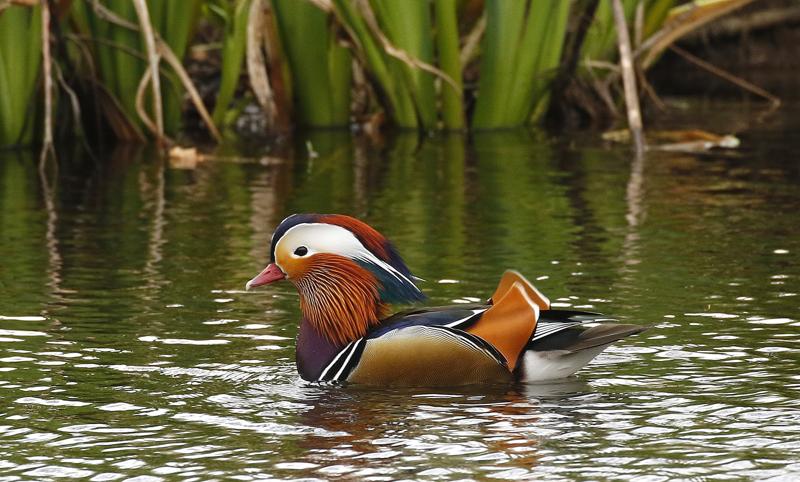
Mandarin Duck
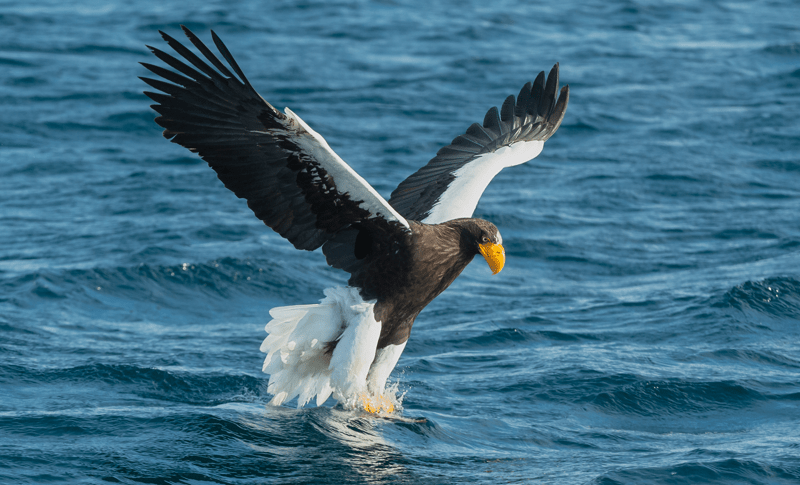
Steller's Sea-Eagle
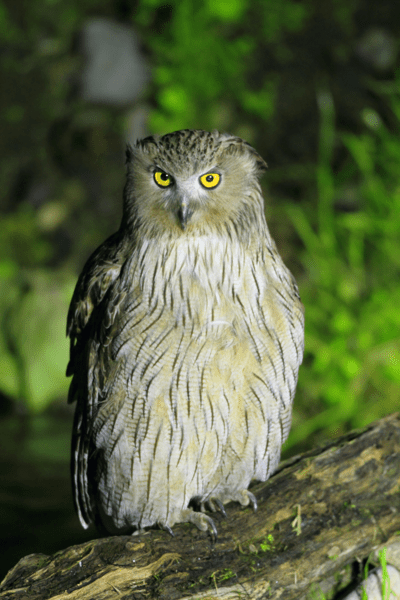
Blakiston's Fish-Owl
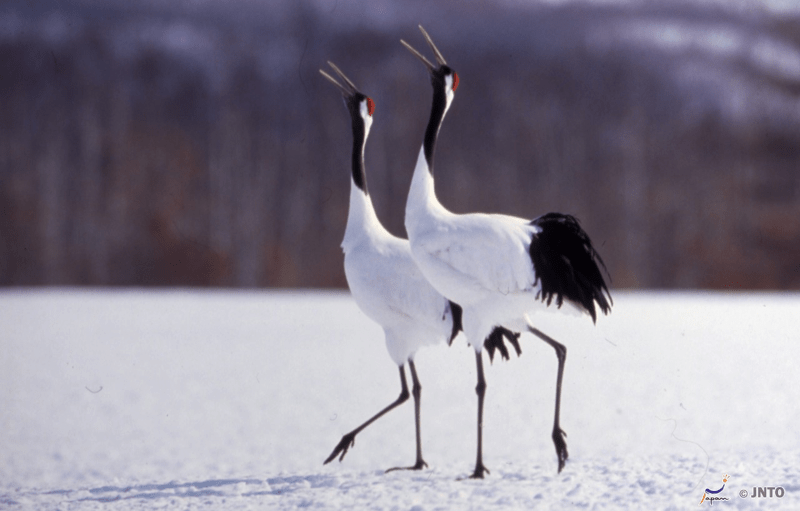
Red-crowned Crane
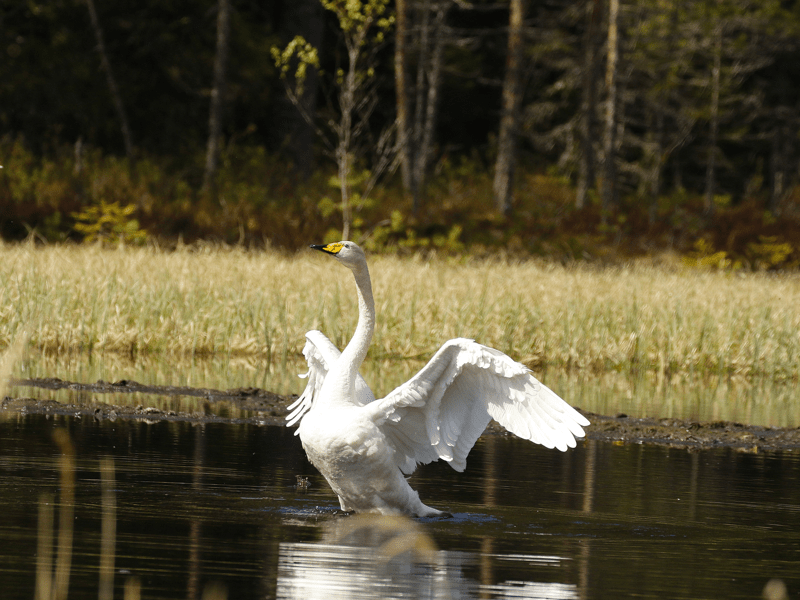
Whooper Swan
Japanese Waxwing
Leader
Mark Brazil
Dr. Mark Brazil is an ornithologist, author, and expedition leader with decades of experience guiding wildlife-focused journeys across the globe. Based in Hokkaidō, Japan, he is renowned for his expertise in East Asian birdlife and his extensive writings on Japan’s natural history. A lecturer and conservation biologist, Mark inspires travelers through exploration, research, and education in nature’s diversity.
Mayumi Brazil
Born and educated in Hokkaidō, Japan, Mayumi Brazil is a National Government Licensed Interpreter Guide with extensive experience in travel, culture, and expedition guiding. She has worked with leading international companies and co-led wildlife-focused expeditions worldwide. Passionate about sharing Japanese culture, Mayumi blends organization, insight, and hospitality to create meaningful, cross-cultural travel experiences.
Itinerary
Click here to download the 2027 itinerary PDF
Day 1
Depart from various airports across the United States on one of several nonstop flights to Tokyo.
Overnight in transit as we make our way to Japan.
Day 2
Arrive at Tokyo’s Haneda International Airport (HND), clear immigration and customs, and take the courtesy shuttle to our airport-area hotel.
Meet in the hotel lobby at 7:00 p.m. for an orientation briefing followed by dinner.
Day 3
After an early breakfast, travel east to a series of wetlands, including Japan’s second-largest lake, in search of wintering waterfowl such as Whooper Swan, Taiga Bean Goose, Baikal Teal, and Smew.
Explore lakeside reed beds and agricultural areas for wintering raptors, with possibilities including Eastern Marsh-Harrier, Hen Harrier, and Merlin.
Day 4
Take an early flight to Miyazaki in southeastern Kyūshū, then explore the woodlands around Miike, a volcanic crater lake within Kirishima-Kinkowan National Park.
Bird the lush evergreen forests for winter woodland species, with highlights including Japanese Pygmy Woodpecker, Red-flanked Bluetail, and Olive-backed Pipit.
Explore the lake for wintering waterfowl, with a chance for Mandarin Ducks and, if we’re lucky, the impressive Crested Kingfisher.
Day 5
Continue across Kyūshū to the west coast, making stops along the way to search wetlands and rice fields for Long-billed Plover, Mandarin Ducks, Common Kingfisher, and wintering passerines.
Explore coastal woodlands and cliffs for species such as Japanese Green Pigeon, Ryukyu Minivet, Japanese Bush Warbler, and Blue Rock-Thrush, while scanning offshore for seabirds.
Arrive in Izumi in time to witness the spectacular gathering of thousands of White-naped and Hooded Cranes returning to their nighttime roost at Arasaki.
Day 6
Begin with a pre-breakfast visit to the crane fields at Arasaki, watching thousands of cranes leave their roost for the day. More than 15,000 cranes gather here each winter, with White-naped and Hooded Cranes dominating the spectacle.
Explore nearby rivers, reservoirs, reed beds, forests, and farmland in search of Green Pheasant, Daurian Redstart, buntings, and other wintering birds.
Day 7
Make a final pre-breakfast visit to the crane fields before heading north toward Saga. Along the way, stop at river mouths and coastal wetlands for Common Shelduck, Saunders’s Gull, and other wintering waterbirds.
Explore the surrounding reed beds and rice fields for shorebirds, sparrows, Bramblings, and any passing raptors, with a chance for the rare Black-faced Spoonbill.
Arrive in Saga and settle in at the Shikisai Hotel Chiyodakan for the evening.
Day 8
Make a final morning visit to the coastal wetlands, searching for additional shorebirds and wintering species we may not have seen, including Far Eastern Curlew and Common Redshank.
After a late-morning flight to Komatsu, explore local habitats for wintering geese and swans, with possibilities including Greater White-fronted Goose, Taiga Bean Goose, and Bewick’s Swan.
Look for additional waterfowl such as Falcated Duck and Common Pochard before settling in at Kohan no Yado Morimoto.
Day 9
Spend the morning searching local wetlands and coastal sites for Asian waterfowl and coastal birds, with possibilities including Pacific Diver, Japanese Cormorant, and Pacific Reef Heron.
Explore rice fields for Gray-headed Lapwing before beginning our afternoon drive toward Kambayashi Onsen, keeping watch for Eastern Buzzard and other roadside birds along the way.
Arrive at Senjukaku in time to enjoy a relaxing evening and the area’s wonderful hot springs.
Day 10
Take a pre-breakfast stroll near the hotel before walking to the famous hot spring where Snow Monkeys gather. Enjoy their antics while keeping watch for the elusive Japanese Serow in the surrounding forest.
Afterward, travel toward Karuizawa, stopping along the Chikuma River to search for Long-billed Plover and Japanese Wagtail, with a chance for Azure-winged Magpie.
Visit a nearby reservoir for wintering waterfowl, including Smew, before settling in at Hotel Otowa No Mori.
Day 11
Spend a full day exploring the forests around Karuizawa, home to a variety of Japanese and East Asian specialty birds. We’ll search for woodpeckers, Japanese Bush Warbler, Red-flanked Bluetail, and other winter residents.
Keep watch for some of the area’s more exciting possibilities, including the gorgeous Copper Pheasant, Japanese Waxwing, and Pallas’s Rosefinch.
Return to Hotel Otowa No Mori for another night in Karuizawa.
Day 12
Depart Karuizawa and travel toward Haneda, taking in the beautiful mountain and forest scenery of the Myogi Mountains along the way.
Stop at a local forest reserve for some final birding, with possibilities including Japanese Woodpecker, Goldcrest, and Japanese Grosbeak, plus a chance for Japanese Accentor or Mountain Hawk-Eagle.
Arrive at the Haneda Excel Hotel Tokyu in preparation for our flight to Hokkaidō.
Day 13
Fly from Haneda to Kushiro, then spend the day at Tsurui’s feeding sites enjoying close views of the magnificent Red-crowned Cranes as they call and perform their courtship dances.
Visit viewpoints overlooking Kushiro Wetland National Park, keeping watch for White-tailed and Steller’s Sea Eagles and, with luck, overwintering Ural Owls.
If weather permits, enjoy views of the Akan volcanoes and look for Japanese Deer and Red Foxes in the snowy landscape before settling in at Hotel Taito.
Day 14
Begin with a pre-breakfast visit to a local river where Red-crowned Cranes roost, offering a beautiful chance to see them standing amid the rising mist. We may also spot sea-eagles or Crested Kingfisher.
Travel north through the dramatic scenery of Akan–Mashu National Park, visiting Lake Mashu, Iwo-zan, and Lake Kussharo.
At Lake Kussharo, enjoy close views of Whooper Swans and explore the surrounding woods for northern forest birds, including woodpeckers and Eurasian Jay.
Day 15
Head to the coast and Shiretoko Peninsula National Park, beginning with an early morning boat trip on the Nemuro Channel before exploring the Notsuke Peninsula and the harbor at Rausu.
End the day at our family-run inn in Yoroushi, where we’ll enjoy a traditional Japanese dinner and keep watch after dark for the incredibly rare Blakiston’s Fish-Owl, which sometimes visits the feeding site near the inn.
Day 16
Begin with some morning birding at our inn’s feeders before driving southeast for a full day of coastal birding around Lake Furen, the Nemuro Peninsula, Cape Nosappu, and nearby harbors.
Search the coast for Spectacled Guillemot and other seabirds, with a chance for Least Auklet, Ancient Murrelet, and Pacific Loon depending on conditions.
Return to Yoroushi for a second night at Yuyado Daiichi, with another opportunity to see the spectacular Blakiston’s Fish-Owl.
Day 17
Spend our final morning in Yoroushi birding along the riverside and around the inn’s feeders, with highlights including Crested Kingfisher, Brown Dipper, and the local white-headed race of Long-tailed Tit.
On the way to Kushiro Airport, make one final stop to enjoy excellent photographic opportunities with Red-crowned Cranes before flying back to Tōkyō.
Gather this evening for a farewell dinner and reminisce about our winter birding adventure in Japan.
Day 18
Depart Japan at your leisure, keeping in mind that Haneda and Narita airports are quite far apart.
What’s Included
Accommodations & Dining
Settle into comfortable accommodations with modern amenities. Enjoy freshly prepared meals that highlight local flavors and international favorites, with consideration for any dietary needs.
Guided Services & Gratuities
Experience each destination with the help of Leaders who share history, culture, and wildlife insights. Gratuities for crew and local guides are included, ensuring seamless service without extra concerns; tipping for your Leaders is discretionary and not included.
Active Essentials
Every tour includes the core elements that make our field experiences possible so you can stay engaged with a range of activities. All outings include the necessary equipment and full safety support, making it easy to join at your own pace.
Transportation & Logistics
We coordinate every transfer, from airport pickup to port boarding. Whether traveling by bus, boat, or charter, our team ensures smooth connections and stress-free travel.
FAQs
Similar Trips
Loading calendar...