Difficulty
ANCIENT SITES & ANDEAN WILDLIFE
Western Peru: Feathers and Traditions
This distinctive journey through western Peru blends exceptional birding with some of the most remarkable cultural sites in the Andes and coastal desert. From Lima’s historic heart and the ancient city of Caral to fog-fed Lomas ecosystems, the Paracas coast, and the volcanic landscapes of Arequipa and Colca Canyon, the tour showcases striking contrasts in scenery, archaeology, and wildlife. We explore habitats from sea level to high puna, seeking regional specialties while visiting UNESCO sites, colonial neighborhoods, dramatic canyons, and pre-Inca ceremonial centers. With superb cuisine, rich history, and diverse birding, this multifaceted program offers an unforgettable Peruvian experience.
Starting At
Reserve Now—Pricing Coming Soon
10 Days

10 Days
10 Guests

Pace
Advance Booking Notice
This tour is currently open for reservations, though final pricing has not yet been published. Guests may secure a place on the departure by submitting the initial deposit. Full details are available in the FAQs.
Tour Overview
Aug 8–Aug 18, 2027
Western Peru holds an extraordinary combination of biodiversity, archaeology, and dramatic scenery, and this itinerary is designed to capture that full spectrum in a single, immersive journey. We begin in Lima, where centuries of history unfold in elegant plazas, ornate colonial mansions, and vibrant neighborhoods. A special lunch at Casa Aliaga introduces us to one of the oldest continuously inhabited colonial houses in the Americas before our first birding walk in the historic Olivar Park, where mature groves host species adapted to green spaces within the vast coastal metropolis.
Traveling north, we enter a starkly different landscape—the coastal desert and river valleys that cradle Caral, the oldest known city in the Americas. Its pyramids and sunken plazas lie within a corridor of Pacific dry forest, a surprising oasis supporting birds uniquely tied to this arid environment. South of Lima, the Lomas appear along fog-fed hillsides where seasonal moisture supports endemic plants and a distinct community of birds, adding another layer of ecological diversity to the tour.
At the coast, Paracas National Reserve and the Ballestas Islands provide an unforgettable meeting of desert and ocean. Vast seabird colonies, marine mammals, and specialties such as Humboldt Penguin and Inca Tern thrive along these nutrient-rich shores. A scenic flight over the Nazca Lines introduces one of Peru’s most iconic archaeological mysteries.
From the coast, we ascend into the Andes, where volcanic formations define the “White City” of Arequipa and high Andean habitats support a roster of montane species. In Chiguata, patches of Polylepis and Escallonia forest host montane birds, while Colca Canyon offers breathtaking scenery and soaring Andean Condors. Crossing the puna of Salinas y Aguada Blanca brings encounters with wild camelids and expansive high-altitude vistas before returning to Arequipa to explore its historic convents and museums.
Ecosystems Experienced
The route spans Peru’s remarkable west-to-east ecological gradient—from coastal desert and fog-fed Lomas hillsides to Pacific marine reserves, inter-Andean valleys, and high-elevation puna. Coastal parks and dry forests support species adapted to arid conditions and seasonal fog; rocky islands along the cold Humboldt Current teem with seabirds and marine mammals; mid-elevation valleys hold patches of Andean shrubs and agricultural terraces; and the high Andes feature puna grasslands, wetlands, and pockets of Polylepis and Escallonia forest. This mosaic reflects the dramatic transitions created by Peru’s shifting climate zones, steep altitudinal changes, and proximity to the Pacific, offering an unusually rich cross-section of habitats within a single itinerary.
Expected Climate
Temperature
Conditions vary significantly along the route. Coastal areas, including Lima and Paracas, are generally warm and dry, while mid-elevation valleys experience mild daytime temperatures with cooler mornings and evenings. At higher elevations near Arequipa, Colca Canyon, and the puna, temperatures are noticeably cooler, especially at night, with crisp mountain air and strong sun during the day.
Rainfall
Most of the journey passes through arid or semi-arid regions where precipitation is low. Fog-fed moisture supports vegetation in the Lomas, while the coastal desert typically remains dry. In the Andes, occasional light rain or brief mountain showers are possible, especially at higher elevations, but extended rainfall is uncommon during typical travel periods.
Seasons
Western Peru experiences pronounced climatic contrasts shaped by the Pacific Ocean and the Andes. Coastal areas are dry most of the year with cool marine influence, while the highlands shift between sunny, crisp conditions and occasional cloud cover. Seasonal fog in the Lomas creates brief pulses of greening in otherwise desert terrain, and Andean habitats show variable temperatures between day and night. These seasonal patterns define the varied conditions encountered as the tour moves from sea level to high mountain landscapes.
Key Species
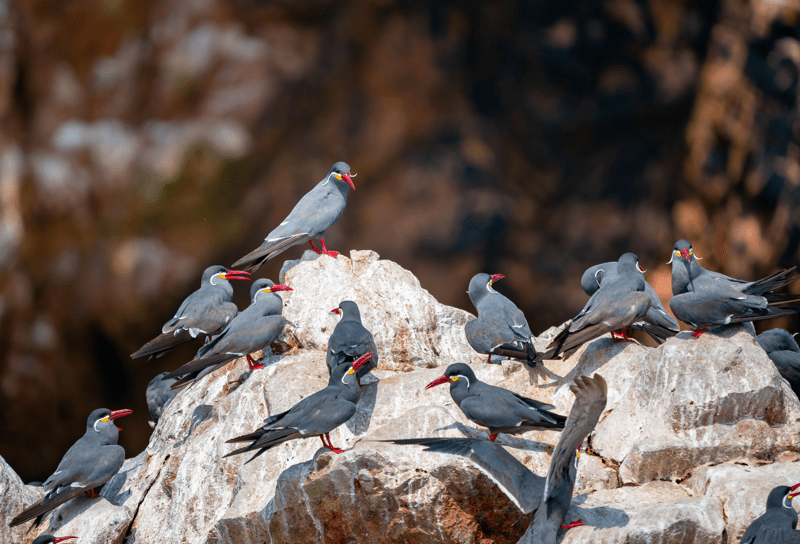
Inca Tern
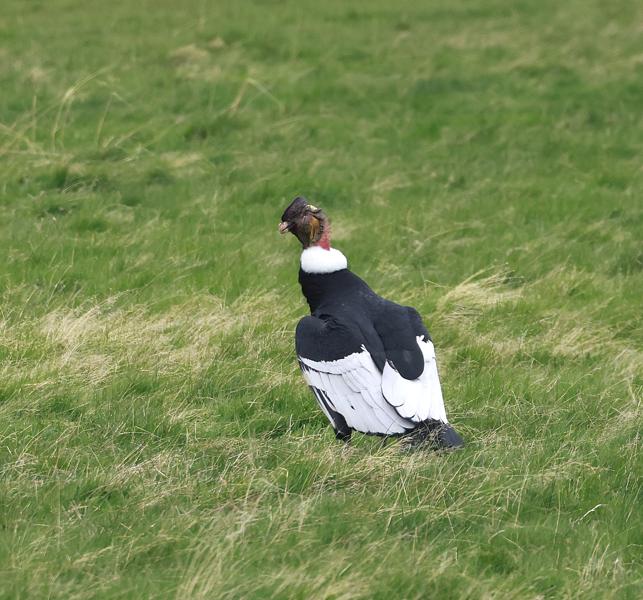
Andean Condor
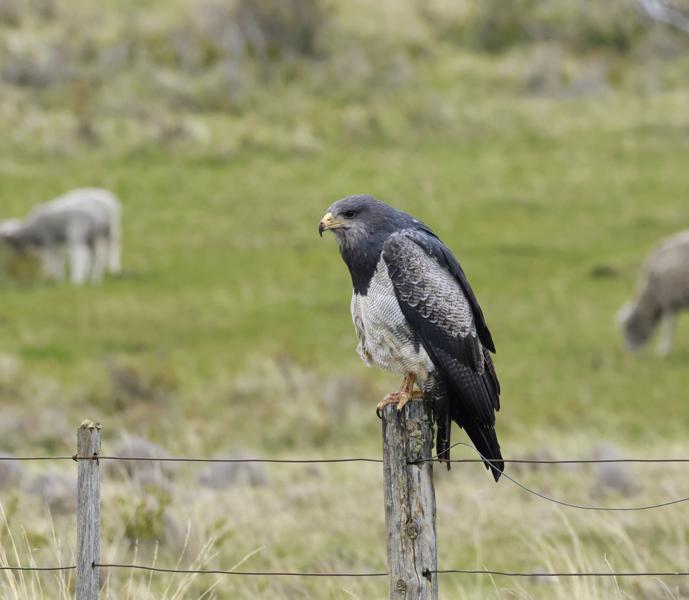
Black-chested Buzzard-Eagle
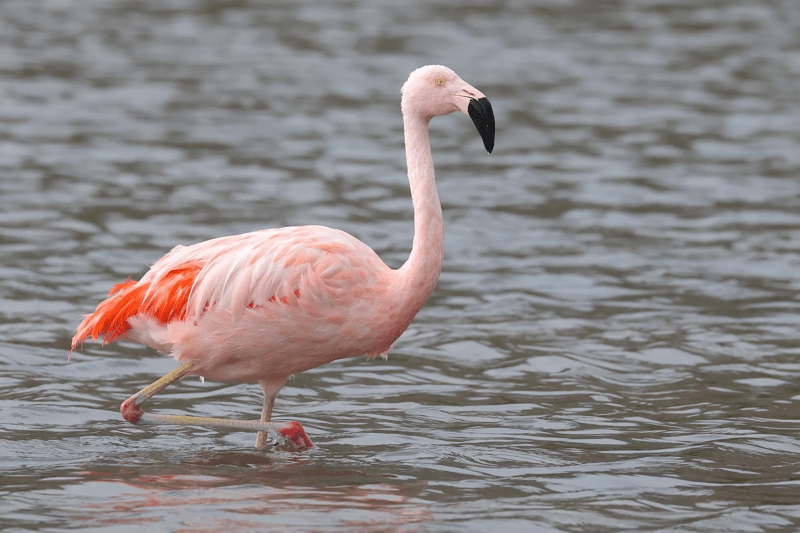
Chilean Flamingo
Amazilia Hummingbird
Inca Tern
Leader
+ Local Leader
Doris Valencia
Primary Leader
Peruvian birder and conservationist dedicated to guiding, reforestation, and empowering women in ecotourism while sharing her deep knowledge of Peru’s natural and cultural heritage.
Read MoreItinerary
Itinerary Map and Daily Itinerary — Coming Soon
What’s Included
Accommodations & Dining
Settle into comfortable accommodations with modern amenities. Enjoy freshly prepared meals that highlight local flavors and international favorites, with consideration for any dietary needs.
Guided Services & Gratuities
Experience each destination with the help of Leaders who share history, culture, and wildlife insights. Gratuities for crew and local guides are included, ensuring seamless service without extra concerns; tipping for your Leaders is discretionary and not included.
Active Essentials
Every tour includes the core elements that make our field experiences possible so you can stay engaged with a range of activities. All outings include the necessary equipment and full safety support, making it easy to join at your own pace.
Transportation & Logistics
We coordinate every transfer, from airport pickup to port boarding. Whether traveling by bus, boat, or charter, our team ensures smooth connections and stress-free travel.
FAQs
Similar Trips
Loading calendar...