

Difficulty
A BIRDS, NATURE & CULTURE TOUR
Feathered Gems of Northern Peru: Marvelous Spatuletail, Antpittas & Much More!
Journey through northern Peru’s breathtaking Andes in search of radiant hummingbirds, rare antpittas, and dazzling tanagers that define one of South America’s richest birding regions. From arid foothills to lush cloud forests, we’ll encounter an astonishing variety of birds—many seen right from our lodge verandas. Highlights include the exquisite Marvelous Spatuletail, Schlegel’s Asity, and Long-whiskered Owlet, along with endemic vangas and antpittas that make this region legendary. With excellent lodges, forest-edge feeders, and sweeping scenery, this adventure offers unmatched access to Peru’s vibrant montane ecosystems and the extraordinary biodiversity that makes them some of the most inspiring on Earth.
Tour Overview
Nov 5–Nov 15, 2026
Nov 1–Nov 11, 2027
Northern Peru is a land of contrast and abundance, where tropical valleys rise steeply into cloud-wreathed ridges rich with life. Here, in one of the most biodiverse corners of the Andes, we’ll explore habitats ranging from dry forest and white-sand woodlands to lush montane rainforest—all alive with endemic and regional specialty birds.
At Waqanki Lodge, our introduction to the region begins with a burst of color. Dozens of hummingbirds—Rufous-crested Coquette, Golden-tailed Sapphire, White-necked Jacobin, and Amethyst Woodstar—hover at feeders framed by a forest of orchids. Tinamous, trogons, and tanagers move through nearby woodland trails, while evening walks may reveal nightjars and owls.
Traveling north, we’ll pause at Arenas Blancas, where rare species such as Rufous-breasted Wood-Quail and Wire-crested Thorntail inhabit a unique white-sand forest. Along the route, we’ll visit a natural cave sheltering Oilbirds, the world’s only nocturnal fruit-eating birds, before ascending into the cloud forest at Abra Patricia.
Our four nights at Owlet Lodge immerse us in a sanctuary of mist-shrouded trees and radiant birdlife. Here we’ll seek the near-mythical Long-whiskered Owlet, along with Rusty-tinged and Chestnut antpittas. The surrounding canopy teems with mixed flocks of tanagers and flycatchers, and the hummingbird feeders dazzle with species such as Sword-billed Hummingbird, Booted Racket-tail, and Chestnut-breasted Coronet. A visit to Huembo Reserve crowns the experience with close views of the legendary Marvelous Spatuletail—perhaps the most spectacular hummingbird in the world.
With superb lodges, fine Peruvian cuisine, and spectacular mountain scenery, this journey through the Andes offers an intimate encounter with Peru’s most iconic “feathered gems.”
Ecosystems Experienced
From dry tropical woodland and riverine forest to mid-elevation cloud forest and alpine ridges, northern Peru’s varied habitats harbor one of the highest concentrations of endemic birds on Earth. The region’s isolation by the Marañón River has created a remarkable evolutionary crossroads of northern and southern lineages.
Expected Climate
Temperature
Warm and humid in Moyobamba and Tarapoto (70–90°F / 21–32°C), cooler and pleasant in the mountains around Abra Patricia (50–70°F / 10–21°C).
Rainfall
Light afternoon rain is possible in the cloud forest, though November typically offers dry, clear conditions ideal for birding.
Seasons
Late spring to early summer brings active hummingbirds, fruiting trees, and high bird activity across all elevations.
Previous Field Reports
Key Species
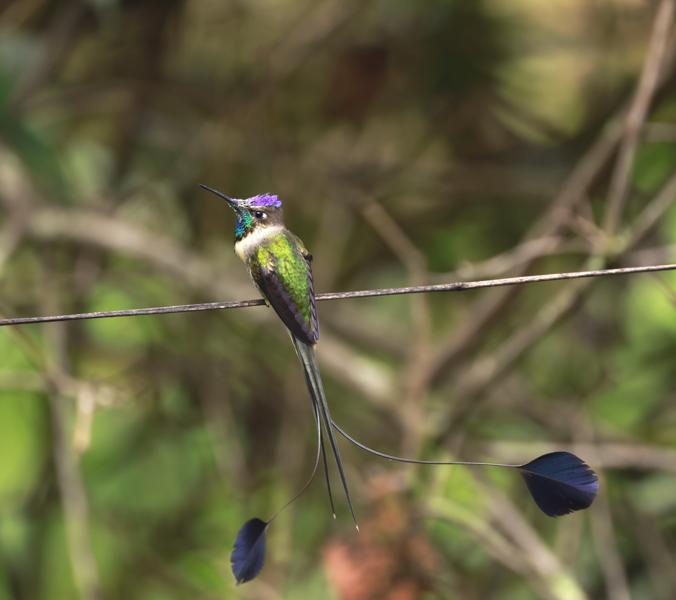
Marvelous Spatuletail
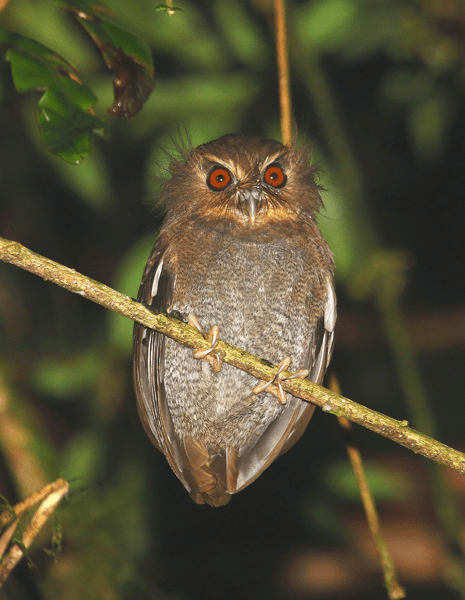
Long-whiskered Owlet
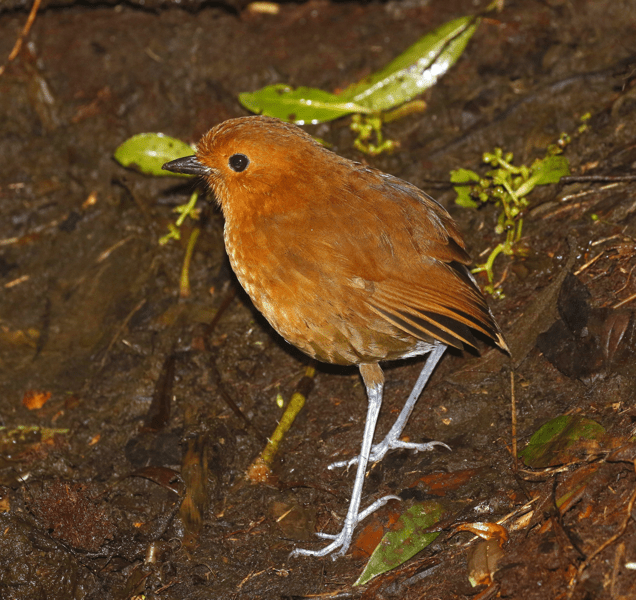
Chestnut Antpitta
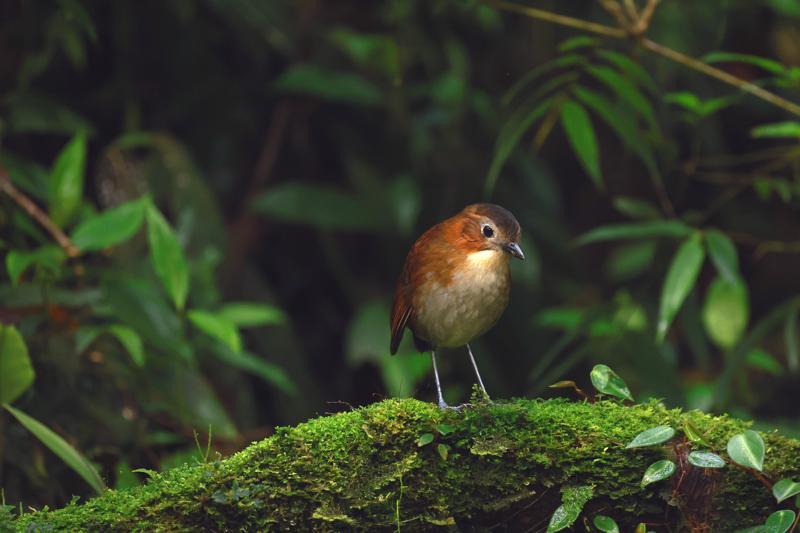
Rusty-tinged Antpitta
Rufous-crested Coquette
Deep-blue Flowerpiercer
Leader
+ Local Leader
Doris Valencia
Primary Leader
Peruvian birder and conservationist dedicated to guiding, reforestation, and empowering women in ecotourism while sharing her deep knowledge of Peru’s natural and cultural heritage.
Read MoreItinerary
Click here to download the itinerary PDF
Day 1
Evening arrival in Lima; walk to the convenient Wyndham Costa del Sol Airport Hotel for check-in and rest.
Optional early arrival recommended for rest after international flights.
Day 2
Take a morning flight to Tarapoto followed by a short drive to Waqanki Lodge near Moyobamba.
Emjoy afternoon birding at the lodge’s renowned hummingbird feeders—up to 20 species possible.
Explore orchid gardens and enjoy the first of many superb Peruvian meals.
Day 3
Enjoy Birding around Waqanki’s trails for trogons, jacamars, and colorful tanagers.
Visit Morro de Calzada Center for rail blinds and a chance to spot Bluish-fronted Jacamar, Peruvian Warbling-Antbird, and Gilded Barbet.
Relish an evening of leisure amid the lodge’s gardens.
Day 4
Explore the rare white-sand forest of Arenas Blancas for Rufous-breasted Wood-Quail and Wire-crested Thorntail.
Stop en route at Quiscarumi Bridge to observe Oilbirds at their roost.
Arrive at Owlet Lodge in time to enjoy the sunset over the cloud forest canopy.
Day 5
Explore the prime Andean cloud forest.
Seek Rusty-tinged and Chestnut antpittas, White-faced Nunbird, Yellow-scarfed Tanager, and the elusive Long-whiskered Owlet.
Visit Huembo Reserve for close views of the Marvelous Spatuletail and other high-elevation hummingbirds.
Experience an optional evening of owling and short forest walks among orchids and bromeliads.
Day 6
Explore the prime Andean cloud forest.
Seek Rusty-tinged and Chestnut antpittas, White-faced Nunbird, Yellow-scarfed Tanager, and the elusive Long-whiskered Owlet.
Visit Huembo Reserve for close views of the Marvelous Spatuletail and other high-elevation hummingbirds.
Experience an optional evening of owling and short forest walks among orchids and bromeliads.
Day 7
Explore the prime Andean cloud forest.
Seek Rusty-tinged and Chestnut antpittas, White-faced Nunbird, Yellow-scarfed Tanager, and the elusive Long-whiskered Owlet.
Visit Huembo Reserve for close views of the Marvelous Spatuletail and other high-elevation hummingbirds.
Experience an optional evening of owling and short forest walks among orchids and bromeliads.
Day 8
Morning departure from Owlet Lodge; bird roadside marshes for Masked Duck and Black-capped Donacobius.
Take an optional late-day outing on the Juan Guerra Road for Amazonian specialties.
Day 9
Visit the Aconabikh Reserve for Koepcke’s Hermit and other brilliant hummingbirds.
Explore Cerro Escalera’s rainforest trails for Sapphire-spangled Emerald, Gould’s Jewelfront, and forest flycatchers.
Day 10
Take a morning visit to Laguna Ricuricocha for ducks, rails, and jacanas.
Hop on an Afternoon flight to Lima.
Check-in for an overnight stay at the Wyndham Costa del Sol.
Day 11
Depart in the early morning for international flights home.
What’s Included
Accommodations & Dining
Settle into comfortable accommodations with modern amenities. Enjoy freshly prepared meals that highlight local flavors and international favorites, with consideration for any dietary needs.
Guided Services & Gratuities
Experience each destination with the help of Leaders who share history, culture, and wildlife insights. Gratuities for crew and local guides are included, ensuring seamless service without extra concerns; tipping for your Leaders is discretionary and not included.
Active Essentials
Every tour includes the core elements that make our field experiences possible so you can stay engaged with a range of activities. All outings include the necessary equipment and full safety support, making it easy to join at your own pace.
Transportation & Logistics
We coordinate every transfer, from airport pickup to port boarding. Whether traveling by bus, boat, or charter, our team ensures smooth connections and stress-free travel.
FAQs
Similar Trips
Loading calendar...